(7% discount is applied at checkout)
Cart is empty
Your go-to destination for cutting-edge server products


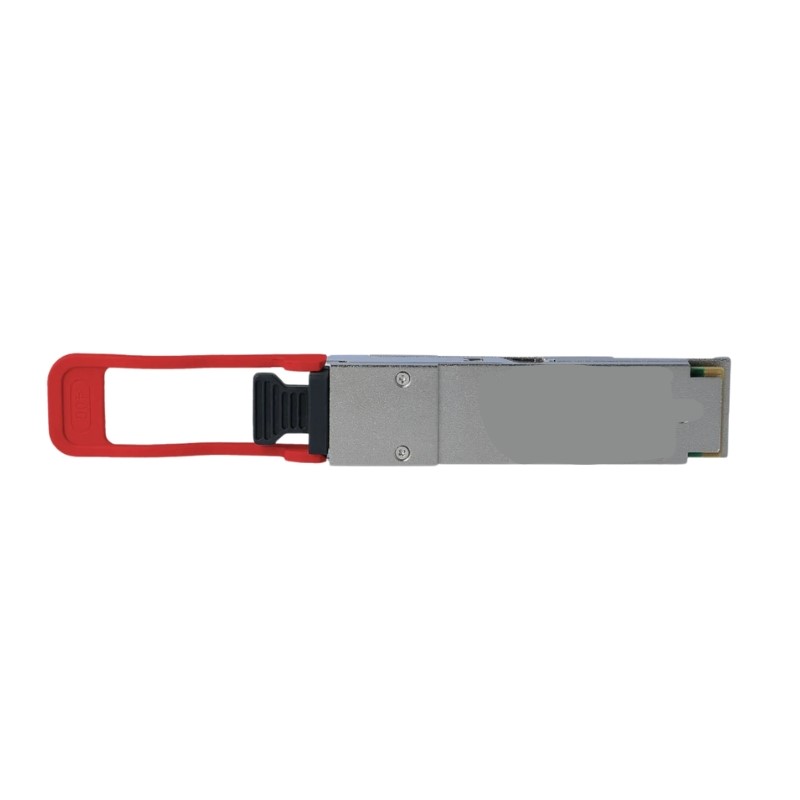
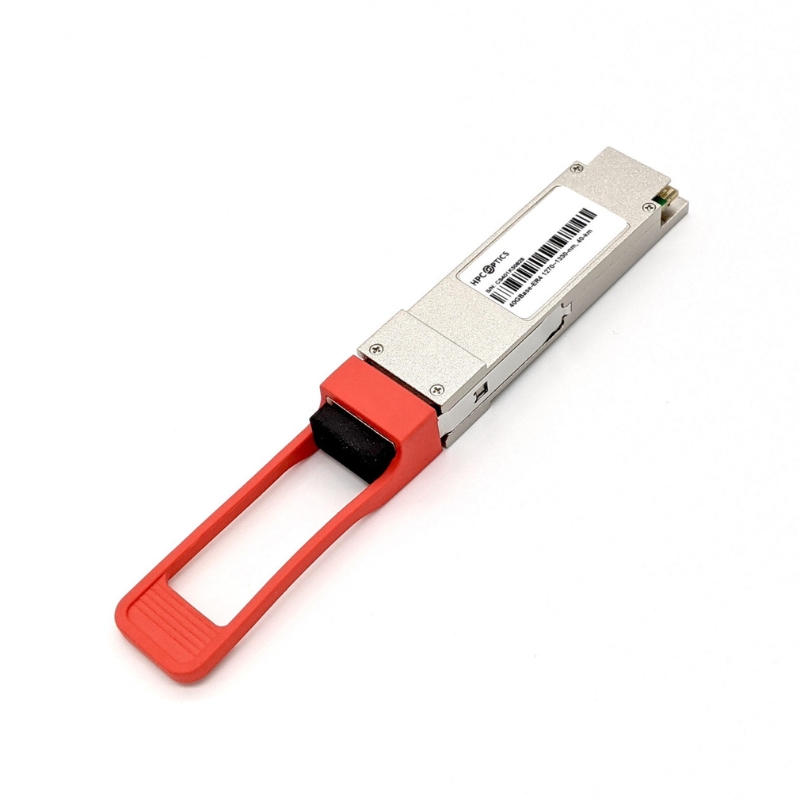
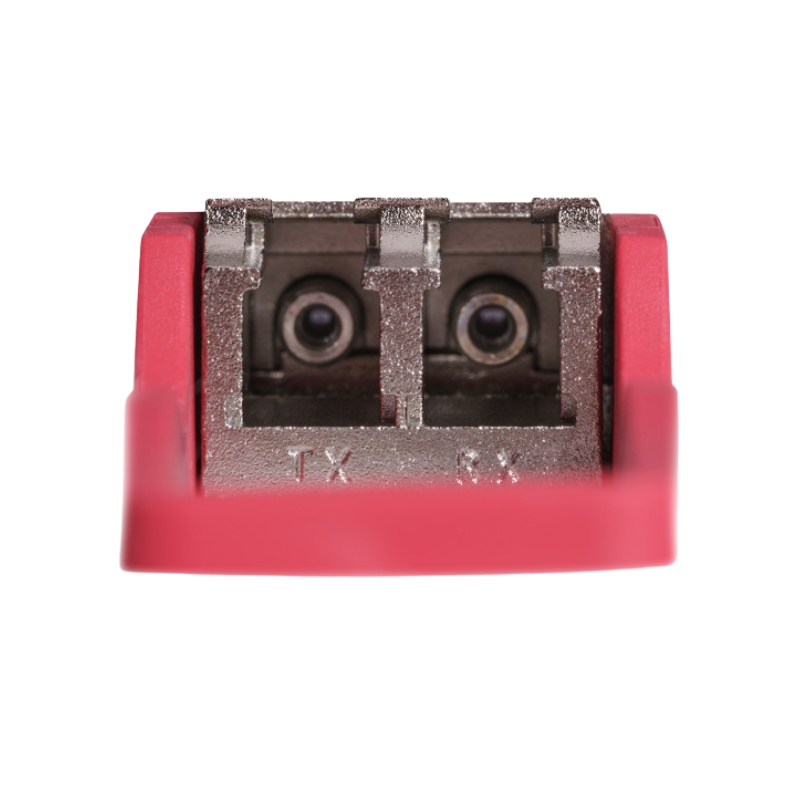
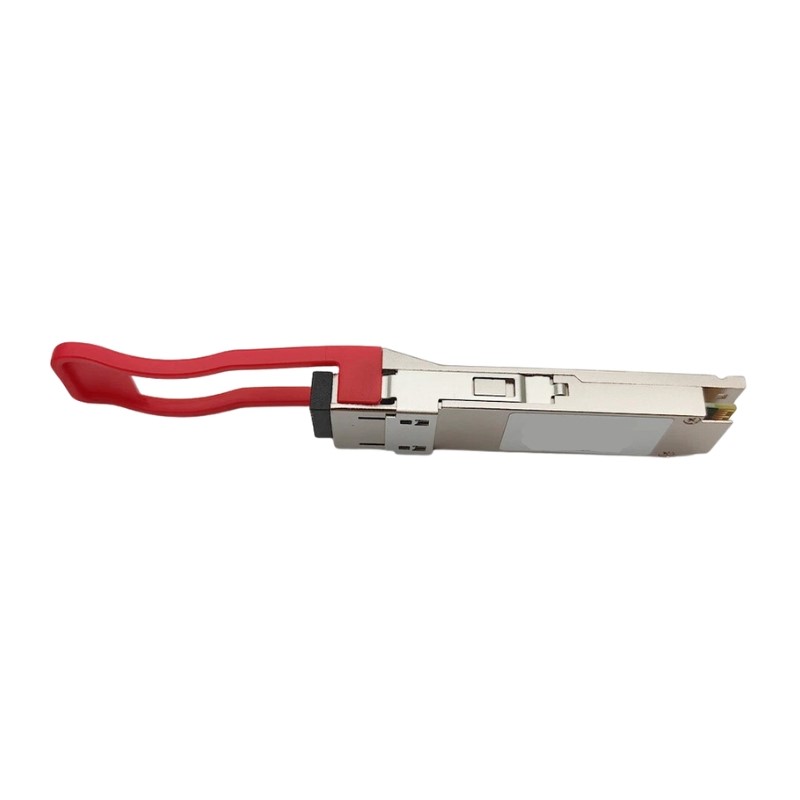
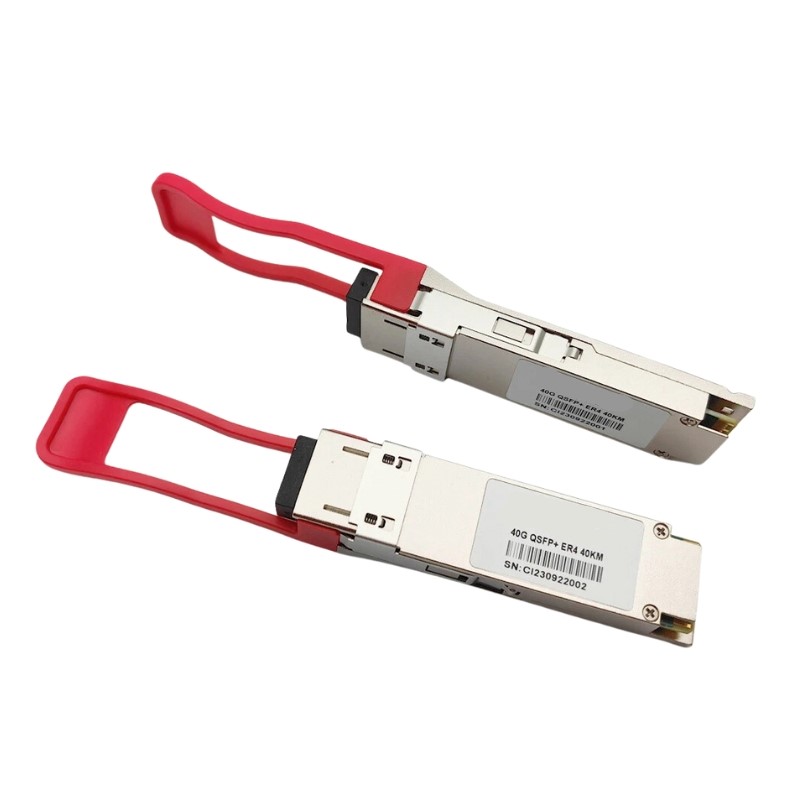
Brocade 57-1000327-01 40Gbps Single-mode Fiber 40km 1310nm Duplex LC Connector QSFP+ Transceiver Module. Excellent Refurbished with 1 year replacement warranty
Brocade 57-1000327-01 40Gbps QSFP+ Transceiver Overview
The Brocade 57-1000327-01 is a high-speed 40 Gigabit Ethernet QSFP+ transceiver designed for long-distance optical communication across single-mode fiber infrastructure. Built for enterprise networking, carrier-grade deployments, and data-intensive environments, this optical module enables dependable 40GbE connectivity with transmission distances reaching up to 40 kilometers.
Engineered with advanced optical technology and a compact hot-swappable design, this QSFP+ transceiver supports seamless scalability and reliable data movement for modern network architectures.
The Brocade 57-1000327-01 40Gbps Single-mode Fiber 40km 1310nm Duplex LC Connector QSFP+ Transceiver Module represents an advanced optical networking component engineered to deliver stable, high-capacity, and long-distance communication across enterprise and service provider environments. Designed for high-bandwidth network infrastructures, this optical transceiver enables dependable data transmission while maintaining signal integrity over extensive fiber runs reaching up to 40 kilometers.
Built around QSFP+ technology, this transceiver addresses modern networking demands where increasing traffic volume, application responsiveness, and infrastructure scalability are essential. Organizations deploying high-speed backbone connections, data center interconnects, metropolitan aggregation layers, and mission-critical communications benefit from the efficiency and optical performance delivered by this networking solution.
The module supports 40 Gigabit Ethernet throughput, enabling rapid movement of large datasets, real-time application delivery, virtualization traffic, and cloud-based services. High-speed optical transmission reduces latency across interconnected systems and supports environments requiring continuous network availability.
The 40Gbps architecture enables organizations to consolidate traffic from multiple lower-speed interfaces while simplifying infrastructure expansion. This capability creates streamlined deployment strategies that support future network growth without requiring complete hardware replacement.
Single-mode fiber connectivity allows the transceiver to deliver communication across significantly longer distances than multimode alternatives. By transmitting optical signals through a narrow core diameter, attenuation and modal dispersion are minimized, ensuring stronger signal quality across extended links.
Single-mode infrastructure remains highly suitable for campus deployments, regional connectivity, distributed enterprise architecture, and long-range interconnection between facilities where consistent throughput and low error rates are required.
Maintaining stable optical performance across 40 kilometers requires sophisticated engineering in transmitter and receiver components. The Brocade 57-1000327-01 incorporates optical precision mechanisms that reduce interference and support reliable communication even under demanding operational conditions.
This design philosophy allows network architects to maintain predictable bandwidth delivery while reducing retransmission events and preserving application performance.
The 1310nm operating wavelength is selected specifically for efficient single-mode transmission characteristics. This wavelength range supports reduced chromatic dispersion and strong long-distance optical behavior while maintaining compatibility with widely deployed fiber infrastructures.
By operating at 1310nm, the module balances transmission reach, optical clarity, and deployment flexibility across enterprise and carrier-class environments.
The Quad Small Form-Factor Pluggable Plus architecture provides high port density without sacrificing performance. This compact module format allows network administrators to deploy multiple high-speed connections in limited rack environments while maximizing switch utilization.
High-density networking contributes to better space efficiency within data centers and communication facilities where physical footprint optimization remains a priority.
QSFP+ modules support hot insertion and replacement procedures, enabling maintenance and upgrades without interrupting broader network operations. This operational flexibility reduces maintenance windows and helps maintain service continuity.
Organizations can expand or replace transceiver capacity dynamically while minimizing downtime and avoiding unnecessary operational disruption.
Modern networking environments evolve continuously. Hot-swappable transceiver functionality simplifies hardware lifecycle management and accelerates deployment schedules across distributed infrastructure projects.
The Duplex LC connector interface delivers stable optical coupling with efficient alignment characteristics. LC connectors remain widely adopted due to their compact dimensions and dependable mechanical retention.
Connector consistency helps reduce insertion loss and supports long-term optical reliability across enterprise and telecommunications deployments.
The smaller connector footprint enables more organized patching environments and improved cable routing strategies. Dense networking installations benefit from reduced congestion and easier maintenance accessibility.
Enhanced cable organization contributes to airflow optimization and operational clarity in large-scale installations.
LC connectivity supports broad integration across optical patch panels, fiber distribution systems, and enterprise networking equipment. This compatibility simplifies infrastructure expansion and reduces deployment complexity.
Data center interconnect environments increasingly demand high-capacity links between geographically separated facilities. The Brocade 57-1000327-01 supports efficient communication between processing clusters, storage resources, and cloud platforms.
Long-distance optical communication allows synchronized operations while supporting disaster recovery and workload balancing initiatives.
Large organizations frequently operate multiple buildings or regional offices requiring centralized connectivity. Extended optical reach enables unified network architecture while maintaining high-performance communication standards.
Centralized administration and infrastructure consolidation become more achievable through dependable long-distance optical connectivity.
Telecommunications providers require scalable transport solutions capable of supporting evolving customer requirements. Long-reach QSFP+ modules facilitate aggregation and backbone communication with efficient optical utilization.
High-capacity transport layers improve service delivery and support expansion into emerging bandwidth-intensive applications.
Urban communication networks continue expanding to meet digital transformation requirements. Optical modules supporting 40-kilometer transmission enable practical metro-scale deployment strategies.
Reliable optical communication depends on maintaining minimal transmission errors. Precision optical components and controlled signal generation help preserve consistent communication quality under continuous operational workloads.
Stable transmission supports business-critical applications where interruptions may affect productivity or service delivery.
Optical networking equipment operates within environments that demand thermal consistency. The Brocade 57-1000327-01 incorporates design characteristics intended to manage heat generation while maintaining optical accuracy.
Thermal stability contributes directly to sustained performance and predictable operational outcomes.
Organizations increasingly rely on uninterrupted digital infrastructure. Long-term reliability helps reduce service interruptions and supports business continuity planning.
The module is engineered to operate within compatible Brocade networking platforms, ensuring coordinated communication between switching infrastructure and optical transport layers.
Integration consistency supports simplified deployment processes and predictable operational behavior.
Network upgrades frequently involve balancing existing investments with future expansion goals. Optical transceiver deployment allows organizations to increase bandwidth capacity without immediate replacement of entire networking environments.
This approach improves return on infrastructure investment while enabling progressive modernization strategies.
Scalable networking architecture requires modular components capable of adapting to changing operational requirements. Long-distance QSFP+ transceivers support phased growth initiatives while maintaining deployment flexibility.
Virtualized workloads and cloud-based services generate substantial east-west network traffic. High-capacity optical links maintain application responsiveness and support efficient resource utilization.
Stable throughput contributes to improved workload distribution and reduced communication bottlenecks.
Storage replication, backup operations, and distributed storage platforms require dependable high-bandwidth communication. Optical transceivers help maintain data availability while supporting demanding storage operations.
Consistent optical connectivity enables effective synchronization across separated storage resources.
Network latency directly influences user experience and application efficiency. High-speed optical transmission minimizes communication delays and supports real-time operational requirements.
Growing digital workloads require infrastructure capable of scaling over time. The Brocade 57-1000327-01 aligns with evolving network capacity requirements by supporting higher-speed optical transport.
Organizations implementing long-term technology roadmaps benefit from infrastructure designed for sustained relevance.
Higher-capacity links reduce the need for multiple lower-speed connections, simplifying architecture and reducing operational overhead.
Infrastructure simplification contributes to easier management and improved operational visibility.
Optimized optical networking strategies support lower administrative effort, better capacity utilization, and improved service delivery over extended deployment periods.
Hybrid infrastructure models require dependable communication between on-premises and distributed computing environments. Long-distance optical links provide stable pathways for data exchange and workload coordination.
High-speed interconnection supports seamless application accessibility and consistent service experiences.
Business continuity planning depends heavily on geographically separated infrastructure. Extended optical reach enables replication and recovery environments without compromising communication performance.
Reliable transport infrastructure contributes to operational resilience and faster restoration objectives.
As network demands continue increasing, organizations prioritize optical technologies capable of delivering scalable bandwidth, extended reach, and efficient deployment models. The Brocade 57-1000327-01 40Gbps Single-mode Fiber 40km 1310nm Duplex LC Connector QSFP+ Transceiver Module remains aligned with these infrastructure objectives through its combination of high-speed transmission, long-range capability, compact architecture, and dependable optical performance.


 Contact Us
 Information
 Catalog
 Solid State Drives (SSD)
 Network Switches
 Hard Disk Drives
 HBA & Controllers
 PC & Servers
 PC & Server Memory
 CPU & Processors
 Network Routers
 Power Supplies
 Tape Drives & Libraries
 Network Devices
 Computer & Network Cables