(7% discount is applied at checkout)
Cart is empty
Your go-to destination for cutting-edge server products
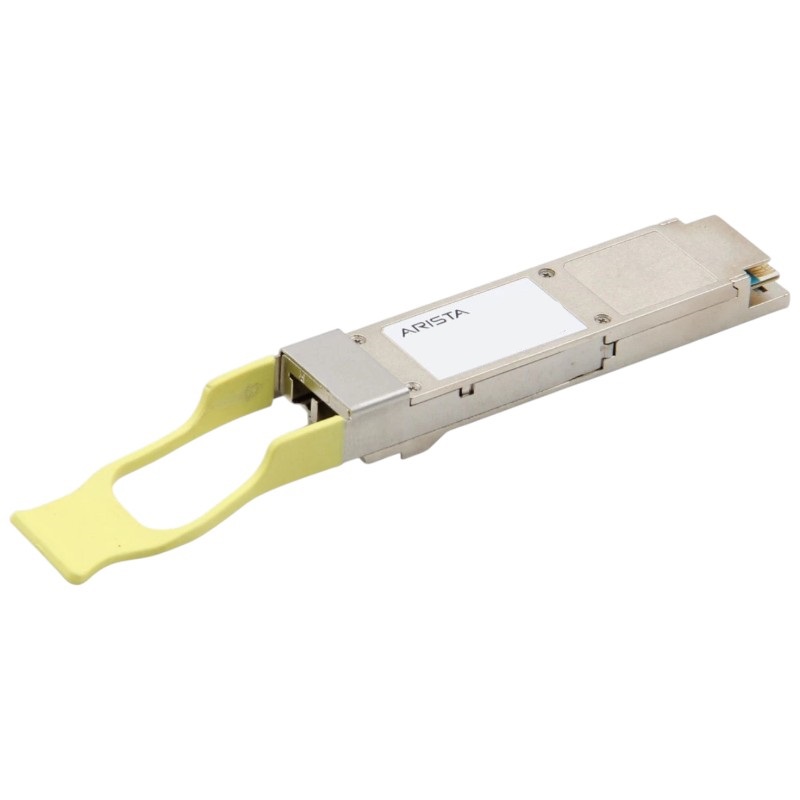


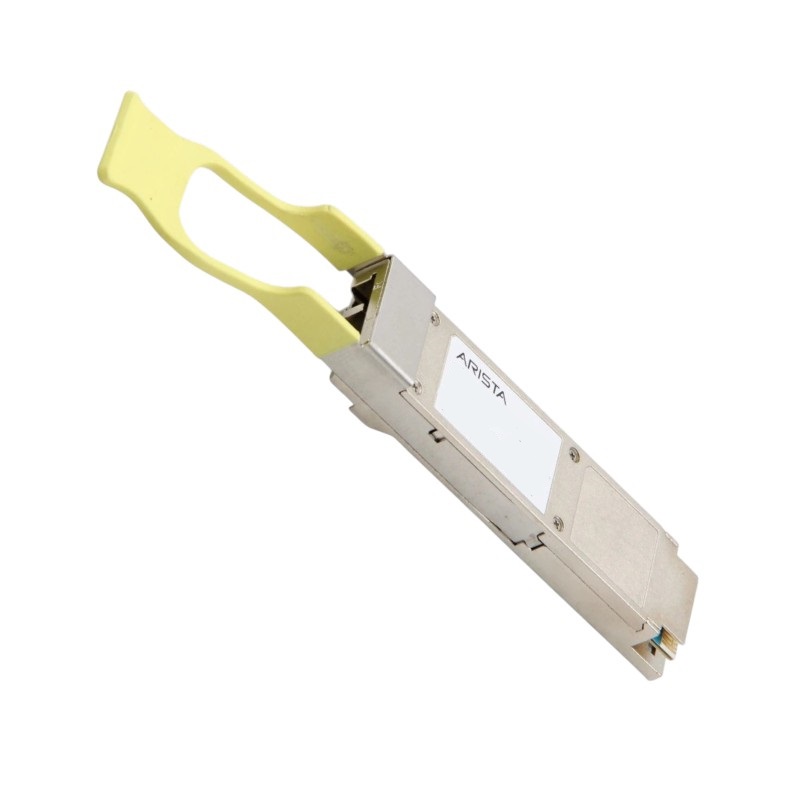
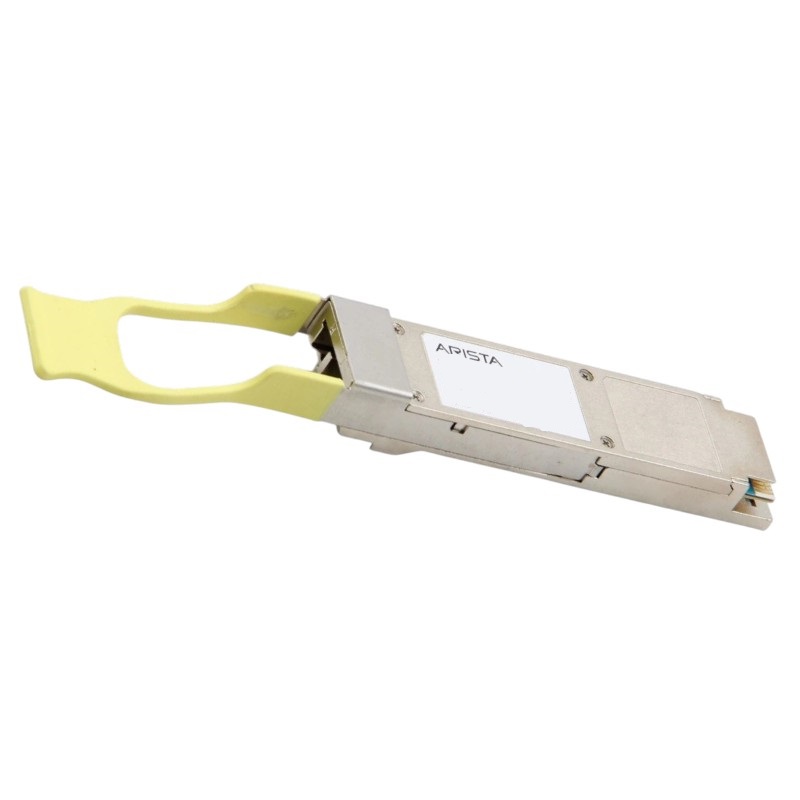
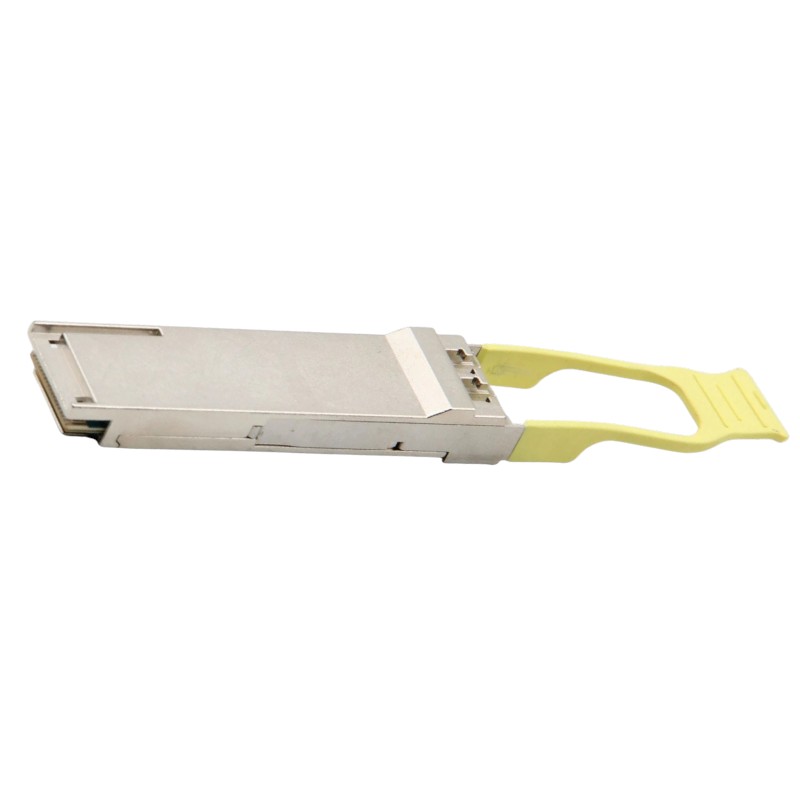
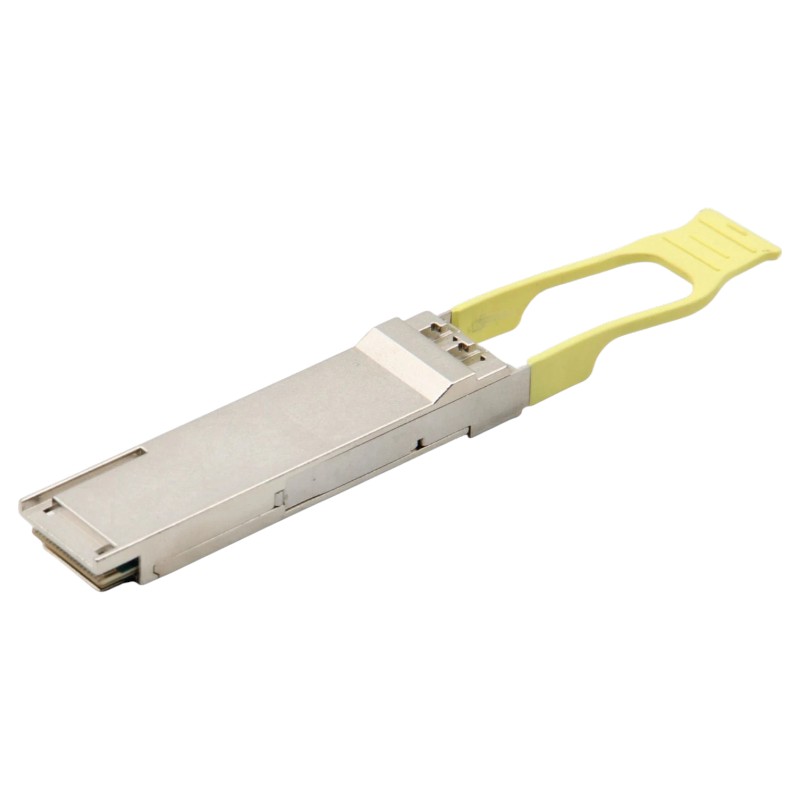
Arista QSFP-40G-PLRL4 40G 4x1310nm LR QSFP+ Optic Transceiver. New Sealed with 1 Year Replacement Warranty
The Arista QSFP-40G-PLRL4 is a high-performance optical transceiver designed for reliable 40 Gigabit Ethernet connectivity. It delivers efficient data transmission across long distances using parallel single-mode fiber technology.
The Arista QSFP-40G-PLRL4 40G 4x1310nm LR QSFP+ optic transceiver is engineered to support high-speed Ethernet communication across modern enterprise, hyperscale, and cloud networking infrastructures. Designed for dependable 40 Gigabit Ethernet transmission, this QSFP+ optical module provides stable long-range connectivity using parallel single-mode fiber technology and four independent 1310nm optical lanes. Organizations deploying scalable network architectures benefit from the module’s compatibility with high-density switches, routers, aggregation layers, and spine-leaf topologies.
As network traffic continues to increase due to virtualization, artificial intelligence workloads, cloud computing, streaming applications, and large-scale storage operations, the demand for efficient 40G optical networking solutions remains significant. The Arista QSFP-40G-PLRL4 transceiver delivers the optical performance, reliability, and bandwidth capacity required for mission-critical environments where uninterrupted data transmission and low latency are essential.
The module supports transmission over single-mode fiber cabling, enabling long-distance communication between network devices located across enterprise campuses, colocation facilities, and distributed data center environments. By utilizing four optical channels operating at 1310nm wavelengths, the transceiver achieves reliable signal integrity while maintaining energy-efficient operation within compact networking platforms.
The QSFP+ form factor has become a preferred standard in high-density networking infrastructures because it combines compact physical dimensions with substantial bandwidth capabilities. The Arista QSFP-40G-PLRL4 module is designed to fit seamlessly into QSFP+ ports available on many enterprise-class Arista switches and routing systems.
Its compact architecture allows network administrators to deploy large numbers of high-speed uplinks and interconnects without consuming excessive rack space. In large-scale data centers, port density plays a critical role in maximizing infrastructure efficiency, reducing equipment footprint, and supporting scalable growth strategies.
Because the module operates within industry-standard QSFP+ specifications, organizations can integrate the transceiver into existing network deployments while maintaining operational consistency. The hot-swappable design also minimizes downtime during maintenance or upgrades, enabling administrators to replace or install modules without shutting down networking equipment.
Forty Gigabit Ethernet remains a vital networking standard in enterprise and cloud infrastructure because it offers significantly higher throughput than traditional 10G connectivity while remaining cost-effective for aggregation and backbone applications. The Arista QSFP-40G-PLRL4 transceiver enables consistent 40GbE communication between switches, storage systems, servers, and network appliances.
High-bandwidth connectivity is especially important for workloads involving virtualization clusters, distributed storage arrays, high-performance computing, and multimedia content delivery. By supporting 40G Ethernet speeds, the module helps organizations reduce network bottlenecks and improve overall application responsiveness.
Modern enterprises increasingly depend on uninterrupted access to cloud services, analytics platforms, and collaborative applications. The high-throughput capability of this transceiver supports those requirements by ensuring rapid data movement across critical infrastructure layers.
The Arista QSFP-40G-PLRL4 transceiver utilizes four separate optical transmission lanes operating at 1310nm wavelengths. Each lane carries a portion of the overall 40Gbps bandwidth, enabling efficient parallel data transport across single-mode fiber infrastructure.
This multi-lane approach enhances transmission efficiency while maintaining signal stability across longer distances. Parallel optical communication also contributes to improved scalability because it enables high-capacity data transport without requiring oversized or complex cable assemblies.
The use of multiple channels allows the module to maintain reliable communication even in demanding environments where traffic loads fluctuate significantly. This architecture supports consistent throughput and dependable performance for enterprise and cloud networking applications.
The 1310nm optical wavelength is widely used in single-mode fiber networking because it offers low signal attenuation and strong long-distance transmission characteristics. The Arista QSFP-40G-PLRL4 transceiver benefits from these optical properties by enabling stable communication over extended fiber links.
Single-mode fiber deployments using 1310nm optics are commonly implemented in metropolitan networks, campus infrastructures, enterprise backbones, and data center interconnect environments. This wavelength range supports reliable signal propagation while minimizing dispersion and maintaining efficient optical performance.
Because 1310nm technology is well-established in enterprise networking, organizations can deploy the transceiver within existing single-mode fiber infrastructures without requiring specialized cabling modifications. This compatibility simplifies network expansion projects and reduces overall deployment complexity.
The Arista QSFP-40G-PLRL4 optical transceiver is designed for long-range networking applications where reliable connectivity must be maintained across significant physical distances. Single-mode fiber technology enables the module to support communication links between geographically separated network locations while preserving signal integrity.
Long-distance optical connectivity is particularly important for organizations operating multiple data centers, enterprise campuses, disaster recovery facilities, and distributed cloud infrastructure environments. The ability to maintain high-speed communication over extended distances helps businesses improve operational continuity and data accessibility.
Single-mode fiber solutions are also highly resistant to electromagnetic interference, making them ideal for industrial facilities, telecommunications deployments, and environments with significant electrical activity. This improves transmission reliability while reducing the risk of signal degradation.
Enterprise backbone networks require high-capacity optical connectivity to transport traffic between aggregation layers, core switches, and routing platforms. The Arista QSFP-40G-PLRL4 transceiver provides the throughput and transmission efficiency necessary for supporting backbone operations in modern networking environments.
As organizations continue adopting bandwidth-intensive applications, backbone congestion becomes a major concern. High-speed 40G optical connectivity helps alleviate these challenges by providing increased bandwidth capacity and reducing latency between infrastructure layers.
Efficient backbone communication also improves overall network responsiveness, enabling faster application access, improved storage synchronization, and more stable virtualization performance.
The Arista QSFP-40G-PLRL4 module is engineered for compatibility with numerous Arista networking platforms, including data center switches, aggregation systems, and enterprise routing environments. This compatibility helps ensure seamless integration with existing Arista hardware infrastructures.
Arista networking solutions are widely recognized for supporting cloud-scale architecture, low-latency communication, and advanced software-defined networking capabilities. Integrating certified optical transceivers within these environments contributes to predictable operational performance and reliable interoperability.
Network administrators benefit from simplified deployment processes because compatible transceivers are recognized efficiently by supported hardware platforms. This reduces configuration complexity and accelerates infrastructure implementation timelines.
Scalability remains a critical factor in modern enterprise infrastructure planning. The Arista QSFP-40G-PLRL4 transceiver supports scalable networking by enabling organizations to expand bandwidth capacity while maintaining consistent operational standards.
As network traffic demands increase, administrators can deploy additional 40G uplinks and interconnects without redesigning the entire infrastructure. This flexibility helps organizations protect long-term networking investments while supporting future growth initiatives.
Scalable optical networking also supports migration strategies toward higher-speed Ethernet technologies, allowing enterprises to evolve infrastructure incrementally while preserving compatibility with existing systems.
Modern data centers frequently utilize leaf-spine architectures to improve scalability, reduce latency, and optimize east-west traffic flows. The Arista QSFP-40G-PLRL4 transceiver is well-suited for these environments because it delivers high-bandwidth optical connectivity between leaf and spine switches.
Leaf-spine architectures depend on rapid communication between multiple switching layers to maintain application responsiveness and efficient resource distribution. High-speed 40G optical links help minimize congestion while supporting dynamic workload movement across virtualized environments.
By enabling efficient inter-switch communication, the transceiver contributes to improved traffic balancing and enhanced network performance throughout the data center infrastructure.
Cloud service providers require scalable, high-capacity networking solutions capable of supporting massive volumes of virtualized traffic. The Arista QSFP-40G-PLRL4 transceiver supports cloud infrastructure by providing dependable optical communication between servers, storage systems, and switching platforms.
Cloud networking environments demand low-latency communication to maintain responsive application performance and seamless user experiences. High-speed optical modules help ensure efficient workload distribution and stable connectivity across cloud infrastructure layers.
The transceiver also supports rapid data synchronization between storage clusters and compute resources, improving overall operational efficiency within cloud deployments.
Maintaining signal integrity is essential in high-speed optical networking environments where even minor transmission disruptions can affect application performance and data reliability. The Arista QSFP-40G-PLRL4 transceiver is engineered to provide stable optical communication with minimal signal degradation.
Reliable signal performance supports uninterrupted connectivity between critical infrastructure components, helping organizations avoid costly downtime and network interruptions. This is especially important in environments supporting financial systems, healthcare applications, telecommunications services, and cloud-based operations.
Stable optical transmission also improves packet delivery efficiency and reduces retransmission overhead, contributing to better network responsiveness and improved throughput consistency.
Energy efficiency plays an increasingly important role in modern data center operations because high-density networking equipment can generate substantial heat and power consumption. The Arista QSFP-40G-PLRL4 transceiver is designed to operate efficiently within enterprise networking platforms while supporting thermal management objectives.
Efficient power utilization helps reduce operational costs and contributes to sustainable infrastructure practices. Lower thermal output also improves hardware longevity by minimizing heat-related stress on surrounding networking components.
In large-scale deployments containing hundreds or thousands of optical modules, efficient transceiver operation can significantly influence overall power and cooling requirements.
The Arista QSFP-40G-PLRL4 optical transceiver aligns with established optical networking standards that support interoperability within enterprise Ethernet environments. Compliance with recognized networking specifications helps ensure consistent communication across compatible hardware platforms.
Standards-based networking simplifies infrastructure deployment and improves flexibility when integrating equipment from multiple vendors. Organizations benefit from predictable operational behavior and streamlined compatibility management.
Interoperable optical modules also support long-term infrastructure planning because businesses can expand or modify network environments without excessive compatibility concerns.
High-availability networking environments require dependable optical communication capable of maintaining consistent uptime under demanding workloads. The Arista QSFP-40G-PLRL4 transceiver supports redundancy strategies and resilient infrastructure architectures designed to minimize service disruptions.
Organizations operating mission-critical services often implement redundant links, failover systems, and distributed network paths to improve operational continuity. Reliable optical transceivers form a foundational component of these high-availability strategies.
Stable 40G optical connectivity also supports disaster recovery operations by enabling rapid synchronization between geographically separated facilities and backup infrastructure locations.
Large enterprise campuses frequently require high-capacity aggregation links connecting multiple buildings, departments, and distribution layers. The Arista QSFP-40G-PLRL4 transceiver provides the optical bandwidth necessary for supporting centralized enterprise communication across campus infrastructures.
Aggregation networks handle substantial volumes of traffic generated by wireless systems, VoIP services, video conferencing platforms, and business applications. High-speed 40G optical links help ensure efficient traffic movement while maintaining application responsiveness.
Campus aggregation deployments also benefit from single-mode fiber connectivity because it supports longer transmission distances between buildings and network distribution points.
High-performance storage environments depend on low-latency networking to support rapid data access and synchronization. The Arista QSFP-40G-PLRL4 transceiver enables high-bandwidth connectivity between storage systems, servers, and switching infrastructure.
Storage-intensive workloads such as backup operations, database replication, virtualization clusters, and analytics processing generate large volumes of network traffic. High-speed optical connectivity helps reduce bottlenecks and improves overall storage performance.
Reliable optical communication also supports business continuity strategies by enabling efficient replication between primary and secondary storage environments.
Enterprise and cloud networking environments continue to evolve rapidly as organizations adopt data-intensive technologies and digital transformation initiatives. The Arista QSFP-40G-PLRL4 transceiver supports future-ready infrastructure planning by delivering substantial bandwidth capacity within a proven optical networking standard.
Applications involving machine learning, big data analytics, virtualization, and real-time collaboration continue driving demand for higher-speed network connectivity. Reliable 40G optical infrastructure helps organizations address these requirements while maintaining operational efficiency.
Deploying scalable optical solutions also enables smoother migration toward emerging networking technologies because organizations can build robust backbone infrastructures capable of supporting future expansion.
Networking investments represent a significant portion of enterprise IT budgets, making infrastructure longevity an important consideration for organizations planning long-term deployments. The Arista QSFP-40G-PLRL4 transceiver supports investment protection by providing durable, standards-based optical connectivity suitable for evolving enterprise requirements.
Because 40G Ethernet continues to play a major role in aggregation and interconnect environments, organizations can maintain productive use of existing optical infrastructure while gradually transitioning toward higher-speed technologies where necessary.
The module’s compatibility with enterprise single-mode fiber environments further enhances long-term usability because single-mode fiber infrastructure remains widely adopted for scalable optical networking deployments.
High-capacity optical communication enables organizations to optimize traffic distribution and reduce network congestion across critical infrastructure layers. The Arista QSFP-40G-PLRL4 transceiver contributes to improved efficiency by supporting stable 40G communication between switches, servers, and storage resources.
Efficient network operation improves user experiences, accelerates application responsiveness, and supports consistent workload performance across enterprise environments.
Long-distance communication remains essential for enterprises operating geographically distributed facilities and cloud infrastructure deployments. The Arista QSFP-40G-PLRL4 transceiver provides dependable long-range optical connectivity using single-mode fiber technology and 1310nm optical transmission.
Reliable long-range networking helps organizations maintain consistent communication between remote infrastructure locations while supporting centralized data management and disaster recovery operations.
The flexibility offered by QSFP+ optical technology enables organizations to adapt networking infrastructures according to changing operational requirements. The Arista QSFP-40G-PLRL4 transceiver supports flexible deployment scenarios across enterprise data centers, campus networks, cloud environments, and carrier infrastructures.
Flexible optical networking simplifies infrastructure scaling and allows businesses to implement bandwidth upgrades without major architectural redesigns. This adaptability contributes to more efficient resource utilization and improved long-term infrastructure planning.


 Contact Us
 Information
 Catalog
 Solid State Drives (SSD)
 Network Switches
 Hard Disk Drives
 HBA & Controllers
 PC & Servers
 PC & Server Memory
 CPU & Processors
 Network Routers
 Power Supplies
 Tape Drives & Libraries
 Network Devices
 Computer & Network Cables