(7% discount is applied at checkout)
Cart is empty
Your go-to destination for cutting-edge server products
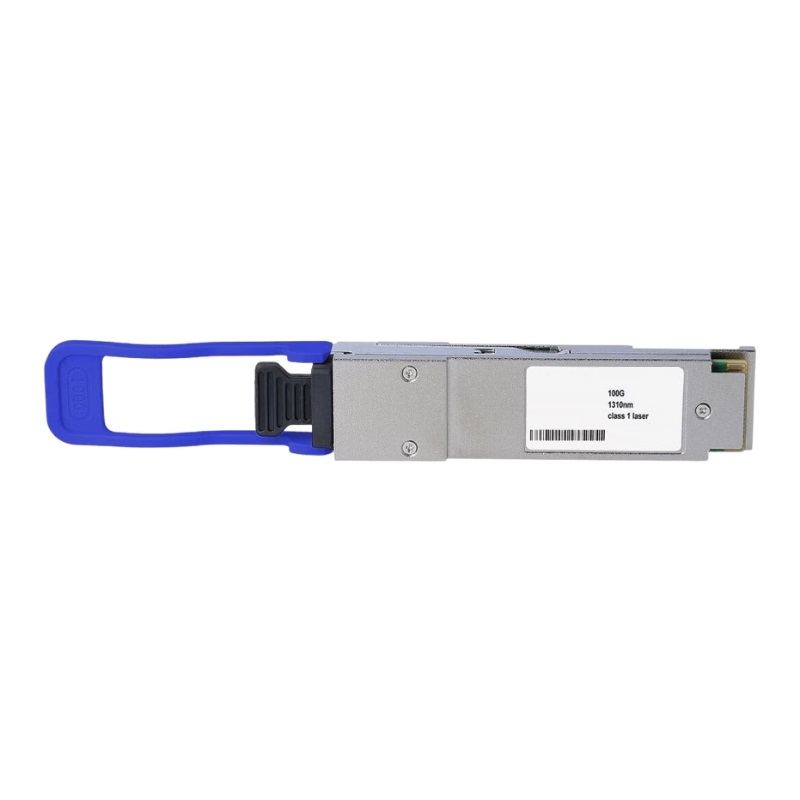


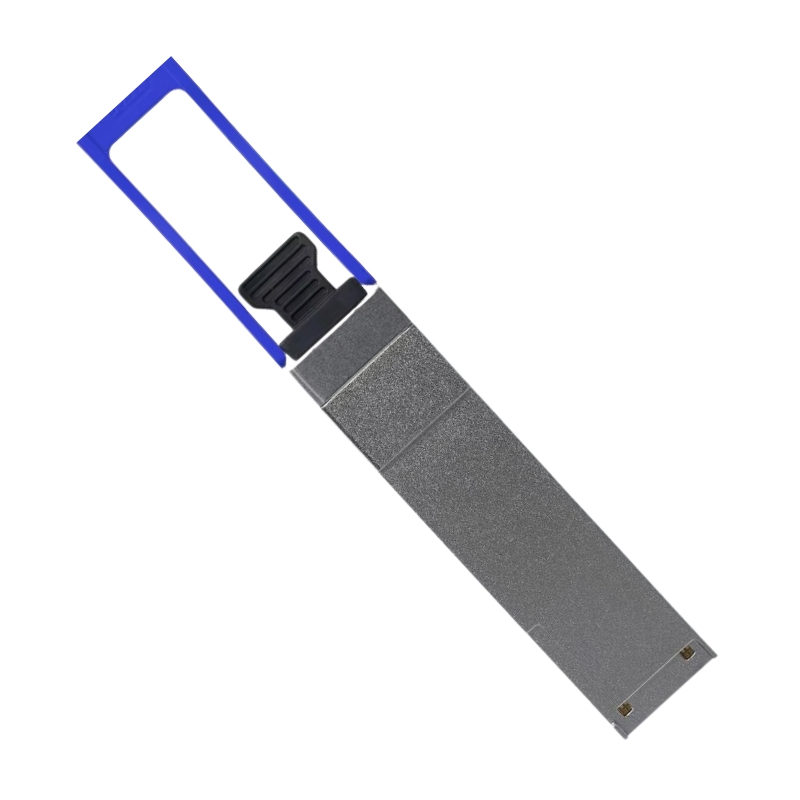
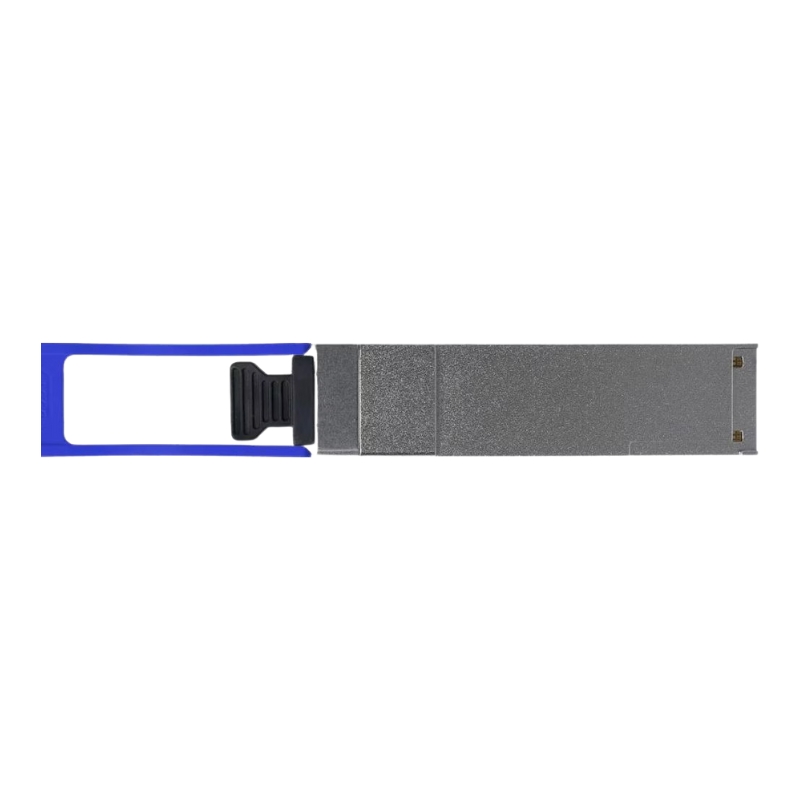
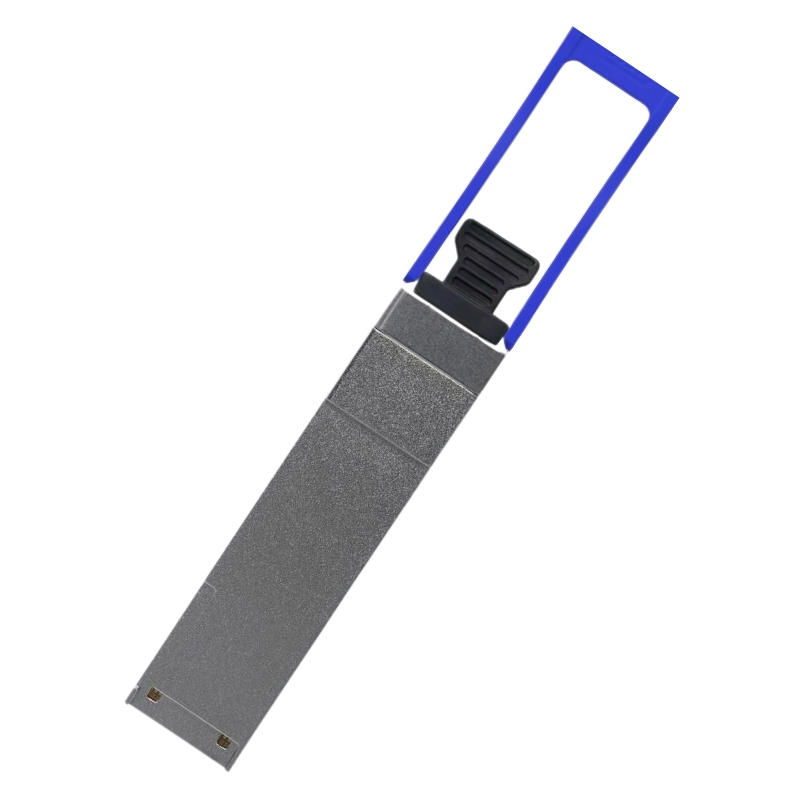
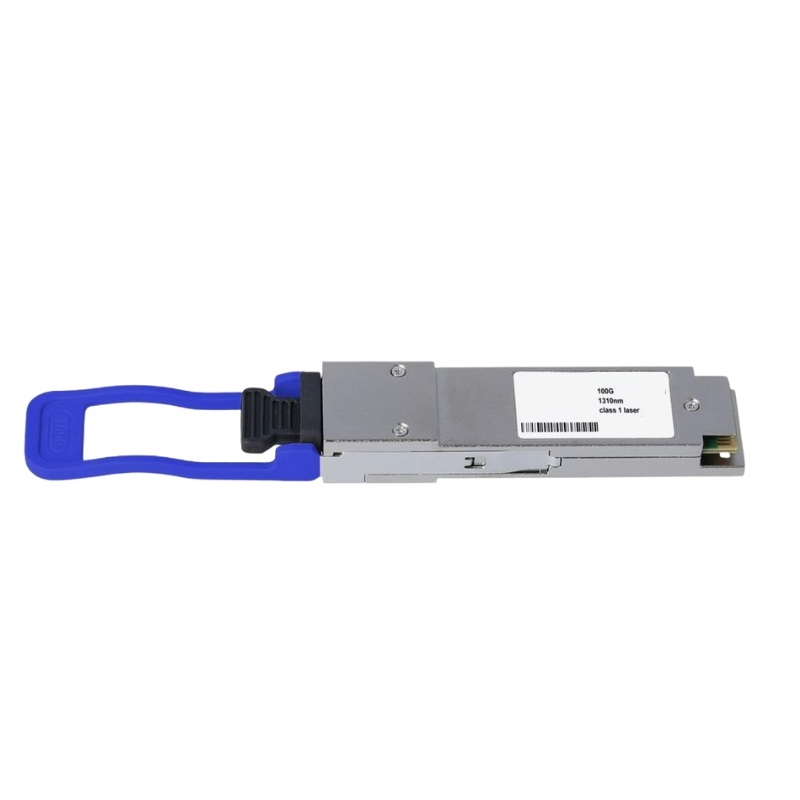
Juniper Network 740-088320 100-Gigabit QSFP28 Ethernet Transceiver. New Sealed with 1-Year Replacement Warranty
The Juniper Networks 740-088320 QSFP28 transceiver is a high-speed optical module engineered for 100 Gigabit Ethernet connectivity. Designed for single-mode fiber applications, it delivers reliable performance with advanced monitoring and compliance features, making it ideal for enterprise and data center networks.
The Juniper Network 740-088320 100-Gigabit QSFP28 Ethernet Transceiver is a high-performance optical networking module engineered to support ultra-fast data transmission in modern high-density network infrastructures. Designed for scalability, efficiency, and reliability, this transceiver is widely utilized in enterprise backbone networks, cloud computing environments, telecommunications systems, and large-scale data centers where stable and high-capacity optical connectivity is essential. It is part of the advanced QSFP28 (Quad Small Form-factor Pluggable 28) family, which is optimized specifically for 100GbE (100 Gigabit Ethernet) applications.
As network demands continue to grow due to virtualization, cloud services, and big data processing, the need for efficient optical transceivers such as the Juniper 740-088320 becomes increasingly critical. This module provides seamless integration into Juniper switching and routing platforms, ensuring low latency, high throughput, and energy-efficient performance.
The QSFP28 form factor is a compact yet powerful design that enables four lanes of high-speed electrical and optical signaling. The Juniper 740-088320 leverages this architecture to deliver 100Gbps data throughput while maintaining a small physical footprint. This allows network administrators to maximize port density in switches and routers without compromising performance or thermal efficiency.
Its design is optimized for hot-pluggable operation, enabling seamless installation or replacement without shutting down the system. This feature significantly reduces network downtime and supports continuous service availability in mission-critical environments.
The transceiver incorporates advanced optical signal processing technology that ensures minimal signal degradation over long distances. By utilizing high-quality laser components and precision alignment techniques, the module maintains signal integrity even in high-interference environments.
This capability is essential for backbone networks where consistent packet delivery and minimal latency are required. The optical engine is designed to support stable performance under varying temperature conditions and heavy traffic loads.
The Juniper 740-088320 is built specifically for 100GbE applications, providing a massive increase in bandwidth compared to previous generation 10G and 40G transceivers. This increase enables faster data transfer, improved application responsiveness, and enhanced network scalability.
In environments such as cloud data centers, this level of throughput is essential for handling virtualization workloads, distributed computing tasks, and high-volume database synchronization processes.
One of the key advantages of this transceiver is its ability to maintain extremely low latency during data transmission. The optimized optical path and minimal signal conversion delays make it suitable for latency-sensitive applications such as high-frequency trading, real-time analytics, and telecommunications core routing.
Energy efficiency is a critical consideration in modern networking hardware. The Juniper 740-088320 is designed to operate with optimized power consumption while delivering maximum performance output. Its thermal design allows efficient heat dissipation, reducing the need for excessive cooling infrastructure in dense rack environments.
The transceiver is specifically engineered for compatibility with Juniper Networks switches and routers. This ensures plug-and-play functionality across supported devices, eliminating configuration complexity and reducing deployment time.
It is commonly deployed in Juniper EX Series, QFX Series, and MX Series platforms, depending on specific network architecture requirements.
The module adheres strictly to IEEE 802.3 standards for 100 Gigabit Ethernet, ensuring interoperability with other compliant networking equipment. This allows it to function efficiently in mixed vendor environments where standardized connectivity is required.
The transceiver operates using precise optical wavelengths that are optimized for high-speed data transfer. These wavelengths are carefully calibrated to reduce attenuation and dispersion over fiber optic cables, ensuring consistent performance.
Depending on the fiber type and configuration, the Juniper 740-088320 can support short-range and medium-range optical transmission. It is typically paired with high-quality multimode or single-mode fiber optic cables to achieve optimal results.
This flexibility allows network architects to deploy it in both intra-data-center connections and inter-building network links.
The module includes Digital Optical Monitoring functionality, enabling real-time tracking of operational parameters such as temperature, optical power output, laser bias current, and receiver sensitivity. This helps network administrators proactively identify performance issues and maintain system stability.
Compared to 10G and 40G optical modules, the Juniper 740-088320 provides a substantial increase in data throughput. This allows fewer physical connections to achieve higher overall bandwidth, simplifying network architecture.
By reducing the number of required links, organizations can lower cabling complexity and improve rack management efficiency. This contributes to reduced operational costs and easier scalability.
The transceiver supports scalable network expansion, making it suitable for evolving IT infrastructures. As data demands increase, organizations can integrate additional modules without redesigning their entire system.
It contributes to high-availability network architectures by supporting redundant link configurations. This ensures continuous operation even in the event of partial network failures.
Despite its advanced capabilities, the module offers an efficient cost-to-performance ratio, making it a preferred choice for organizations seeking high-speed connectivity without excessive infrastructure investment.


 Contact Us
 Information
 Catalog
 Solid State Drives (SSD)
 Network Switches
 Hard Disk Drives
 HBA & Controllers
 PC & Servers
 PC & Server Memory
 CPU & Processors
 Network Routers
 Power Supplies
 Tape Drives & Libraries
 Network Devices
 Computer & Network Cables