(7% discount is applied at checkout)
Cart is empty
Your go-to destination for cutting-edge server products
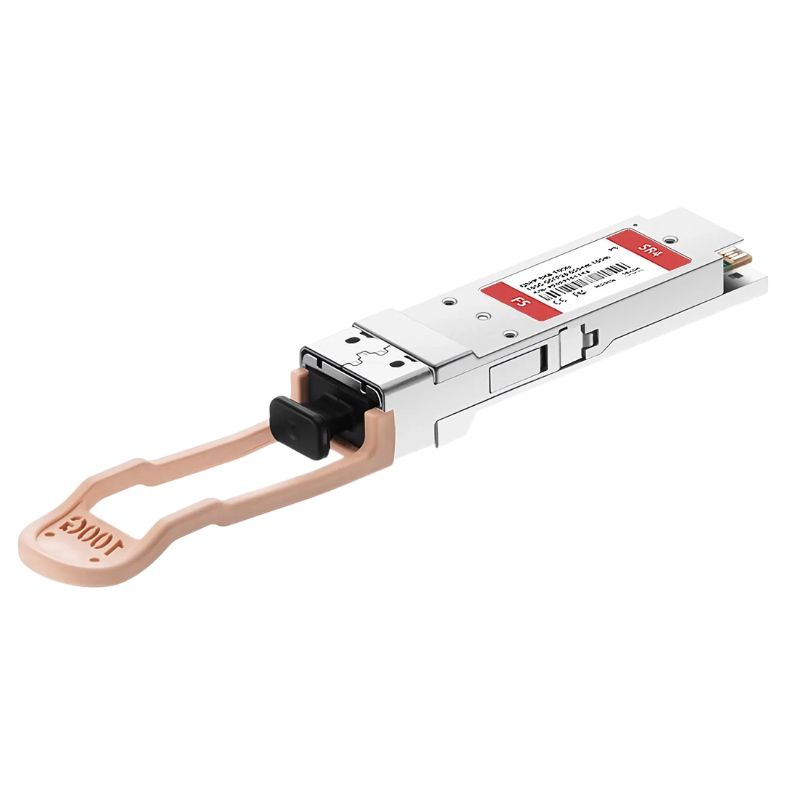


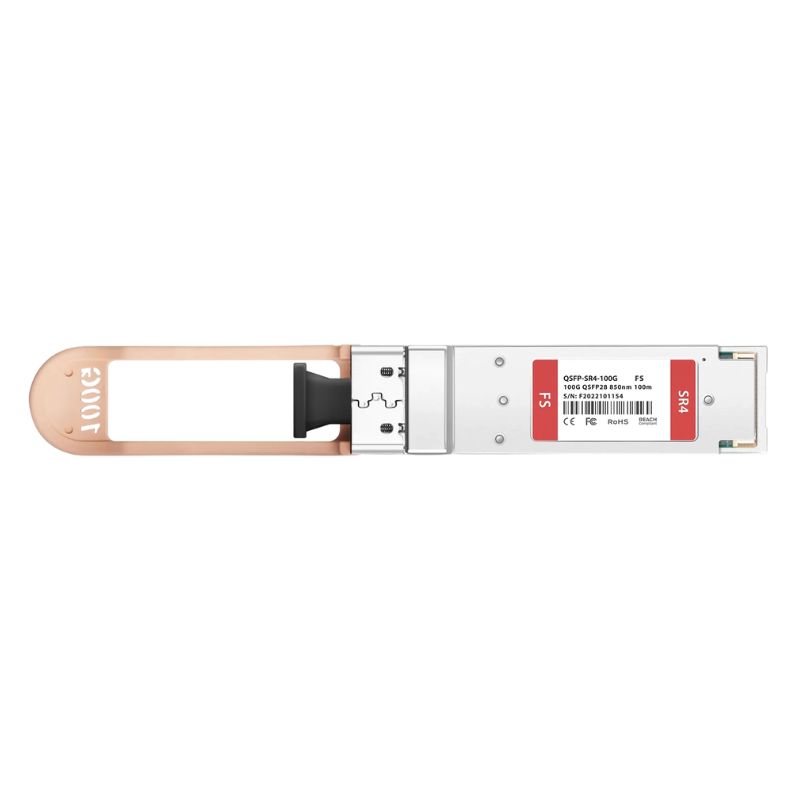
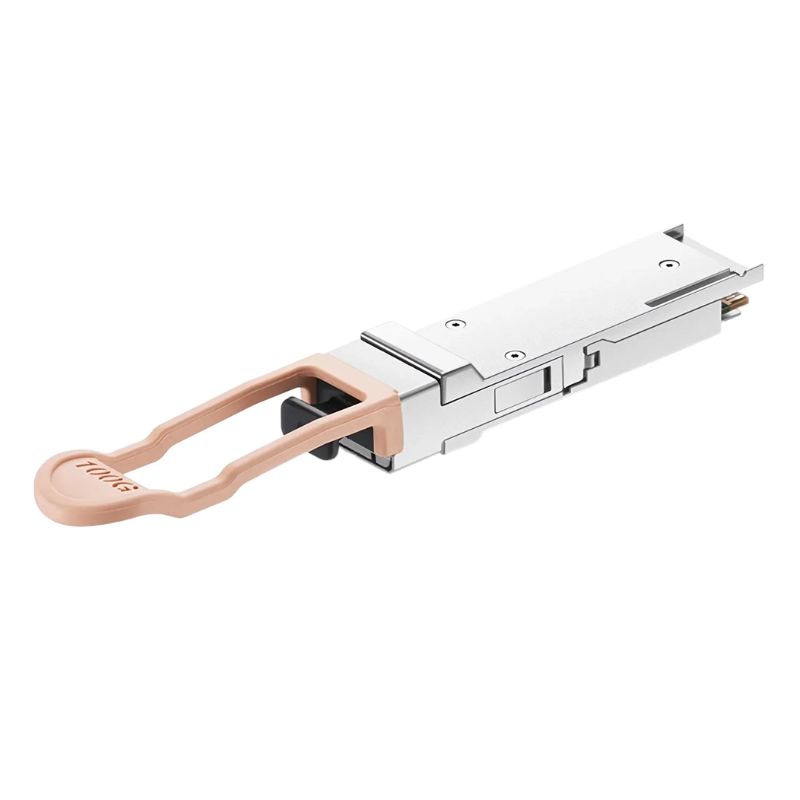
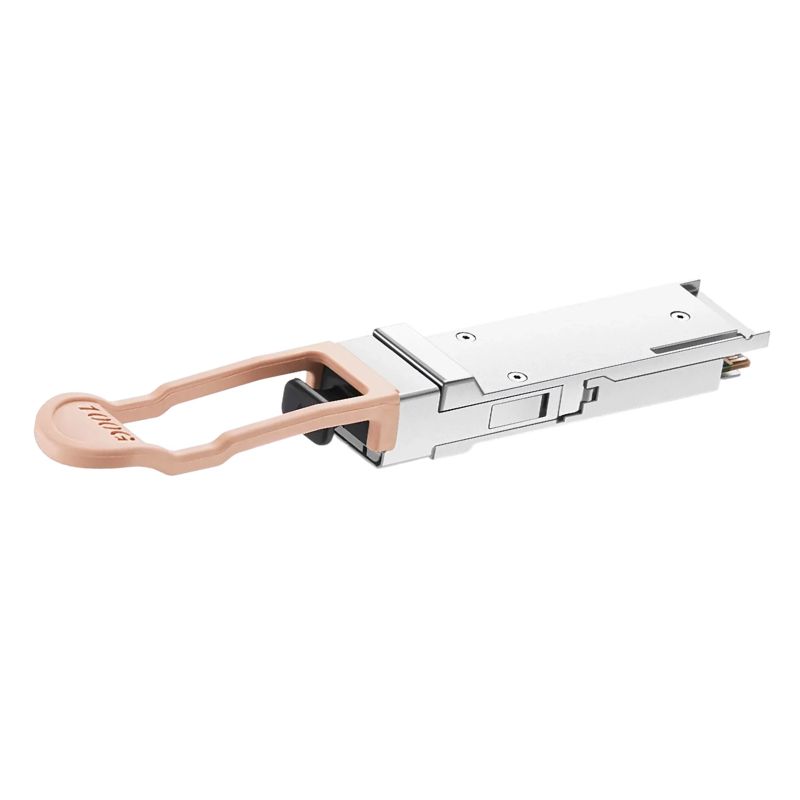
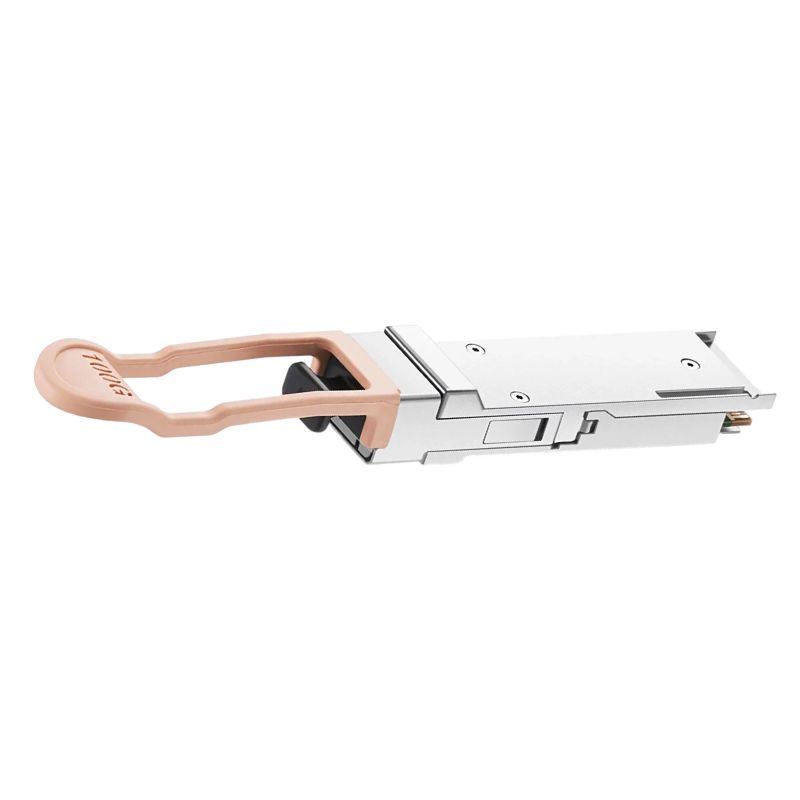
Dell 2X15K 100GbE QSFP28 SR4 MPO MMF Transceiver. New Sealed in Box (NIB) with 1 year Replacement Warranty
Overview of the 100GbE Transceiver
The 2X15K Dell 100GbE QSFP28 SR4 MPO MMF Transceiver category represents a high-performance optical networking solution engineered for modern high-density data center environments, enterprise core networks, and cloud-scale infrastructure. Built to support 100 Gigabit Ethernet (100GbE) transmission speeds, this transceiver class leverages QSFP28 form factor technology combined with SR4 multimode fiber (MMF) architecture and MPO optical connectors to deliver ultra-fast, low-latency, and energy-efficient data transmission over short-range distances.
The Compatible networking hardware, especially from these transceivers are widely deployed in spine-leaf architectures, high-performance computing clusters, and virtualization-heavy environments where bandwidth density and port efficiency are critical. The “2X15K” designation typically refers to optimized internal inventory or OEM classification within Dell-compatible optical module families, ensuring streamlined procurement and deployment in enterprise-grade systems.
QSFP28 (Quad Small Form-Factor Pluggable 28) is the backbone interface supporting this transceiver category. It is engineered to carry four independent high-speed electrical lanes, each operating at 25Gbps, combining to deliver an aggregate throughput of 100Gbps. This architecture ensures high port density while minimizing physical space requirements on switches and routers.
The QSFP28 form factor is backward-compatible with earlier QSFP standards in many systems and provides hot-swappable functionality, enabling network administrators to upgrade or replace modules without system downtime. This makes it a preferred choice in mission-critical environments where continuous uptime is essential.
SR4 (Short Range 4-lane) technology is a key element of this transceiver category. It utilizes four parallel optical lanes for both transmitting and receiving data. Each lane operates over multimode fiber, typically at 850nm wavelength, allowing high-speed short-reach communication up to approximately 100 meters depending on fiber grade.
This parallel optics system significantly improves bandwidth efficiency while maintaining low power consumption compared to long-range optical solutions. SR4 modules are ideal for intra-data center connectivity where devices are located within the same rack or adjacent racks.
Multi-Fiber Push-On (MPO) connectors are an essential component of the 100GbE SR4 transceiver ecosystem. These connectors support multiple optical fibers within a single compact interface, typically 8 or 12 fibers, enabling parallel data transmission across multiple channels simultaneously.
The MPO interface reduces cable clutter, improves airflow within racks, and simplifies structured cabling systems. It also enhances scalability by allowing easy migration from 40GbE to 100GbE and beyond without major infrastructure changes.
Multimode fiber is specifically designed for short-range, high-bandwidth transmission. The core diameter of MMF (commonly 50/125µm OM3 or OM4) allows multiple light modes to propagate simultaneously. This makes it highly suitable for SR4-based 100GbE applications.
OM4 fiber is typically preferred for 100GbE SR4 deployments due to its extended reach capabilities and improved modal bandwidth performance. This ensures consistent signal integrity and reduced attenuation across short-distance data center links.
The primary advantage of the 2X15K Dell 100GbE QSFP28 SR4 MPO MMF Transceiver category is its ability to deliver consistent 100Gbps throughput. This level of performance is essential for modern workloads such as real-time analytics, virtualization, machine learning pipelines, and cloud computing services.
By distributing traffic across four independent optical lanes, the SR4 architecture reduces congestion and ensures balanced data transmission. This parallel processing approach significantly improves network efficiency and reduces bottlenecks in high-demand environments.
Latency-sensitive applications benefit greatly from SR4 transceivers due to their minimal signal processing overhead. Since data is transmitted in parallel over short distances, propagation delays are significantly reduced compared to long-reach optical modules.
This deterministic performance is particularly valuable in financial trading systems, high-frequency computing clusters, and real-time communication platforms where microsecond-level delays can impact system outcomes.
Modern data centers frequently adopt spine-leaf network topologies to ensure scalability and redundancy. The 2X15K Dell 100GbE QSFP28 SR4 MPO MMF Transceiver category plays a central role in connecting leaf switches to spine switches, enabling high-bandwidth, non-blocking network fabrics.
This architecture supports horizontal scaling, allowing organizations to expand compute and storage resources without redesigning the entire network infrastructure.
HPC environments require ultra-fast interconnects between compute nodes. SR4 transceivers enable rapid data exchange between servers in tightly coupled clusters, supporting workloads such as scientific simulations, AI training models, and large-scale data modeling.
Virtualized environments demand high bandwidth to support virtual machine migration, storage replication, and container orchestration. 100GbE SR4 modules ensure that virtualized workloads operate smoothly without network congestion or performance degradation.
Modern storage systems increasingly rely on high-speed Ethernet-based transport protocols such as NVMe-oF. The high throughput and low latency of SR4 transceivers make them ideal for connecting storage arrays, backup systems, and distributed storage clusters.
This transceiver category is designed to integrate seamlessly with a wide range of Dell networking switches, routers, and optical transport systems. Compatibility ensures optimized performance, firmware recognition, and full support within Dell-managed network ecosystems.
Beyond vendor-specific compatibility, QSFP28 SR4 modules adhere to IEEE Ethernet standards, ensuring interoperability with compliant third-party networking equipment. This flexibility enables hybrid network deployments and phased infrastructure upgrades.
One of the key operational advantages of QSFP28 SR4 transceivers is hot-swappability. Network engineers can insert or remove modules without powering down the switch, significantly reducing maintenance downtime and improving operational efficiency.
Proper handling of MPO fiber cables is critical for maintaining signal integrity. Connectors should be kept clean and protected from dust contamination. Alignment pins must be correctly positioned to ensure accurate fiber mating and prevent insertion loss.
The compact QSFP28 design allows multiple 100GbE ports within a single switch chassis, maximizing bandwidth per rack unit. This is essential for modern hyperscale data centers where space optimization directly impacts operational cost efficiency.
Compared to long-range single-mode fiber solutions, SR4 multimode transceivers offer a more cost-effective option for short-distance connectivity. The use of MMF infrastructure reduces deployment costs while maintaining high performance.
These transceivers are designed with low-power optical components, reducing overall energy consumption within networking environments. Improved thermal efficiency also contributes to better rack cooling performance and reduced operational overhead.
The 100GbE SR4 architecture aligns with IEEE 802.3bm standards, which define high-speed Ethernet transmission over optical fiber. Compliance ensures reliable interoperability and consistent performance across certified networking equipment.
Modern optical transceivers are designed to meet environmental compliance regulations such as RoHS (Restriction of Hazardous Substances), ensuring reduced environmental impact and safer electronic manufacturing practices.
When deploying SR4 transceivers, network designers must consider fiber length limitations. Typical maximum distances range from 70 to 100 meters depending on fiber grade and installation quality. Proper cable management ensures optimal signal performance.
Organizations planning network expansion should consider SR4 modules as part of a scalable architecture. Their compatibility with existing QSFP28 infrastructure allows incremental upgrades without full system replacement.
Deploying multiple SR4 links within redundant topologies ensures high availability. In the event of a link failure, traffic can be rerouted through alternate paths without service interruption.
Edge computing environments benefit from compact, high-bandwidth solutions. SR4 modules provide the necessary performance for localized processing centers closer to end users, reducing latency and improving response times.
While 100GbE remains a standard in many infrastructures, SR4 technology serves as a foundation for future upgrades to 200GbE and 400GbE systems through parallel optical scaling and improved fiber technologies.


 Contact Us
 Information
 Catalog
 Solid State Drives (SSD)
 Network Switches
 Hard Disk Drives
 HBA & Controllers
 PC & Servers
 PC & Server Memory
 CPU & Processors
 Network Routers
 Power Supplies
 Tape Drives & Libraries
 Network Devices
 Computer & Network Cables