(7% discount is applied at checkout)
Cart is empty
Your go-to destination for cutting-edge server products
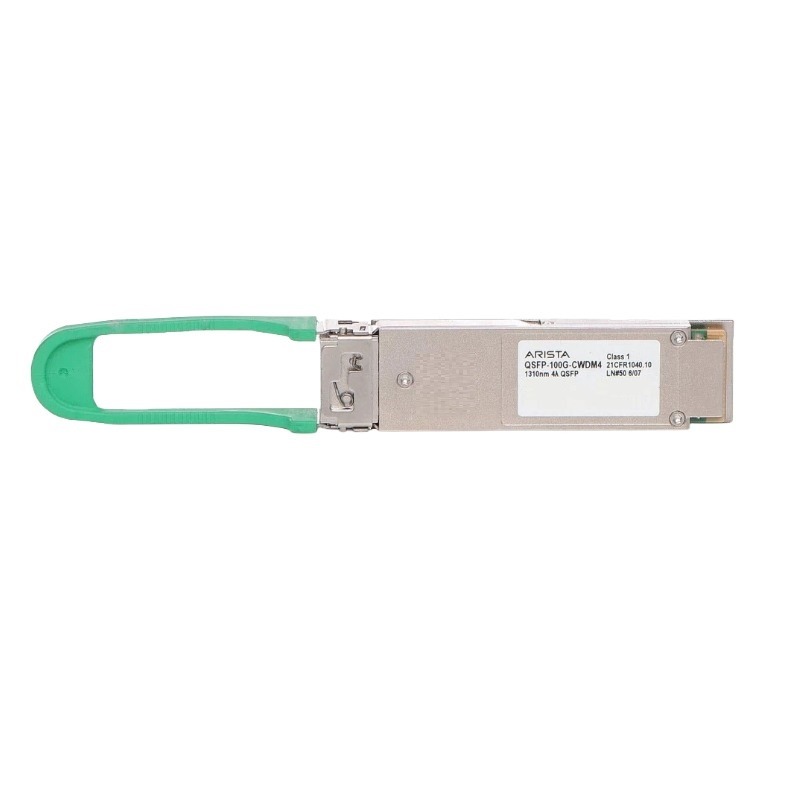


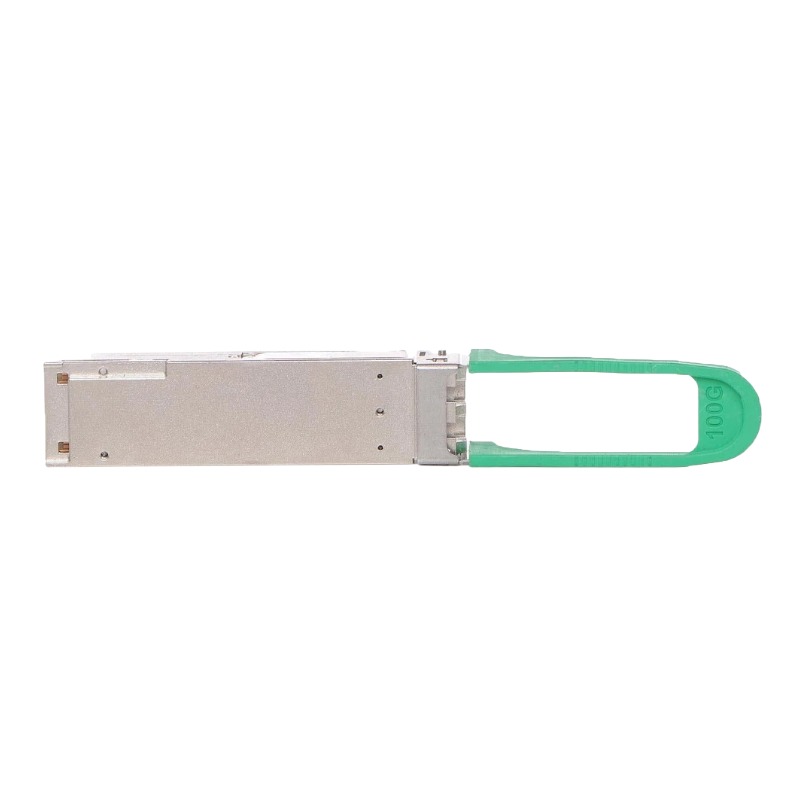
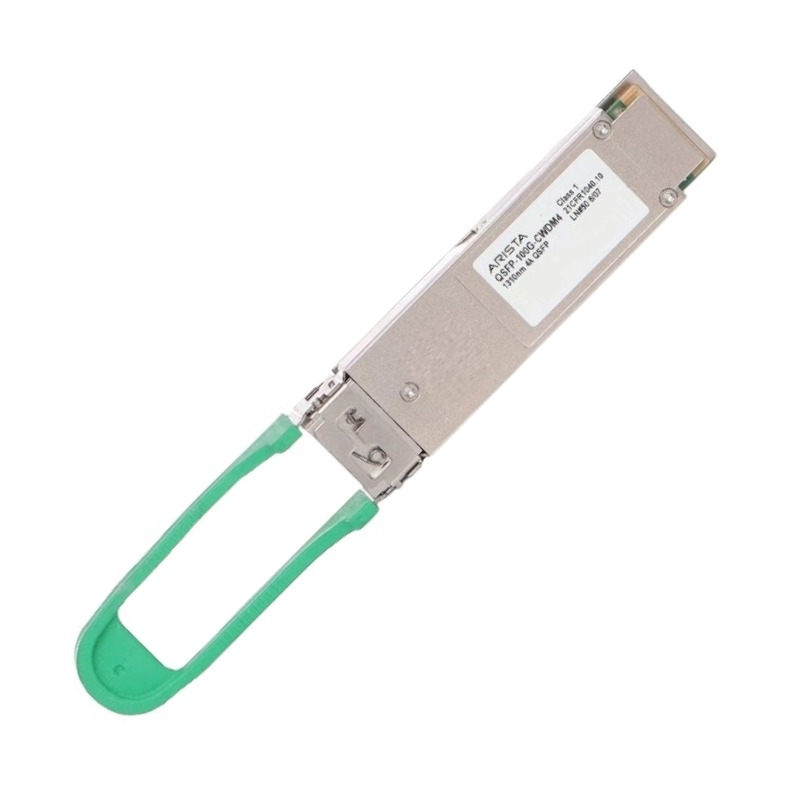
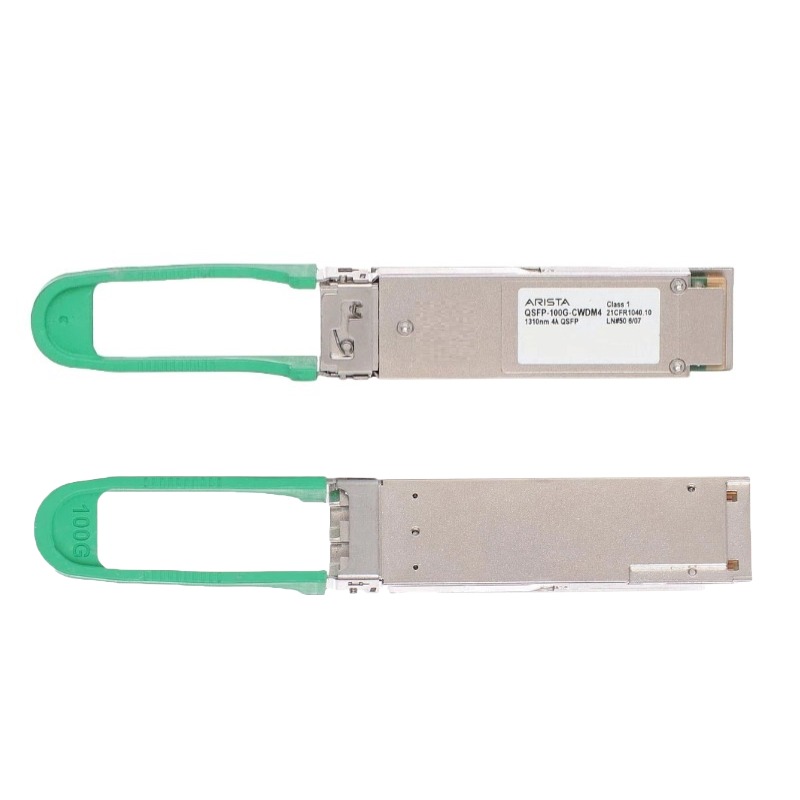
Arista XVR-10223-21 QSFP-100G-FR 100GBASE-FR 1310NM QSFP28 Transceiver Module. Excellent Refurbished with 1 Year Replacement Warranty
The Arista XVR-10223-21 is a high-performance 100G optical transceiver designed for next-generation data center and enterprise networking. Manufactured by this QSFP28 module delivers reliable 100 Gigabit Ethernet connectivity using 100GBASE-FR single-lambda technology over single-mode fiber.
The Arista XVR-10223-21 QSFP-100G-FR 100GBASE-FR 1310NM QSFP28 transceiver module represents a high-performance optical networking component designed for next-generation data center interconnects, cloud-scale architectures, and high-bandwidth enterprise environments. Built on the QSFP28 form factor, this 100GBASE-FR optical transceiver delivers efficient, low-latency data transmission across single-mode fiber infrastructure, supporting demanding workloads that require stable, high-capacity optical communication between network switches, routers, and transport systems.
This category of optical transceiver modules is engineered to meet the exponential growth of data traffic in modern networks, particularly in environments where virtualization, cloud computing, AI workloads, and large-scale storage systems require consistent 100 Gigabit Ethernet connectivity. The XVR-10223-21 is optimized for FR (Four Hundred meter Reach / FR designation depending on implementation standards) and operates at a 1310nm wavelength, ensuring optimal balance between reach, efficiency, and signal integrity.
QSFP28, which stands for Quad Small Form-Factor Pluggable 28, is a widely adopted interface standard used in 100G Ethernet applications. The architecture integrates four high-speed electrical lanes, each capable of 25Gbps transmission, combining to achieve a total aggregate throughput of 100Gbps. The Arista XVR-10223-21 leverages this architecture to ensure seamless interoperability with compatible Arista switching platforms and broader QSFP28-supported ecosystems.
The QSFP28 design emphasizes compact size, high port density, and reduced power consumption, making it ideal for hyperscale data centers where rack space optimization and thermal efficiency are critical. Its hot-pluggable nature enables network administrators to deploy or replace modules without interrupting system operations, significantly enhancing uptime and operational flexibility.
The 100GBASE-FR standard is part of the IEEE 802.3 family of Ethernet specifications, designed specifically for 100 Gigabit per second transmission over single-mode fiber using a single wavelength. Unlike multi-lane optical standards, 100GBASE-FR typically uses advanced modulation techniques such as PAM4 (Pulse Amplitude Modulation 4-level) to encode data efficiently within limited spectral bandwidth.
This enables the Arista XVR-10223-21 to deliver high-speed connectivity over distances suitable for intra-data center and inter-rack communication. The FR variant is particularly optimized for medium-reach applications where performance stability and signal integrity must be maintained across structured fiber deployments.
Operating at a wavelength of 1310 nanometers, the Arista XVR-10223-21 ensures reduced chromatic dispersion over single-mode fiber compared to shorter wavelength alternatives. This contributes to improved signal clarity and reduced bit error rates across longer transmission distances. The 1310nm window is widely used in data center interconnects due to its balance between reach capability and optical attenuation characteristics.
One of the key advantages of the 1310nm wavelength is its ability to maintain low attenuation across standardized single-mode fiber infrastructure. This ensures that optical signals retain strength and integrity, reducing the need for intermediate signal amplification or regeneration in typical deployment scenarios.
The module is designed to operate efficiently over standard single-mode fiber (SMF), making it suitable for enterprise and hyperscale environments where existing fiber infrastructure is widely deployed. This reduces deployment complexity and enables seamless integration into existing network topologies without significant physical layer modifications.
The XVR-10223-21 is engineered to operate within Arista’s high-performance switching ecosystem, ensuring full compatibility with Arista EOS (Extensible Operating System) powered devices. This tight integration allows for advanced telemetry, performance monitoring, and seamless configuration management within large-scale network environments.
While optimized for Arista platforms, the module also maintains interoperability with other standards-compliant QSFP28 interfaces, enabling its use in multi-vendor network architectures. This flexibility is essential for enterprises transitioning between network vendors or operating hybrid infrastructures.
The module supports Digital Diagnostics Monitoring (DDM), providing real-time insights into optical performance parameters such as temperature, laser bias current, transmitted optical power, and received optical power. These metrics enable proactive network maintenance and improved fault detection capabilities.
In cloud computing environments, the Arista XVR-10223-21 supports the massive east-west traffic flows between compute nodes, storage arrays, and distributed application layers. Its 100G bandwidth capacity ensures that data-intensive workloads such as virtualization, container orchestration, and distributed databases operate efficiently without network congestion.
High-performance computing clusters require extremely low-latency and high-throughput interconnects. The QSFP28 FR transceiver enables these environments to maintain deterministic performance characteristics, ensuring that computational workloads can scale across multiple nodes without communication bottlenecks.
Within enterprise network architectures, the module is commonly deployed in core and aggregation layers where large volumes of traffic are consolidated. Its ability to handle sustained 100G throughput makes it ideal for backbone links between data centers, campus networks, and enterprise WAN edge systems.
The Arista XVR-10223-21 is designed with energy efficiency in mind, minimizing power consumption while maintaining high optical performance. This is particularly important in large-scale deployments where hundreds or thousands of transceivers may be deployed simultaneously.
In dense switch configurations, heat dissipation becomes a critical factor. The QSFP28 form factor is optimized for thermal balance, ensuring that the module operates reliably within specified temperature ranges even under sustained high-throughput conditions.
Efficient thermal design contributes directly to system stability by reducing the risk of performance degradation caused by overheating. This ensures that network uptime is maintained even in challenging environmental conditions.
The XVR-10223-21 is intended for use with single-mode fiber, which provides the necessary characteristics for long-distance and high-bandwidth optical transmission. Single-mode fiber ensures minimal signal distortion and supports the precise transmission requirements of 100GBASE-FR standards.
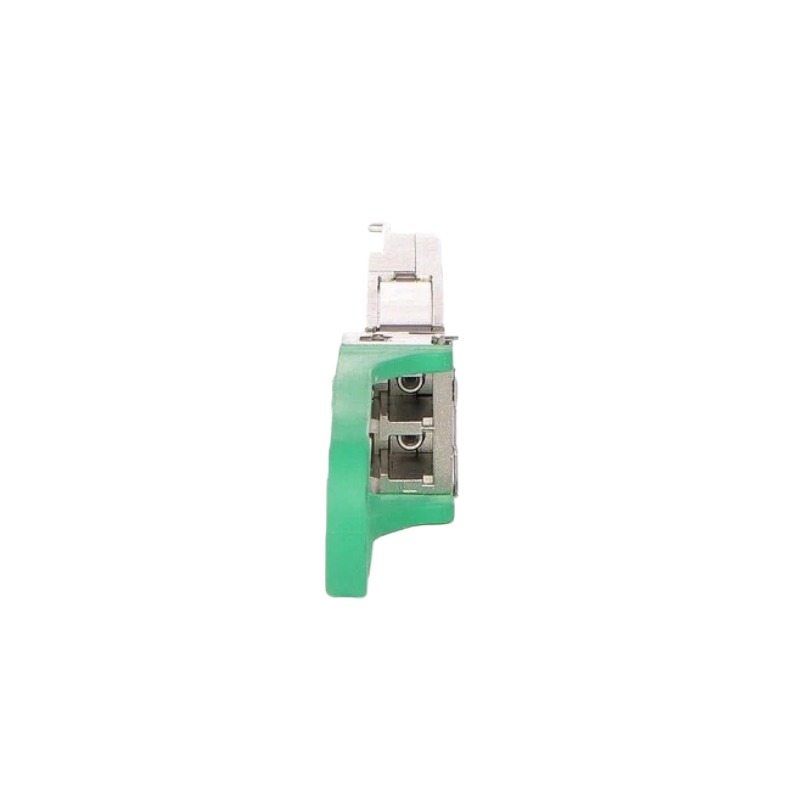
The module typically utilizes LC duplex connectors, ensuring standardized connectivity across modern fiber installations. These connectors provide low insertion loss and high repeatability, which are critical for maintaining consistent network performance.
Proper fiber selection and installation practices ensure that signal dispersion and attenuation remain within acceptable thresholds. The module’s optical design is optimized to complement these infrastructure requirements, delivering stable performance across supported distances.
Within the 100G optical ecosystem, several variants exist including DR (Direct Reach), FR (Four Hundred meter Reach), and LR (Long Reach). The FR variant represented by the XVR-10223-21 occupies a balanced position between short-reach high-density interconnects and long-reach campus or metro connectivity.
The FR standard is particularly suitable for data center interconnects where moderate distances must be covered without sacrificing latency or increasing complexity through additional optical components. It provides a cost-effective and efficient solution for scaling 100G networks.
By utilizing advanced modulation schemes such as PAM4, the FR category maximizes spectral efficiency, allowing more data to be transmitted over a single wavelength compared to older NRZ-based systems. This contributes to overall network scalability.
In modern network design, maximizing port density while maintaining performance is essential. The QSFP28 form factor enables multiple 100G ports to be deployed within a single switch chassis, supporting scalable architectures in enterprise and hyperscale environments.
As cloud infrastructure continues to expand, the need for scalable and efficient optical interconnects increases. The XVR-10223-21 provides a foundation for building flexible and expandable network topologies capable of supporting future bandwidth demands.
Investing in 100G QSFP28 FR technology allows organizations to future-proof their infrastructure against increasing bandwidth requirements, ensuring compatibility with evolving network standards and application demands.
The module is designed to operate within standard data center environmental conditions, maintaining performance stability across regulated temperature ranges. This ensures reliability in both air-cooled and advanced liquid-cooled infrastructures.
Long-term reliability is a key factor in optical transceiver selection. The Arista XVR-10223-21 is built to sustain continuous operation in high-demand environments, ensuring consistent network availability over extended deployment cycles.
The internal optical and electrical components are engineered for durability, reducing the likelihood of performance degradation over time and supporting mission-critical network operations.


 Contact Us
 Information
 Catalog
 Solid State Drives (SSD)
 Network Switches
 Hard Disk Drives
 HBA & Controllers
 PC & Servers
 PC & Server Memory
 CPU & Processors
 Network Routers
 Power Supplies
 Tape Drives & Libraries
 Network Devices
 Computer & Network Cables