(7% discount is applied at checkout)
Cart is empty
Your go-to destination for cutting-edge server products
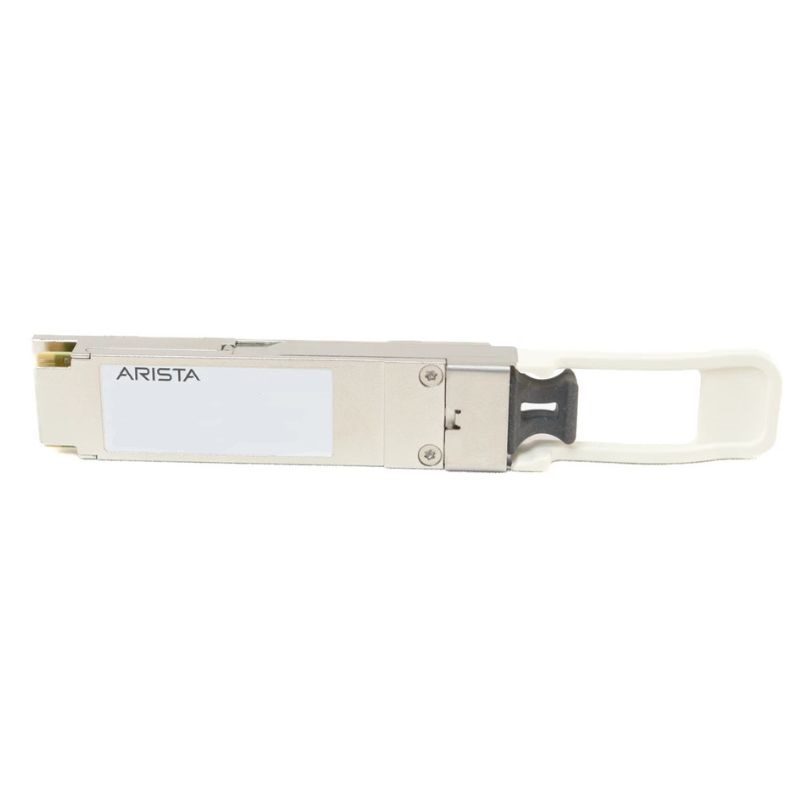


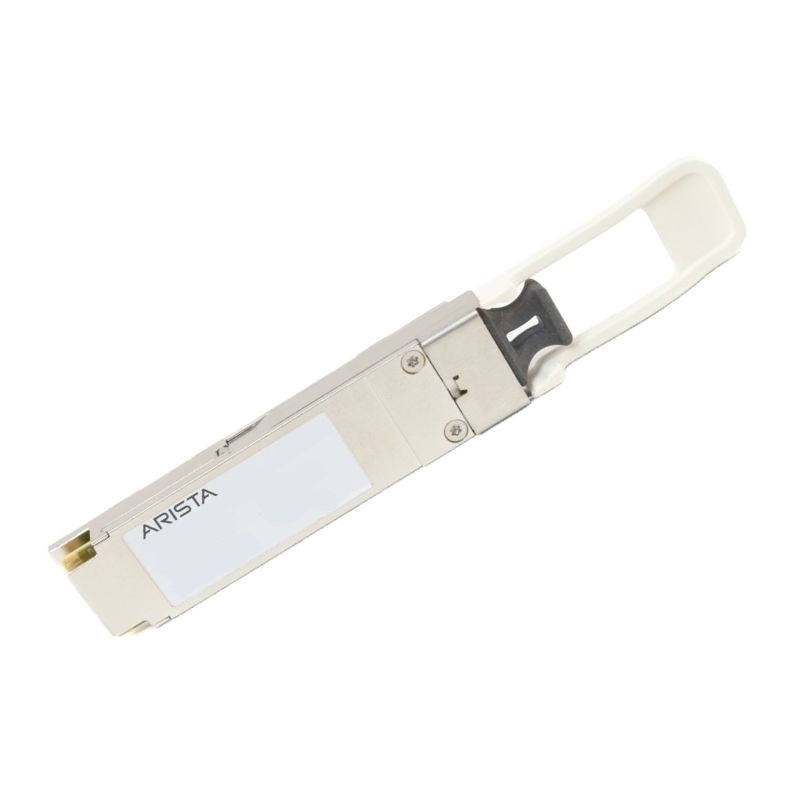
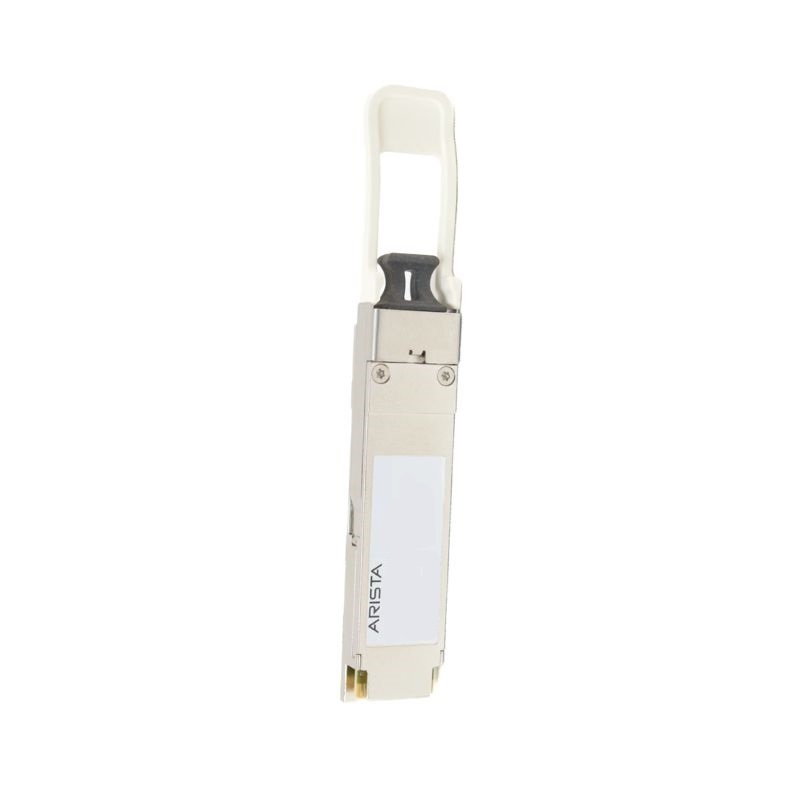
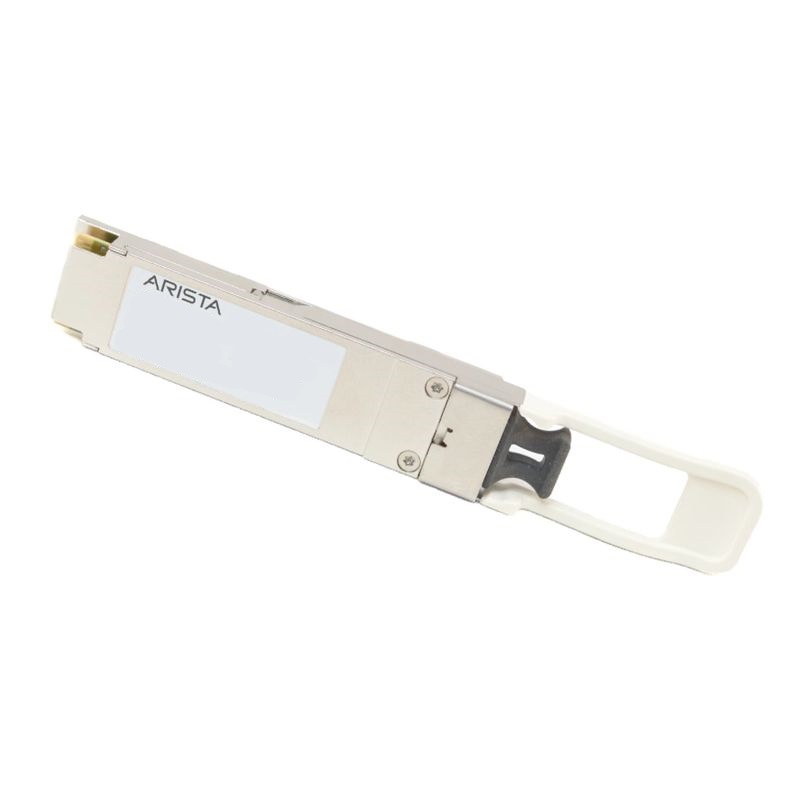
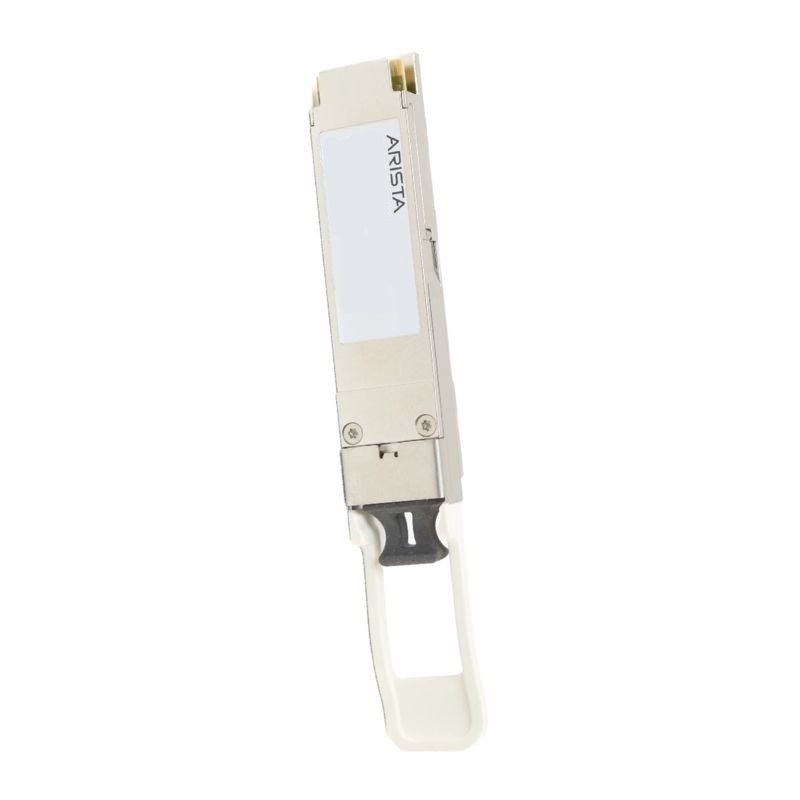
Arista QSFP-100G-DZ2-35 100G DWDM QSFP Single-mode Fiber Transceiver XCVR. New Sealed with 1 Year Replacement Warranty
The Arista QSFP-100G-DZ2-35 is a high-performance 100G DWDM QSFP optical transceiver engineered for enterprise networking, data center connectivity, and high-bandwidth telecommunications environments. Designed for reliable long-distance optical communication, this advanced transceiver module delivers exceptional signal integrity, energy efficiency, and dependable high-speed data transmission across single-mode fiber infrastructure.
The Arista QSFP-100G-DZ2-35 100G DWDM QSFP Single-mode Fiber Transceiver XCVR is engineered for high-capacity optical networking environments that require dependable long-distance data transmission, low latency communication, and advanced wavelength division multiplexing functionality. Designed to support modern enterprise networks, hyperscale data centers, carrier-grade infrastructure, and cloud networking platforms, this optical module delivers high-speed connectivity with superior signal integrity across single-mode fiber infrastructure.
As network bandwidth requirements continue to expand because of virtualization, artificial intelligence workloads, edge computing, cloud applications, and real-time analytics, organizations increasingly depend on 100G optical transceivers that provide consistent performance under demanding conditions. The Arista QSFP-100G-DZ2-35 module addresses these operational requirements by integrating Dense Wavelength Division Multiplexing technology into a compact QSFP form factor optimized for high-density networking environments.
The combination of DWDM optical capabilities and 100 Gigabit Ethernet throughput enables enterprises and telecommunications providers to maximize fiber utilization while reducing infrastructure complexity. By transmitting multiple wavelengths over a single strand of fiber, DWDM technology dramatically improves network scalability and transmission efficiency. This makes the transceiver suitable for metro networking, data center interconnect deployments, disaster recovery connectivity, and long-haul optical transport environments.
The transceiver supports 100 Gigabit Ethernet communication using advanced optical modulation technologies that enhance transmission reliability and improve signal quality. High-speed optical communication requires precise engineering to minimize packet loss, reduce transmission errors, and maintain stable throughput under heavy traffic conditions. The Arista QSFP-100G-DZ2-35 module is built to satisfy these demanding operational standards.
Modern data center architectures depend heavily on scalable 100G connectivity to support virtualization clusters, distributed storage systems, high-performance computing workloads, and software-defined networking environments. The QSFP transceiver enables rapid data movement between network switches, routers, aggregation layers, and storage platforms while maintaining low power consumption and efficient thermal performance.
Dense Wavelength Division Multiplexing technology significantly increases the amount of data that can travel over a single optical fiber connection. Instead of dedicating one fiber pair to a single communication channel, DWDM systems allow multiple wavelengths to coexist simultaneously. This approach maximizes fiber utilization while minimizing the need for additional physical cabling infrastructure.
The Arista QSFP-100G-DZ2-35 optical transceiver is optimized for DWDM environments where high-capacity transport networks require scalable optical connectivity. Service providers, cloud operators, and enterprise networking teams benefit from the ability to expand bandwidth without extensive fiber deployment projects. This operational flexibility contributes to lower infrastructure costs and improved long-term network scalability.
Single-mode fiber infrastructure plays a critical role in modern high-speed networking environments because it supports longer transmission distances and reduced signal attenuation compared to multimode alternatives. The Arista QSFP-100G-DZ2-35 transceiver is specifically designed for single-mode fiber applications where reliable long-range optical communication is essential.
Single-mode optical technology uses a smaller core diameter that enables light signals to travel with minimal dispersion. This characteristic allows the transceiver to maintain signal integrity over extended distances, making it ideal for inter-campus networking, metropolitan area networks, cloud connectivity, and regional optical transport systems.
Organizations implementing single-mode fiber networks gain access to improved scalability, reduced attenuation, and future-ready bandwidth capacity. The Arista QSFP-100G-DZ2-35 module complements these advantages by delivering high-speed optical communication optimized for demanding networking conditions.
Unlike legacy copper-based infrastructure, single-mode optical networking supports significantly higher throughput with minimal electromagnetic interference. This contributes to enhanced reliability in environments with dense networking equipment, industrial electrical systems, and large-scale data processing operations.
Signal attenuation is a major concern in long-range optical communication. The transceiver incorporates advanced optical components engineered to minimize signal degradation and preserve transmission quality across extensive fiber routes. This capability is especially valuable for organizations operating geographically distributed infrastructure.
High-quality optical transmission improves application responsiveness, reduces retransmission events, and ensures stable connectivity for mission-critical workloads. Financial institutions, cloud providers, media companies, and telecommunications carriers often rely on this level of transmission reliability to maintain uninterrupted operations.
High-density networking environments require transceivers capable of operating efficiently under significant thermal and bandwidth pressure. The compact QSFP design enables networking teams to deploy multiple 100G interfaces within a limited rack footprint while maintaining proper airflow and thermal management.
The Arista QSFP-100G-DZ2-35 module is engineered to support dense switch deployments commonly found in enterprise core networks, hyperscale data centers, and carrier transport systems. Efficient thermal dissipation helps maintain stable performance and extends hardware longevity in demanding operational conditions.
The Quad Small Form-factor Pluggable architecture has become a widely adopted standard for high-speed networking because it combines compact dimensions with exceptional bandwidth capabilities. The Arista QSFP-100G-DZ2-35 transceiver leverages this standardized form factor to provide simplified deployment, compatibility, and operational flexibility.
Hot-swappable functionality allows network administrators to replace or upgrade optical modules without shutting down network equipment. This feature minimizes service disruption during maintenance activities and contributes to improved network uptime.
Data centers increasingly require higher port density to support virtualization, cloud computing, and scalable application delivery. The QSFP form factor allows organizations to maximize switch port utilization while minimizing physical rack consumption.
Efficient space utilization is particularly important in colocation facilities and hyperscale environments where rack capacity directly influences operational costs. By integrating multiple high-speed interfaces within compact hardware platforms, enterprises can achieve better scalability without excessive infrastructure expansion.
The transceiver can be deployed across multiple networking layers including core switching, aggregation infrastructure, spine-leaf architectures, and optical transport systems. This versatility simplifies network standardization and reduces compatibility concerns during infrastructure expansion projects.
Flexible deployment options enable organizations to optimize bandwidth distribution according to application requirements, workload patterns, and traffic priorities. This adaptability supports dynamic network architectures commonly associated with modern software-defined environments.
Data center interconnect connectivity has become increasingly important as organizations distribute workloads across multiple facilities for redundancy, scalability, and disaster recovery. The Arista QSFP-100G-DZ2-35 transceiver supports high-capacity interconnect communication designed for modern distributed computing environments.
Interconnecting geographically separated data centers requires reliable optical transmission with consistent latency characteristics and strong bandwidth performance. The transceiver enables rapid synchronization of storage systems, replication platforms, virtual machine clusters, and cloud workloads.
Cloud computing environments generate massive east-west traffic patterns that require scalable networking infrastructure capable of supporting continuous data movement. The 100G DWDM transceiver facilitates efficient communication between cloud nodes, virtualization clusters, and storage arrays.
Virtualized environments demand low-latency connectivity to maintain application responsiveness and optimize workload distribution. High-bandwidth optical communication reduces congestion while supporting dynamic resource allocation across distributed infrastructure.
Artificial intelligence and machine learning platforms process enormous data volumes that require high-speed interconnectivity between compute resources and storage systems. The Arista QSFP-100G-DZ2-35 optical module provides the bandwidth capacity necessary to support AI model training, inference operations, and distributed analytics workloads.
High-performance optical networking improves data transfer efficiency within GPU clusters and distributed computing environments. Faster communication between compute nodes contributes to improved processing performance and reduced training times for machine learning applications.
Organizations implementing disaster recovery strategies depend on reliable long-distance connectivity between primary and secondary facilities. The transceiver supports continuous replication, backup synchronization, and failover communication necessary for resilient infrastructure design.
Reliable optical transmission ensures that mission-critical data remains synchronized across geographically separated environments. This level of connectivity is essential for minimizing downtime and maintaining operational continuity during infrastructure disruptions.
Telecommunications providers require scalable optical networking technologies capable of supporting exponential bandwidth growth. The Arista QSFP-100G-DZ2-35 module integrates seamlessly into DWDM transport systems used for metropolitan, regional, and long-haul communication networks.
Carrier-grade infrastructure must maintain stable performance while supporting diverse traffic types including internet transit, cloud connectivity, mobile communication backhaul, and enterprise services. The transceiver contributes to these objectives by enabling efficient high-capacity optical communication across dense fiber networks.
Metropolitan area networks connect multiple facilities within urban environments where bandwidth demand continues to increase rapidly. DWDM-enabled transceivers help network operators expand capacity without deploying additional fiber infrastructure.
Metro networking environments benefit from the ability to multiplex multiple wavelengths onto existing fiber routes. This strategy reduces infrastructure expansion costs while enabling rapid bandwidth scaling in densely populated service areas.
Internet service providers and telecommunications operators require scalable infrastructure capable of adapting to evolving customer demands. The Arista QSFP-100G-DZ2-35 transceiver supports scalable bandwidth growth while maintaining efficient fiber utilization.
As streaming media, cloud applications, remote work platforms, and connected devices continue to drive network traffic expansion, optical scalability becomes increasingly important. DWDM transceivers provide a practical solution for accommodating this sustained growth.
Reliable network performance is essential for maintaining business operations, application availability, and customer satisfaction. The Arista QSFP-100G-DZ2-35 module is engineered to deliver consistent optical performance in demanding networking conditions.
Stable signal transmission helps reduce packet retransmissions, network interruptions, and application latency. This contributes to improved operational efficiency across enterprise, cloud, and carrier networking environments.
High-speed optical modules generate heat during continuous operation, especially in dense switch environments. Effective thermal management is critical for maintaining signal integrity and preventing hardware degradation.
The transceiver incorporates advanced thermal engineering techniques that improve airflow efficiency and support stable operation under heavy network loads. Proper temperature regulation extends component lifespan and contributes to long-term infrastructure reliability.
Mission-critical applications require networking components capable of supporting uninterrupted operation over extended periods. The transceiver is designed for continuous use in enterprise core networks, cloud facilities, and telecommunications infrastructure where downtime can significantly impact business operations.
Reliable hardware performance reduces maintenance frequency, minimizes operational disruptions, and improves overall infrastructure efficiency. Organizations benefit from predictable connectivity and consistent network availability.
The Arista QSFP-100G-DZ2-35 transceiver is engineered for integration with compatible Arista networking equipment including high-performance switches, routing platforms, and data center infrastructure systems. Compatibility optimization helps ensure stable communication, simplified deployment, and reliable operational performance.
Arista networking ecosystems are widely recognized for supporting low-latency communication, cloud networking architectures, and scalable automation frameworks. Integrating optimized optical modules within these environments helps maintain consistent performance across interconnected systems.
Cloud networking environments depend on high-throughput connectivity to support virtualized applications, distributed computing platforms, and dynamic resource allocation. The 100G DWDM transceiver provides the bandwidth capacity necessary for modern cloud infrastructure.
High-speed optical communication contributes to improved workload mobility, efficient traffic management, and scalable service delivery across cloud platforms. This capability is particularly important for organizations implementing hybrid cloud and multi-cloud networking strategies.
Spine-leaf architectures are commonly deployed in modern data centers because they provide scalable east-west communication and predictable network latency. The transceiver supports these architectures by enabling high-capacity links between spine and leaf switches.
Efficient optical interconnectivity improves application responsiveness, reduces congestion, and enhances workload distribution efficiency. This contributes to improved overall network performance in highly virtualized environments.
Maintaining optical signal integrity is critical for achieving reliable high-speed communication across long-distance fiber infrastructure. The Arista QSFP-100G-DZ2-35 transceiver incorporates advanced optical technologies designed to minimize signal distortion and maintain transmission quality.
Signal optimization techniques help reduce bit error rates, improve communication stability, and support consistent throughput under varying network conditions. This is especially important in environments with dense optical traffic and extensive transmission distances.
Low-latency networking is essential for real-time applications including financial trading systems, cloud gaming platforms, media streaming services, and distributed analytics environments. The transceiver supports rapid optical communication designed to minimize transmission delays.
Reduced latency improves user experience, accelerates application responsiveness, and enhances synchronization efficiency between distributed systems. Organizations operating performance-sensitive workloads benefit significantly from optimized optical communication infrastructure.
Modern networks frequently encounter unpredictable traffic patterns caused by virtualization, cloud workloads, and large-scale data processing activities. The transceiver is engineered to maintain stable throughput performance even during periods of elevated network utilization.
Consistent bandwidth delivery contributes to improved service reliability and helps prevent network bottlenecks that could impact application performance. This operational stability is essential for enterprise and carrier networking environments that require continuous high-capacity communication.


 Contact Us
 Information
 Catalog
 Solid State Drives (SSD)
 Network Switches
 Hard Disk Drives
 HBA & Controllers
 PC & Servers
 PC & Server Memory
 CPU & Processors
 Network Routers
 Power Supplies
 Tape Drives & Libraries
 Network Devices
 Computer & Network Cables