(7% discount is applied at checkout)
Cart is empty
Your go-to destination for cutting-edge server products
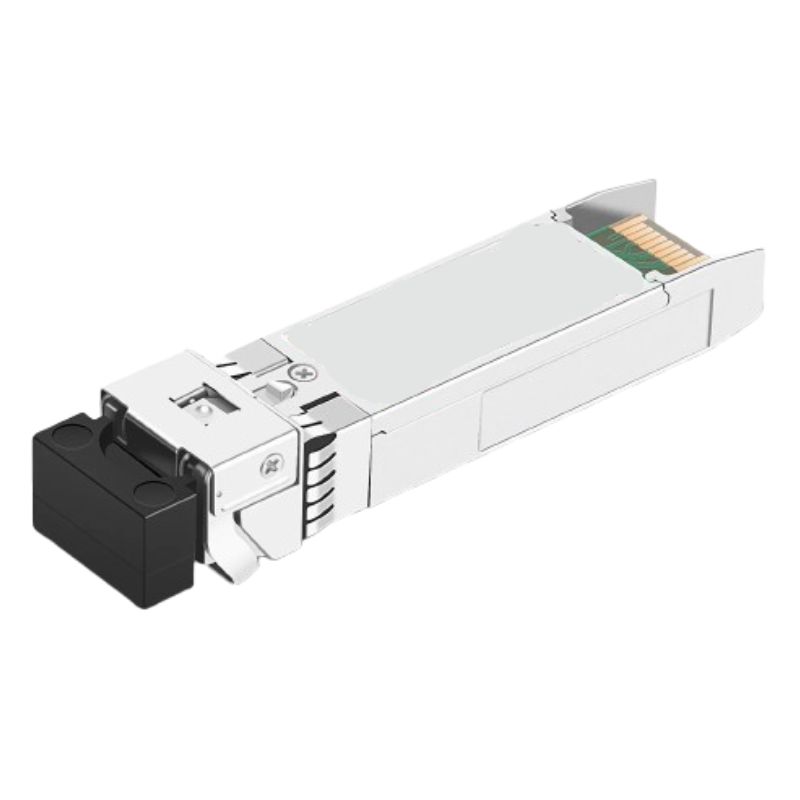


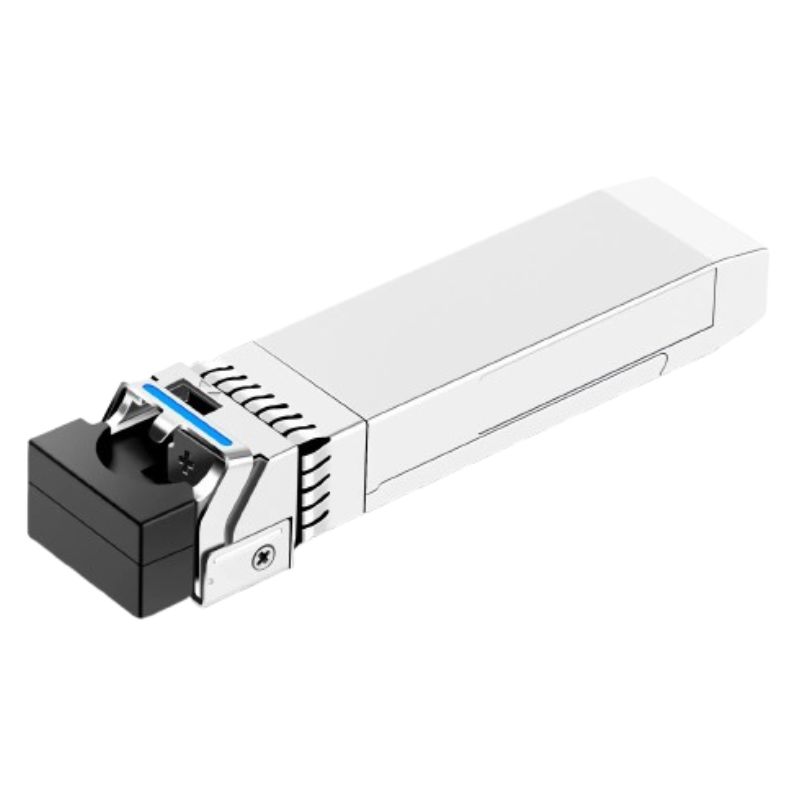
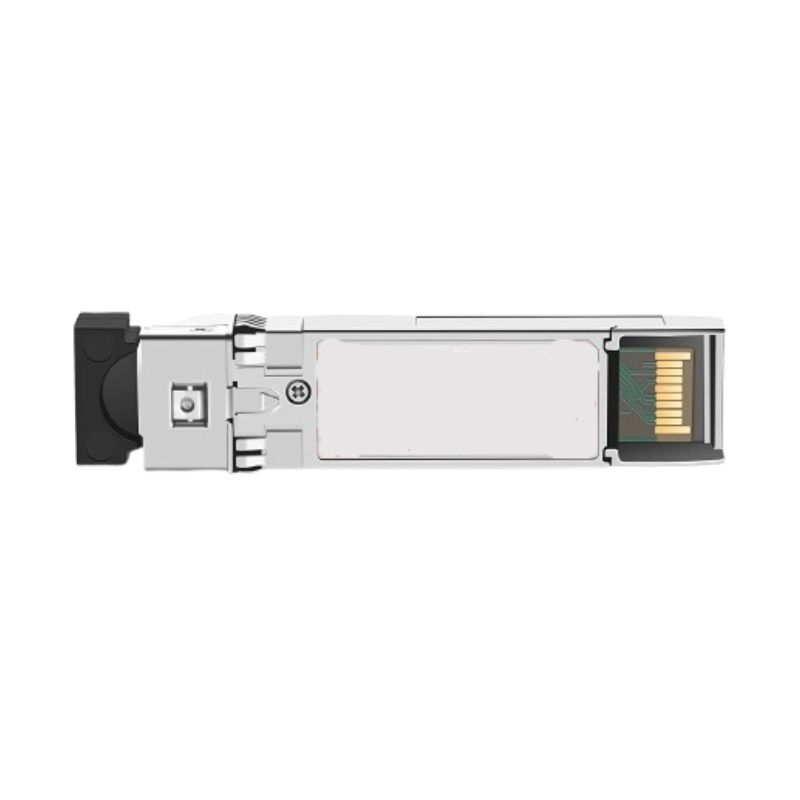
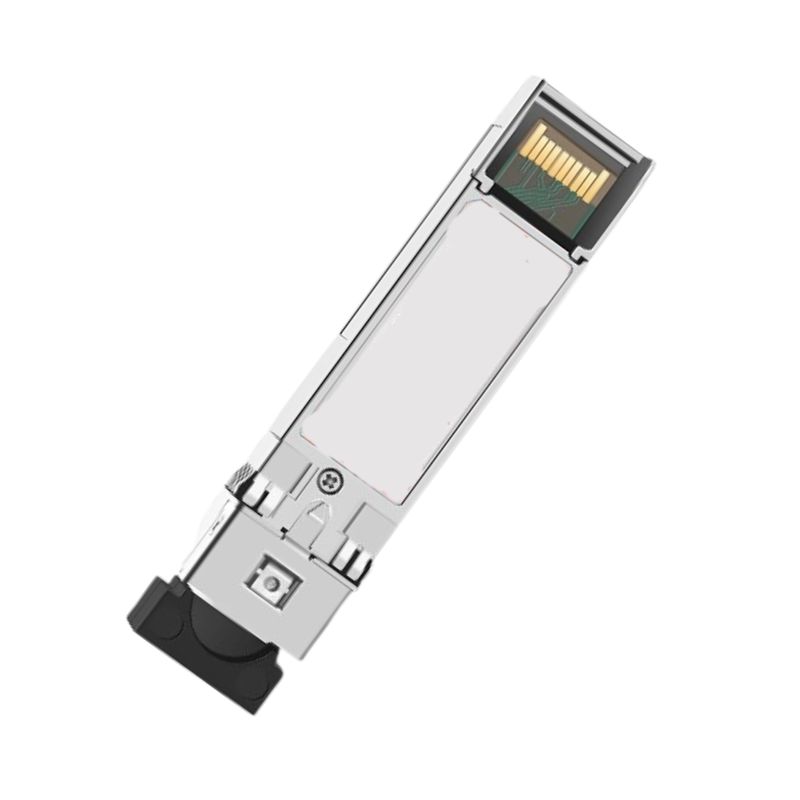
Arista QSFP-100G-DZ2-42 100Gbps 100G DWDM QSFP Transceiver Module. Excellent Refurbished with 1 Year Replacement Warranty
The Arista QSFP-100G-DZ2-42 is a high-performance 100Gbps DWDM QSFP28 optical transceiver engineered for long-distance data transmission in enterprise, carrier-grade, and hyperscale networking environments. Designed to support ultra-fast connectivity across Dense Wavelength Division Multiplexing infrastructures, this optical module delivers dependable bandwidth, low latency, and exceptional signal integrity for modern data center and telecom deployments.
With advanced DWDM technology, the QSFP-100G-DZ2-42 transceiver enables organizations to maximize fiber utilization while supporting scalable network expansion. Its compact QSFP28 form factor, hot-swappable design, and integrated digital diagnostics make it an ideal solution for mission-critical optical networking applications.
The Arista QSFP-100G-DZ2-42 100Gbps 100G DWDM QSFP Transceiver Module is engineered for modern optical communication infrastructures that demand exceptional bandwidth, low latency, and highly reliable long-distance data transmission. Designed to support 100 Gigabit Ethernet connectivity across dense wavelength division multiplexing environments, this optical transceiver module enables enterprises, service providers, cloud platforms, and hyperscale data centers to expand network performance without sacrificing efficiency or scalability.
As organizations continue adopting virtualization, software-defined networking, artificial intelligence workloads, and large-scale storage architectures, the need for high-density optical interconnect solutions becomes increasingly important. The Arista QSFP-100G-DZ2-42 optical module delivers a robust networking solution capable of supporting mission-critical environments where uptime, signal integrity, and transmission consistency are essential.
The QSFP form factor provides compact integration for dense switch deployments while maintaining superior thermal management and operational reliability. DWDM technology allows multiple optical wavelengths to travel through a single fiber infrastructure, maximizing fiber utilization and reducing the need for additional cabling resources in metropolitan, regional, and long-haul network architectures.
The Arista QSFP-100G-DZ2-42 transceiver module is developed to support ultra-fast 100Gbps optical communication in advanced network ecosystems. By leveraging DWDM optical transport technology, this module can transmit large quantities of data over extended distances while maintaining high signal quality and network efficiency.
Modern enterprises rely heavily on real-time data synchronization, cloud-based applications, high-speed storage replication, and uninterrupted communications between distributed facilities. This QSFP transceiver addresses these demands by delivering stable, high-bandwidth connectivity optimized for large-scale digital infrastructures.
Its optical architecture supports reliable traffic handling for high-throughput applications including virtualization clusters, AI training environments, streaming platforms, unified communications systems, disaster recovery frameworks, and software-defined storage deployments.
DWDM technology enables multiple optical signals to operate simultaneously across different wavelengths within the same fiber strand. This dramatically improves fiber utilization while minimizing infrastructure complexity. The Arista QSFP-100G-DZ2-42 module supports this optical multiplexing strategy to help organizations scale bandwidth without extensive physical fiber expansion.
Network administrators benefit from improved operational efficiency, reduced cabling requirements, and enhanced transport scalability. This approach is especially valuable in metropolitan networks, telecommunications backbones, inter-data-center links, and cloud connectivity infrastructures where maximizing available fiber resources is a priority.
The QSFP transceiver design supports compact installation within high-density networking platforms. Modern switches and routers frequently require hundreds of high-speed optical ports within limited rack space, making compact transceiver architecture a critical requirement for infrastructure scalability.
The Arista QSFP-100G-DZ2-42 optical module enables efficient utilization of networking equipment while maintaining superior airflow characteristics and optimized thermal distribution. Its compact design contributes to improved rack density and streamlined cable management in enterprise and hyperscale environments.
Large-scale cloud operators and colocation facilities frequently deploy QSFP transceivers to support massive east-west traffic patterns between compute clusters, storage systems, and virtualization platforms. The reduced physical footprint helps simplify infrastructure expansion while minimizing operational complexity.
Hot-swappable transceiver functionality allows administrators to install or replace modules without shutting down networking equipment. This capability is critical in environments where continuous availability and uninterrupted service delivery are essential.
The Arista QSFP-100G-DZ2-42 transceiver supports streamlined maintenance workflows, enabling technicians to upgrade, troubleshoot, or expand optical connectivity with minimal network disruption. This operational flexibility improves uptime and reduces maintenance windows for mission-critical infrastructures.
Optical networking environments demand consistent signal quality across extended transmission distances. The Arista QSFP-100G-DZ2-42 module is designed to maintain high-performance optical communication while minimizing attenuation, dispersion, and signal degradation.
Reliable long-distance connectivity is essential for enterprises operating geographically distributed facilities, regional cloud infrastructure, and multi-site disaster recovery systems. The module supports stable optical transport that helps preserve data accuracy and transmission reliability across complex networking environments.
High-quality optical components and precision engineering contribute to enhanced signal integrity, making this transceiver suitable for bandwidth-intensive networking applications that require dependable data delivery and low packet loss rates.
Optical stability is a key consideration in DWDM networking deployments. Temperature fluctuations, power variations, and environmental conditions can influence optical performance in demanding data center and telecommunications infrastructures.
The Arista QSFP-100G-DZ2-42 transceiver incorporates advanced optical engineering designed to maintain wavelength stability and transmission consistency during continuous operation. This helps improve network reliability while supporting sustained high-speed data transport.
The Arista QSFP-100G-DZ2-42 transceiver is designed for compatibility with supported Arista networking equipment, enabling streamlined deployment across enterprise and hyperscale infrastructures. Compatibility optimization helps ensure consistent performance, simplified configuration, and reliable interoperability with Arista switches and routing platforms.
Organizations utilizing Arista EOS-driven network environments can benefit from integrated optical networking solutions that support automation, visibility, and operational efficiency. Native compatibility also simplifies procurement processes and infrastructure standardization efforts.
Modern digital infrastructures require scalable optical networking solutions capable of supporting rapid growth and evolving workload requirements. The Arista QSFP-100G-DZ2-42 module supports scalable architecture models including spine-leaf networking, software-defined data centers, multi-cloud environments, and edge computing infrastructures.
Its 100Gbps transmission capabilities enable organizations to expand network capacity efficiently while supporting future-ready digital transformation initiatives. High-speed optical interconnects play a crucial role in maintaining low-latency communications across distributed compute environments.
Cloud service providers require reliable high-bandwidth connectivity between data centers to support virtual machine migration, workload balancing, backup replication, and distributed application hosting. The Arista QSFP-100G-DZ2-42 module provides high-capacity optical connectivity optimized for these demanding operational requirements.
Data center interconnect architectures depend on stable optical communication links capable of supporting massive data transfers with minimal latency. The module helps cloud operators maintain seamless synchronization between geographically separated facilities while improving overall network efficiency.
High-performance computing environments generate enormous volumes of data requiring ultra-fast communication between processing nodes, storage arrays, and computational clusters. The Arista QSFP-100G-DZ2-42 transceiver supports these infrastructures by delivering high-speed optical transport optimized for intensive computational workloads.
Applications such as scientific simulations, machine learning, artificial intelligence training, genomic analysis, and advanced analytics benefit from the low-latency, high-bandwidth connectivity provided by 100G DWDM optical networking technology.
Big data platforms depend on rapid data movement across distributed systems. The ability to transfer large datasets quickly and reliably directly impacts application performance, reporting efficiency, and decision-making capabilities.
The Arista QSFP-100G-DZ2-42 module supports high-capacity data movement required by enterprise analytics environments, business intelligence platforms, and large-scale database infrastructures. Enhanced optical throughput helps reduce bottlenecks and improve workload responsiveness.
Telecommunications providers require highly dependable optical networking solutions capable of supporting millions of simultaneous communications sessions, streaming workloads, and cloud services. The Arista QSFP-100G-DZ2-42 module provides carrier-grade optical performance suitable for telecommunications backbones and service provider infrastructures.
Its DWDM capabilities enable carriers to maximize fiber utilization while supporting increased bandwidth demand from residential broadband, enterprise connectivity, mobile services, and content delivery networks.
Metropolitan and regional optical networks require scalable transmission solutions capable of handling diverse traffic patterns and growing bandwidth requirements. The Arista QSFP-100G-DZ2-42 transceiver supports these environments by delivering efficient high-speed optical communication across metropolitan transport systems.
Network operators can leverage DWDM technology to increase network capacity while minimizing infrastructure expansion costs. This approach improves operational efficiency and enhances long-term scalability for telecommunications deployments.
Energy efficiency is increasingly important in large-scale networking environments where hundreds or thousands of optical modules may operate simultaneously. The Arista QSFP-100G-DZ2-42 transceiver is engineered with power optimization considerations that help reduce operational energy consumption.
Lower power utilization contributes to reduced cooling requirements and improved data center efficiency. This is particularly valuable in hyperscale facilities where operational costs and sustainability initiatives significantly influence infrastructure planning.
Thermal performance directly impacts transceiver longevity, reliability, and signal consistency. High-speed optical modules generate heat during operation, making thermal management a critical design consideration.
The Arista QSFP-100G-DZ2-42 module incorporates efficient thermal dissipation characteristics that help maintain stable operating temperatures under demanding workload conditions. Effective heat management contributes to long-term operational stability and improved hardware durability.
Stable optical communication is essential for maintaining secure and uninterrupted network operations. The Arista QSFP-100G-DZ2-42 transceiver supports reliable infrastructure connectivity that helps organizations maintain business continuity and operational resilience.
Network disruptions can negatively impact productivity, customer experiences, and application availability. High-quality optical transceivers help reduce the likelihood of transmission interruptions and improve overall infrastructure reliability.
Industries including finance, healthcare, government, education, manufacturing, and telecommunications rely on mission-critical digital systems requiring continuous network availability. The Arista QSFP-100G-DZ2-42 optical module supports these demanding operational environments with stable high-speed optical transport.
Its reliable performance characteristics help organizations maintain secure communications, uninterrupted application access, and consistent data transfer across critical business systems.
Digital transformation initiatives continue driving exponential increases in network traffic volumes. Emerging technologies including artificial intelligence, edge computing, Internet of Things deployments, and cloud-native applications require increasingly sophisticated optical networking infrastructure.
The Arista QSFP-100G-DZ2-42 transceiver provides scalable 100Gbps connectivity that helps organizations prepare for future bandwidth expansion while maintaining compatibility with modern networking architectures.
Its DWDM functionality further enhances scalability by allowing multiple wavelengths to coexist within existing fiber infrastructure, reducing the need for extensive physical network upgrades.
Data center modernization efforts prioritize modularity, flexibility, and future scalability. Optical transceiver modules play a central role in enabling adaptable infrastructure capable of supporting changing business requirements.
The Arista QSFP-100G-DZ2-42 module helps organizations build future-ready networking environments that support increasing application demands, expanding user populations, and evolving cloud connectivity strategies.
Enterprise IT departments benefit from networking components that simplify deployment, maintenance, and operational management. The Arista QSFP-100G-DZ2-42 transceiver supports streamlined installation and interoperability within supported network ecosystems.
Efficient optical connectivity helps reduce troubleshooting complexity while improving visibility into network performance and transmission reliability. This contributes to faster issue resolution and more efficient operational workflows.
DWDM optical networking enables organizations to maximize existing fiber infrastructure rather than deploying additional physical cabling resources. This reduces infrastructure complexity and helps optimize data center and telecommunications environments.
By consolidating multiple optical wavelengths onto a single fiber pair, organizations can improve network efficiency while minimizing space requirements, cabling congestion, and operational overhead.
Virtualized infrastructures and hybrid cloud environments require low-latency high-bandwidth connectivity to maintain seamless workload mobility and application responsiveness. The Arista QSFP-100G-DZ2-42 transceiver supports these environments by enabling rapid data movement between physical and virtual infrastructure components.
Organizations adopting hybrid cloud strategies benefit from reliable optical communication links that support cloud synchronization, remote backup, and distributed application delivery.
Enterprise storage environments increasingly depend on high-speed optical networking to support backup operations, storage replication, and high-capacity database workloads. The Arista QSFP-100G-DZ2-42 module provides the bandwidth required for demanding storage networking applications.
High-speed optical transport helps reduce backup windows, improve replication efficiency, and support rapid data accessibility across distributed storage infrastructures.
Disaster recovery strategies rely on dependable high-speed connectivity between primary and secondary data centers. The Arista QSFP-100G-DZ2-42 transceiver supports rapid replication and synchronization processes necessary for effective disaster recovery operations.
Organizations can maintain business continuity and minimize downtime risks through reliable optical networking infrastructure capable of supporting continuous data protection and rapid recovery workflows.
The combination of 100Gbps performance, DWDM efficiency, QSFP density, and enterprise-grade reliability makes the Arista QSFP-100G-DZ2-42 transceiver module a valuable component for modern networking environments. Its ability to support scalable high-speed optical transport enables organizations to optimize infrastructure investments while preparing for future digital growth.
Enterprises, service providers, cloud operators, and hyperscale facilities can leverage this optical networking solution to improve operational efficiency, maximize fiber utilization, enhance application performance, and support evolving digital transformation objectives across increasingly complex network ecosystems.


 Contact Us
 Information
 Catalog
 Solid State Drives (SSD)
 Network Switches
 Hard Disk Drives
 HBA & Controllers
 PC & Servers
 PC & Server Memory
 CPU & Processors
 Network Routers
 Power Supplies
 Tape Drives & Libraries
 Network Devices
 Computer & Network Cables