(7% discount is applied at checkout)
Cart is empty
Your go-to destination for cutting-edge server products
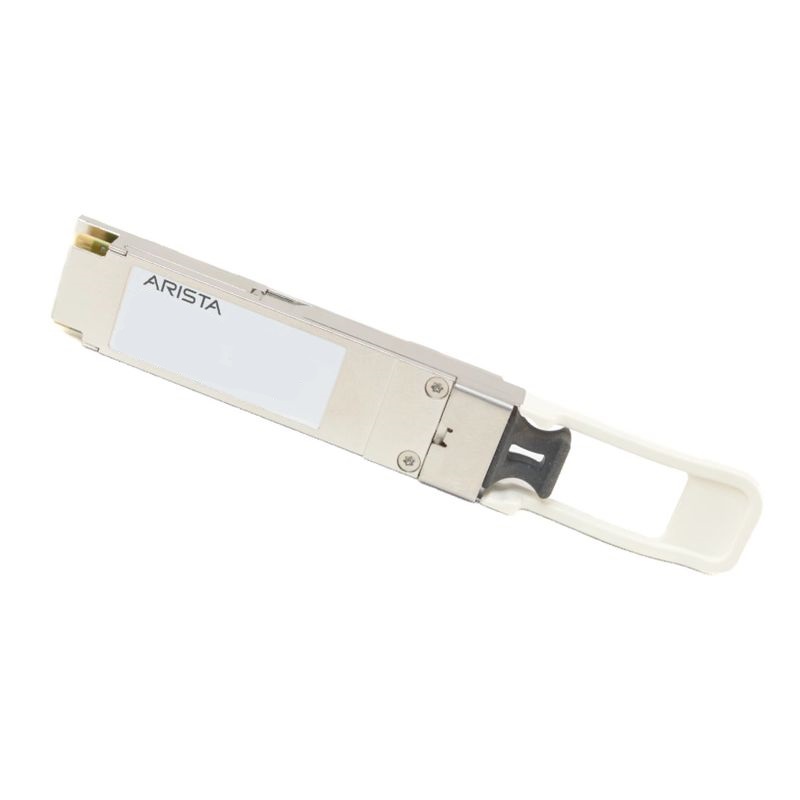


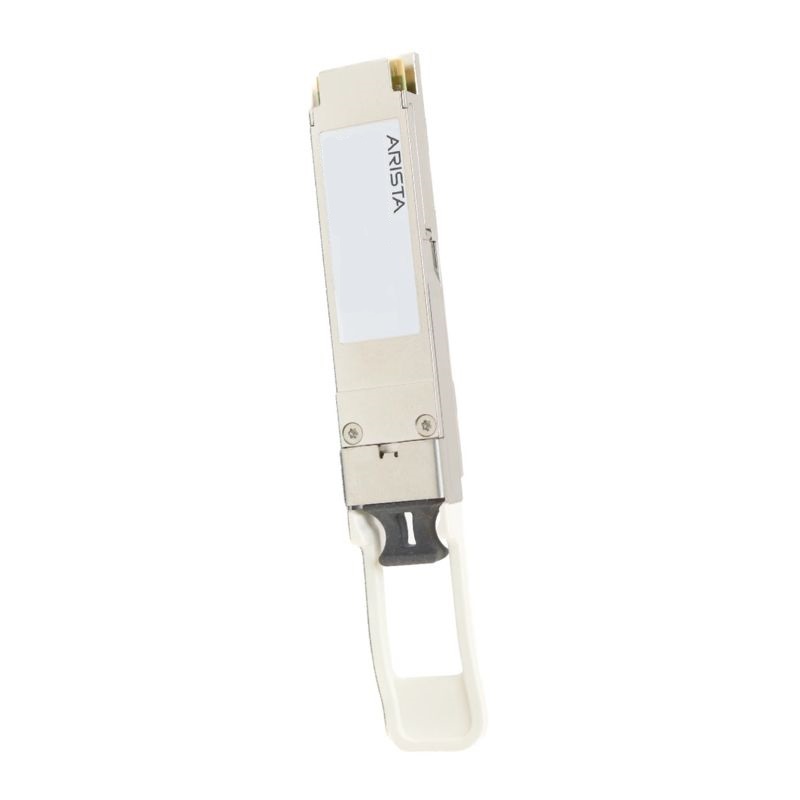
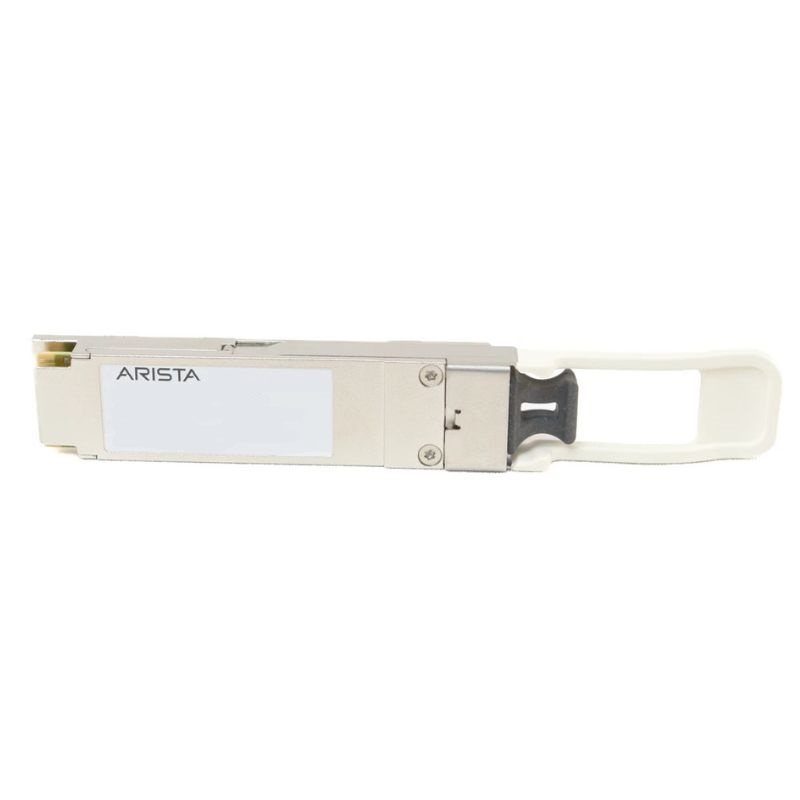
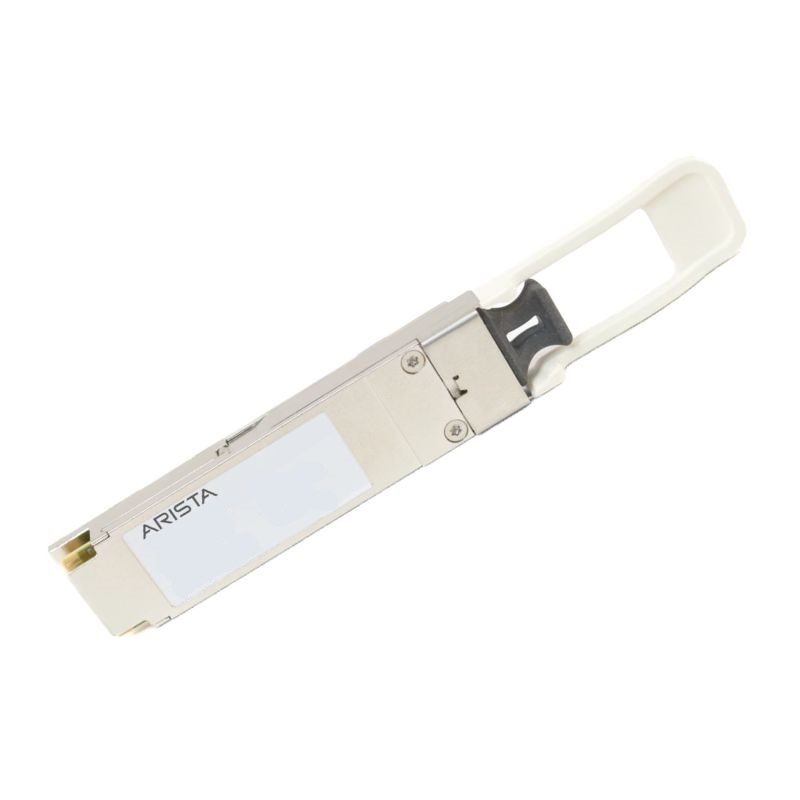
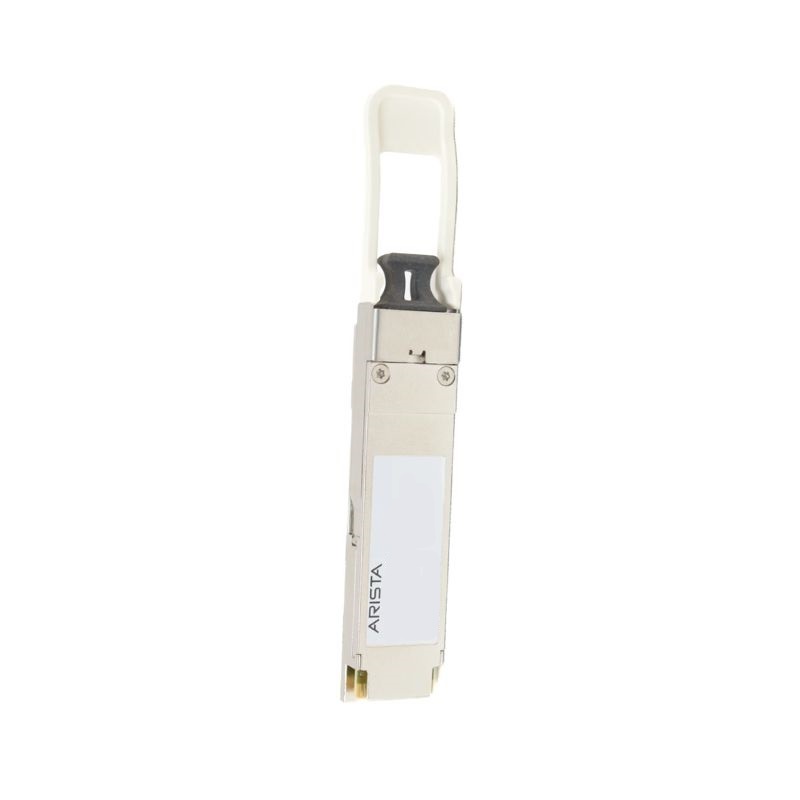
Arista QSFP-100G-DZ2-44 100G DWDM QSFP Transceiver. Excellent Refurbished with 1 Year Replacement Warranty
The Arista QSFP-100G-DZ2-44 is a high-performance 100G DWDM QSFP transceiver designed for long-distance optical communication. This advanced module ensures reliable data transmission across extensive networks, making it ideal for enterprises and service providers.
The Arista QSFP-100G-DZ2-44 100G DWDM QSFP Transceiver is engineered for modern data center interconnect environments, carrier-grade optical transport systems, enterprise backbone deployments, and hyperscale cloud infrastructures that require ultra-high bandwidth with reliable long-distance communication. Designed with Dense Wavelength Division Multiplexing technology, this optical module enables organizations to maximize fiber utilization while maintaining exceptional signal integrity and transmission efficiency across metropolitan and long-haul optical networks.
As network traffic continues to expand because of cloud applications, virtualization, artificial intelligence workloads, storage replication, and high-volume data exchange, enterprises require optical connectivity solutions capable of supporting scalable bandwidth without increasing infrastructure complexity. The Arista QSFP-100G-DZ2-44 transceiver addresses these requirements by delivering 100 Gigabit Ethernet performance through compact QSFP form factor architecture optimized for advanced optical networking applications.
The module is specifically developed for integration with Arista networking switches, routers, and compatible optical transport systems where dependable 100G connectivity is critical for business continuity, low latency communication, and efficient traffic distribution. By leveraging DWDM optical transmission capabilities, organizations can deploy multiple high-speed channels over a single fiber pair, significantly improving network efficiency and reducing operational expenditures.
Dense Wavelength Division Multiplexing technology represents one of the most significant advancements in fiber optic communications. The Arista QSFP-100G-DZ2-44 transceiver utilizes precise optical wavelengths to transmit multiple independent data channels simultaneously across the same optical fiber infrastructure. This technology dramatically enhances available bandwidth while minimizing the need for additional physical fiber deployment.
DWDM functionality enables telecommunications providers, cloud operators, internet exchange facilities, and enterprise organizations to increase network scalability without expensive cabling expansion projects. The transceiver operates using carefully calibrated optical wavelengths aligned with DWDM channel spacing standards to ensure stable and predictable performance within complex optical transport ecosystems.
By integrating coherent optical engineering principles with compact QSFP packaging, the module provides network architects with a practical solution for expanding bandwidth density while maintaining manageable power consumption and thermal efficiency. The optical design supports mission-critical communication environments where uptime, consistency, and signal quality are essential operational priorities.
High-speed Ethernet connectivity has become fundamental for enterprise computing, virtualization clusters, distributed storage systems, and multi-site cloud connectivity. The Arista QSFP-100G-DZ2-44 supports 100 Gigabit Ethernet throughput, enabling extremely fast data exchange between network nodes while minimizing bottlenecks in high-demand environments.
Organizations deploying large-scale virtualization platforms, hyperconverged infrastructure systems, and software-defined data centers require low-latency network connectivity capable of sustaining continuous traffic loads. This transceiver provides the bandwidth necessary for large data transfers, rapid synchronization, and application responsiveness across interconnected environments.
The module enhances operational efficiency by supporting reliable high-throughput communication for enterprise workloads including big data analytics, media streaming, machine learning operations, database replication, disaster recovery infrastructure, and cloud-native application environments. These capabilities allow businesses to support increasing digital transformation requirements without sacrificing network performance.
The Quad Small Form-factor Pluggable design of the Arista QSFP-100G-DZ2-44 provides a compact yet powerful optical networking solution suitable for high-density deployments. Modern data centers prioritize rack space optimization and port scalability, making QSFP technology highly valuable for organizations seeking to maximize switching capacity while reducing physical footprint.
The compact architecture allows networking equipment manufacturers to integrate large numbers of high-speed ports into a single switching platform. This density advantage enables enterprises to deploy scalable network topologies capable of accommodating future traffic growth while maintaining manageable infrastructure layouts.
Hot-swappable functionality further improves operational flexibility by allowing administrators to install or replace transceivers without shutting down network devices. This capability minimizes service interruptions and supports maintenance procedures within high-availability environments where downtime must remain extremely limited.
Data center facilities increasingly rely on high-density architectures to accommodate expanding workloads and growing computational requirements. The compact QSFP design enables network engineers to maximize port utilization across aggregation switches, spine switches, core routers, and optical transport equipment.
Efficient port density supports scalable east-west traffic communication in leaf-spine architectures commonly deployed within cloud computing and hyperscale environments. The transceiver contributes to infrastructure efficiency by enabling multiple high-capacity optical connections within limited rack space, thereby reducing equipment sprawl and simplifying cable management.
By minimizing physical hardware requirements, organizations can also improve airflow management and reduce cooling complexity within high-density racks. This contributes to enhanced energy efficiency and lower operational costs throughout the data center lifecycle.
Modern enterprise networks demand operational agility and streamlined infrastructure management. The Arista QSFP-100G-DZ2-44 supports simplified deployment procedures and maintenance operations through its standardized QSFP interface and hot-pluggable design.
Network administrators can quickly provision optical links, replace modules, or scale connectivity without extensive downtime or complicated hardware procedures. This operational flexibility is especially important in carrier environments, cloud service platforms, and financial institutions where uninterrupted connectivity directly impacts business operations.
The transceiver’s compatibility with modern monitoring systems also enhances visibility into optical performance metrics, allowing administrators to proactively identify potential issues and optimize network reliability. Diagnostic capabilities improve troubleshooting efficiency and contribute to long-term infrastructure stability.
The Arista QSFP-100G-DZ2-44 transceiver is designed for a broad range of optical networking deployments requiring scalable high-capacity communication across extended distances. Its DWDM architecture makes it suitable for enterprise, telecommunications, research, and cloud connectivity applications where maximizing bandwidth over existing fiber infrastructure is essential.
Data Center Interconnect environments require dependable high-bandwidth communication between geographically separated facilities. Organizations operating multiple data centers rely on rapid data synchronization, backup replication, workload migration, and application continuity across distributed infrastructures.
The transceiver enables high-speed optical communication between facilities while leveraging DWDM wavelength multiplexing to optimize existing fiber resources. Enterprises can establish scalable interconnect architectures supporting large traffic volumes without deploying additional fiber pairs.
This capability is particularly valuable for cloud providers, colocation facilities, financial institutions, healthcare organizations, and government agencies managing extensive data replication and business continuity operations. Reliable inter-data-center connectivity helps ensure application availability and operational resilience.
Disaster recovery planning requires reliable communication between primary and secondary data center facilities. The Arista QSFP-100G-DZ2-44 supports high-capacity replication traffic essential for maintaining synchronized backup environments and minimizing data loss during unexpected disruptions.
Organizations implementing business continuity strategies can utilize DWDM optical connectivity to establish resilient backup links supporting storage replication, virtual machine migration, and rapid failover capabilities. These features contribute to improved recovery objectives and reduced operational risk.
The transceiver’s stable optical performance supports continuous synchronization workflows necessary for mission-critical applications and enterprise resilience initiatives.
Telecommunications service providers continually expand backbone infrastructure to support increasing internet traffic, mobile data consumption, and enterprise connectivity requirements. The Arista QSFP-100G-DZ2-44 provides scalable 100G optical connectivity suitable for metropolitan and regional DWDM transport networks.
By enabling multiple wavelengths over shared fiber infrastructure, the module helps providers maximize network capacity while reducing deployment costs. This efficiency is essential for operators managing extensive regional communication networks and high-demand customer traffic.
Telecommunications environments also benefit from the module’s high-density form factor, enabling efficient integration into carrier-grade transport equipment and aggregation platforms. These capabilities support scalable service delivery across diverse connectivity environments.
Cloud service providers and hyperscale operators require optical networking solutions capable of supporting enormous volumes of east-west and north-south traffic. The Arista QSFP-100G-DZ2-44 addresses these requirements through high-capacity optical transmission optimized for scalable cloud architectures.
Massive virtualization clusters, containerized application environments, distributed storage platforms, and artificial intelligence infrastructures all generate substantial network traffic that demands low-latency high-throughput communication. The module provides the optical bandwidth necessary to sustain these workloads while maintaining operational efficiency.
Cloud providers can deploy the transceiver across aggregation layers, core switching infrastructure, and inter-data-center transport networks to improve scalability and resource utilization throughout distributed computing environments.
The Arista QSFP-100G-DZ2-44 incorporates advanced optical engineering technologies designed to maintain signal quality and transmission reliability across demanding networking environments. Precision optical calibration and wavelength stability contribute to consistent communication performance within dense optical transport infrastructures.
DWDM networking depends heavily on precise wavelength alignment to prevent channel interference and ensure predictable optical performance. The transceiver is engineered to operate within tightly controlled wavelength tolerances that support reliable integration into multiplexed optical systems.
Stable optical transmission is particularly important in high-capacity environments where numerous wavelengths coexist on shared fiber infrastructure. Consistent wavelength accuracy minimizes cross-channel interference and improves overall transport efficiency across complex optical ecosystems.
The module’s optical precision supports long-term network reliability while simplifying wavelength management procedures for infrastructure administrators.
Long-distance optical communication requires exceptional signal integrity to minimize transmission errors and maintain data reliability. The Arista QSFP-100G-DZ2-44 incorporates optical technologies optimized for maintaining strong signal quality across extended fiber links.
Advanced modulation and transmission characteristics help reduce attenuation impact and preserve communication stability throughout metropolitan and regional networking environments. These capabilities support consistent application performance and dependable data transport for enterprise and carrier infrastructures.
Improved signal integrity also contributes to lower retransmission rates, enhanced network efficiency, and more predictable application responsiveness across distributed environments.
Large-scale DWDM deployments frequently incorporate optical amplification technologies to extend transmission reach and maintain signal quality across extended distances. The transceiver is designed to operate effectively within amplified optical transport environments where signal regeneration and wavelength management are essential.
Compatibility with optical amplification systems enables organizations to deploy scalable transport architectures supporting long-haul communication, regional connectivity, and metropolitan networking applications. This flexibility improves deployment versatility across diverse infrastructure requirements.
Enterprises and telecommunications providers benefit from simplified network expansion strategies by integrating high-capacity optical modules into existing DWDM ecosystems.
Power efficiency has become a critical consideration within modern networking environments due to rising operational costs and sustainability initiatives. The Arista QSFP-100G-DZ2-44 is engineered with power-conscious optical technologies that support high-speed performance while minimizing energy consumption.
Efficient transceiver operation contributes to lower power requirements across high-density switching environments, reducing both electrical consumption and cooling demands. These efficiencies help organizations manage operational expenditures while supporting environmentally responsible infrastructure strategies.
Thermal management plays a vital role in maintaining optical performance and hardware reliability within dense networking environments. The transceiver incorporates thermal optimization technologies designed to maintain stable operating conditions during continuous high-throughput operation.
Effective heat dissipation supports long-term component reliability and minimizes performance degradation associated with excessive thermal stress. This is especially important in hyperscale data centers and telecommunications facilities where high-density deployments generate substantial heat loads.
Improved thermal efficiency also contributes to enhanced infrastructure stability by reducing cooling strain and supporting balanced airflow management within networking racks.
Infrastructure efficiency directly impacts long-term operational expenditures for enterprise and service provider environments. The energy-conscious design of the Arista QSFP-100G-DZ2-44 helps organizations optimize power utilization while maintaining high-performance optical communication.
Lower energy consumption translates into reduced electricity costs and decreased cooling requirements across large-scale deployments. These operational advantages become increasingly significant as organizations scale bandwidth capacity and expand network infrastructure.
The transceiver’s efficient architecture aligns with modern sustainability initiatives focused on improving energy efficiency within data center and telecommunications operations.
The Arista QSFP-100G-DZ2-44 is designed for seamless compatibility with Arista switching and routing platforms commonly deployed within enterprise, cloud, and carrier environments. Optimized integration ensures dependable interoperability and simplified deployment across high-performance networking infrastructures.
Arista networking platforms are widely recognized for supporting cloud-scale data center architectures, low-latency communication, and advanced automation capabilities. The transceiver integrates efficiently with compatible Arista switches to deliver reliable 100G optical connectivity throughout enterprise and hyperscale deployments.
Seamless hardware compatibility simplifies installation procedures and reduces interoperability concerns during network expansion projects. Organizations can deploy the module confidently within existing Arista infrastructures while maintaining predictable operational behavior.
Integration with Arista network operating systems further enhances visibility into optical diagnostics and interface monitoring functions. Administrators gain valuable operational insights that support proactive maintenance and network optimization strategies.
Software-defined networking frameworks require scalable and programmable infrastructure components capable of supporting dynamic traffic management and automated provisioning. The Arista QSFP-100G-DZ2-44 supports these environments by providing high-capacity optical connectivity suitable for automated network architectures.
Cloud operators and enterprise organizations implementing software-defined networking strategies benefit from the module’s reliable performance characteristics and integration capabilities. These advantages support scalable orchestration, workload mobility, and adaptive network operations.
As enterprises increasingly adopt automation-driven infrastructure models, high-performance optical modules become essential for maintaining scalable and responsive communication architectures.
Modern digital transformation initiatives continue driving exponential growth in data consumption, application complexity, and infrastructure interconnectivity. The Arista QSFP-100G-DZ2-44 supports scalable networking strategies by enabling high-capacity optical communication that can adapt to future operational requirements.
Organizations across nearly every industry are experiencing rapid increases in network traffic driven by cloud computing, remote collaboration, video streaming, artificial intelligence, and Internet of Things deployments. High-speed DWDM transceivers provide the bandwidth foundation necessary to support evolving connectivity requirements.
The ability to transmit multiple wavelengths over existing fiber infrastructure enables organizations to expand bandwidth capacity without large-scale physical cabling projects. This scalability advantage helps enterprises accommodate future growth while controlling infrastructure costs.
Scalable optical networking solutions also improve investment protection by extending the usable lifespan of existing fiber assets and supporting long-term infrastructure planning objectives.
Networking environments continue evolving toward distributed cloud models, edge computing frameworks, and hybrid infrastructure architectures. The Arista QSFP-100G-DZ2-44 provides the optical connectivity necessary to support these emerging operational models.
Organizations implementing edge computing strategies require efficient communication between centralized data centers and distributed edge locations. High-capacity DWDM optical links facilitate rapid data transfer and low-latency communication essential for modern digital services.
The module’s flexibility allows deployment across multiple infrastructure layers including core transport, aggregation, interconnect, and high-performance computing environments. This versatility enhances long-term deployment value and operational adaptability.
Enterprise and carrier-grade networking environments demand consistent reliability to support business-critical applications and continuous service availability. The Arista QSFP-100G-DZ2-44 is engineered to maintain dependable optical communication under demanding operational conditions.
Financial institutions, healthcare organizations, cloud providers, research facilities, and government agencies all depend on reliable high-speed connectivity to maintain operational continuity. The transceiver supports these environments through stable optical transmission and predictable network behavior.
Reliable communication performance reduces the likelihood of service disruptions, packet loss, and connectivity instability that could negatively impact enterprise operations. These characteristics are especially important in latency-sensitive and data-intensive applications.
Long-term operational consistency also simplifies infrastructure management and reduces maintenance complexity within large-scale deployments.
High-performance optical transceivers must withstand continuous operation within demanding networking environments. The Arista QSFP-100G-DZ2-44 is designed with enterprise-grade engineering principles focused on durability, reliability, and sustained optical efficiency.
Quality manufacturing standards contribute to stable hardware performance throughout extended deployment lifecycles. This reliability helps organizations maximize infrastructure investment value while minimizing unexpected replacement costs and operational interruptions.
The module’s robust design supports deployment across diverse environmental conditions commonly encountered in enterprise data centers, telecommunications facilities, and cloud computing infrastructures.


 Contact Us
 Information
 Catalog
 Solid State Drives (SSD)
 Network Switches
 Hard Disk Drives
 HBA & Controllers
 PC & Servers
 PC & Server Memory
 CPU & Processors
 Network Routers
 Power Supplies
 Tape Drives & Libraries
 Network Devices
 Computer & Network Cables