(7% discount is applied at checkout)
Cart is empty
Your go-to destination for cutting-edge server products
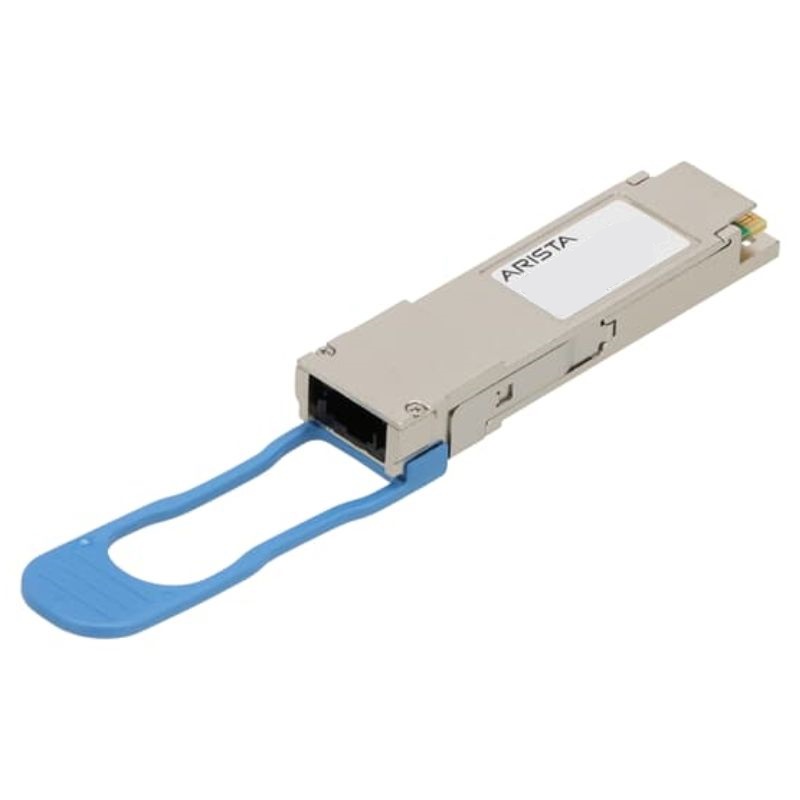


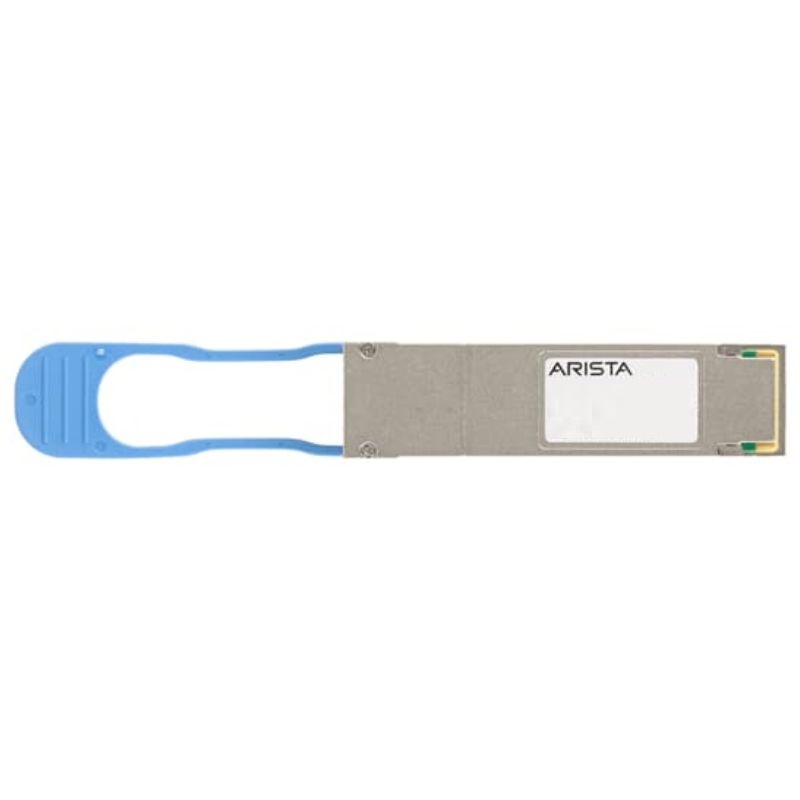
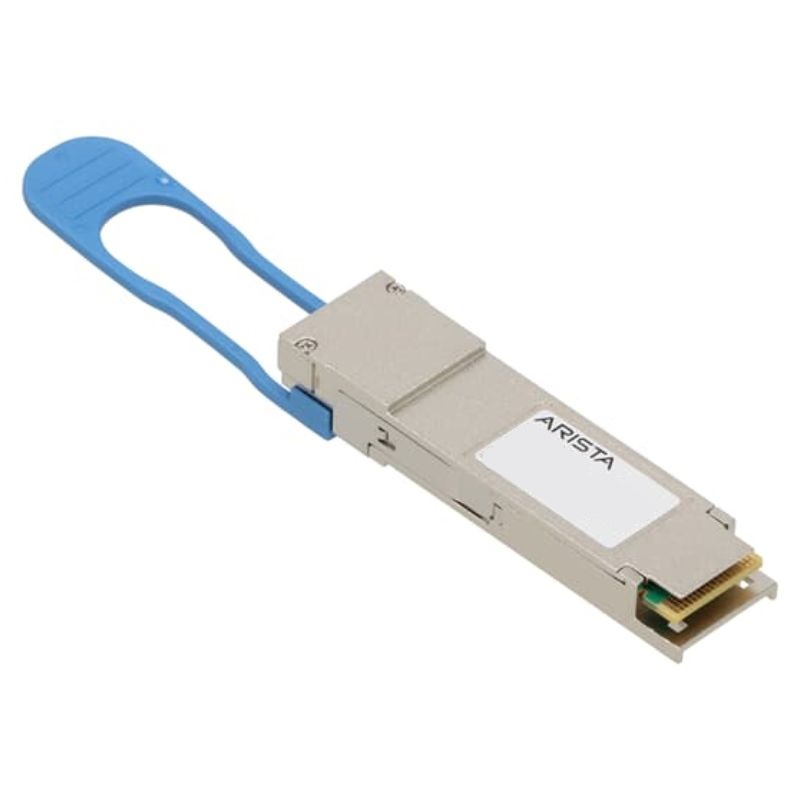
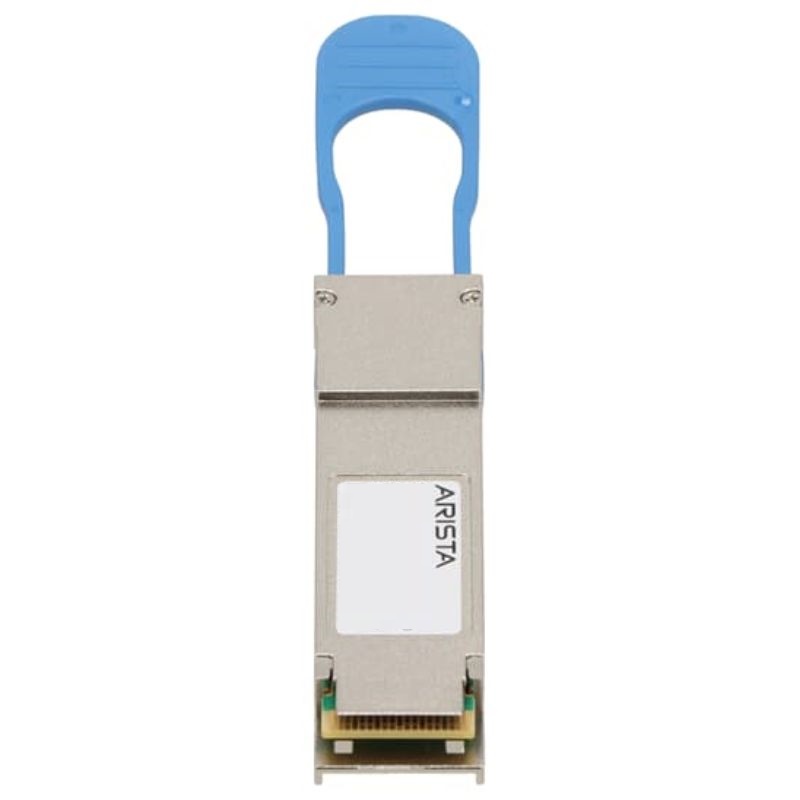
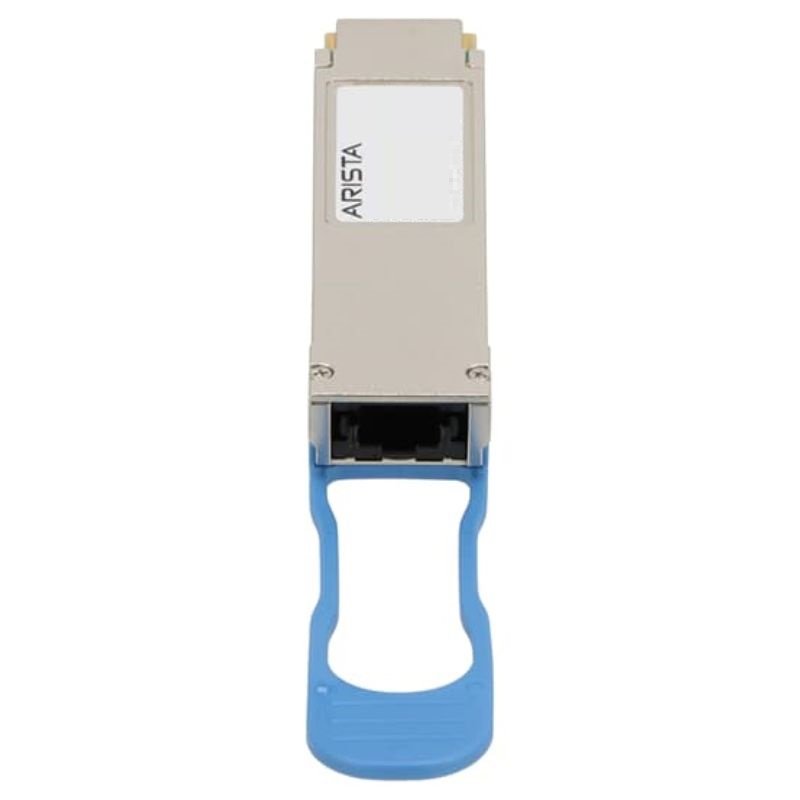
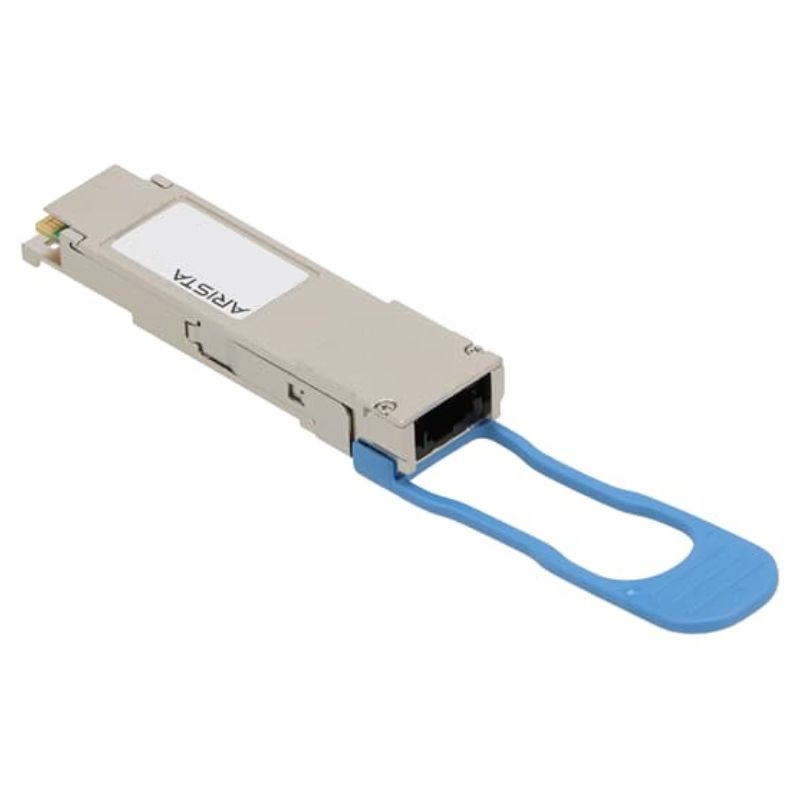
Arista XVR-00068-01 QSFP-100G-LR4 100GBASE-LR4 QSFP28 10km Over Duplex LC SMF Transceiver. New Sealed with 1-Year Replacement Warranty
The XVR-00068-01 Arista 100GBASE-LR4 QSFP28 Transceiver is a powerful optical networking module designed for high-capacity data transmission. It ensures seamless connectivity across single-mode fiber infrastructures, making it ideal for enterprise backbones, cloud computing, and advanced data center environments.
The Arista XVR-00068-01 QSFP-100G-LR4 transceiver is engineered for high-density 100 Gigabit Ethernet connectivity across modern enterprise, hyperscale, and data center infrastructures. Designed with QSFP28 form factor technology, this optical module supports 100GBASE-LR4 networking standards while delivering long-range communication over single-mode fiber cabling. Organizations that require stable, high-speed connectivity between aggregation layers, spine-and-leaf architectures, cloud networking environments, and storage infrastructures benefit from the outstanding transmission capabilities provided by this transceiver.
This 100G optical module is optimized for transmission distances reaching up to 10 kilometers over duplex LC single-mode fiber. The advanced optical architecture ensures dependable signal integrity while maintaining low latency and efficient power consumption. Businesses deploying scalable networking systems often rely on high-performance QSFP28 transceivers to maintain uninterrupted communication between servers, switches, routers, and storage systems.
The Arista XVR-00068-01 module supports 100 Gigabit Ethernet throughput for demanding networking applications requiring substantial bandwidth capacity. Modern digital environments generate increasing levels of traffic due to virtualization, cloud computing, big data analytics, artificial intelligence workloads, and multimedia applications. This QSFP28 transceiver is designed to manage these intensive networking demands while preserving exceptional reliability and data transmission consistency.
With support for the 100GBASE-LR4 Ethernet standard, the transceiver utilizes wavelength division multiplexing technology to deliver high-speed optical communication over long distances. Enterprises deploying distributed network infrastructures can maintain fast and reliable interconnectivity between remote facilities, campus buildings, and data center environments using this optical networking solution.
The QSFP28 design provides compact, high-density networking deployment capabilities within modern switches and routers. Network administrators frequently select QSFP28 modules because they maximize port density without compromising performance or energy efficiency. The smaller footprint allows networking equipment manufacturers to increase available 100G ports in compact hardware designs, improving scalability for enterprise and cloud environments.
The hot-swappable architecture enables IT professionals to install or replace transceivers without powering down critical network infrastructure. This capability reduces downtime and enhances operational efficiency within mission-critical data centers where continuous uptime is essential.
The Arista XVR-00068-01 QSFP28 transceiver is specifically engineered for single-mode fiber applications. Single-mode fiber cabling supports long-distance communication with minimal signal attenuation, making it ideal for enterprise backbones, metropolitan networks, and inter-building connectivity. By leveraging single-mode optical technology, organizations can maintain reliable high-speed communication across extensive network infrastructures.
Single-mode fiber deployments are commonly selected for environments where bandwidth demands continue to expand and future scalability remains a priority. This transceiver supports those requirements by combining long-range transmission capabilities with modern 100G networking performance.
The ability to transmit data over distances up to 10 kilometers significantly enhances deployment flexibility. Organizations operating multiple facilities can establish high-bandwidth interconnections between buildings, campuses, or data centers while preserving signal integrity and reducing latency. The extended transmission range also minimizes the need for additional networking hardware or intermediate signal amplification devices.
Long-distance 100G connectivity is particularly valuable for cloud service providers, telecommunications environments, and enterprise organizations requiring reliable backbone infrastructure. The Arista QSFP-100G-LR4 module delivers the optical performance necessary for these advanced networking deployments.
The duplex LC connector interface offers broad compatibility with enterprise-grade optical cabling systems. LC connectors are widely used within data centers because of their compact design, dependable optical alignment, and ease of cable management. The duplex configuration supports efficient bidirectional communication while maintaining organized fiber connectivity within high-density rack environments.
Data center administrators frequently prefer LC connectivity because it simplifies maintenance procedures and enables efficient cable routing within structured networking installations.
Cloud computing infrastructures require extremely fast and dependable network communication between compute resources, storage arrays, virtualization platforms, and application services. The Arista XVR-00068-01 transceiver provides the high-bandwidth optical connectivity needed to support cloud-based workloads while maintaining low latency and stable throughput.
Cloud service providers continuously expand infrastructure capacity to accommodate increasing user demands and application complexity. This QSFP28 optical module helps maintain seamless communication between distributed cloud resources while supporting scalability for future growth.
Modern data centers often implement spine-and-leaf architectures to optimize east-west traffic flow and reduce network bottlenecks. The 100GBASE-LR4 transceiver plays an essential role within these environments by enabling high-speed interconnections between spine switches and leaf switches. The resulting architecture improves network efficiency, reduces latency, and supports large-scale virtualization environments.
Organizations deploying hyperconverged infrastructure and software-defined networking solutions benefit from the increased bandwidth capacity and consistent performance characteristics offered by 100G optical modules.
Virtualized infrastructures generate substantial amounts of network traffic due to virtual machine migration, distributed storage communication, and real-time application synchronization. The Arista QSFP28 transceiver supports these intensive networking requirements through high-speed optical communication capable of sustaining demanding workloads.
High-density server deployments also rely on fast optical interconnects to eliminate bandwidth bottlenecks and improve application responsiveness. The module enables efficient communication between virtualization hosts, storage systems, and networking equipment.
The Arista XVR-00068-01 utilizes advanced optical engineering techniques to maintain stable signal quality across long transmission distances. High-speed optical networking requires precise signal management to prevent degradation, interference, and packet loss. This QSFP28 module is engineered to deliver dependable communication even within demanding enterprise environments.
Signal integrity is essential for maintaining application performance and minimizing transmission errors. Organizations operating mission-critical services depend on optical networking hardware capable of consistent and reliable operation under continuous workloads.
Energy efficiency remains a critical consideration within modern data centers where large-scale networking deployments can significantly impact operational costs. The Arista QSFP-100G-LR4 transceiver incorporates low-power optical technology to reduce energy consumption while maintaining high-performance networking capabilities.
Reduced power requirements contribute to lower cooling demands and improved environmental efficiency within enterprise and hyperscale facilities. Efficient optical modules also support sustainability initiatives aimed at minimizing overall energy usage.
High-density networking environments require optical transceivers capable of maintaining thermal stability during continuous operation. The module is designed to perform consistently within challenging thermal conditions commonly found in enterprise data centers and telecommunications facilities.
Reliable thermal management helps extend operational lifespan while reducing the likelihood of performance degradation caused by excessive heat accumulation. Stable operating temperatures also contribute to improved long-term network reliability.
The Arista XVR-00068-01 QSFP28 transceiver is widely suitable for deployment within enterprise core networking environments. Core switches and routers require ultra-fast connectivity to support large volumes of aggregated traffic from distribution and access layers. This 100G optical module enables organizations to maintain efficient data flow while supporting expanding digital operations.
Enterprises with geographically distributed departments, branch offices, and remote facilities benefit from reliable long-distance optical communication that preserves application performance and network responsiveness.
Aggregation layers serve as critical communication points between access switches and core networking infrastructure. High-speed optical connectivity within aggregation environments reduces congestion and improves overall network efficiency. The QSFP-100G-LR4 module provides the bandwidth capacity necessary to support modern enterprise traffic demands.
As organizations continue adopting cloud applications, unified communications platforms, and high-resolution media services, aggregation network requirements become increasingly complex. This transceiver addresses those challenges by supporting scalable 100G optical communication.
Storage environments involving SAN infrastructure, backup systems, and distributed storage arrays require reliable high-speed networking performance. The Arista optical module supports storage traffic with low latency and stable throughput, helping maintain efficient data access and replication processes.
Organizations utilizing large-scale databases, analytics platforms, and virtual desktop infrastructures particularly benefit from enhanced storage networking capabilities enabled by 100G optical technology.
The Arista XVR-00068-01 transceiver is engineered for compatibility with Arista networking hardware platforms that support QSFP28 optical modules. This compatibility ensures seamless integration within enterprise switching and routing environments while simplifying deployment procedures for network administrators.
Native compatibility also helps organizations maintain consistent performance, firmware interoperability, and reliable operational behavior across integrated network infrastructures.
Hot-swappable functionality simplifies maintenance procedures and network upgrades by allowing administrators to replace optical modules without interrupting system operations. This capability is particularly important for mission-critical environments where downtime can impact productivity, service availability, and operational continuity.
Efficient replacement procedures also reduce maintenance complexity while supporting rapid troubleshooting and hardware expansion initiatives.
Application responsiveness is heavily influenced by network latency and bandwidth availability. High-speed optical communication minimizes delays associated with data transmission while supporting consistent application performance across distributed environments.
Organizations operating enterprise resource planning systems, virtualization platforms, cloud services, and collaborative applications benefit from the improved performance characteristics enabled by advanced QSFP28 optical modules.
Telecommunications providers require highly reliable optical networking hardware capable of supporting large-scale communication infrastructures. The Arista XVR-00068-01 transceiver delivers the stability and performance required for carrier-grade environments where uninterrupted connectivity is essential.
Service providers frequently deploy 100G optical links to support broadband services, mobile network backhaul, cloud connectivity, and enterprise communication services. The extended 10km transmission capability makes this transceiver suitable for metropolitan and regional network deployments.
Communication service providers manage massive amounts of network traffic generated by streaming services, mobile applications, enterprise workloads, and internet connectivity demands. High-capacity QSFP28 transceivers help maintain efficient data flow across backbone infrastructures while reducing congestion and latency.
The module supports continuous high-speed operation necessary for maintaining dependable communication services across large-scale networking environments.
Critical communication services require networking hardware capable of maintaining dependable operation under demanding workloads. Optical transceivers deployed within service provider environments must deliver stable performance, minimal transmission errors, and consistent signal quality.
The Arista QSFP-100G-LR4 optical module is designed to support these operational requirements through advanced optical engineering and enterprise-grade reliability standards.
The compact QSFP28 form factor allows network engineers to maximize equipment density while preserving efficient airflow within networking racks and cabinets. Space optimization is especially important within modern data centers where infrastructure efficiency directly impacts operational scalability.
The lightweight and compact construction also simplifies installation procedures and supports organized cable management practices within high-density networking environments.
Enterprise optical networking hardware must withstand continuous operation within demanding environments. The Arista XVR-00068-01 transceiver incorporates durable components designed for long-term reliability and operational stability.
High-quality manufacturing standards contribute to reduced maintenance requirements and improved infrastructure dependability across enterprise networking deployments.
As enterprise applications become increasingly data-intensive, traditional lower-speed network connections may create performance bottlenecks that impact productivity and service responsiveness. Deploying 100G optical networking solutions helps eliminate these limitations by significantly increasing available bandwidth capacity.
The Arista QSFP28 transceiver enables organizations to optimize traffic flow across network infrastructures while supporting high-performance computing, virtualization, and cloud-based applications.
Fast and reliable data transfer capabilities are essential for modern business operations involving large datasets, multimedia content, and real-time collaboration tools. The high-speed optical architecture of the QSFP-100G-LR4 module improves transfer efficiency while minimizing delays associated with network congestion.
Enhanced transfer efficiency contributes to better application responsiveness, faster backup operations, and improved user experiences across enterprise environments.


 Contact Us
 Information
 Catalog
 Solid State Drives (SSD)
 Network Switches
 Hard Disk Drives
 HBA & Controllers
 PC & Servers
 PC & Server Memory
 CPU & Processors
 Network Routers
 Power Supplies
 Tape Drives & Libraries
 Network Devices
 Computer & Network Cables