(7% discount is applied at checkout)
Cart is empty
Your go-to destination for cutting-edge server products
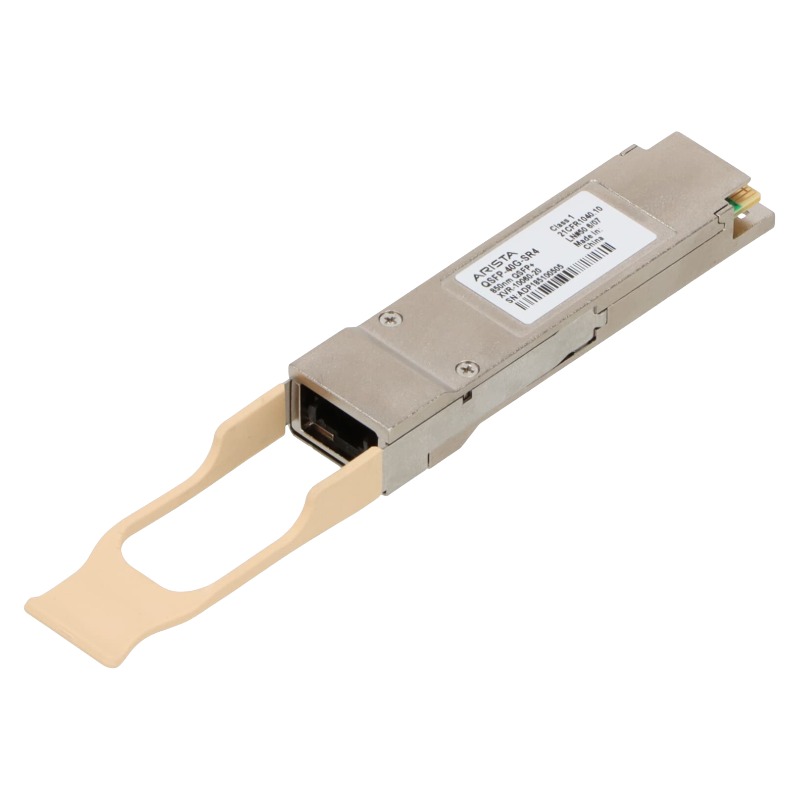


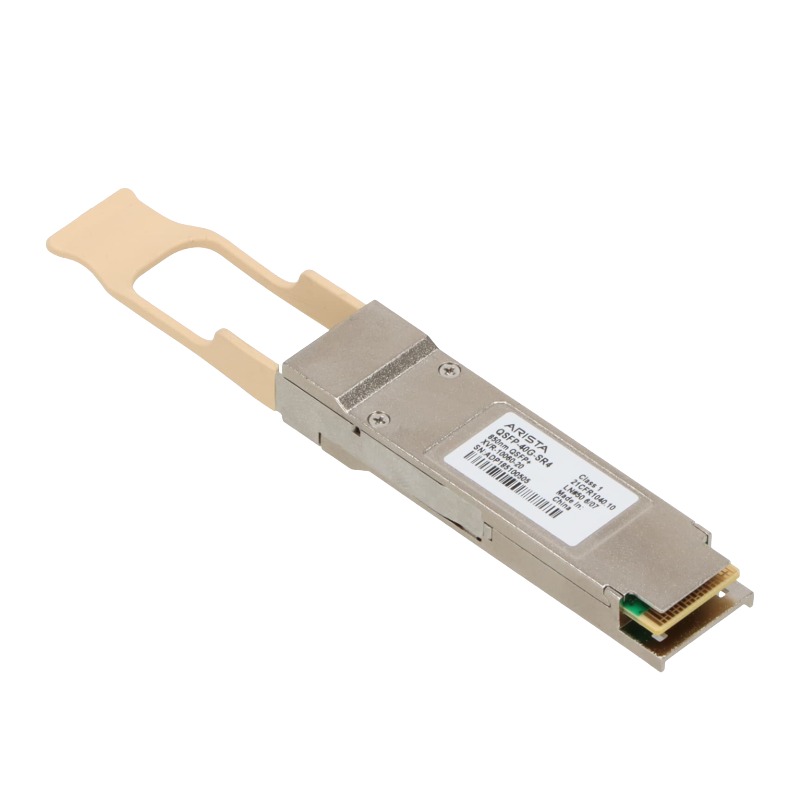
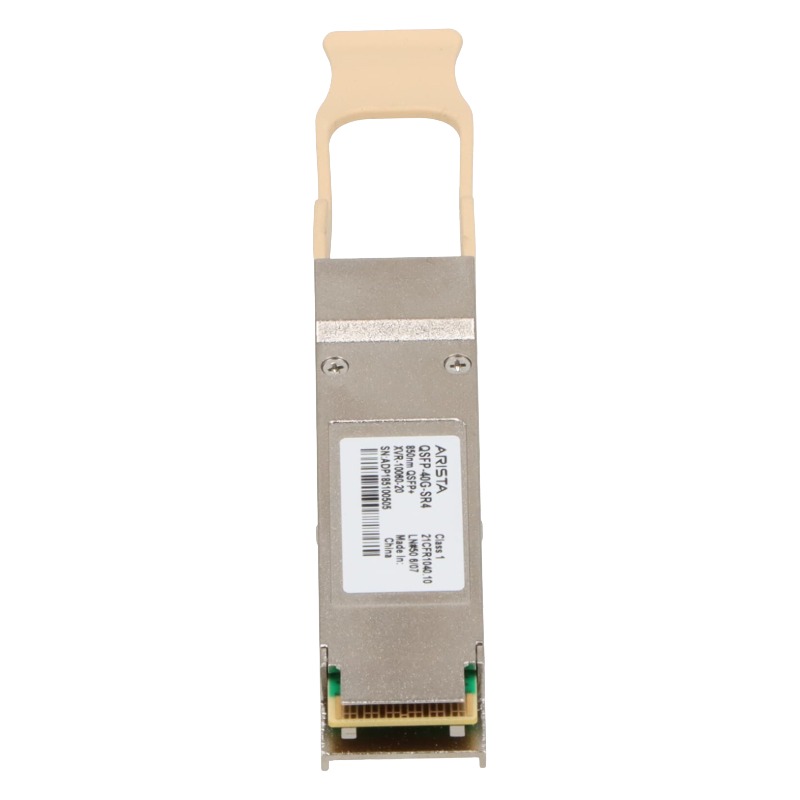
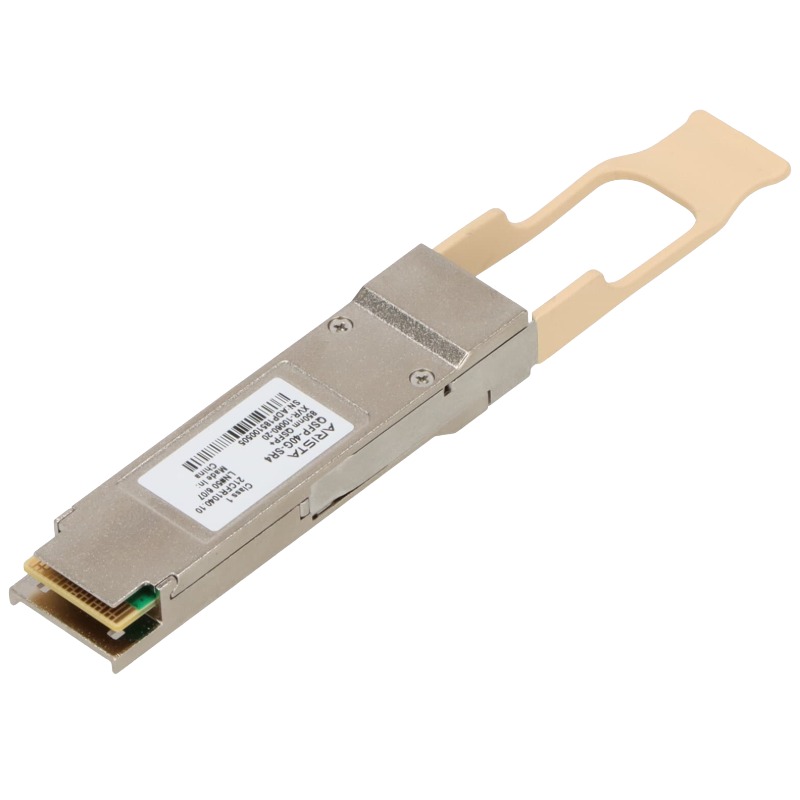
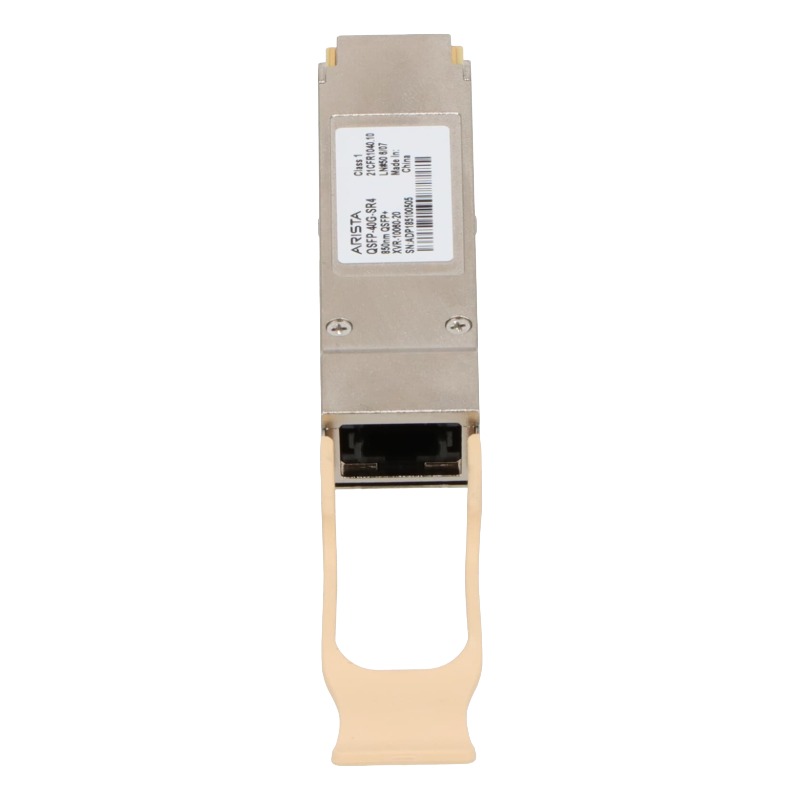
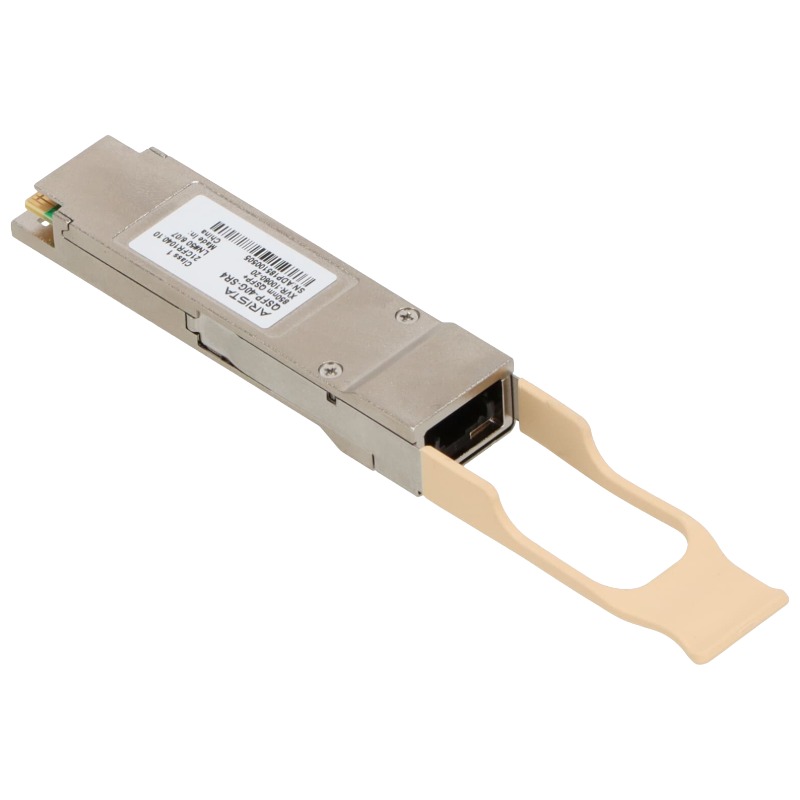
Arista XVR-10060-20 40GbE 850nm QSFP+ MPO SR4 Optical Transceiver Module. Excellent Refurbished with 1 Year Replacement Warranty
The Arista XVR-10060-20 QSFP+ optical transceiver is a high-speed 40 Gigabit Ethernet connectivity solution designed for modern enterprise networks, cloud computing environments, and data center infrastructures. Engineered for reliable short-range data transmission, this 40GbE SR4 module delivers stable performance over multimode fiber connections.
The Arista XVR-10060-20 40GbE 850nm QSFP+ MPO SR4 Optical Transceiver Module is designed to support high-speed Ethernet connectivity in enterprise networking, hyperscale data center infrastructures, cloud computing environments, and advanced storage networking systems. Engineered for dependable short-range optical communication, this QSFP+ transceiver module delivers reliable 40 Gigabit Ethernet transmission across multimode fiber cabling while maintaining compatibility with modern switching and aggregation platforms.
This 40GbE optical module operates using an 850nm wavelength and integrates SR4 optical signaling technology to achieve high-bandwidth performance over MPO multimode fiber connections. The transceiver is optimized for high-density networking environments where low latency, stable packet transmission, and efficient optical communication are essential. Organizations deploying virtualization, software-defined networking, distributed computing, and large-scale traffic aggregation frequently depend on QSFP+ SR4 optical modules to sustain uninterrupted data movement between switches, servers, and storage systems.
The compact QSFP+ form factor allows the Arista XVR-10060-20 module to fit seamlessly into high-density switch architectures. By combining compact dimensions with advanced optical engineering, the module supports scalable infrastructure deployments without compromising airflow management or rack efficiency. Modern network architectures increasingly require dense connectivity solutions, making QSFP+ transceivers essential components in large enterprise and carrier-grade networks.
Forty Gigabit Ethernet connectivity has become an important networking standard for organizations handling large-scale data transfers, virtualization clusters, and high-throughput workloads. The Arista XVR-10060-20 transceiver supports these requirements by enabling stable 40GbE optical communication over multimode fiber links. Businesses upgrading from legacy 10GbE environments often integrate QSFP+ SR4 transceivers to improve switching capacity, reduce bottlenecks, and increase overall network responsiveness.
In enterprise networks, high-bandwidth optical modules help maintain smooth communication between core switches, aggregation layers, and top-of-rack switching systems. Data-intensive applications such as artificial intelligence workloads, virtualization platforms, cloud orchestration frameworks, and real-time analytics systems require consistent low-latency communication channels. The Arista XVR-10060-20 module supports these operational demands by delivering efficient optical data transmission with minimal signal degradation.
The use of parallel optical technology within SR4 architecture enables multiple high-speed transmission lanes to work simultaneously. This design improves throughput efficiency and supports modern Ethernet switching frameworks that depend on parallel data communication across multiple optical channels. As organizations continue expanding infrastructure capacity, 40GbE optical networking remains an essential foundation for scalable growth.
The 850nm operating wavelength used by the Arista XVR-10060-20 QSFP+ module is widely adopted in multimode fiber networking environments due to its efficiency, reliability, and cost-effectiveness. Optical communication at 850nm supports short-range data transmission with excellent signal integrity, making it highly suitable for data center interconnects and internal enterprise fiber infrastructures.
Multimode fiber cabling paired with 850nm optics provides simplified deployment and lower infrastructure costs compared to long-range single-mode fiber solutions. Organizations frequently select SR4 optical modules when deploying short-distance connections between switches, blade servers, network adapters, and storage arrays within the same facility. The shorter transmission range associated with SR4 technology allows the optical system to achieve high-speed operation while maintaining efficient power consumption.
The optical architecture within the module supports stable communication across OM3 and OM4 multimode fiber standards. These cabling systems are commonly deployed throughout enterprise data centers because they provide the bandwidth necessary for high-speed Ethernet applications while preserving infrastructure scalability for future upgrades.
The Quad Small Form-factor Pluggable Plus design enables network engineers to maximize switch port density while maintaining organized cabling structures and efficient thermal management. The Arista XVR-10060-20 module is engineered for seamless integration into compatible QSFP+ ports found in high-performance switches and networking appliances.
High-density networking environments require transceivers that can deliver significant bandwidth without occupying excessive physical space. The compact QSFP+ form factor allows data center administrators to deploy large numbers of optical links within limited rack environments. This capability becomes increasingly important as organizations scale cloud infrastructure, virtualization clusters, and storage networking architectures.
Efficient airflow is another critical advantage associated with compact transceiver modules. Proper airflow management contributes to stable thermal performance, improved switch longevity, and reduced cooling requirements. The smaller QSFP+ footprint supports balanced airflow patterns inside high-density switching hardware, helping network infrastructure maintain operational stability during sustained traffic loads.
The Arista XVR-10060-20 optical transceiver module supports hot-swappable installation, enabling network administrators to add, replace, or upgrade transceivers without shutting down critical networking equipment. This capability reduces operational downtime and simplifies maintenance procedures within enterprise and data center environments.
Hot-swappable transceivers are especially valuable in mission-critical infrastructures where uninterrupted network availability is essential. Organizations operating financial systems, cloud hosting platforms, telecommunications services, or healthcare applications often require continuous connectivity with minimal service interruptions. The ability to replace optical modules during active operation enhances maintenance flexibility and supports higher network availability.
The modular design also contributes to infrastructure scalability. Network administrators can expand optical connectivity incrementally as bandwidth demands increase, eliminating the need for large-scale hardware replacement projects. This flexible deployment model supports long-term infrastructure planning while reducing operational complexity.
The Arista XVR-10060-20 module utilizes an MPO optical connector interface designed for parallel optical transmission. MPO technology enables multiple optical fibers to operate within a single compact connector assembly, supporting efficient high-bandwidth communication across data center environments.
Parallel fiber connectivity plays a major role in high-speed Ethernet deployments because it allows simultaneous transmission across multiple optical lanes. This approach increases throughput efficiency while preserving manageable cable densities within structured cabling systems. Data centers handling large-scale east-west traffic patterns benefit significantly from MPO-based fiber architectures because they support rapid data movement between switching and compute resources.
The MPO interface also simplifies cable management in dense network environments. Consolidated fiber connections reduce cable clutter, improve airflow pathways, and streamline infrastructure maintenance procedures. Efficient cabling organization becomes increasingly important as network density grows within hyperscale and enterprise facilities.
SR4 optical technology divides the 40GbE data stream into multiple parallel transmission lanes operating simultaneously over multimode fiber strands. This architecture enables high-speed communication while maintaining stable optical performance over short-range distances. The Arista XVR-10060-20 module is specifically engineered to support these parallel transmission requirements with consistent reliability.
Multi-lane transmission architecture provides several operational benefits, including improved throughput efficiency and enhanced signal integrity. By distributing traffic across multiple optical paths, the transceiver can sustain stable data rates even during periods of heavy network utilization. This design supports modern workloads that require continuous high-speed communication between servers, switches, and storage platforms.
Parallel optical communication is particularly valuable in large-scale data center environments where low latency and rapid packet forwarding directly impact application performance. Virtualized infrastructures, cloud orchestration systems, and distributed computing environments depend on high-speed optical links to maintain efficient resource allocation and responsive application delivery.
Cloud computing platforms rely heavily on high-speed optical networking to support dynamic resource allocation, virtual machine migration, and distributed application delivery. The Arista XVR-10060-20 QSFP+ SR4 optical transceiver module enables fast and stable communication between compute clusters, storage arrays, and switching fabrics within cloud infrastructure environments.
As cloud workloads continue growing in complexity and scale, networking infrastructure must sustain higher bandwidth demands while minimizing latency. Forty Gigabit Ethernet technology provides a strong foundation for supporting these operational requirements. Optical transceivers operating at 40GbE speeds help maintain responsive cloud services by reducing network congestion and enabling efficient east-west traffic communication within data centers.
Virtualized environments also benefit from high-speed optical interconnects because virtual machines frequently exchange data across multiple hosts and storage platforms. Stable low-latency communication improves workload mobility and enhances the efficiency of orchestration frameworks responsible for managing cloud resources.
Enterprise organizations frequently deploy QSFP+ SR4 optical modules within core switching layers and aggregation infrastructures. These environments require high-capacity communication links capable of handling simultaneous traffic from numerous users, applications, and connected devices.
The Arista XVR-10060-20 module supports enterprise networking by providing dependable 40GbE optical connectivity between switches and aggregation points. Large organizations managing centralized databases, collaboration systems, multimedia applications, and internal cloud services benefit from high-bandwidth fiber communication that minimizes traffic bottlenecks.
Core networking environments also demand consistent uptime and dependable packet transmission. Optical transceiver reliability plays a significant role in maintaining stable communication between network segments. By supporting efficient multimode fiber communication, the QSFP+ SR4 module helps enterprises sustain operational continuity while supporting future infrastructure expansion.
Modern storage environments require high-speed communication channels to support backup operations, database synchronization, virtualization storage traffic, and large-scale data replication processes. The Arista XVR-10060-20 transceiver module contributes to storage networking performance by enabling fast optical communication between storage arrays and switching infrastructure.
High-throughput storage traffic often involves substantial data movement across multiple systems simultaneously. Optical networking solutions capable of sustaining stable 40GbE communication help maintain efficient storage access while minimizing latency during read and write operations. As storage capacities continue increasing, high-speed fiber connectivity becomes increasingly important for preserving system responsiveness.
Organizations implementing distributed storage architectures and software-defined storage frameworks also benefit from scalable optical communication technologies. Reliable QSFP+ transceiver modules help ensure that storage clusters maintain synchronized data communication while supporting rapid workload access across multiple compute environments.
The Arista XVR-10060-20 optical transceiver module is engineered for compatibility with supported Arista networking equipment and related QSFP+ switching platforms. Proper interoperability ensures consistent communication between the transceiver and network hardware, contributing to stable operational performance and simplified deployment procedures.
Compatibility optimization is particularly important in enterprise and hyperscale environments where network reliability directly impacts business operations. Certified optical modules are designed to meet platform-specific electrical, thermal, and communication requirements, reducing the risk of connectivity inconsistencies or unsupported hardware behavior.
Organizations deploying Arista switching infrastructure often prioritize validated optical components to ensure predictable performance across high-speed Ethernet environments. Reliable interoperability simplifies network administration while helping maintain stable communication under demanding traffic conditions.
Scalability remains one of the most important considerations in modern network design. The Arista XVR-10060-20 module supports scalable optical connectivity by enabling organizations to incrementally expand 40GbE communication capacity as operational requirements evolve.
Data centers experiencing growth in virtualization workloads, cloud services, artificial intelligence processing, or enterprise collaboration systems frequently require increased network throughput. High-speed QSFP+ optical transceivers provide a practical method for expanding bandwidth capacity without requiring immediate migration to more expensive infrastructure architectures.
The modular nature of QSFP+ networking also supports flexible infrastructure planning. Network administrators can deploy additional optical links as needed, optimizing capital investments while preserving future upgrade pathways. This approach allows organizations to maintain operational efficiency while adapting to changing workload demands.
Energy efficiency is a significant consideration within large-scale networking environments where hundreds or thousands of transceivers may operate simultaneously. The Arista XVR-10060-20 optical transceiver module is designed to support high-speed communication while maintaining efficient power utilization.
Lower power consumption contributes to reduced operational costs and improved thermal stability within dense networking infrastructure. Data centers frequently prioritize energy-efficient optical components because cooling systems and power distribution significantly influence overall infrastructure expenses.
Efficient optical power management also supports improved hardware reliability. Reduced heat generation minimizes stress on networking equipment, helping maintain consistent performance over extended operational periods. Thermal stability becomes especially important in high-density switching environments where airflow management directly affects system reliability.
Enterprise and hyperscale networks frequently experience sustained periods of heavy traffic utilization. The Arista XVR-10060-20 QSFP+ SR4 module is engineered to maintain dependable optical communication during high-bandwidth operations, supporting consistent packet delivery and low-latency transmission.
Reliable optical performance under demanding workloads is essential for cloud computing, virtualization, financial services, streaming platforms, and enterprise collaboration systems. Network interruptions or inconsistent throughput can negatively impact application responsiveness and overall infrastructure efficiency.
By supporting stable thermal behavior and dependable optical signaling, the module contributes to long-term operational consistency within mission-critical environments. This reliability helps organizations maintain uninterrupted network communication while supporting continuously evolving digital workloads.
Multimode fiber infrastructure paired with SR4 optical transceivers offers a practical balance between performance and deployment cost. The Arista XVR-10060-20 module is optimized for short-range multimode fiber communication, making it suitable for internal data center connectivity and enterprise network distribution.
Compared to long-range single-mode optical solutions, multimode fiber deployments often involve lower installation costs and simplified infrastructure management. Organizations implementing high-density switching architectures frequently choose multimode fiber because it supports efficient short-distance communication without excessive complexity.
The widespread adoption of OM3 and OM4 fiber standards has further strengthened the role of multimode optical networking in modern infrastructure environments. These cabling standards provide sufficient bandwidth capacity for high-speed Ethernet applications while supporting scalable network growth.
Modern enterprises increasingly depend on rapid data migration capabilities to support virtualization, disaster recovery operations, and distributed computing environments. High-speed optical communication enabled by the Arista XVR-10060-20 transceiver module helps accelerate data movement between network segments and storage systems.
Fast and reliable migration capabilities are especially important in virtualized infrastructures where workloads frequently shift between compute nodes. High-bandwidth optical networking reduces migration times and minimizes service disruptions during infrastructure maintenance or resource balancing operations.
Backup and replication systems also benefit from efficient 40GbE communication because large data transfers can occur more rapidly across optical fiber links. Organizations managing extensive datasets require dependable network throughput to sustain operational continuity and maintain efficient recovery strategies.
High-performance computing environments require extremely fast communication channels capable of supporting parallel processing workloads and distributed computational tasks. The Arista XVR-10060-20 QSFP+ SR4 optical transceiver module contributes to HPC infrastructure by enabling high-bandwidth optical communication between compute nodes and switching systems.
Scientific simulations, machine learning applications, financial modeling systems, and engineering workloads frequently generate substantial east-west traffic across computing clusters. Optical networking technologies capable of sustaining stable 40GbE throughput help reduce communication delays and improve computational efficiency.
As HPC environments continue evolving toward larger distributed architectures, scalable optical connectivity remains essential for supporting low-latency communication between interconnected processing systems.
Software-defined networking and virtualization technologies place increasing demands on data center communication infrastructure. Dynamic traffic flows, automated orchestration systems, and virtualized application environments require flexible high-speed networking capable of adapting to changing workload patterns.
The Arista XVR-10060-20 optical module supports these advanced networking environments by enabling fast and reliable communication across software-defined infrastructures. High-bandwidth optical connectivity helps maintain efficient interaction between hypervisors, orchestration platforms, storage resources, and virtual networking layers.
Virtualized data centers often depend on rapid workload migration and dynamic resource scaling. High-speed optical interconnects reduce communication bottlenecks while supporting responsive infrastructure automation and efficient traffic distribution.
Organizations modernizing existing network infrastructure frequently adopt 40GbE optical solutions to bridge the gap between legacy 10GbE environments and newer high-capacity architectures. The Arista XVR-10060-20 module supports this transition by providing scalable bandwidth improvements without requiring immediate migration to more advanced Ethernet standards.
Forty Gigabit Ethernet remains a practical networking solution for many enterprise and data center applications due to its balance of performance, infrastructure compatibility, and deployment flexibility. Businesses seeking improved network throughput often integrate QSFP+ SR4 transceivers into aggregation layers, server clusters, and storage networking environments.
The continued relevance of 40GbE networking is supported by widespread hardware compatibility and mature optical ecosystem availability. These factors contribute to stable deployment strategies and long-term infrastructure planning for organizations managing evolving digital workloads.
Digital transformation initiatives continue increasing the volume and complexity of network traffic across enterprise and cloud environments. The Arista XVR-10060-20 40GbE 850nm QSFP+ MPO SR4 Optical Transceiver Module provides dependable optical communication capabilities that support modern workload demands while maintaining scalability for future growth.
Applications involving real-time analytics, virtualization, cloud computing, distributed databases, media streaming, and artificial intelligence processing all depend on stable high-speed networking infrastructure. Optical transceivers capable of sustaining reliable throughput and low-latency communication remain critical components within these environments.
As organizations continue expanding data center capacity and adopting increasingly data-intensive applications, high-performance QSFP+ optical transceivers will remain essential for supporting efficient Ethernet communication across scalable multimode fiber infrastructures.


 Contact Us
 Information
 Catalog
 Solid State Drives (SSD)
 Network Switches
 Hard Disk Drives
 HBA & Controllers
 PC & Servers
 PC & Server Memory
 CPU & Processors
 Network Routers
 Power Supplies
 Tape Drives & Libraries
 Network Devices
 Computer & Network Cables