(7% discount is applied at checkout)
Cart is empty
Your go-to destination for cutting-edge server products
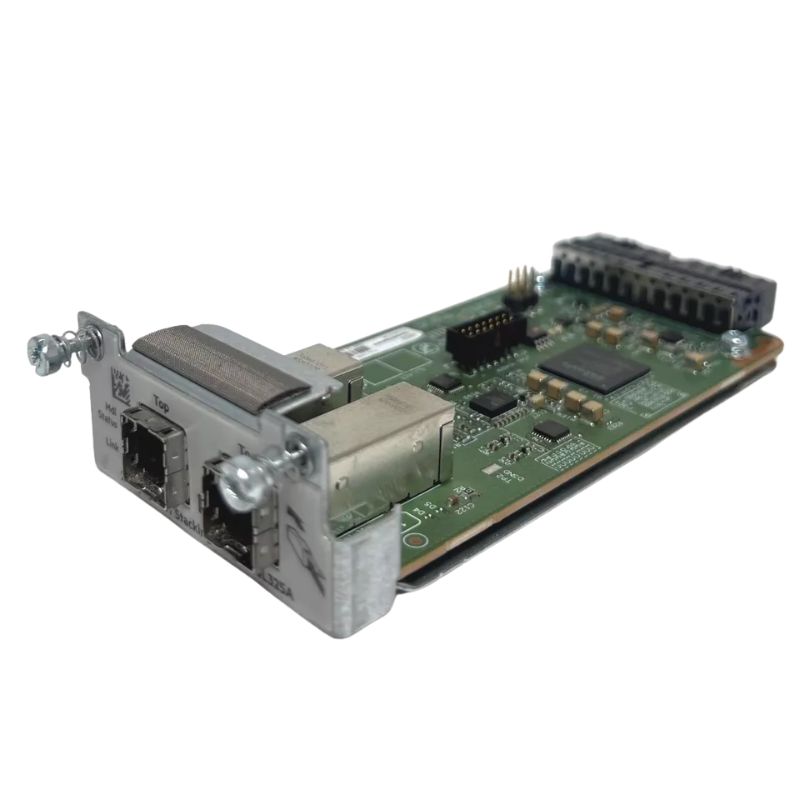


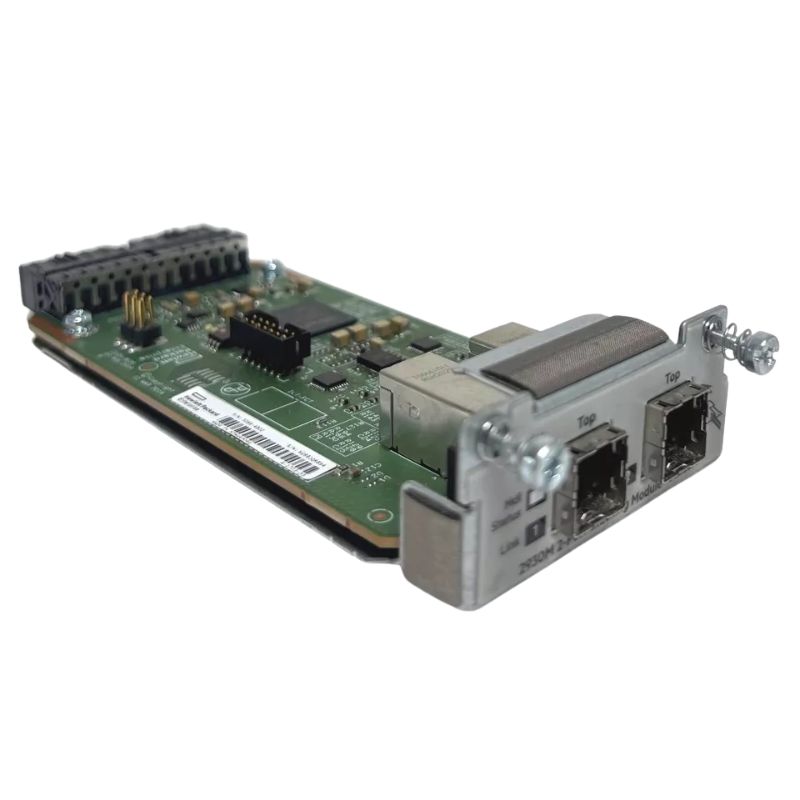
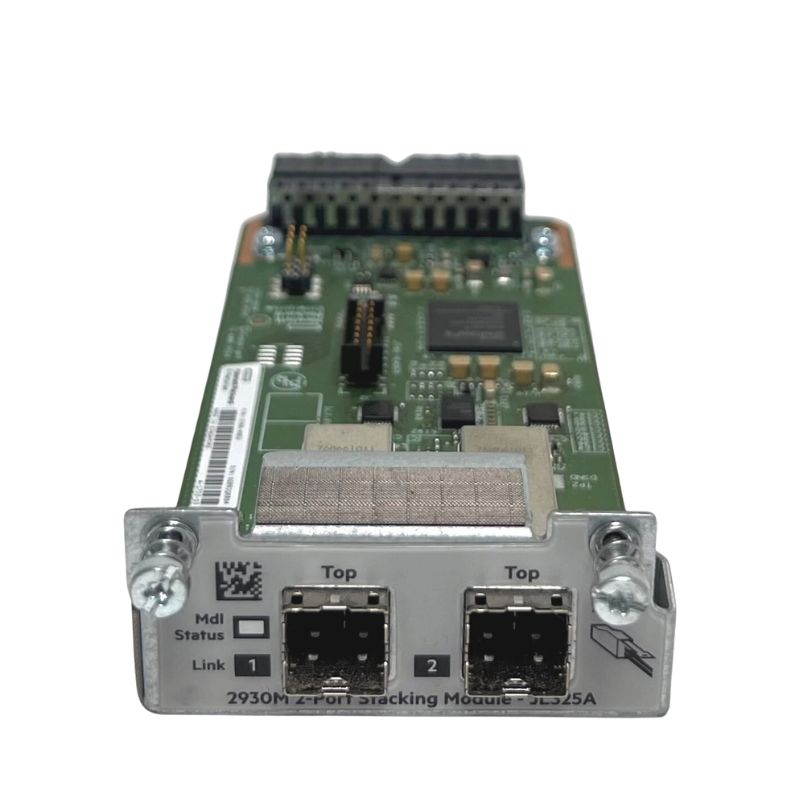
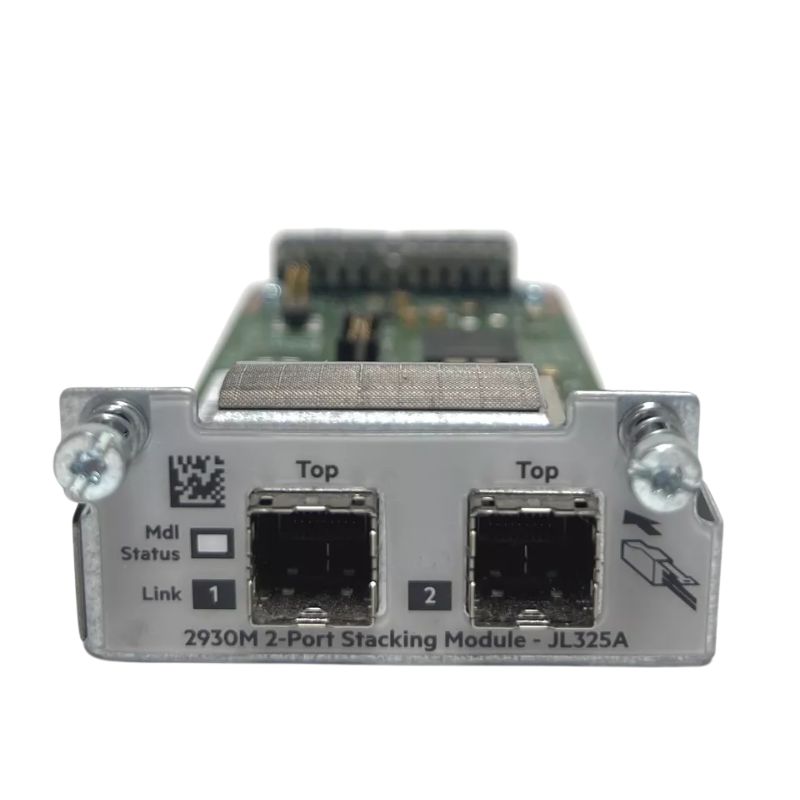
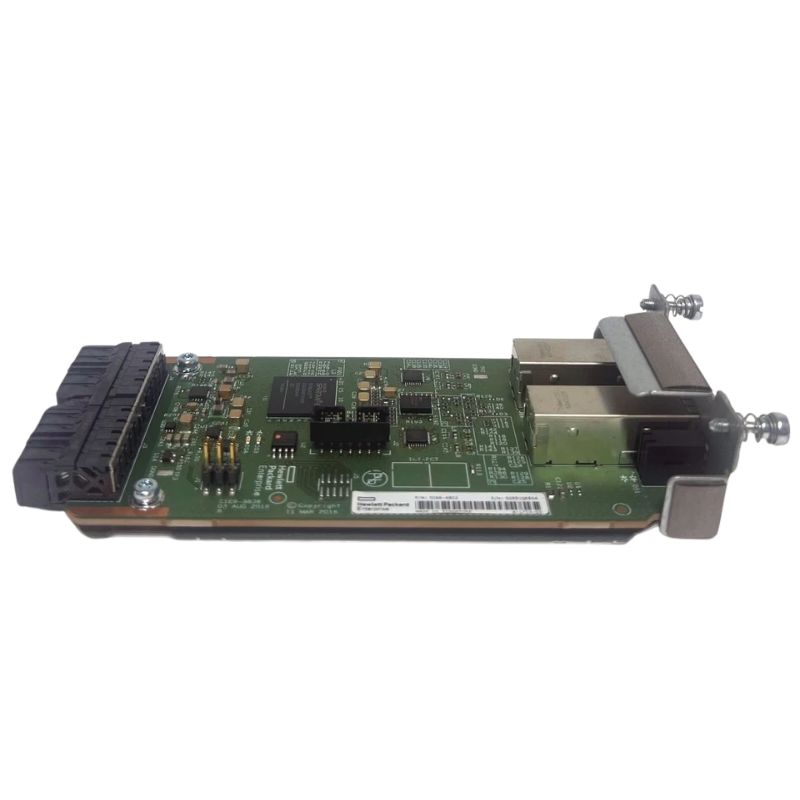
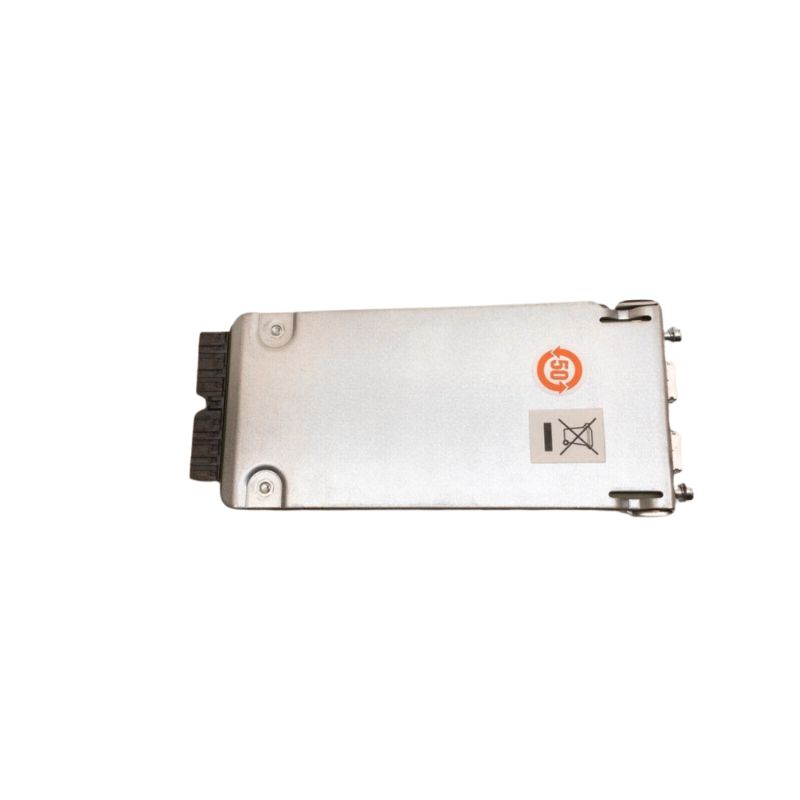
HPE JL325-61001 Aruba 2930 Stacking Module with 2 Ports. Factory-Sealed New in Original Box (FSB) with 3 Years Warranty
HPE JL325-61001 Aruba 2930 Stacking Module with 2 Ports. The HPE Aruba JL325-61001 stacking module is an advanced networking expansion component engineered to enhance the scalability and operational efficiency of enterprise-grade switching environments. Designed as a high-performance interconnect solution, this module enables seamless stacking capabilities within supported Aruba switch infrastructures, ensuring improved bandwidth aggregation, simplified network management, and enhanced redundancy. Built to support modern enterprise networking demands, it delivers reliable wired connectivity and stable performance for mission-critical deployments. Please format this into a paragraph; I will keep the rest exactly as it is.
The HPE JL325-61001 Aruba 2930 Stacking Module with 2 Ports represents a critical hardware expansion component designed to extend the capabilities of Aruba 2930 Series network switches. This stacking module is engineered to enable multiple switches within the same family to operate as a unified switching system, improving operational efficiency, simplifying management, and increasing overall network resiliency. By integrating dedicated stacking interfaces, the module allows high-speed interconnection between compatible switches, forming a single logical device that can be administered centrally. This design significantly reduces administrative overhead in enterprise environments where distributed switching infrastructures are common and performance consistency is essential.
Within modern enterprise network architecture, stacking modules like the JL325-61001 serve as a foundation for scalable switching topologies. Instead of managing multiple independent switches, network administrators can consolidate devices into a single stack, allowing for unified configuration, streamlined firmware upgrades, and improved redundancy. The Aruba 2930 series is widely deployed in campus networks, branch offices, and medium-scale enterprise environments, and the inclusion of a dedicated stacking module enhances its flexibility in handling dynamic network growth requirements.
The Aruba 2930 switch series is known for its enterprise-grade performance, Layer 3 capabilities, and advanced security features. The stacking module integrates directly into this ecosystem, enhancing the modular nature of the platform. The JL325-61001 is specifically designed to fit into the expansion slot of supported Aruba 2930 switches, enabling seamless hardware-level connectivity between units. Once installed, multiple switches can be interconnected using stacking cables that attach to the module’s ports, creating a high-speed backplane alternative without requiring additional external switching infrastructure.
The integration model of the Aruba 2930 stacking architecture ensures that the stacked switches behave as a single logical system. This includes shared MAC address tables, unified VLAN configuration, and synchronized control plane operations. The stacking module is therefore not merely an interface accessory but a core enabler of distributed switch virtualization within the physical network layer.
The JL325-61001 stacking module is built with enterprise reliability and high-throughput interconnectivity in mind. Featuring two dedicated stacking ports, the module provides redundant data pathways between switches, ensuring that communication between stack members remains stable even in the event of a link failure. The dual-port design allows administrators to implement ring or mesh stacking topologies depending on the desired resilience and performance characteristics.
From an engineering perspective, the module is optimized for low-latency switching communication. It minimizes packet forwarding delays between stack members and ensures that traffic distribution remains balanced across all connected devices. This architectural efficiency is essential in environments where time-sensitive applications such as VoIP, video conferencing, and real-time data processing are deployed.
The presence of two stacking ports is a defining characteristic of the JL325-61001 module. Each port functions as a high-bandwidth channel dedicated to inter-switch communication. When configured in a ring topology, both ports are used simultaneously to create a closed-loop data path, ensuring continuous operation even if one segment of the stack is disrupted. This redundancy enhances network stability and reduces the risk of downtime caused by hardware or cable failures.
The stacking ports are designed for deterministic performance, meaning that traffic flow between switches is predictable and consistent under varying network loads. This is particularly important in enterprise environments where traffic spikes can occur due to backup operations, software deployments, or large-scale data transfers.
The physical design of the stacking module ensures secure installation within compatible Aruba 2930 switches. It is constructed using durable components that withstand continuous operational loads typical in enterprise networking environments. The module connects directly to the switch backplane, enabling direct access to system resources and minimizing overhead associated with external interconnects.
The introduction of stacking capabilities through the JL325-61001 module significantly enhances the performance characteristics of Aruba 2930 deployments. By enabling multiple switches to function as a single logical entity, the network benefits from improved throughput distribution and simplified traffic management. Data flows can be dynamically balanced across stack members, reducing congestion and improving overall efficiency.
Latency reduction is another key advantage. Because stacking operates at hardware speed within the switch fabric, inter-switch communication is significantly faster than traditional uplink-based architectures. This results in improved response times for applications that rely on consistent network performance, particularly in environments such as financial services, healthcare systems, and large-scale enterprise campuses.
Scalability is one of the most important reasons organizations adopt stacking modules like the JL325-61001. As network demands grow, additional Aruba 2930 switches can be added to the stack without requiring major architectural redesign. This plug-and-play expansion model simplifies capacity planning and allows IT teams to scale incrementally based on operational requirements.
The stacking module enables a modular growth strategy where each additional switch becomes part of a unified system. This eliminates the complexity associated with managing multiple independent switching domains and reduces configuration duplication. Network administrators can deploy new switches, integrate them into the stack, and immediately apply centralized policies across all devices.
The JL325-61001 stacking module is also well suited for data center edge deployments where multiple access or aggregation switches are required. In such environments, stacking enables the creation of high-availability switching clusters that can handle large volumes of east-west and north-south traffic. This is particularly valuable in virtualized environments where workload mobility demands consistent network performance across multiple physical nodes.
Distributed networks, such as branch office infrastructures, also benefit from stacking. By consolidating switches into a single logical unit, organizations can reduce the complexity of remote management while maintaining enterprise-grade functionality at the edge of the network.
One of the primary advantages of the JL325-61001 stacking module is the simplification of network management tasks. A stacked switch system appears as a single device to network management platforms, allowing administrators to configure, monitor, and troubleshoot the entire stack from a centralized interface. This reduces the complexity associated with managing multiple independent devices and improves operational efficiency.
Monitoring tools can provide aggregated performance metrics for the entire stack, including throughput, latency, and error rates. This holistic visibility enables faster identification of network issues and more efficient troubleshooting processes. It also supports proactive maintenance strategies by highlighting potential performance bottlenecks before they impact end users.
Stacking architecture supported by the JL325-61001 module contributes indirectly to network security by centralizing control plane operations. When switches operate as a unified system, security policies such as access control lists, port security settings, and authentication mechanisms can be consistently applied across all stack members. This reduces the risk of misconfiguration and strengthens overall network security posture.
In addition, centralized firmware management ensures that security patches and updates are deployed uniformly, reducing vulnerability exposure across distributed switching environments. The stack-based model also simplifies auditing and compliance reporting by consolidating configuration data into a single management domain.
The JL325-61001 stacking module is designed for compatibility with select Aruba 2930 Series switches. Compatibility ensures that the module can integrate seamlessly with the switch firmware and hardware architecture. Before deployment, it is essential to verify that the switch model supports stacking functionality and that the firmware version is updated to the recommended release level.
Firmware synchronization across stacked devices is critical for maintaining operational stability. All switches within the stack should run the same software version to ensure consistent feature availability and prevent configuration conflicts. This unified software environment enhances the reliability of stack operations and ensures predictable behavior across all nodes.


 Contact Us
 Information
 Catalog
 Solid State Drives (SSD)
 Network Switches
 Hard Disk Drives
 HBA & Controllers
 PC & Servers
 PC & Server Memory
 CPU & Processors
 Network Routers
 Power Supplies
 Tape Drives & Libraries
 Network Devices
 Computer & Network Cables