(7% discount is applied at checkout)
Cart is empty
Your go-to destination for cutting-edge server products
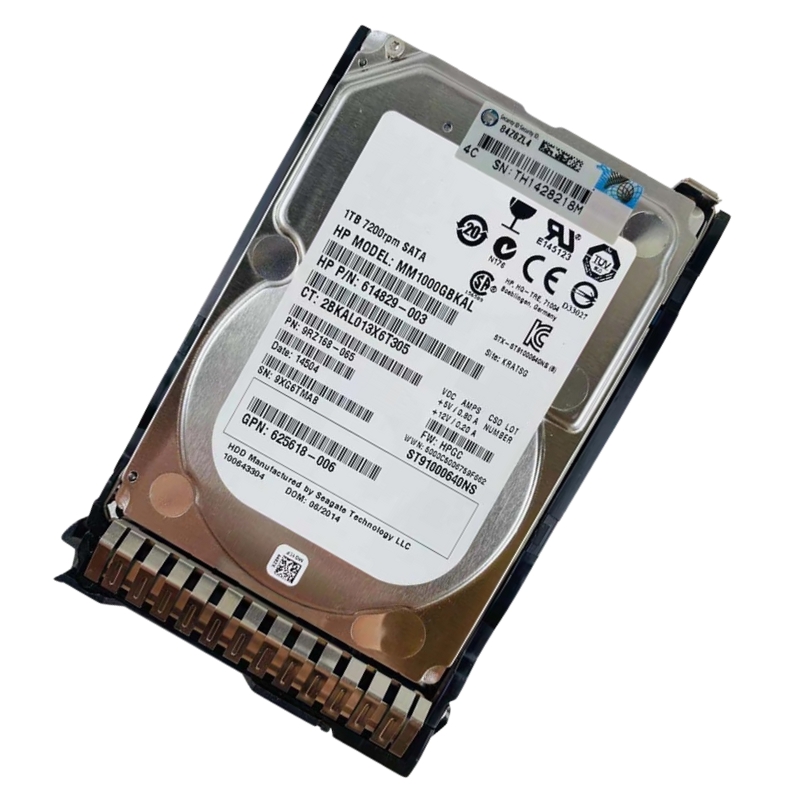


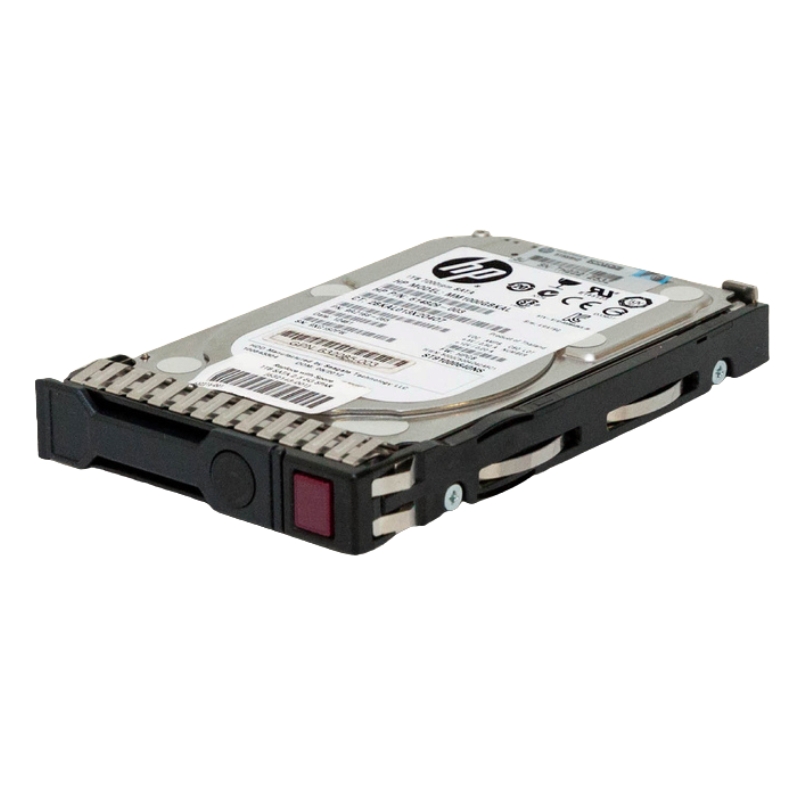
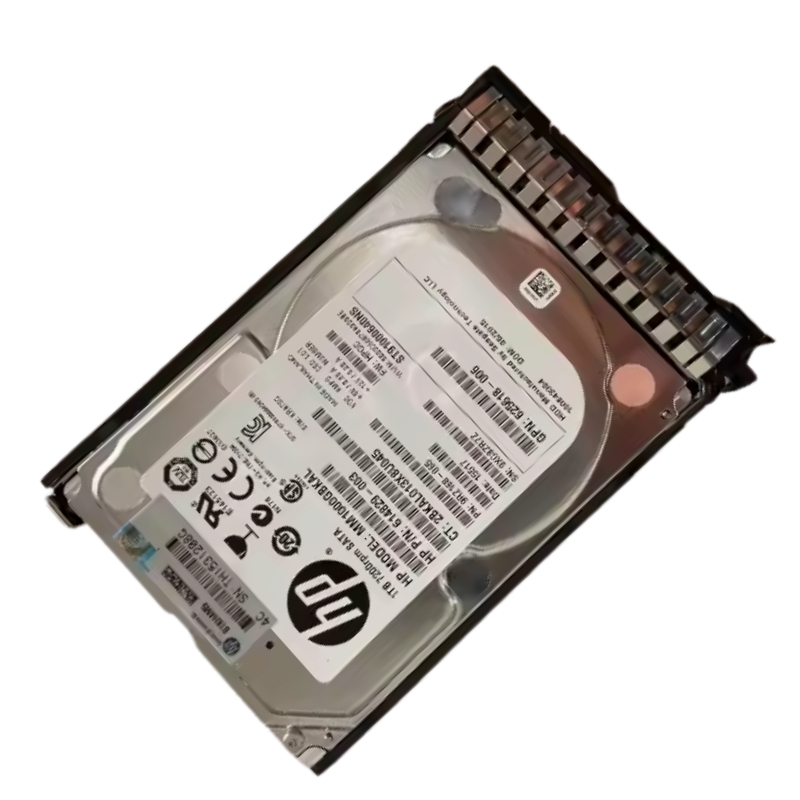
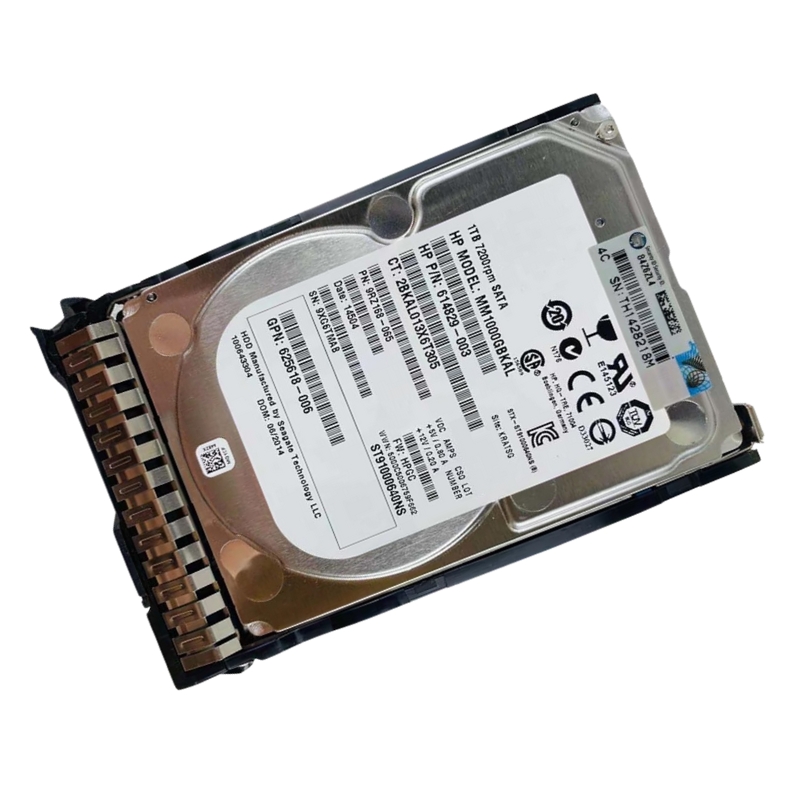
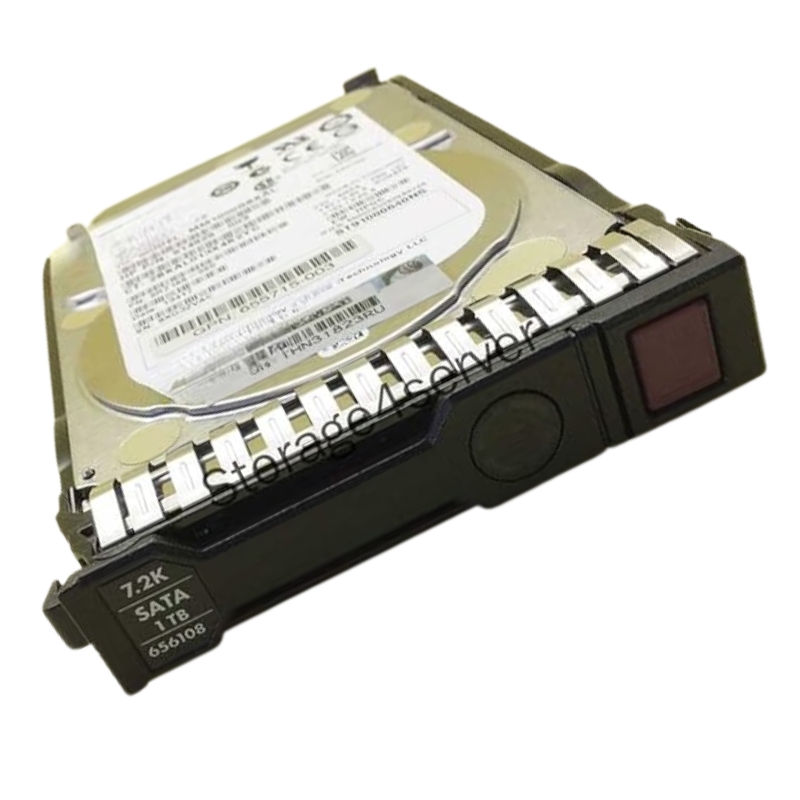
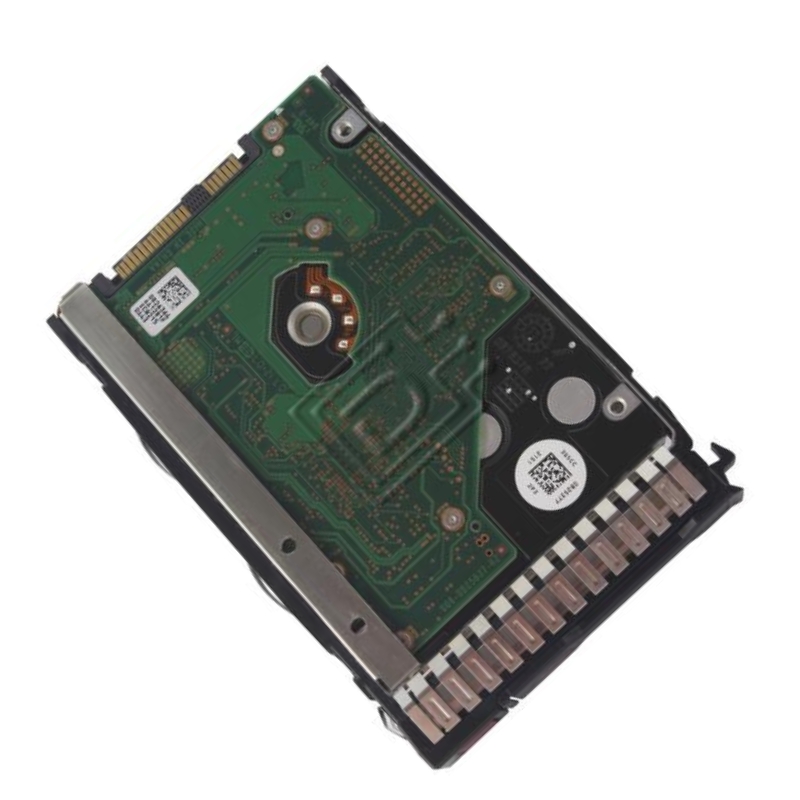
HP 1TB 7.2K RPM 2.5 Inches Form Factor 6G SATA Midline Hot Swap Hard Disk Drive In Tray - 655710-S21. New Sealed in Box (NIB) with 3 Year Warranty
| SKU/MPN | Warranty | Price | Condition | You save |
|---|---|---|---|---|
| 655710-S21 | 1 Year Warranty | $480.00 | New Sealed in Box (NIB) | You save: $168.00 (26%) |
| 655710-S21 | 1 Year Warranty | $57.00 | Excellent Refurbished | You save: $19.95 (26%) |
The HPE 655710-S21 is a reliable enterprise-grade storage solution designed for performance and scalability. With hot-swap capability and midline durability, this 1TB hard disk drive ensures seamless integration into HPE ProLiant servers.
The HPE 655710-S21 1TB 7.2K RPM 2.5 Inches Form Factor 6G SATA Midline Hot Swap Hard Disk Drive In Tray represents a critical segment of enterprise-grade storage solutions designed for data centers, server environments, and mission-critical workloads requiring balanced capacity, reliability, and cost efficiency. This category of hard disk drives is specifically engineered to provide consistent performance in mixed workload environments where storage density, energy efficiency, and operational uptime are equally important. The integration of midline architecture, hot swap capability, and enterprise validation makes this class of drives a foundational component in scalable IT infrastructure deployments.
Built under Hewlett Packard Enterprise engineering standards, this category of storage device focuses on delivering predictable performance under continuous operational loads. The 7,200 RPM rotational speed places it in the mid-performance range, offering a balance between high-speed enterprise drives and high-capacity archival storage units. The 2.5-inch small form factor enhances rack density and airflow optimization in modern server chassis, making it a preferred choice for organizations seeking to maximize storage per rack unit while minimizing power and cooling overhead.
The 2.5-inch form factor of the HPE 655710-S21 series is designed to optimize space utilization within enterprise servers. Unlike traditional 3.5-inch drives, this compact design allows for significantly higher storage density in blade servers and rack-mounted systems. The internal mechanical structure is engineered to withstand continuous vibration, thermal variation, and multi-drive enclosure environments. Precision-balanced platters and advanced spindle motor calibration ensure consistent rotational stability even under heavy I/O workloads.
The enclosure tray system integrated into the drive assembly enhances physical compatibility with HPE server bays, enabling seamless insertion and removal without system downtime. This tray-based design is critical in enterprise environments where operational continuity is essential. The tray also includes alignment guides and vibration dampening components that help reduce mechanical stress and extend drive lifespan.
The 6G SATA interface is a defining characteristic of this category, enabling a theoretical maximum data transfer rate of up to 6 gigabits per second. This interface standard provides backward compatibility with earlier SATA generations while ensuring improved throughput for modern storage workloads. The SATA architecture is widely adopted in enterprise environments due to its balance of cost efficiency, performance stability, and integration simplicity.
In practical deployment scenarios, the SATA interface facilitates efficient sequential and random read/write operations, making it suitable for workloads such as backup storage, data logging, archival systems, and general-purpose enterprise applications. The controller firmware within the drive is optimized for command queuing, reducing latency and improving I/O handling efficiency in multi-user environments.
Midline storage classification represents a hybrid category between high-performance enterprise SAS drives and high-capacity nearline storage devices. The HPE 655710-S21 falls within this segment, offering a strategic balance of performance, endurance, and cost per gigabyte. Midline drives are engineered for workloads that require consistent availability but do not demand extreme IOPS performance.
This category is particularly suitable for applications such as virtual machine storage repositories, departmental file sharing systems, backup repositories, and cold data storage layers in tiered storage architectures. The firmware optimization prioritizes stability and predictable throughput rather than peak performance bursts, ensuring that system administrators can rely on consistent behavior under sustained load conditions.
Operating at 7,200 revolutions per minute, the drive achieves a balance between speed and durability. This rotational speed reduces average seek time compared to lower RPM archival drives while maintaining lower power consumption and heat output than higher-performance 10K or 15K RPM enterprise drives. The mechanical latency profile is optimized for general enterprise workloads, enabling smooth handling of mixed read/write operations.
Latency management is further enhanced through onboard caching mechanisms that temporarily store frequently accessed data. This reduces the need for repeated mechanical access, improving overall throughput efficiency in environments with repetitive data requests.
Enterprise environments require consistent performance over extended operational cycles. The HPE 655710-S21 category is designed to maintain stable throughput even under continuous read/write activity. The drive firmware incorporates adaptive error correction and workload balancing algorithms that mitigate performance degradation during peak usage periods.
Sustained data transfer rates are particularly important in backup windows, virtualization storage operations, and database logging systems. The drive’s architecture ensures that performance does not fluctuate significantly, even when multiple drives operate concurrently within a shared storage enclosure.
The internal cache memory plays a significant role in enhancing performance efficiency. By storing frequently accessed data blocks temporarily, the drive reduces physical disk movement, thereby improving response times. The cache management system dynamically adjusts based on workload patterns, ensuring that frequently used data paths are prioritized for faster retrieval.
This adaptive caching mechanism is particularly beneficial in enterprise applications where repeated access to similar datasets is common. It improves system responsiveness and reduces overall mechanical wear on drive components.
One of the most critical features of this category is its hot swap capability, which allows drives to be replaced or installed without shutting down the host system. This functionality is essential in enterprise data centers where uptime is a primary operational requirement. The hot swap mechanism is supported by both hardware tray design and firmware-level coordination with server controllers.
When a drive is inserted or removed, the system automatically detects the change and reconfigures storage arrays without interrupting active workloads. This capability reduces maintenance windows and improves overall system availability.
Energy efficiency is a key consideration in enterprise storage design. The 7,200 RPM midline architecture is optimized to consume significantly less power compared to high-performance enterprise drives. This reduction in power consumption translates directly into lower operational costs, especially in large-scale data center deployments where hundreds or thousands of drives may be in operation simultaneously.
The drive dynamically adjusts power states based on activity levels, entering low-power modes during idle periods while maintaining readiness for rapid reactivation. This intelligent power management system ensures that energy usage is minimized without compromising responsiveness.
Thermal stability is essential for maintaining long-term drive reliability. The 2.5-inch form factor contributes to improved airflow dynamics within server chassis, allowing cooling systems to operate more efficiently. Reduced heat generation also minimizes thermal throttling risks, ensuring consistent performance even under sustained workloads.
Server environments deploying this category of drives benefit from optimized airflow channels that distribute cooling evenly across densely packed storage arrays. This prevents localized overheating and contributes to uniform performance across all installed drives.
Enterprise storage systems often house multiple drives within close proximity, resulting in potential vibration interference. The mechanical design of this category includes vibration dampening features that minimize the impact of external movement on read/write accuracy. These design enhancements ensure stable operation even in high-density storage arrays.
By reducing micro-vibrations, the drive maintains consistent head positioning accuracy, which directly contributes to improved performance stability and reduced error rates.
The HPE 655710-S21 category is widely used in virtualization environments where multiple virtual machines share underlying physical storage resources. Its balanced performance profile ensures stable operation across diverse workloads, making it suitable for cloud infrastructure and hybrid data centers.
In virtualization scenarios, the drive supports concurrent access patterns efficiently, ensuring that multiple virtual machines can operate without significant performance degradation.
Backup systems require reliable, high-capacity storage that can handle large sequential writes. This category excels in such environments due to its sustained throughput capabilities and cost-effective storage density. It is commonly deployed in backup repositories, disaster recovery systems, and long-term archival solutions.
The drive’s stability under continuous write operations ensures that backup processes complete reliably without data loss or corruption.
In shared file storage environments, consistent read/write performance is essential for user productivity. The drive supports multi-user access scenarios efficiently, making it suitable for departmental file servers and collaborative data platforms.
Its ability to handle mixed workloads ensures that both sequential and random access operations are processed effectively without significant performance bottlenecks.
The category integrates seamlessly with enterprise RAID controllers, enabling flexible storage configuration options. Whether deployed in mirrored configurations for redundancy or striped arrays for performance, the drive maintains consistent behavior across different RAID levels.
Controller-level caching and optimization further enhance performance by coordinating data distribution across multiple drives, ensuring balanced workload distribution and improved fault tolerance.


 Contact Us
 Information
 Catalog
 Solid State Drives (SSD)
 Network Switches
 Hard Disk Drives
 HBA & Controllers
 PC & Servers
 PC & Server Memory
 CPU & Processors
 Network Routers
 Power Supplies
 Tape Drives & Libraries
 Network Devices
 Computer & Network Cables