(7% discount is applied at checkout)
Cart is empty
Your go-to destination for cutting-edge server products
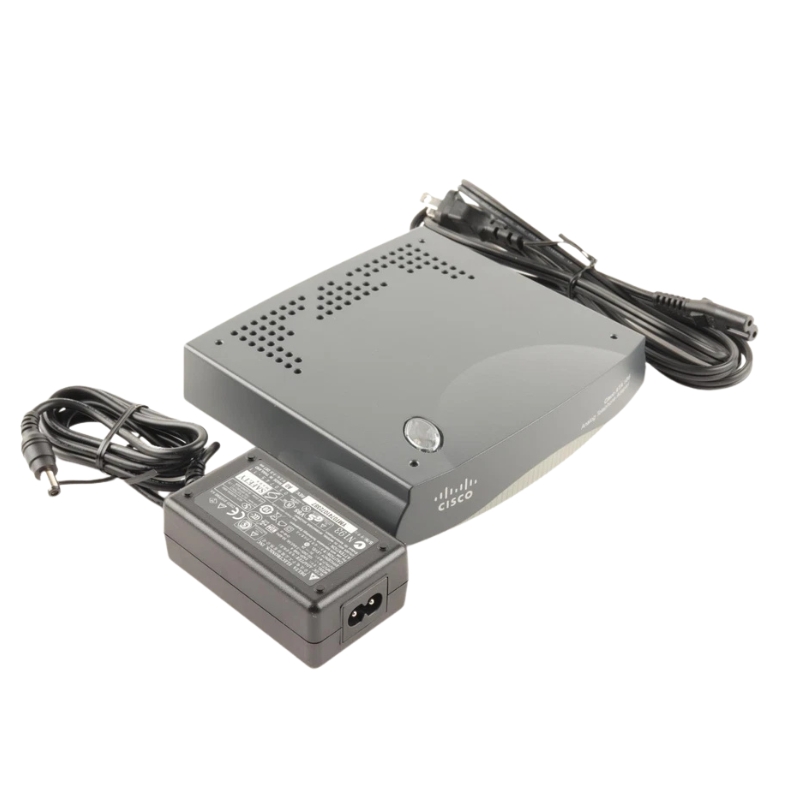


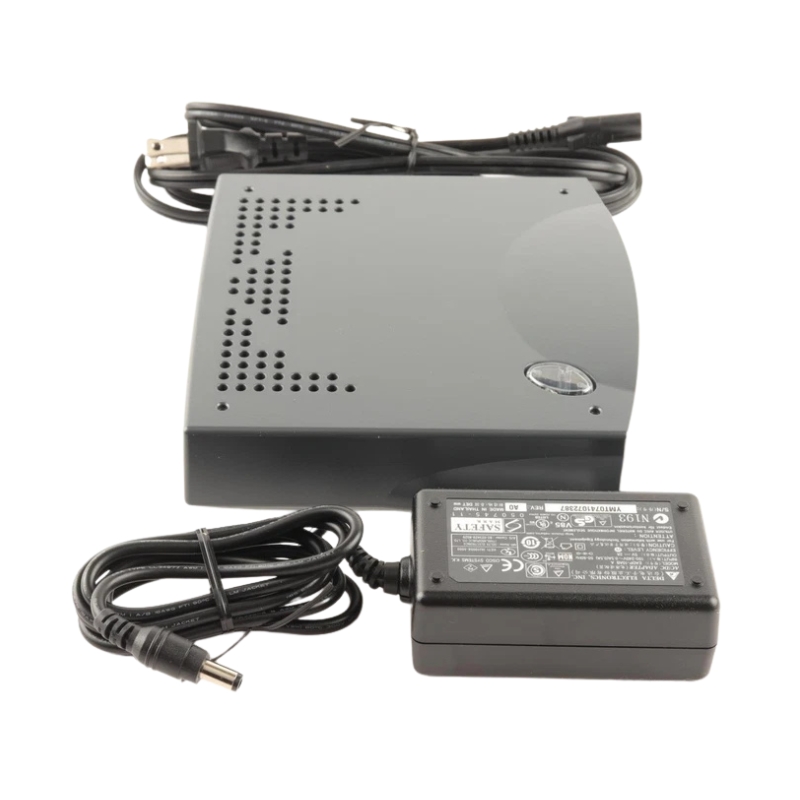
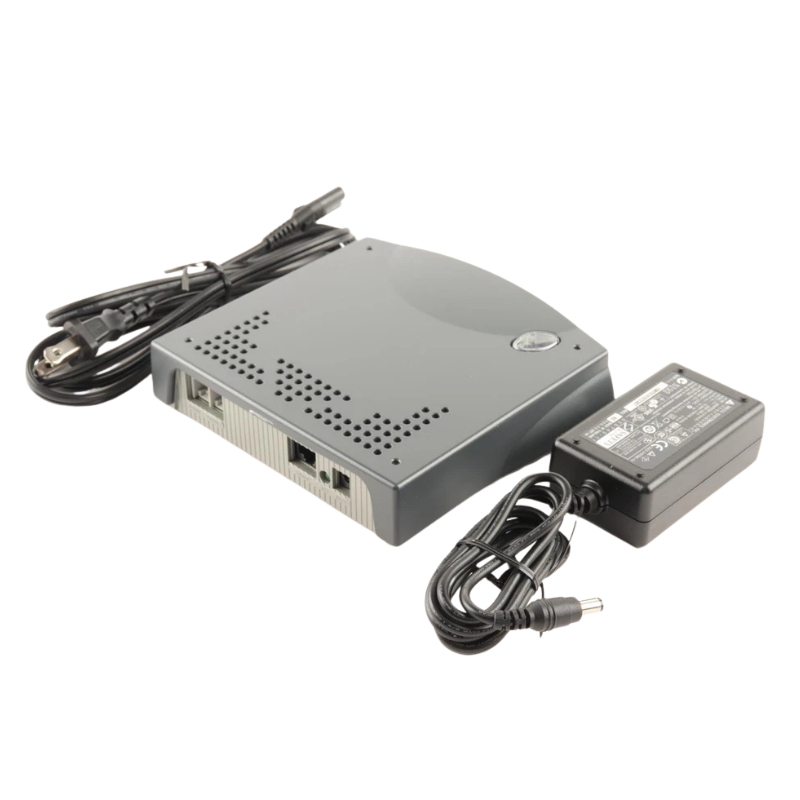
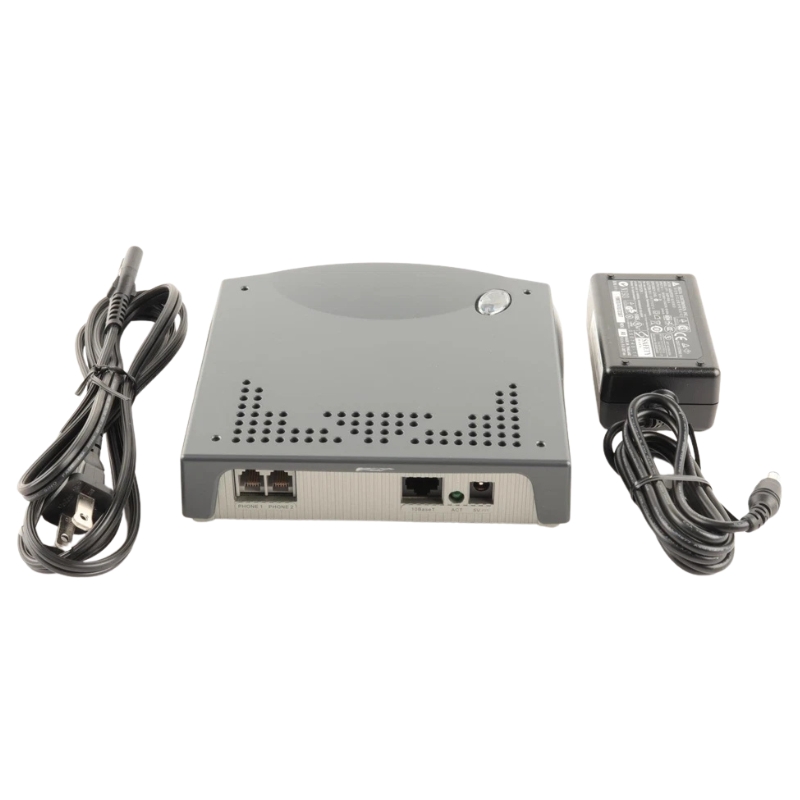
Cisco ATA187-I1-A ATA 187 Analog VoIP Gateway 2U Rack-mountable. Factory-Sealed New in Original Box (FSB) with 1 year replacement warranty
| SKU/MPN | Warranty | Price | Condition | You save |
|---|---|---|---|---|
| ATA187-I1-A | 1 Year Warranty | $260.00 | Factory-Sealed New Retail in Original Box (FSB) | You save: $91.00 (26%) |
| ATA187-I1-A | 1 Year Warranty | $110.00 | Excellent Refurbished | You save: $38.50 (26%) |
Cisco ATA187-I1-A ATA 187 Analog VoIP Gateway 2U Rack-mountable is a high-performance analog-to-VoIP gateway designed to bridge traditional telephony systems with modern IP-based communication networks. This compact yet powerful device enables seamless voice integration by converting analog signals into digital packets, ensuring stable and efficient communication across enterprise environments. Built for reliability and scalability, it supports business-grade telephony migration while maintaining voice clarity and operational consistency.
The Cisco ATA187-I1-A ATA 187 Analog VoIP Gateway 2U Rack-mountable device represents an enterprise communication bridge designed to connect traditional analog telephony systems with modern IP-based voice infrastructure. Built to support hybrid telephony environments, this gateway enables organizations to continue using legacy analog devices while transitioning into fully digital voice over IP ecosystems. Within large enterprise deployments, service provider networks, and distributed communication architectures, this category of gateway plays a critical role in ensuring continuity, interoperability, and scalable telephony modernization.
Developed within the broader enterprise communication portfolio of Cisco, the ATA 187 platform is engineered to support robust analog device integration, including telephones, fax machines, paging systems, and specialized communication endpoints. The 2U rack-mountable design enhances deployment flexibility in structured data center environments, server rooms, and enterprise communication racks where centralized voice infrastructure management is required.
Modern enterprise communication environments often consist of mixed infrastructure, where legacy analog systems continue to operate alongside IP-based unified communication platforms. The Cisco ATA187-I1-A ATA 187 Analog VoIP Gateway facilitates seamless integration between these two communication domains, allowing analog signals to be converted into digital IP packets for transmission across Ethernet-based networks.
This conversion process enables organizations to preserve existing analog investments while gradually migrating toward cloud-based telephony services, unified communication platforms, and SIP-based call control systems. The gateway acts as a translator between traditional circuit-switched telephony and packet-switched voice networks, ensuring communication continuity without requiring immediate replacement of analog endpoints.
In large-scale deployments, hybrid telephony integration becomes essential for supporting business continuity, minimizing migration costs, and ensuring operational stability during infrastructure upgrades. The ATA 187 category supports environments where gradual modernization is preferred over disruptive full-scale replacement strategies.
The Cisco ATA187-I1-A ATA 187 Analog VoIP Gateway supports connectivity for multiple analog endpoints commonly found in enterprise environments. These endpoints may include standard analog telephones used in office environments, legacy fax machines still required for regulatory or contractual communication, analog paging systems used in manufacturing or healthcare facilities, and specialized communication devices that are not natively IP-enabled.
By providing analog Foreign Exchange Station interfaces, the gateway allows these devices to register and function within IP telephony systems without requiring hardware replacement. This capability is particularly valuable in environments where legacy infrastructure remains operationally critical or where regulatory compliance requires continued support for analog communication methods.
The ability to maintain analog endpoint functionality ensures that organizations can continue using established workflows while benefiting from modern IP telephony features such as centralized call routing, digital call recording, and unified communication integration.
The 2U rack-mountable form factor of the Cisco ATA187-I1-A ATA 187 Analog VoIP Gateway is designed for structured enterprise environments where efficient use of rack space, cable management, and system organization are essential. Data centers, communication closets, and enterprise telephony rooms often require standardized equipment mounting to ensure scalability and maintainability.
The rack-mounted design supports integration into existing server infrastructure alongside switches, routers, power distribution units, and communication controllers. This physical configuration simplifies installation and maintenance while enabling centralized management of voice infrastructure components.
In high-density deployments, rack-mounted gateways help reduce physical footprint complexity while improving airflow management, thermal efficiency, and system accessibility. These characteristics are particularly important in enterprise environments where multiple communication gateways may be deployed across distributed locations.
The core functionality of the Cisco ATA187-I1-A ATA 187 Analog VoIP Gateway is the conversion of analog voice signals into IP-based communication streams. This process involves digitizing analog audio, compressing voice data using supported codecs, and transmitting packets across IP networks for delivery to unified communication systems or SIP-based call controllers.
This conversion enables real-time voice communication across geographically distributed networks, supporting enterprise communication requirements such as internal collaboration, customer service operations, remote workforce connectivity, and inter-office communication systems.
By leveraging packet-based transmission, organizations benefit from more efficient bandwidth utilization, centralized call control, and integration with modern communication platforms such as IP PBX systems and cloud-based telephony services. The gateway ensures that analog devices can participate fully in these environments without requiring direct IP capability.
Communication reliability is a fundamental requirement for enterprise operations. The Cisco ATA187-I1-A ATA 187 Analog VoIP Gateway is designed to maintain consistent voice connectivity even in complex network environments where latency, jitter, and packet loss must be managed effectively.
In enterprise telephony systems, continuity of communication is essential for customer support centers, operational command structures, emergency communication systems, and internal collaboration networks. The gateway supports stable voice transmission by integrating with quality of service mechanisms that prioritize voice traffic over standard data traffic within IP networks.
Operational continuity is further enhanced through compatibility with redundant network architectures, ensuring that communication services remain available even during network interruptions or infrastructure maintenance events.
The Cisco ATA187-I1-A ATA 187 Analog VoIP Gateway is commonly deployed as part of unified communication ecosystems where voice, video, messaging, and collaboration services are integrated into a single platform. In such environments, analog endpoints become part of a broader communication fabric that supports multiple interaction channels.
Integration with unified communication systems allows analog devices to participate in advanced telephony features such as call forwarding, voicemail integration, conferencing, and centralized call management. This enables organizations to extend the lifecycle of existing analog devices while leveraging modern communication capabilities.
Unified communication integration also supports centralized policy enforcement, user authentication, and call routing management, ensuring consistent communication behavior across all endpoints regardless of device type.
The Cisco ATA187-I1-A ATA 187 Analog VoIP Gateway supports standardized communication protocols used in IP telephony environments. These protocols enable interoperability with a wide range of call control systems, session border controllers, and voice infrastructure components.
Session Initiation Protocol support ensures compatibility with modern IP PBX systems and cloud-based communication platforms. The gateway also integrates with network signaling frameworks that manage call setup, teardown, and session management across distributed networks.
This protocol compatibility ensures that the gateway can be deployed in diverse network architectures without requiring extensive customization or proprietary system dependencies.
Security is an essential component of enterprise communication systems, particularly in environments handling sensitive business information, financial transactions, or regulated data. The Cisco ATA187-I1-A ATA 187 Analog VoIP Gateway supports secure voice transmission through encryption mechanisms and authentication protocols designed to protect communication integrity.
Voice traffic security ensures that analog-originated communications converted into IP streams are protected from interception, tampering, or unauthorized access during transmission across enterprise networks or public infrastructure.
Security frameworks within telephony systems also include network segmentation, access control policies, and secure provisioning methods that ensure only authorized devices can register and communicate within the voice network.
Enterprise communication environments often require scalable infrastructure capable of supporting thousands of endpoints across multiple locations. The Cisco ATA187-I1-A ATA 187 Analog VoIP Gateway supports scalable deployment strategies where multiple units can be distributed across branches, campuses, and remote facilities.
This scalability enables organizations to expand communication capacity without redesigning core infrastructure. Each gateway operates as part of a larger communication ecosystem, contributing to overall system capacity and reliability.
Scalable deployment is particularly important in industries such as healthcare, education, government administration, retail operations, and service provider networks where communication demand fluctuates based on operational requirements.
Many enterprises continue to rely on legacy analog communication systems due to operational dependency, regulatory requirements, or cost considerations. The Cisco ATA187-I1-A ATA 187 Analog VoIP Gateway enables these systems to remain functional while organizations transition toward modern IP-based communication infrastructures.
This preservation strategy reduces capital expenditure associated with full system replacement while allowing gradual modernization. It also minimizes operational disruption by enabling coexistence between analog and digital communication systems.
Organizations adopting hybrid communication strategies benefit from extended infrastructure lifecycle, reduced migration risk, and improved flexibility in communication system planning.
The Cisco ATA187-I1-A ATA 187 Analog VoIP Gateway is widely applicable across multiple industries where communication reliability and system interoperability are essential. In corporate environments, it supports internal communication networks and customer-facing communication systems. In healthcare environments, it enables connectivity for paging systems and legacy communication devices. In manufacturing environments, it supports operational communication systems used for coordination and safety messaging.
In government and public sector environments, the gateway supports secure communication between departments and legacy systems that remain in operational use. In financial services, it enables integration between analog communication systems and secure digital communication platforms used for transaction support and customer service operations.
Efficient management of communication infrastructure is essential in large-scale deployments. The Cisco ATA187-I1-A ATA 187 Analog VoIP Gateway supports centralized administration approaches that allow network teams to configure, monitor, and maintain multiple devices across distributed environments.
System administration capabilities include configuration management, status monitoring, and integration with network management platforms that provide visibility into voice traffic performance and device health. This centralized approach reduces operational complexity and improves system reliability.
Network administrators benefit from streamlined provisioning processes that simplify deployment across large numbers of endpoints while maintaining consistent configuration standards.
The Cisco ATA187-I1-A ATA 187 Analog VoIP Gateway represents a strategic component in long-term communication infrastructure planning. By enabling analog to IP transformation, it supports gradual modernization while preserving existing investments and ensuring operational continuity.
This approach allows organizations to evolve communication systems in alignment with business growth, technological advancement, and changing operational requirements. The gateway supports a transition path toward fully digital communication environments without forcing immediate infrastructure replacement.
As enterprise communication continues to evolve toward cloud-based platforms and unified communication ecosystems, the role of analog gateway technology remains essential for bridging legacy systems with modern digital infrastructure.


 Contact Us
 Information
 Catalog
 Solid State Drives (SSD)
 Network Switches
 Hard Disk Drives
 HBA & Controllers
 PC & Servers
 PC & Server Memory
 CPU & Processors
 Network Routers
 Power Supplies
 Tape Drives & Libraries
 Network Devices
 Computer & Network Cables