(7% discount is applied at checkout)
Cart is empty
Your go-to destination for cutting-edge server products
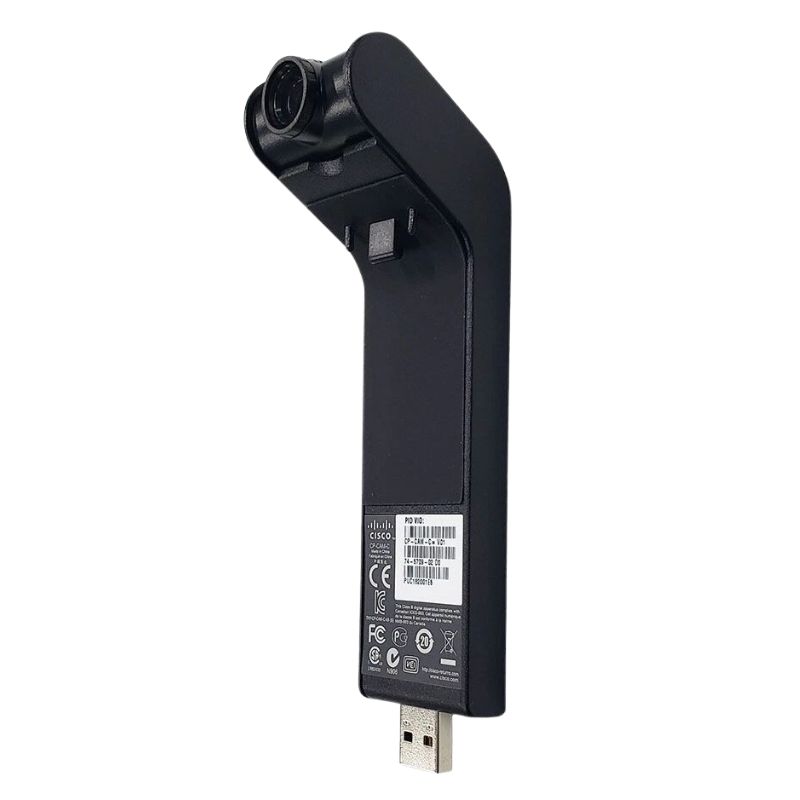


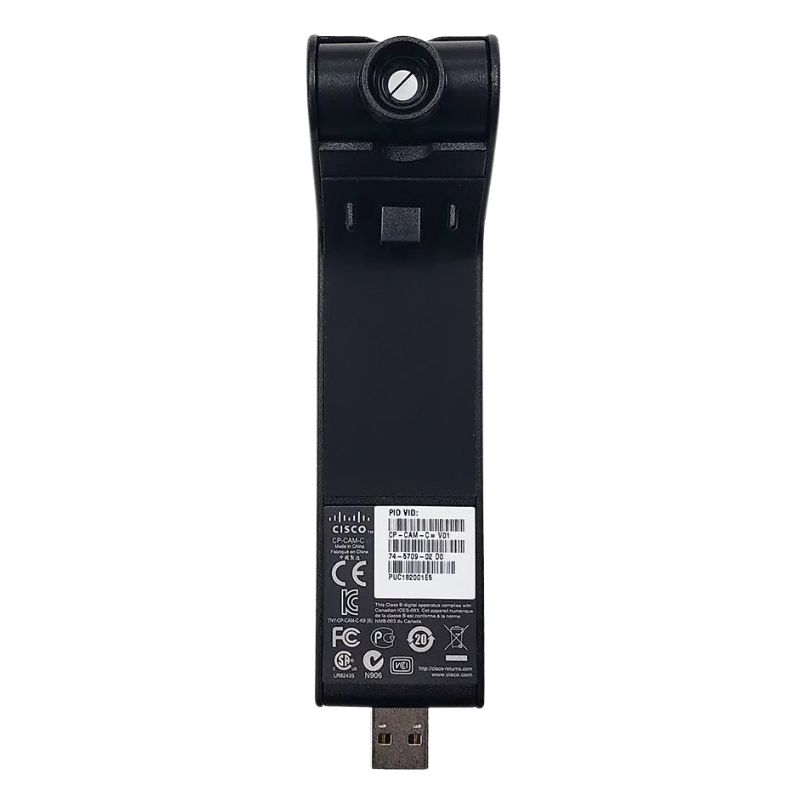
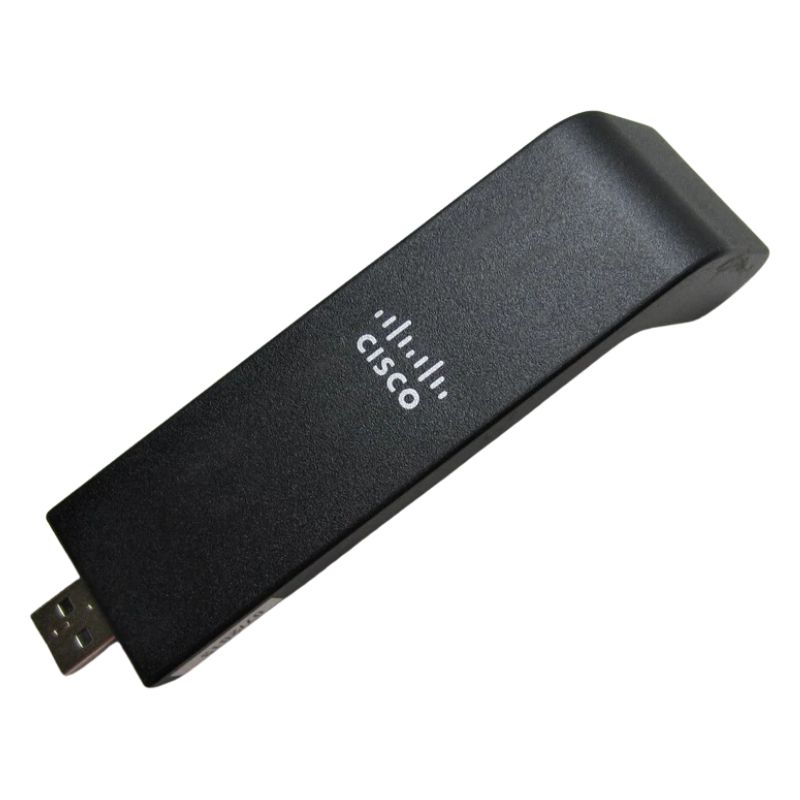
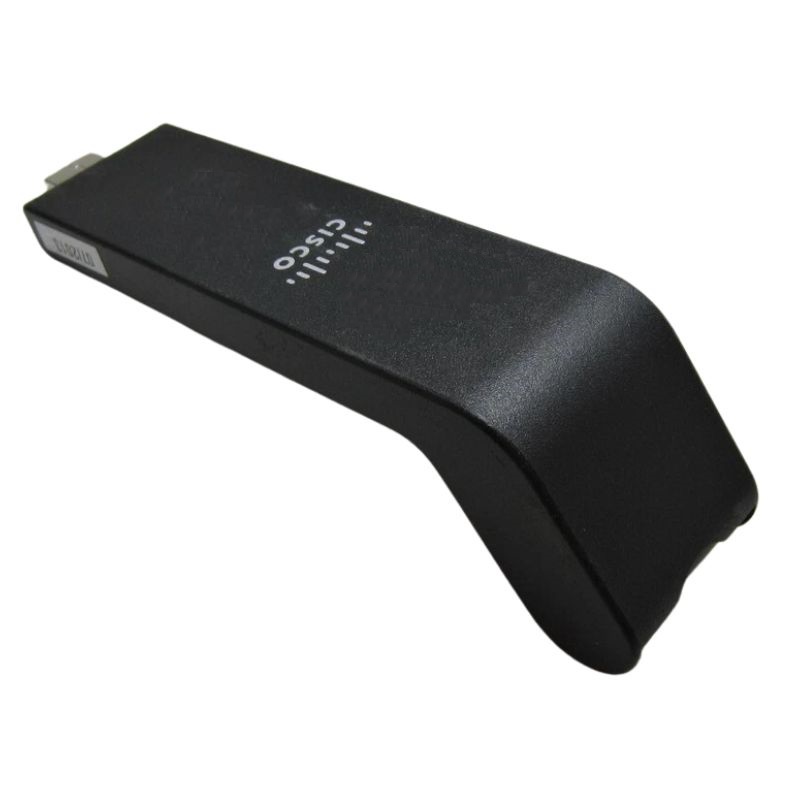
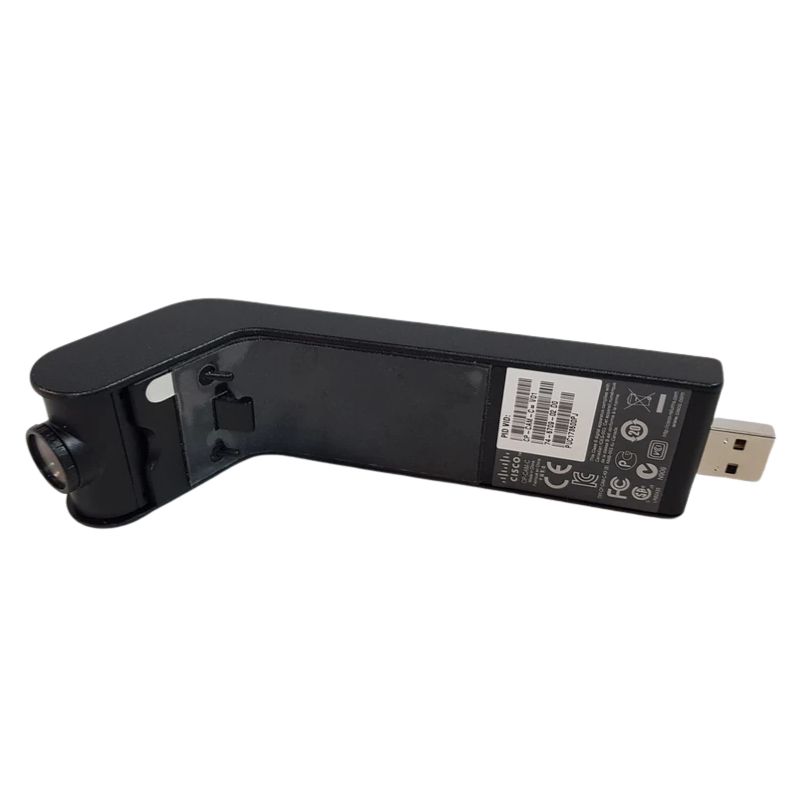
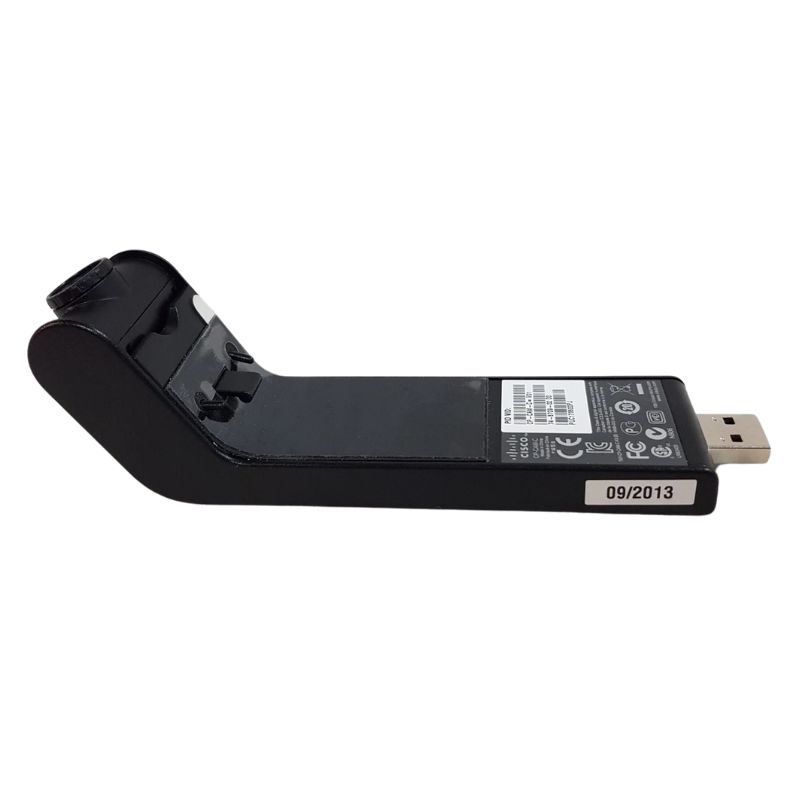
Cisco CP-CAM-C Auto-focus Unified Video Conferencing Camera. Factory-Sealed New in Original Box (FSB) with 1 year replacement warranty
| SKU/MPN | Warranty | Price | Condition | You save |
|---|---|---|---|---|
| CP-CAM-C | 1 Year Warranty | $50.00 | Excellent Refurbished | You save: $17.50 (26%) |
| CP-CAM-C | 1 Year Warranty | $65.00 | Factory-Sealed New Retail in Original Box (FSB) | You save: $22.75 (26%) |
The Cisco CP-CAM-C Unified Video Conferencing Camera is a professional-grade communication device designed to enhance enterprise video collaboration within Cisco Unified IP Phone ecosystems. Built for reliability, clarity, and efficient performance, this camera supports smooth real-time video communication for business meetings, remote collaboration, and unified communications environments.
Video Resolution and Frame Performance
The Cisco CP-CAM-C Unified Video Conferencing Camera is designed to enhance enterprise-grade communication experiences by delivering stable, high-quality video capture at up to 30 frames per second. Built to integrate seamlessly into modern collaboration environments, this conferencing camera is engineered for organizations that require consistent visual clarity, smooth motion rendering, and reliable interoperability within unified communication ecosystems. Developed within the advanced communications portfolio of the CP-CAM-C model represents a focused approach toward professional video conferencing enhancement, supporting corporate meetings, remote collaboration, and digital workplace transformation strategies.
As businesses continue to adopt hybrid and remote working models, the demand for high-performance video conferencing equipment has increased significantly. The CP-CAM-C Unified Video Conferencing Camera is positioned within this growing category of professional conferencing hardware, offering optimized video output that supports clear communication between distributed teams. Its 30 FPS capability ensures that motion remains fluid and natural, reducing latency artifacts and improving user engagement during virtual meetings, webinars, training sessions, and executive conferences.
The Cisco CP-CAM-C belongs to the enterprise unified communications camera category, which focuses on delivering hardware-level optimization for business video environments. Unlike consumer webcams, enterprise conferencing cameras prioritize stability, scalability, and integration with enterprise communication platforms. The CP-CAM-C is engineered to function within structured IT environments where reliability and interoperability are critical.
This category includes devices that are commonly deployed in boardrooms, huddle spaces, conference halls, training centers, and remote collaboration hubs. The CP-CAM-C is particularly suited for organizations that depend on consistent video quality for decision-making processes, stakeholder communication, and cross-border collaboration. Its integration capabilities ensure compatibility with Cisco conferencing systems and other unified communication infrastructures.
The role of unified video conferencing cameras like the CP-CAM-C extends beyond simple video capture. These devices act as communication enablers that bridge geographical gaps and facilitate real-time interaction. In enterprise environments, video clarity directly impacts productivity, engagement, and decision accuracy. The CP-CAM-C ensures that participants can observe facial expressions, gestures, and visual cues without distortion, improving the quality of virtual communication.
The CP-CAM-C Unified Video Conferencing Camera is built with a focus on durability and long-term operational efficiency. Its engineering design reflects the requirements of enterprise IT environments, where hardware must function continuously without degradation in performance. The camera’s compact structure allows flexible installation in different meeting room configurations while maintaining professional aesthetics.
Its lens system is optimized for wide-angle capture, ensuring that multiple participants can be included within a single frame without compromising visual clarity. The internal processing system is designed to maintain consistent frame rates, delivering smooth 30 FPS video output even in varying lighting conditions.
The physical construction of the CP-CAM-C emphasizes robustness and reliability. It is designed to withstand long operational hours typical in corporate environments. The housing materials are selected to provide resistance against heat buildup and environmental wear, ensuring sustained performance over extended deployment cycles.
One of the defining characteristics of the Cisco CP-CAM-C Unified Video Conferencing Camera is its ability to deliver video at 30 frames per second. This frame rate is considered optimal for business conferencing applications, striking a balance between smooth motion rendering and bandwidth efficiency. The result is a natural and fluid visual experience that enhances communication clarity.
At 30 FPS, motion transitions appear seamless, reducing jitter and motion blur during participant movements. This is especially important in dynamic meeting environments where speakers frequently gesture or shift positions. The camera’s processing engine ensures that each frame is captured and transmitted with minimal delay, preserving real-time interaction quality.
High frame rate performance contributes directly to improved communication outcomes. Participants are better able to interpret visual cues, leading to more effective collaboration. In enterprise settings such as board meetings or project reviews, this level of clarity supports better understanding and decision-making efficiency.
The CP-CAM-C is designed to integrate into unified communication ecosystems, supporting seamless interoperability with conferencing platforms and collaboration tools. This ensures that organizations can deploy the camera without requiring extensive configuration or system redesign.
Its compatibility with Cisco-based conferencing infrastructure allows IT administrators to manage deployments centrally, reducing operational complexity. Integration capabilities extend to video conferencing software, telepresence systems, and cloud-based communication platforms, making it a versatile solution for modern enterprises.
Scalability is a critical factor in enterprise hardware selection. The CP-CAM-C supports scalable deployment across multiple meeting rooms and office locations. Organizations can standardize their video conferencing infrastructure using this camera model, ensuring consistent user experience across departments and geographical locations.
In corporate environments, the camera is commonly used for internal meetings, client presentations, and strategic planning sessions. Its ability to maintain high-quality video output ensures that communication remains professional and effective regardless of participant location.
The CP-CAM-C Unified Video Conferencing Camera is designed for straightforward installation within enterprise environments. It supports flexible mounting options, allowing it to be positioned on monitors, conference room walls, or dedicated camera stands. This adaptability ensures optimal framing and coverage for different room sizes and layouts.
IT departments benefit from simplified deployment processes, as the camera can be integrated into existing conferencing systems with minimal configuration. This reduces setup time and ensures faster rollout across multiple organizational units.
Different meeting spaces require different camera positioning strategies. The CP-CAM-C accommodates this requirement by offering flexible angle adjustment capabilities. Whether deployed in small huddle rooms or large conference halls, it maintains consistent framing quality.
The optical performance of the CP-CAM-C is engineered to deliver sharp and detailed video output. Its lens system captures accurate color representation and balanced exposure, ensuring that participants appear natural under various lighting conditions. This is essential in professional environments where lighting may vary significantly between meeting rooms.
The camera also incorporates image optimization features that help reduce noise and enhance clarity in low-light environments. This ensures that video quality remains consistent even when lighting conditions are not ideal.
Accurate color reproduction is critical in professional video conferencing. The CP-CAM-C maintains balanced color tones that reflect natural skin tones and environmental lighting. Exposure control mechanisms adjust dynamically to prevent overexposure or underexposure during meetings.
In enterprise environments, security is a major consideration for all communication devices. The CP-CAM-C is designed to operate within secure communication frameworks, ensuring that video transmission remains protected within organizational networks. This aligns with enterprise security policies that prioritize data integrity and controlled access.
Reliability is equally important, as downtime in conferencing systems can disrupt business operations. The CP-CAM-C is engineered for consistent uptime performance, minimizing interruptions during critical communication sessions.
The CP-CAM-C requires minimal maintenance due to its stable hardware design. Regular firmware updates and system checks ensure continued performance optimization. Its durable construction reduces the need for frequent hardware replacement, making it a cost-effective solution for enterprise deployments.
Long-term operational stability is a key advantage of this camera category. Organizations can rely on consistent performance without extensive technical intervention, allowing IT teams to focus on broader infrastructure management tasks.
In the event of technical issues, the CP-CAM-C benefits from integration into Cisco’s broader support ecosystem. Diagnostic tools and system monitoring capabilities allow IT administrators to identify and resolve issues efficiently. This reduces downtime and ensures continuity in business communication.
Common troubleshooting scenarios typically involve connectivity checks, configuration validation, and firmware verification. The structured support framework ensures that issues are resolved quickly and effectively.


 Contact Us
 Information
 Catalog
 Solid State Drives (SSD)
 Network Switches
 Hard Disk Drives
 HBA & Controllers
 PC & Servers
 PC & Server Memory
 CPU & Processors
 Network Routers
 Power Supplies
 Tape Drives & Libraries
 Network Devices
 Computer & Network Cables