(7% discount is applied at checkout)
Cart is empty
Your go-to destination for cutting-edge server products
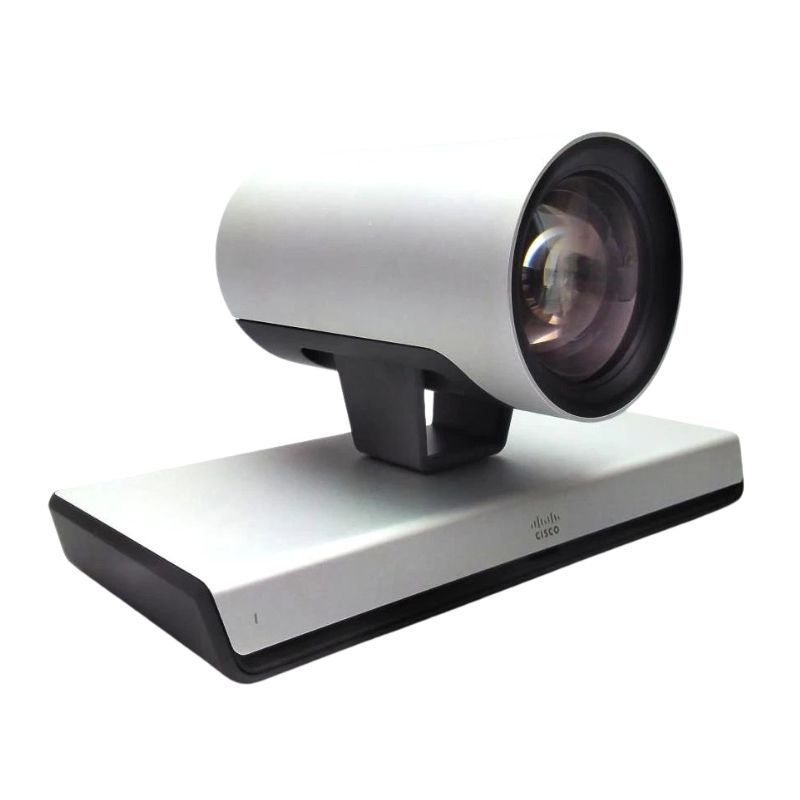


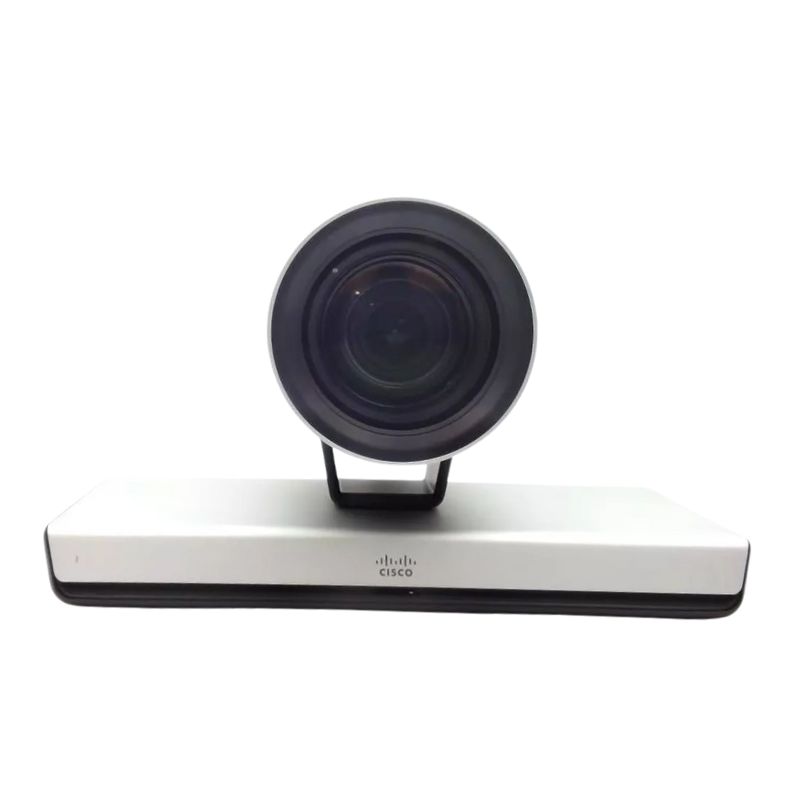
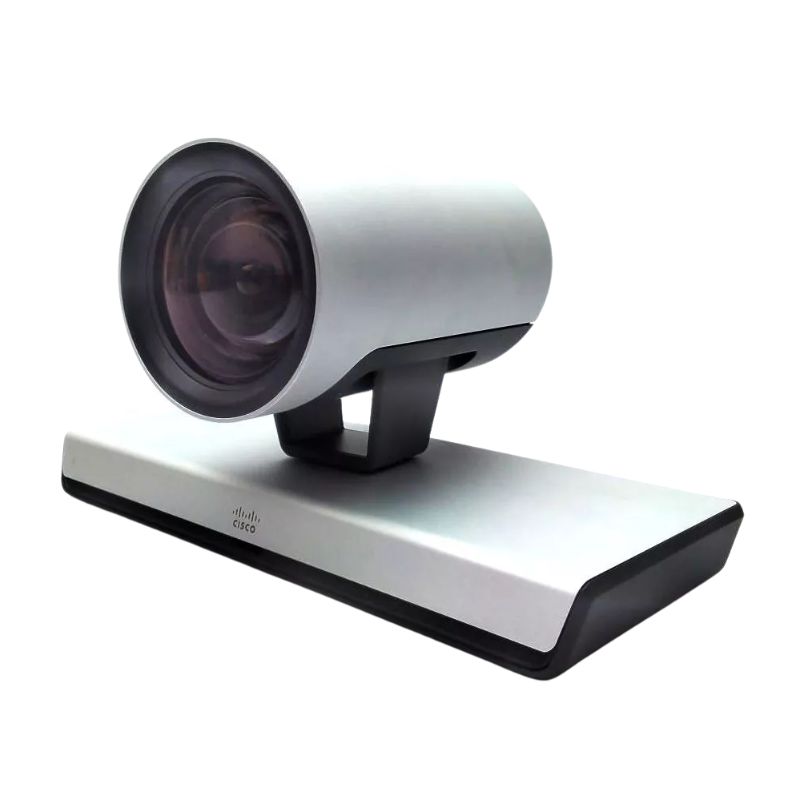
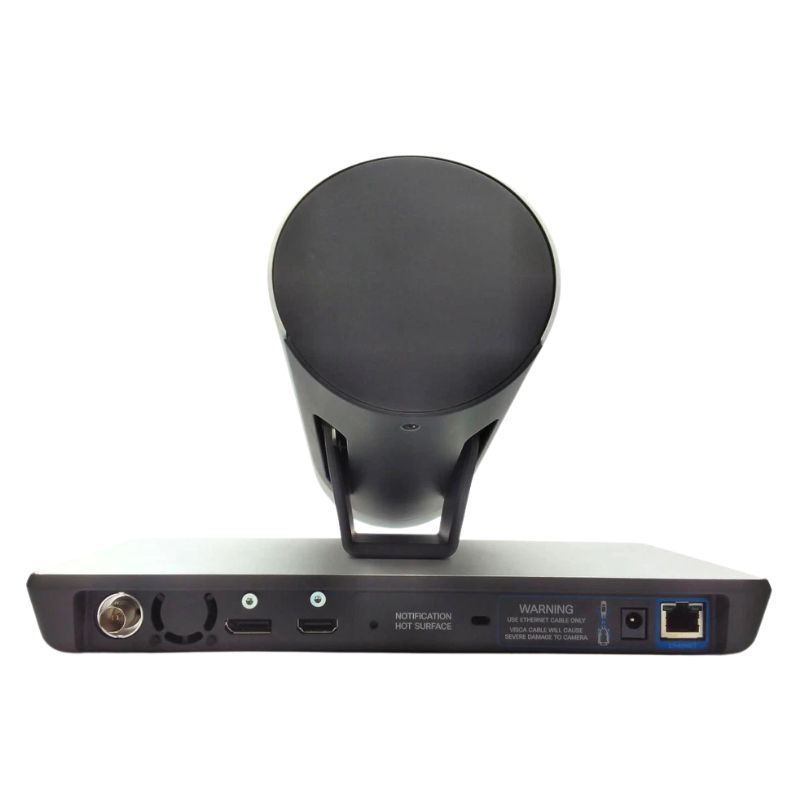
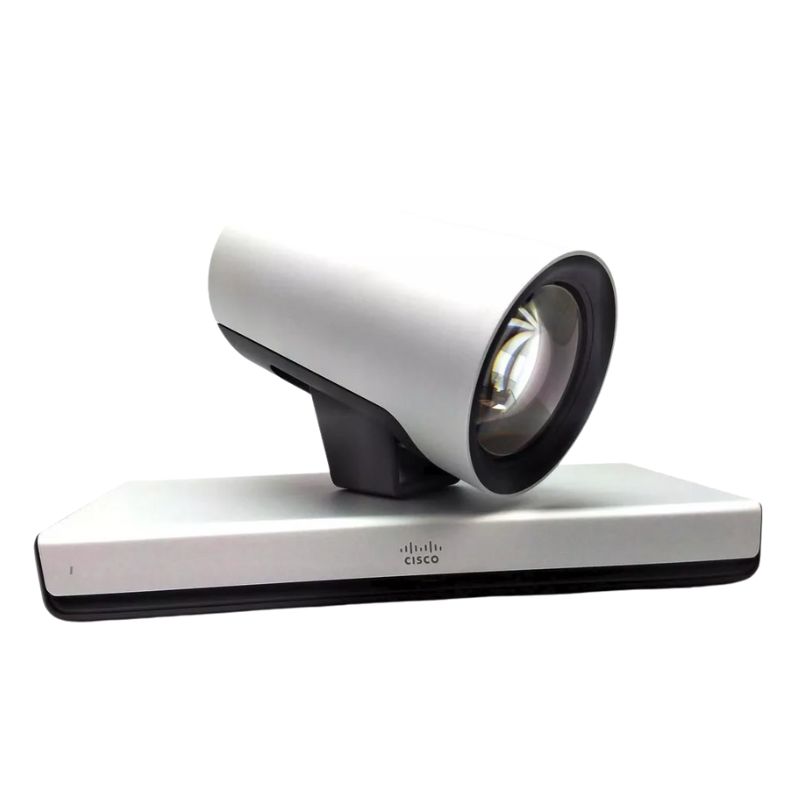
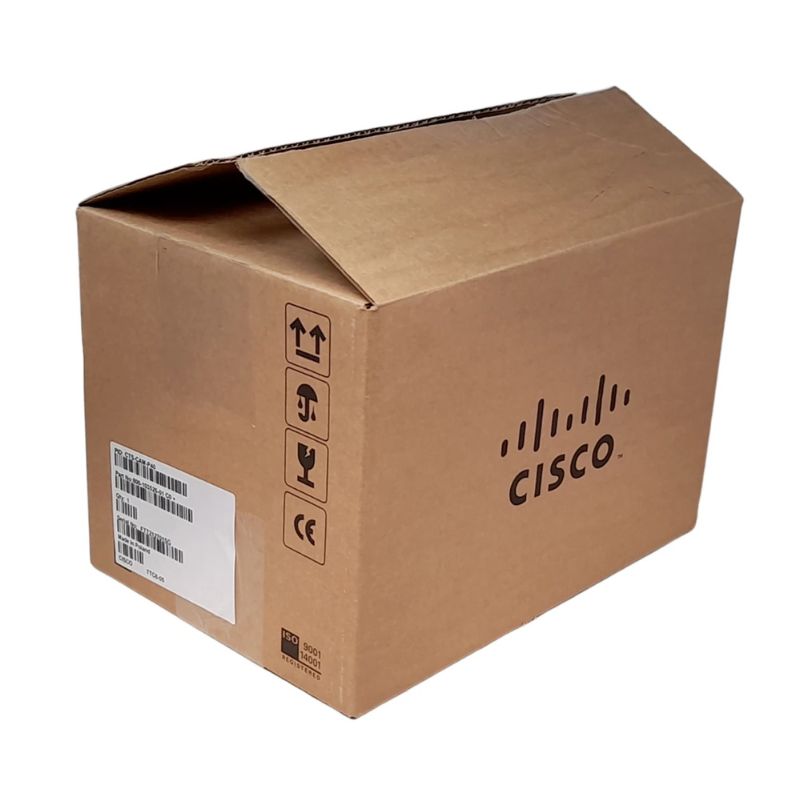
Cisco CTS-CAM-P60 TelePresence Video Conferencing Camera. Factory-Sealed New in Original Box (FSB) with 1 year replacement warranty
| SKU/MPN | Warranty | Price | Condition | You save |
|---|---|---|---|---|
| CTS-CAM-P60 | 1 Year Warranty | $250.00 | Factory-Sealed New Retail in Original Box (FSB) | You save: $87.50 (26%) |
| CTS-CAM-P60 | 1 Year Warranty | $170.00 | Excellent Refurbished | You save: $59.50 (26%) |
The Cisco CTS-CAM-P60 TelePresence Video Conferencing Camera is a professional conferencing camera engineered for high-quality collaboration environments where dependable video performance, accurate framing, and smooth motion handling are essential. Designed for Cisco TelePresence deployments, this camera helps organizations create a more natural meeting experience by delivering sharp Full HD video, flexible pan and tilt movement, and powerful zoom capability for conference rooms, executive offices, training spaces, and customer-facing collaboration areas. As a purpose-built conferencing peripheral, the CTS-CAM-P60 is optimized for business communication rather than consumer video use, making it a practical solution for enterprises that require dependable visual clarity and seamless integration with Cisco room systems.
Brand: Cisco
Part Number: CTS-CAM-P60
Product Type: Video Conferencing Camera
The Cisco CTS-CAM-P60 TelePresence Video Conferencing Camera belongs to a specialized category of enterprise video collaboration hardware built for organizations that require consistent visual clarity, dependable camera control, and professional meeting room imaging performance. Positioned within the Cisco TelePresence ecosystem, the CTS-CAM-P60 is associated with high-definition conferencing spaces where image quality, camera responsiveness, and reliable integration are essential to executive meetings, customer presentations, training sessions, remote collaboration, and large-room communications. In enterprise collaboration infrastructure, the camera category represented by the Cisco CTS-CAM-P60 serves as an important visual endpoint component that contributes directly to meeting quality, room coverage, and participant engagement.
In a business environment where video communication is expected to support both internal and external collaboration, a dedicated conferencing camera must do far more than simply capture a room. It must deliver clear framing, stable motion handling, accurate color reproduction, controlled zoom behavior, and smooth pan and tilt performance so that remote participants can see speakers, presentations, and room interactions without distraction. The Cisco CTS-CAM-P60 category is built around these professional collaboration priorities, making it relevant to conference room designers, unified communications administrators, audiovisual integrators, and organizations building premium video conferencing environments.
The broader category of TelePresence cameras has evolved from simple webcam-style video devices into advanced conferencing components engineered for room systems, codecs, control platforms, and enterprise-grade collaboration workflows. Within this category, the Cisco CTS-CAM-P60 represents a camera class intended for serious room deployment rather than casual desktop use. It is aligned with spaces where visual communication quality influences productivity, executive communication, training effectiveness, customer confidence, and hybrid collaboration outcomes.
A dedicated TelePresence camera exists to support immersive communication rather than basic video capture. In modern meeting spaces, the camera is responsible for translating physical room activity into a remote visual experience that feels natural, professional, and easy to follow. This requires more than resolution alone. Camera optics, framing range, movement precision, focus control, and room compatibility all influence how well a meeting is experienced by remote attendees.
The Cisco CTS-CAM-P60 category is especially relevant in environments where meeting participants may be spread across large conference tables, where presenters move across a room, where whiteboards and displays must remain visible, or where executive boardroom communication demands a refined presentation standard. A professional conferencing camera helps preserve eye contact simulation, participant visibility, and speaker emphasis while maintaining a polished visual presence throughout the session.
Unlike consumer cameras that are generally designed for a single user sitting at a short distance from a laptop, a TelePresence camera for room systems must support broader viewing requirements and greater operational flexibility. It may need to capture multiple participants at different distances, switch focus between speakers and room content, or maintain image consistency across varying lighting conditions. This makes the category of Cisco collaboration cameras important for organizations investing in long-term meeting room infrastructure.
The Cisco CTS-CAM-P60 fits into a category of PTZ-oriented conferencing cameras that are intended for fixed room deployment and integrated collaboration systems. PTZ in this context refers to pan, tilt, and zoom capabilities that allow the camera to reposition the viewing angle and frame participants appropriately for the meeting scenario. This type of camera design is especially valuable in medium and large rooms where a fixed-angle lens would not provide sufficient flexibility for varied seating arrangements, presentation modes, or speaker movement.
From a category perspective, the Cisco CTS-CAM-P60 is not merely an accessory but a room imaging component that works as part of a larger conferencing architecture. In enterprise deployments, camera placement, codec integration, display alignment, audio pickup, control interfaces, and user experience are all connected. A professional TelePresence camera is selected not only for image capture quality but also for how effectively it fits within this broader communications environment.
The value of the CTS-CAM-P60 category is tied to how it supports consistent meeting experiences across formal collaboration spaces. When a room is used for leadership calls, customer briefings, partner sessions, remote training, and cross-site planning, the visual system must adapt without introducing operational complexity. A professional Cisco TelePresence camera helps organizations standardize room behavior and deliver a more predictable visual experience across repeated sessions.
The Cisco CTS-CAM-P60 category is associated with high-definition video conferencing performance suitable for professional communications. In business collaboration environments, high-definition video is valuable not simply because it looks sharper, but because it improves communication accuracy. Facial expressions, presentation materials, body language, and visual cues become easier to interpret when the camera provides a clear and stable image. This is particularly important in executive communication, remote interviews, customer presentations, and training sessions where subtle visual details contribute to understanding and engagement.
High-definition conferencing cameras also help organizations maintain a more premium communication standard across geographically distributed offices. When a room camera produces clean, detailed video, remote participants can remain focused on the discussion instead of struggling with framing issues, poor clarity, or distracting visual artifacts. The Cisco CTS-CAM-P60 category supports room-based collaboration where video quality must align with the professionalism of the organization using it.
Visual quality in conferencing is influenced by several factors beyond nominal resolution. Lens quality, sensor behavior, zoom implementation, brightness handling, color consistency, and motion smoothness all contribute to the actual user experience. A business-class camera category such as the Cisco CTS-CAM-P60 is relevant because it is designed with these professional expectations in mind, supporting a more controlled and dependable meeting-room image than general-purpose consumer alternatives.
Meeting confidence is often shaped by whether participants trust the room technology to perform consistently. If the video looks washed out, poorly framed, or unstable, users may lose confidence in the conferencing environment and avoid relying on it for important sessions. A professional TelePresence camera helps eliminate this uncertainty by supporting stable and repeatable image performance across scheduled meetings.
For organizations that frequently host customer briefings, executive updates, or hybrid workshops, the camera becomes part of the room’s professional identity. Clear video reinforces the impression that the meeting space is designed for purposeful communication. In this sense, the Cisco CTS-CAM-P60 category contributes not only to technical collaboration quality but also to presentation quality, organizational image, and user trust in the conferencing platform.
One of the defining characteristics of the Cisco CTS-CAM-P60 category is its relationship to dynamic room coverage through pan, tilt, and zoom functionality. In enterprise meeting rooms, participant placement can vary widely. Some sessions may involve a single presenter at the front of the room, while others may include a large group seated around a long table. A fixed camera angle cannot always accommodate these variations effectively. A camera with controlled pan, tilt, and zoom capabilities offers the flexibility needed to adapt framing to the meeting context.
Pan capability allows the camera to move horizontally across the room, tilt capability supports vertical framing adjustments, and zoom capability makes it possible to capture either a wide room view or a closer shot of a speaker or presentation area. Together, these functions allow a room system to present a more intentional and engaging visual composition. In practice, this means the room can shift from a full-team view to a speaker-focused shot without physically moving hardware or compromising image composition.
For large rooms, training spaces, executive briefing centers, and integrated boardrooms, PTZ flexibility is especially important because it helps the camera adapt to different seating patterns, presentation styles, and collaboration modes. The Cisco CTS-CAM-P60 category is therefore highly relevant in rooms where the visual framing needs to change over time rather than remain permanently fixed.
Effective room framing is one of the most important contributors to a successful remote meeting. When a camera can frame the active speaker or the key participants appropriately, the conversation feels more direct and easier to follow. If the camera remains too wide, faces may appear small and remote attendees may lose visual connection with the speaker. If the framing is too tight, room context and participant interaction may be lost. A professional conferencing camera category like the Cisco CTS-CAM-P60 helps balance these needs by supporting more deliberate framing control.
In practice, this flexibility supports a wide range of business uses. A legal consultation may require a stable head-and-shoulders framing of the primary speaker. A classroom-style session may need a wider shot that captures both the instructor and the content area. A strategy meeting may require a broad table view that still preserves enough detail for participant expressions to be visible. PTZ flexibility gives organizations the ability to tailor the camera view to the actual communication goal of the meeting.
The Cisco CTS-CAM-P60 category is closely tied to integrated Cisco collaboration environments rather than standalone ad hoc video usage. In enterprise deployment models, conferencing cameras are often selected as part of a complete room architecture that includes a codec, display system, microphones, control interface, network connectivity, and room automation logic. The camera must fit into this ecosystem in a way that supports reliable operation, synchronized control, and a cohesive user experience.
In Cisco collaboration environments, room devices are commonly designed to work together as a unified meeting platform rather than as isolated components. The camera’s role within this environment includes visual capture, preset positioning, room coverage support, and coordination with the rest of the conferencing workflow. This makes the CTS-CAM-P60 category especially relevant for organizations that want meeting spaces to behave consistently across offices and room types.
Integrated room systems offer a major operational advantage because they reduce the number of manual steps required to start and manage a meeting. When the camera is properly integrated into the collaboration environment, users can enter a room, launch a meeting, and rely on the visual system to perform as expected. This reduces training requirements, lowers support overhead, and improves user satisfaction with the conferencing space.
For IT teams and audiovisual integrators, a camera that belongs to a well-defined collaboration ecosystem is easier to deploy, document, support, and standardize. Instead of assembling a room from unrelated components with uncertain compatibility, teams can design around a collaboration platform that has a known operating model. This simplifies room planning, reduces troubleshooting complexity, and helps maintain a more uniform meeting experience across the organization.
The Cisco CTS-CAM-P60 category is valuable in this context because it aligns with professional room-based collaboration rather than isolated peripheral use. It fits into environments where camera behavior, meeting presets, room control, and video quality are expected to work together as part of a larger communications strategy. For enterprises managing many meeting spaces, this kind of standardization can improve operational efficiency and make future room refreshes easier to plan.
The Cisco CTS-CAM-P60 TelePresence Video Conferencing Camera category is well suited to rooms where communication quality has a direct business impact. Boardrooms and executive suites are obvious examples because these spaces often host leadership meetings, investor briefings, strategic planning sessions, and high-stakes customer conversations. In such settings, the visual system must present participants clearly and professionally while supporting a polished room appearance.
Executive meeting spaces frequently involve long tables, multiple speakers, presentation displays, and formal seating arrangements. A professional conferencing camera supports these conditions by enabling the room to capture both individual speakers and the broader group dynamic. This is especially useful when executive participants join from different offices and need to maintain a strong sense of presence and engagement throughout the meeting.
Large conference rooms and collaboration spaces also benefit from the CTS-CAM-P60 category because they often serve multiple functions throughout the week. The same room may host internal project reviews, partner briefings, training workshops, and hybrid presentations. A flexible TelePresence camera helps the room adapt to these different scenarios without requiring a complete technical reconfiguration each time.
The importance of enterprise conferencing cameras has increased significantly with the growth of hybrid work and distributed teams. Organizations no longer use video meetings only for occasional interoffice communication. Video is now part of daily operations across leadership, sales, engineering, support, education, consulting, and partner collaboration. As a result, meeting rooms must function as high-quality bridges between physical and remote participants.
The Cisco CTS-CAM-P60 category supports this shift by enabling professional room-based video capture that can help equalize the experience of in-room and remote attendees. In a hybrid meeting, remote participants depend entirely on the room camera to understand who is speaking, what is being presented, and how the discussion is evolving. If the camera fails to provide a clear and stable view, remote participants are placed at an immediate disadvantage. A dedicated TelePresence camera helps reduce this gap by making the room more legible and more inclusive for off-site attendees.
Hybrid collaboration also places new emphasis on room consistency. Teams may use different offices, different conference spaces, and different collaboration formats over the course of a week. Standardized camera infrastructure helps reduce friction by ensuring that users encounter a familiar visual quality baseline regardless of which room they use. The Cisco CTS-CAM-P60 category aligns well with this need for repeatable collaboration performance across enterprise environments.
Presence is one of the most valuable outcomes of a well-designed conferencing environment. Remote participants should feel that they can see the room clearly, follow the conversation naturally, and engage with confidence. Camera quality plays a major role in achieving this. When participants are visible, properly framed, and clearly rendered, the meeting feels more human and less transactional.
The Cisco CTS-CAM-P60 category contributes to this presence by supporting room-focused imaging rather than narrow desktop capture. This makes it useful in spaces where multiple people share the room and where the camera must represent a collective meeting environment rather than a single individual. In hybrid strategy sessions, design reviews, and leadership meetings, that distinction can materially improve communication quality.
Choosing a conferencing camera category for enterprise deployment involves more than comparing image specifications. Organizations must also consider room size, seating layout, mounting position, collaboration platform compatibility, expected meeting formats, and operational support requirements. The Cisco CTS-CAM-P60 category is best understood as part of a room design decision rather than as a standalone peripheral purchase.
Room size influences how much zoom capability and framing flexibility are needed. Larger rooms typically benefit from stronger pan and zoom behavior because participants may sit farther from the camera and spread across a wider area. Mounting position influences how naturally the camera aligns with the room display and how effectively it captures eye-level participant views. Lighting conditions affect image consistency, especially in rooms with windows, mixed lighting zones, or bright presentation displays.
IT and AV teams also need to think about control workflows. Will the room use camera presets for common meeting modes. Will presenters move between table discussions and front-of-room presentations. Will the camera need to capture a wide audience shot during town hall style sessions. These practical questions determine whether a professional TelePresence camera category is appropriate and how it should be configured within the room.
Many organizations seek to standardize room technology across campuses or office locations so that users have a predictable experience wherever they work. A category like the Cisco CTS-CAM-P60 becomes valuable in these strategies because it can serve as a repeatable room imaging component for premium conferencing spaces. Standardization simplifies support documentation, spare part planning, room training, and escalation procedures. It also helps organizations maintain a more consistent collaboration brand across offices and regions.
When room technology is standardized, meeting hosts spend less time learning different interfaces and less time troubleshooting unpredictable camera behavior. This can improve adoption of video-enabled spaces and reduce the burden on internal support teams. A Cisco TelePresence camera category is often attractive in such environments because it is associated with professional collaboration workflows and long-term enterprise room planning.


 Contact Us
 Information
 Catalog
 Solid State Drives (SSD)
 Network Switches
 Hard Disk Drives
 HBA & Controllers
 PC & Servers
 PC & Server Memory
 CPU & Processors
 Network Routers
 Power Supplies
 Tape Drives & Libraries
 Network Devices
 Computer & Network Cables