(7% discount is applied at checkout)
Cart is empty
Your go-to destination for cutting-edge server products
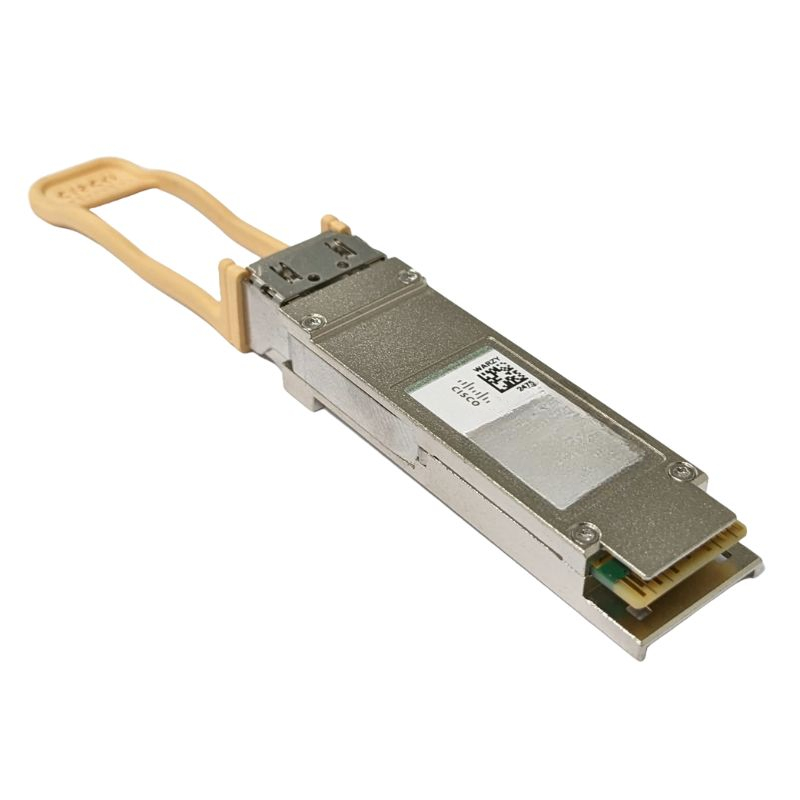


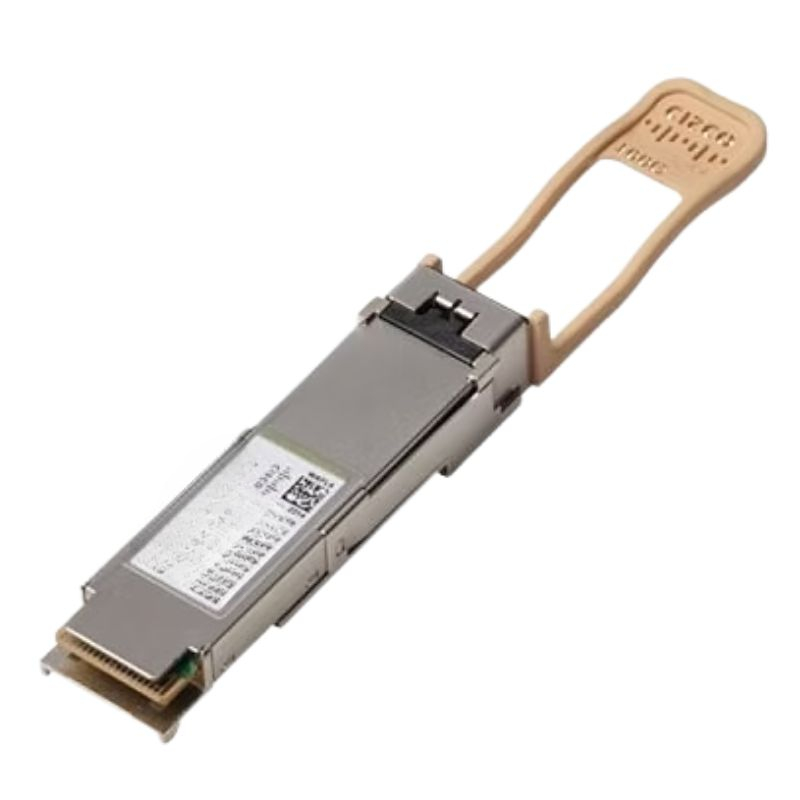
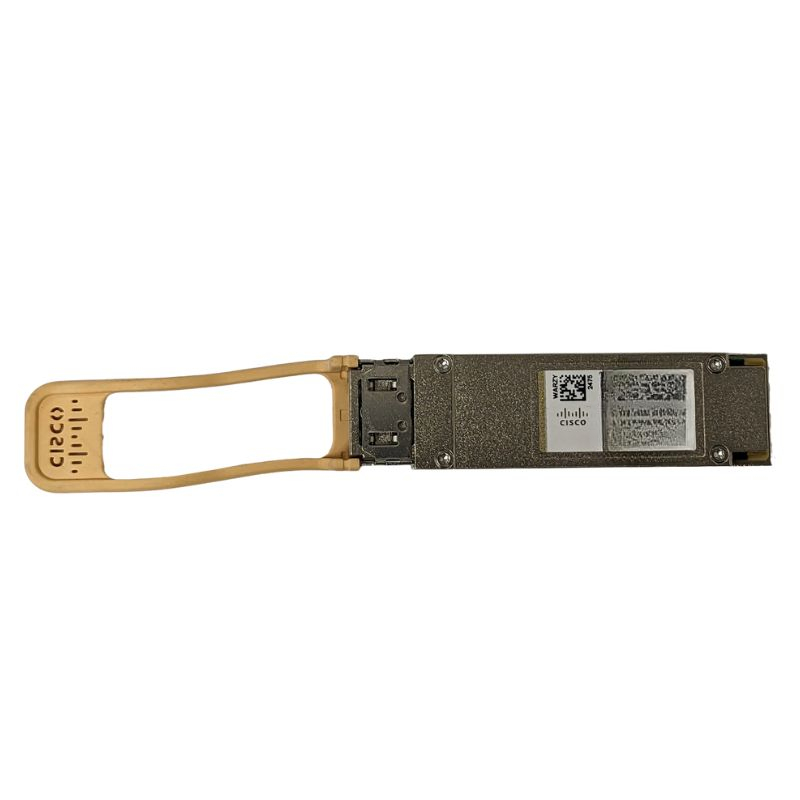
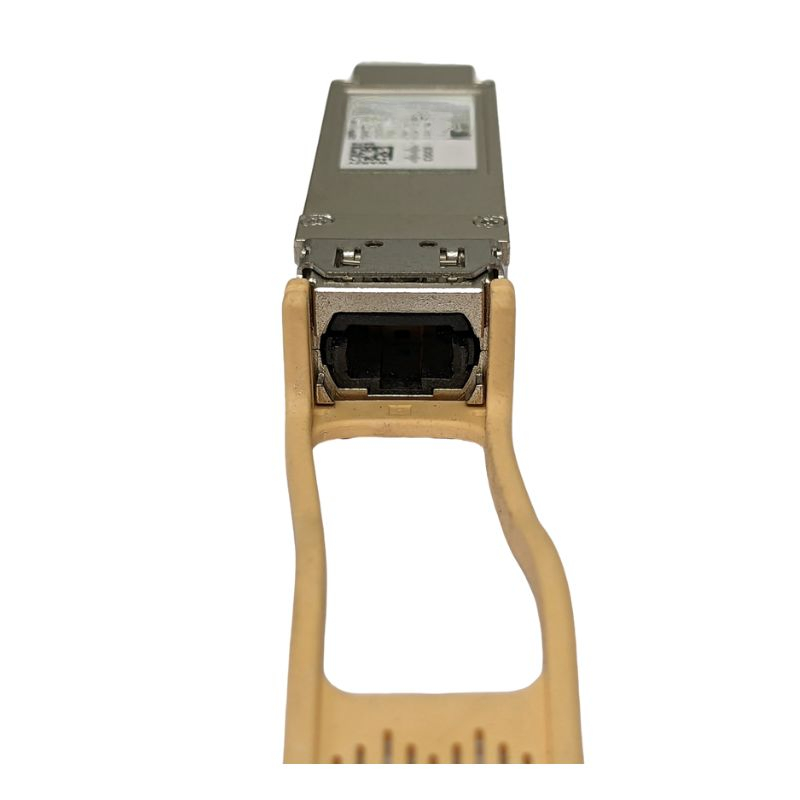
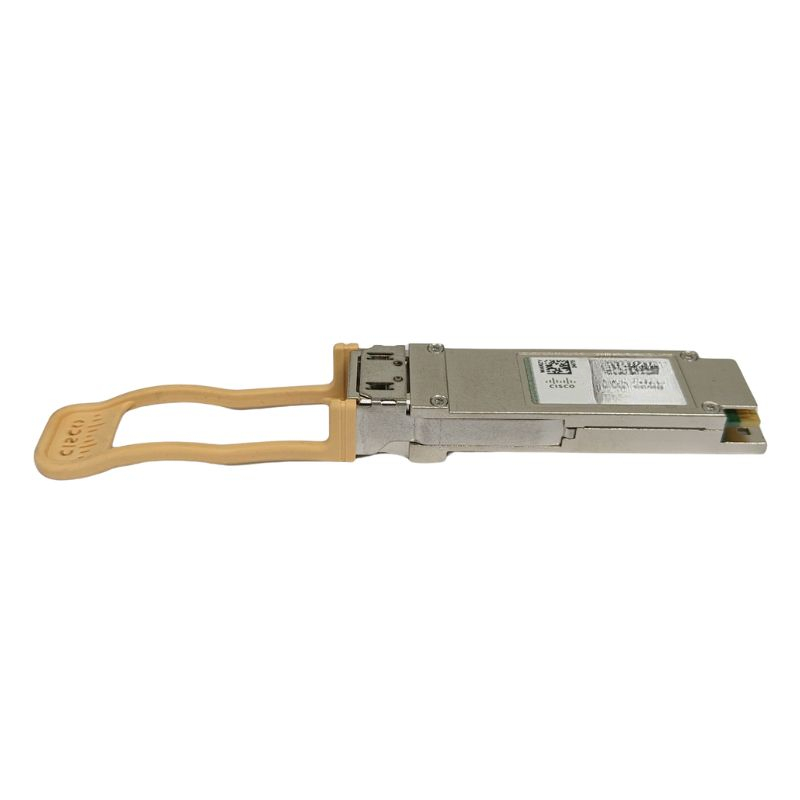
Cisco 10-2672-01 QSFP+ Transceiver Module 40GBPS. Factory-Sealed New in Original Box (FSB) with 1 year replacement warranty
Cisco 10-2672-01 QSFP+ Transceiver Module Overview
The Cisco 10-2672-01 QSFP+ Transceiver Module is engineered to deliver reliable and ultra-fast 40 Gigabit Ethernet connectivity for enterprise networking environments. Designed for data-intensive applications and modern switching infrastructures, this optical transceiver enables stable communication across multi-mode fiber networks while supporting scalable and high-performance deployments.
The Cisco 10-2672-01 QSFP+ Transceiver Module 40GBPS is designed to support high-speed network communication in enterprise, data center, cloud infrastructure, and large-scale switching environments where consistent throughput and dependable optical transmission are essential. As networking architectures continue evolving toward virtualization, hyper-converged infrastructure, and bandwidth-intensive applications, 40 Gigabit Ethernet connectivity remains a practical and widely deployed technology for aggregation and backbone networking.
This QSFP+ module category focuses on enabling efficient data transmission while maintaining compatibility with advanced switching environments. Organizations that require scalable network expansion often deploy 40GBPS optical connectivity because it balances cost efficiency with performance expectations across modern infrastructures.
The module architecture supports rapid data movement between critical networking layers while minimizing latency and maintaining operational continuity. Designed around Quad Small Form-factor Pluggable Plus standards, the transceiver integrates multiple channels into a compact footprint suitable for high-density installations.
QSFP+ technology combines four independent data transmission lanes operating simultaneously to deliver aggregated throughput reaching 40 Gigabits per second. This architecture creates efficient bandwidth utilization while preserving manageable hardware dimensions inside enterprise-grade network equipment.
The Cisco 10-2672-01 QSFP+ Transceiver Module 40GBPS incorporates engineering practices intended to maintain signal integrity throughout sustained traffic loads. By distributing communication across multiple lanes, the transceiver helps optimize performance consistency and packet handling efficiency.
Network environments that process virtualization traffic, storage replication, media streaming workloads, and cloud service operations benefit from this multi-lane structure because it reduces bottlenecks and supports predictable throughput characteristics.
One of the defining characteristics of the QSFP+ ecosystem is physical density optimization. Data centers increasingly require more ports per rack unit without sacrificing cooling efficiency or cable management. The compact form factor allows administrators to deploy extensive connectivity within limited physical space.
High-density transceiver deployment contributes to improved infrastructure planning, particularly in environments that emphasize scalability and operational efficiency. Rack optimization remains an important factor in lowering facility overhead while increasing overall networking capacity.
Signal stability is essential when operating at 40GBPS speeds. Optical and electrical performance consistency influences packet delivery accuracy and overall network responsiveness.
The transceiver category emphasizes reliable communication by supporting controlled transmission characteristics that minimize packet loss and maintain application responsiveness under varying network conditions.
Data centers frequently implement 40GBPS connectivity to consolidate traffic between access layers and core switching environments. Aggregation deployments require sustained performance under continuous operational loads, making QSFP+ modules valuable for backbone communication.
The Cisco 10-2672-01 QSFP+ Transceiver Module 40GBPS supports these environments by enabling rapid interconnection between switches while preserving throughput requirements necessary for modern compute clusters and storage infrastructures.
Data center operators often seek solutions capable of supporting expanding workloads without requiring extensive redesign of existing network architecture.
Virtualization introduces significant east-west traffic movement inside enterprise environments. Virtual machines exchange information continuously across hosts, storage arrays, and management platforms.
Deploying 40GBPS transceivers helps reduce congestion while improving resource accessibility. Faster interconnection between virtualization clusters contributes to better workload balancing and overall infrastructure responsiveness.
Cloud platforms depend heavily on reliable network communication between physical and virtual components. High-capacity transceiver modules allow cloud providers and enterprise cloud operators to maintain service quality across distributed architectures.
The demand for uninterrupted access to computing resources makes optical transceiver reliability increasingly important for maintaining service-level objectives.
Higher bandwidth capacity allows networks to process increasing volumes of user traffic, application communication, and backend synchronization without excessive contention.
The Cisco 10-2672-01 QSFP+ Transceiver Module 40GBPS category supports bandwidth expansion initiatives by enabling more efficient data movement across interconnected devices.
Organizations adopting digital transformation initiatives frequently rely on high-speed optical connectivity to sustain operational growth.
Latency reduction becomes increasingly important for transaction-intensive environments. Delays in communication affect application responsiveness, user satisfaction, and service delivery outcomes.
QSFP+ technology contributes to lower communication delays by supporting efficient signal processing and streamlined transmission pathways across connected systems.
Scalable infrastructure requires modular expansion capabilities. Rather than replacing entire switching environments, administrators often expand capacity incrementally through transceiver upgrades.
This deployment strategy supports long-term infrastructure planning while improving return on technology investment.
Successful deployment begins with validating compatibility between transceiver modules and networking hardware. Enterprise switches designed for QSFP+ interfaces generally provide the mechanical and electrical characteristics necessary for module operation.
Compatibility verification ensures stable operation while reducing deployment risk and minimizing configuration complexity.
Network engineers evaluate supported interface specifications before introducing optical modules into production environments. Proper alignment supports predictable operation and long-term reliability.
Firmware consistency contributes significantly to module recognition and operational efficiency. Maintaining updated software environments can improve monitoring capabilities and hardware interoperability.
Cabling decisions influence achievable distances, deployment flexibility, and environmental suitability. Organizations may evaluate optical and direct-attach connectivity approaches depending on performance requirements.
Infrastructure planning should account for rack layout, expansion forecasts, and maintenance accessibility.
Energy consumption remains an important concern in modern facilities. Networking hardware that delivers higher throughput without proportionally increasing power demand contributes to more sustainable operations.
Compact transceiver architectures assist organizations in optimizing cooling strategies and reducing overall infrastructure energy requirements.
Effective thermal design supports stable transceiver operation under continuous traffic conditions. Maintaining acceptable operating temperatures helps preserve performance consistency and component longevity.
Data center environments increasingly prioritize airflow optimization and thermal monitoring to maximize equipment efficiency.
Rack density directly affects infrastructure economics. Deploying compact high-speed connectivity allows organizations to increase operational capacity while controlling physical expansion requirements.
The Cisco 10-2672-01 QSFP+ Transceiver Module 40GBPS category aligns with these goals by supporting efficient port utilization and streamlined infrastructure scaling.
Storage environments generate substantial data movement between arrays, compute nodes, and backup systems. High-speed interconnects contribute to faster replication cycles and improved storage responsiveness.
Organizations implementing distributed storage architectures benefit from network designs capable of sustaining continuous transfer operations.
Mission-critical operations require resilient network connectivity. Redundancy planning frequently incorporates multiple transceiver paths to reduce service interruption risk.
Reliable communication channels improve operational continuity and support disaster recovery strategies.
Shared infrastructure environments must support diverse traffic profiles while maintaining isolation and performance standards.
40GBPS optical connectivity assists in accommodating simultaneous workload demands across multiple operational domains.
Organizations evaluating networking components often prioritize solutions that remain relevant throughout multiple infrastructure refresh cycles.
The continued adoption of 40 Gigabit architectures allows enterprises to preserve existing investments while extending operational capabilities.
Incremental scaling strategies help reduce disruption and allow capacity growth aligned with business requirements.
Many environments deploy 40GBPS technologies as intermediate stages toward larger bandwidth architectures while preserving compatibility with established ecosystems.
Stable networking environments depend on dependable hardware operation, predictable throughput characteristics, and scalable architecture planning.
The Cisco 10-2672-01 QSFP+ Transceiver Module 40GBPS category remains relevant for organizations seeking dependable high-speed optical connectivity that supports demanding enterprise, cloud, and data center environments while balancing density, efficiency, and performance expectations.


 Contact Us
 Information
 Catalog
 Solid State Drives (SSD)
 Network Switches
 Hard Disk Drives
 HBA & Controllers
 PC & Servers
 PC & Server Memory
 CPU & Processors
 Network Routers
 Power Supplies
 Tape Drives & Libraries
 Network Devices
 Computer & Network Cables