(7% discount is applied at checkout)
Cart is empty
Your go-to destination for cutting-edge server products
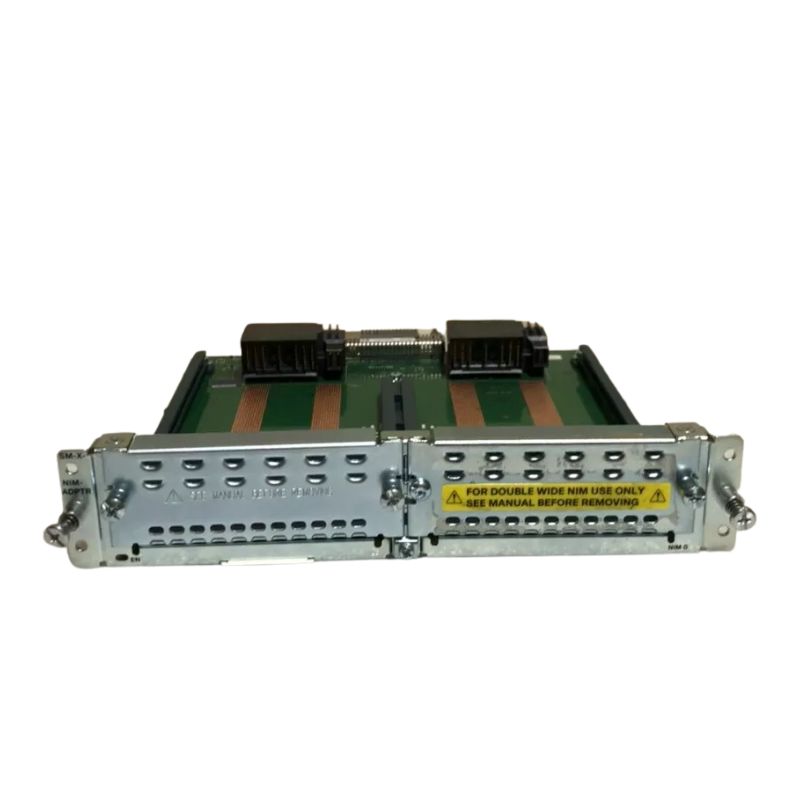


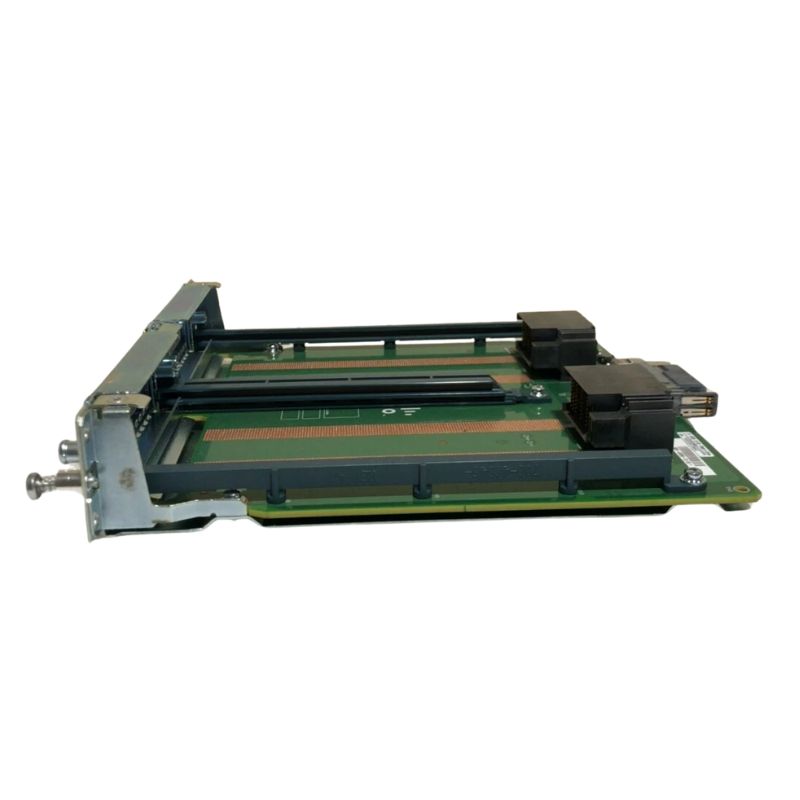
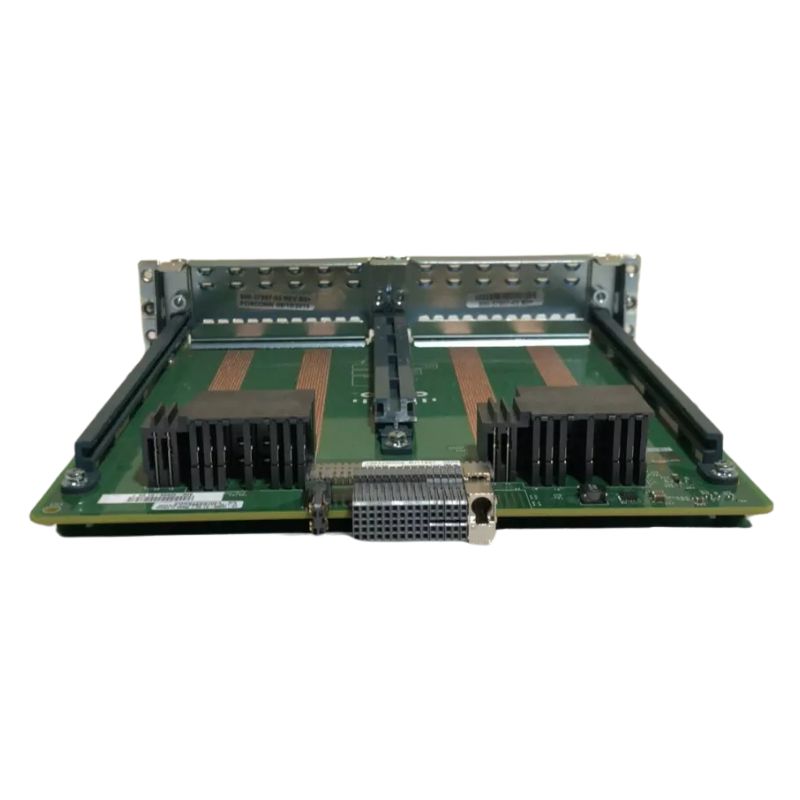
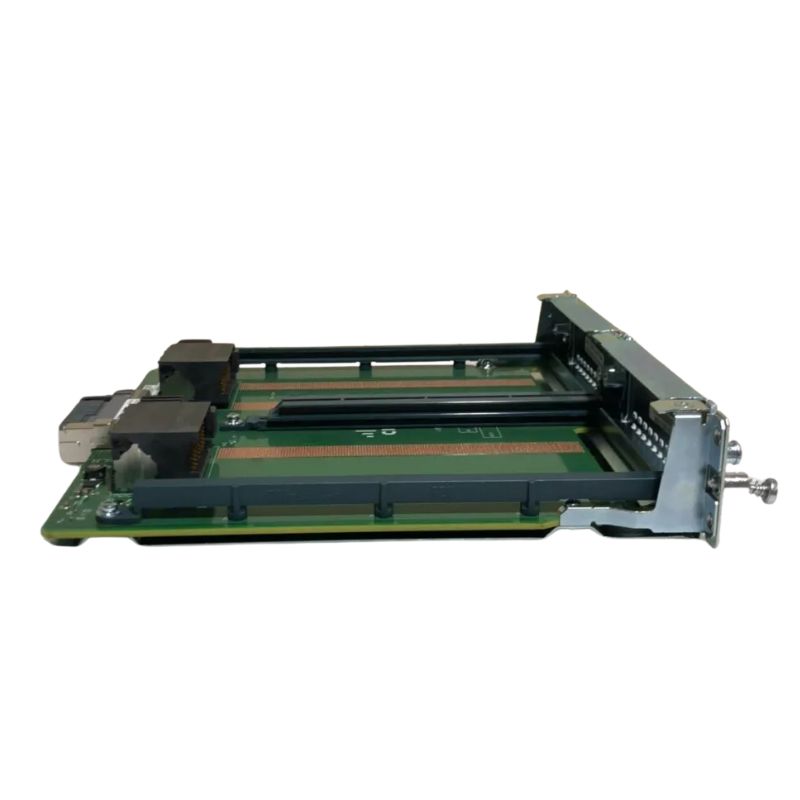
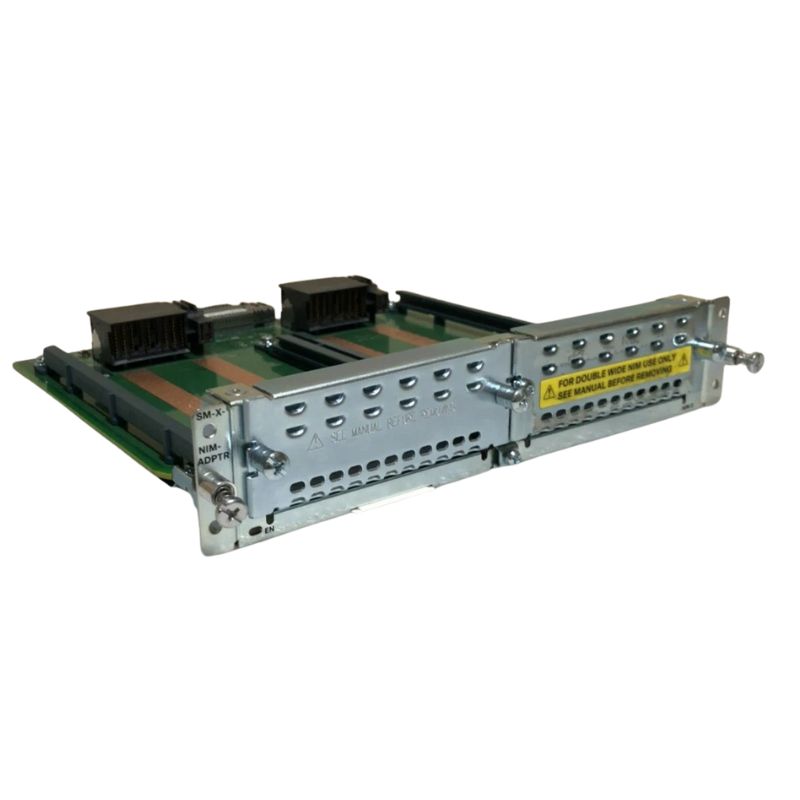
Cisco SM-X-NIM-ADPTR Expansion Module Network Adapter. Factory-Sealed New in Original Box (FSB) with 1 year replacement warranty
| SKU/MPN | Warranty | Price | Condition | You save |
|---|---|---|---|---|
| SM-X-NIM-ADPTR | 1 Year Warranty | $52.00 | Excellent Refurbished | You save: $18.20 (26%) |
| SM-X-NIM-ADPTR | 1 Year Warranty | $75.00 | Factory-Sealed New Retail in Original Box (FSB) | You save: $26.25 (26%) |
The Cisco SM-X-NIM-ADPTR Interface Network Adapter is a specialized expansion module designed to enhance modular networking platforms with reliable T1/E1 connectivity. Engineered for enterprise-grade data networking environments, this plug-in module enables seamless integration of legacy telecom interfaces into modern Cisco infrastructure. It is widely used in branch routing, WAN optimization, and carrier-grade communication systems where stable wired connectivity is essential.
The Cisco SM-X-NIM-ADPTR Interface Network Adapter SM-X Module is a specialized networking expansion component engineered to enhance modular router architectures within enterprise and service provider environments. Designed to bridge interface compatibility between different Cisco network interface module (NIM) standards and SM-X slot-based systems, this adapter plays a critical role in enabling flexible network design, high-density connectivity, and scalable infrastructure deployments. As modern enterprise networks continue to evolve toward hybrid architectures, modular adaptability becomes essential, and this adapter provides the structural and logical interface required to unify disparate hardware generations and module types within a single platform.
In Cisco’s modular ecosystem, routers and integrated services platforms often rely on interchangeable interface modules to support diverse connectivity requirements. The SM-X-NIM-ADPTR serves as a conversion and adaptation layer, allowing NIM (Network Interface Module) based interfaces to be integrated into SM-X expansion slots. This compatibility ensures that organizations can preserve existing hardware investments while expanding capabilities without requiring complete system replacement. The adapter supports operational continuity while enabling incremental upgrades, making it an essential component in long-term network lifecycle strategies.
Enterprises often operate heterogeneous network environments where different generations of Cisco modules coexist. The SM-X-NIM-ADPTR allows IT administrators to unify these environments by enabling cross-module compatibility. This flexibility is especially important in branch office deployments, data aggregation points, and WAN edge routers where diverse connectivity requirements must be met within constrained hardware footprints. By enabling integration of legacy and modern interfaces, the adapter reduces infrastructure fragmentation and improves overall manageability.
Scalability is a key requirement in enterprise networking. The adapter contributes to scalable architecture by allowing incremental expansion of interface capacity. Instead of replacing entire router chassis or upgrading to newer platforms, organizations can utilize existing SM-X slots and extend functionality through compatible NIM modules. This approach minimizes capital expenditure while maximizing hardware utilization efficiency across distributed network environments.
The Cisco SM-X-NIM-ADPTR is built with a focus on electrical compatibility, signal integrity, and physical interface alignment. It functions as an intermediary circuit assembly that maps pin configurations and data pathways between SM-X backplane connectors and NIM module interfaces. This ensures that data transmission remains stable and consistent across different hardware standards. The adapter is designed to maintain low latency communication and preserve throughput performance, which is critical in high-demand routing environments.
One of the core engineering challenges addressed by this adapter is signal translation between different module architectures. SM-X slots and NIM modules operate with distinct electrical signaling standards and interface protocols. The adapter ensures that voltage levels, data lanes, and control signals are properly mapped and regulated. This prevents signal degradation and ensures reliable packet transmission across the system. High-quality shielding and PCB design techniques are used to minimize electromagnetic interference and maintain signal clarity.
The adapter interfaces directly with the router’s internal backplane, acting as a bridge between physical slot architecture and logical module recognition. This integration enables seamless detection of installed NIM modules by the host system, allowing automatic configuration and initialization. The backplane communication process is optimized for minimal overhead, ensuring that routing performance is not negatively impacted by the presence of the adapter.
A key function of the SM-X-NIM-ADPTR is its hardware abstraction capability. It effectively masks the differences between module families, allowing the router’s operating system to interpret connected modules as native components. This abstraction layer reduces configuration complexity and ensures consistent behavior across different hardware combinations. It also supports firmware-level compatibility updates, enhancing long-term usability.
The Cisco SM-X-NIM-ADPTR Interface Network Adapter is widely applicable across enterprise branch networks, carrier edge systems, and integrated service routers. Its primary use case is enabling mixed-module deployments where organizations need to integrate voice, data, and WAN optimization interfaces within a unified platform. By facilitating compatibility between module types, it helps organizations build versatile and cost-efficient networking infrastructures.
WAN edge routers require high adaptability to support multiple service providers and connection types. The SM-X-NIM-ADPTR enables integration of specialized interface modules that support different WAN technologies, ensuring compatibility with evolving network requirements. This adaptability is crucial for organizations operating in multi-provider environments where redundancy and failover capabilities are essential.
Service providers benefit from the adapter’s ability to extend platform capabilities without major hardware upgrades. It allows integration of diverse customer-facing interfaces within standardized routing platforms, simplifying deployment models and reducing infrastructure complexity. This improves service delivery efficiency and enables faster provisioning of network services.
The Cisco SM-X-NIM-ADPTR is engineered to maintain high reliability under continuous operational loads. It is designed to support carrier-grade uptime requirements and ensure consistent data throughput across all connected interfaces. The adapter incorporates robust thermal management principles and durable physical connectors to withstand long-term usage in enterprise environments.
Thermal stability is a critical factor in modular networking environments. The adapter is constructed using materials that support efficient heat dissipation and maintain structural integrity under sustained workloads. This ensures stable performance even in high-density router configurations where multiple modules operate simultaneously.
During peak traffic conditions, network modules experience high data throughput demands. The adapter is designed to maintain stable signal transmission under these conditions, preventing packet loss and minimizing latency fluctuations. This ensures that mission-critical applications such as VoIP, cloud connectivity, and data replication remain uninterrupted.
The adapter is designed for seamless integration with Cisco routers that support SM-X architecture. These platforms often serve as core components in enterprise WAN, branch aggregation, and service provider edge networks. By enabling compatibility with NIM modules, the adapter expands the functional range of these routers without requiring hardware replacement.
Cisco IOS and IOS XE operating systems provide built-in support for modular hardware detection. When the SM-X-NIM-ADPTR is installed, the system recognizes attached NIM modules as valid interface components. This enables automatic configuration and simplifies deployment workflows. The adapter ensures that module enumeration processes remain consistent across different hardware configurations.
Proper functionality of the adapter depends on alignment between hardware and firmware versions. Cisco regularly updates router firmware to support expanded module compatibility and performance improvements. The adapter is designed to work within these evolving software ecosystems, ensuring long-term usability and forward compatibility.
The SM-X-NIM-ADPTR is an important tool for future-proofing network infrastructure. As enterprise networking demands increase, organizations require solutions that allow incremental expansion without disruptive hardware replacements. This adapter enables such scalability by bridging different module generations and ensuring continued support for evolving connectivity standards.
Rather than investing in entirely new routing platforms, organizations can extend the life of existing systems by incorporating the adapter. This reduces capital expenditure and maximizes return on investment in network infrastructure. It also allows gradual migration to newer technologies without disrupting operational continuity.
Modern networks often combine legacy systems with cloud-native infrastructure. The adapter supports this hybrid approach by allowing legacy NIM modules to operate within newer SM-X-based systems. This ensures interoperability across different network layers and improves overall system cohesion.


 Contact Us
 Information
 Catalog
 Solid State Drives (SSD)
 Network Switches
 Hard Disk Drives
 HBA & Controllers
 PC & Servers
 PC & Server Memory
 CPU & Processors
 Network Routers
 Power Supplies
 Tape Drives & Libraries
 Network Devices
 Computer & Network Cables