(7% discount is applied at checkout)
Cart is empty
Your go-to destination for cutting-edge server products
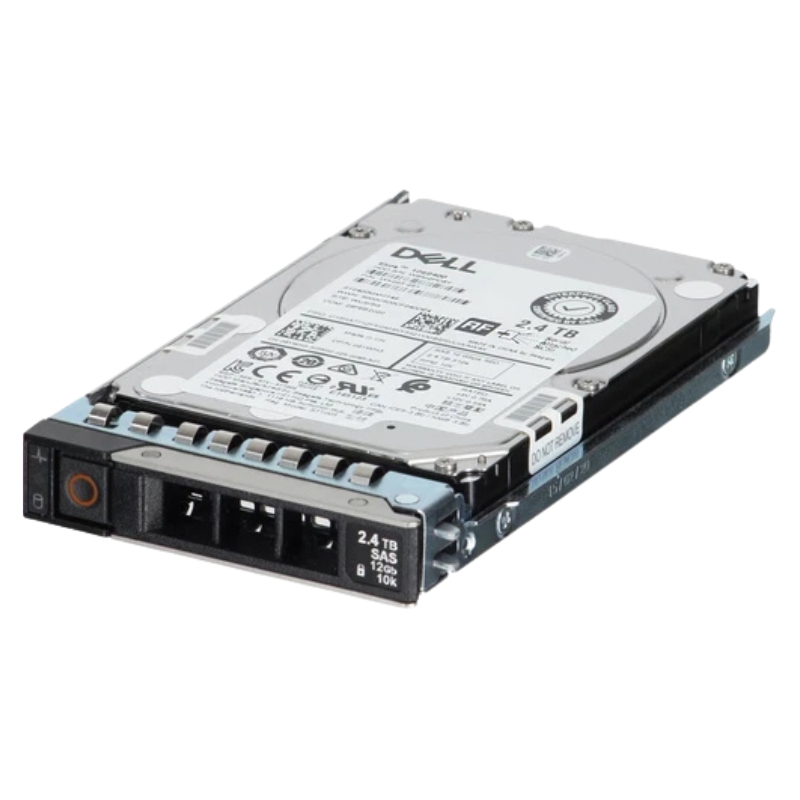


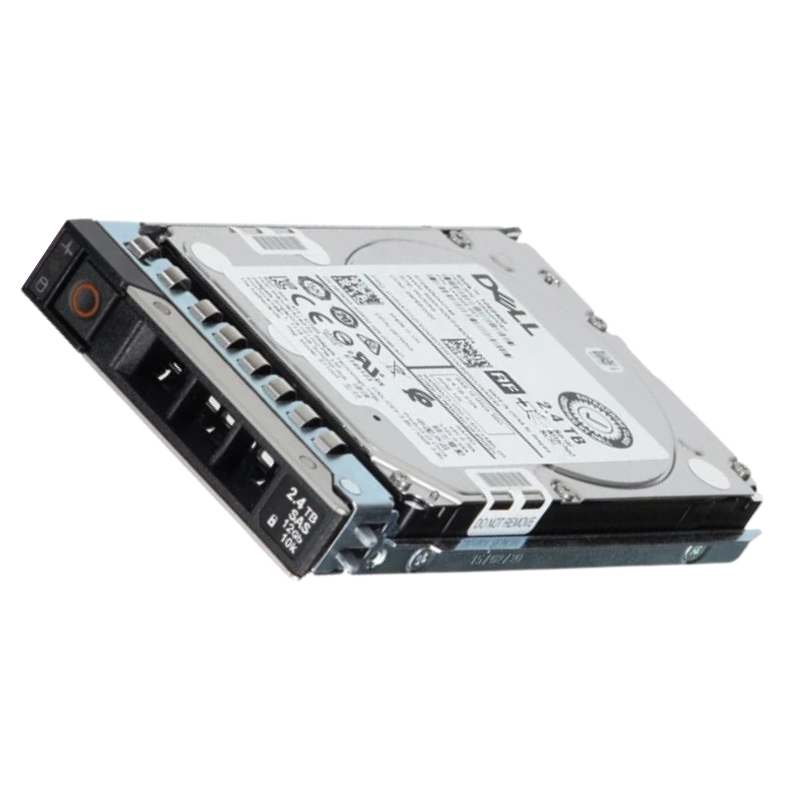
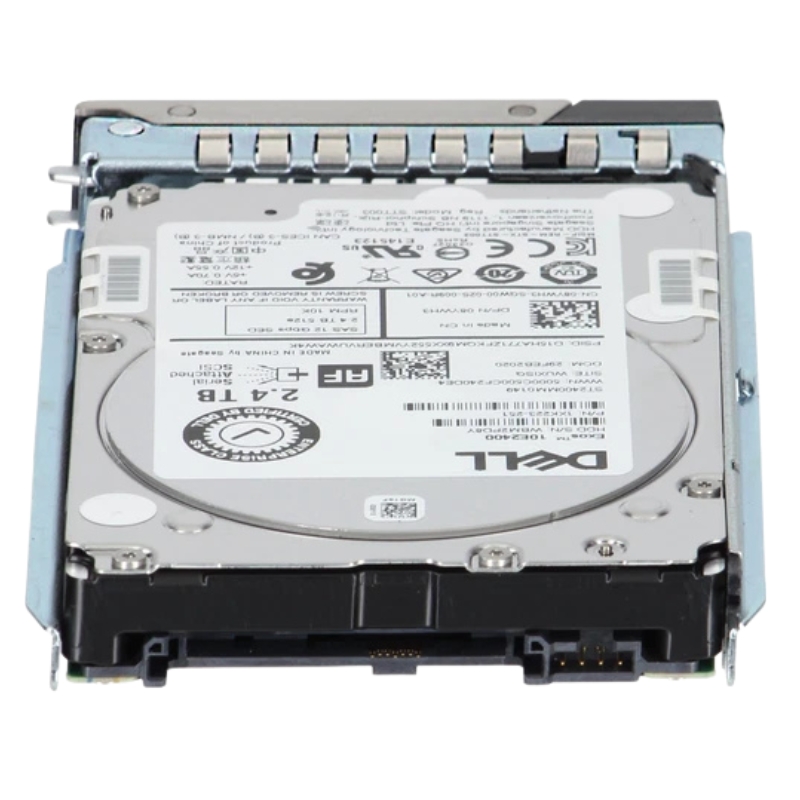
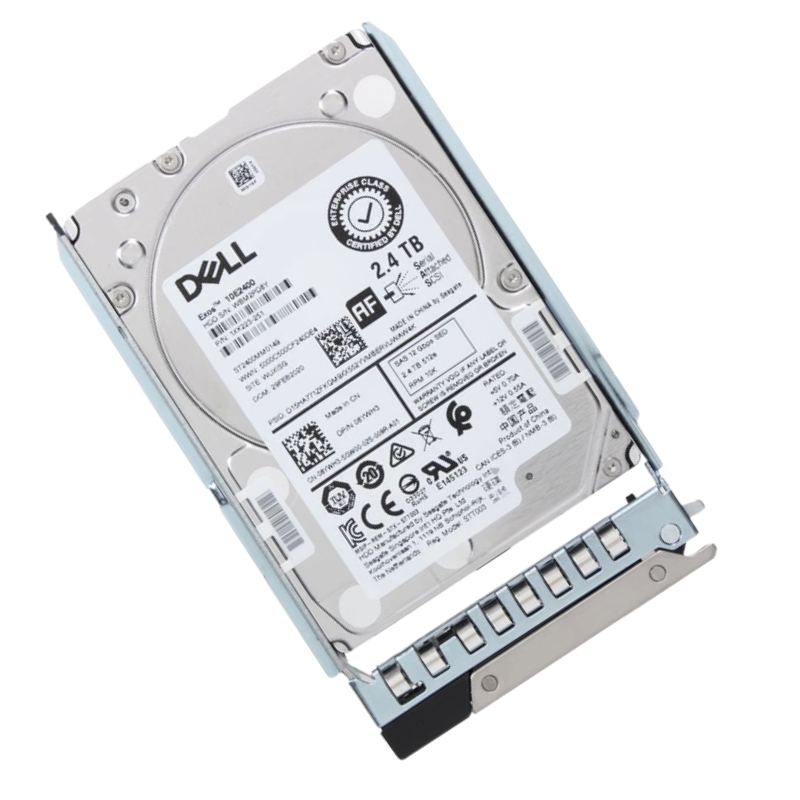
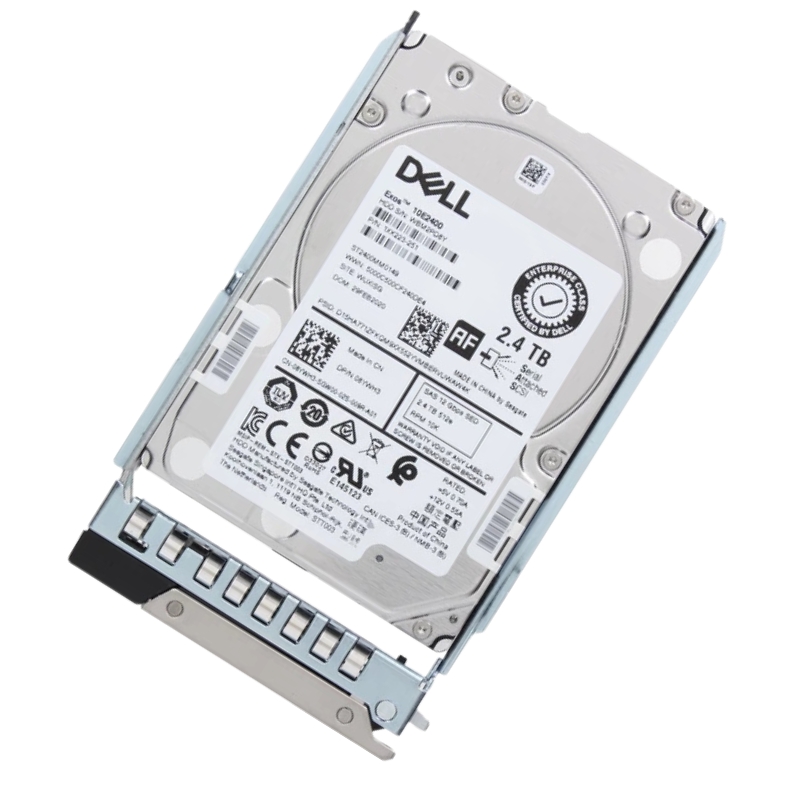
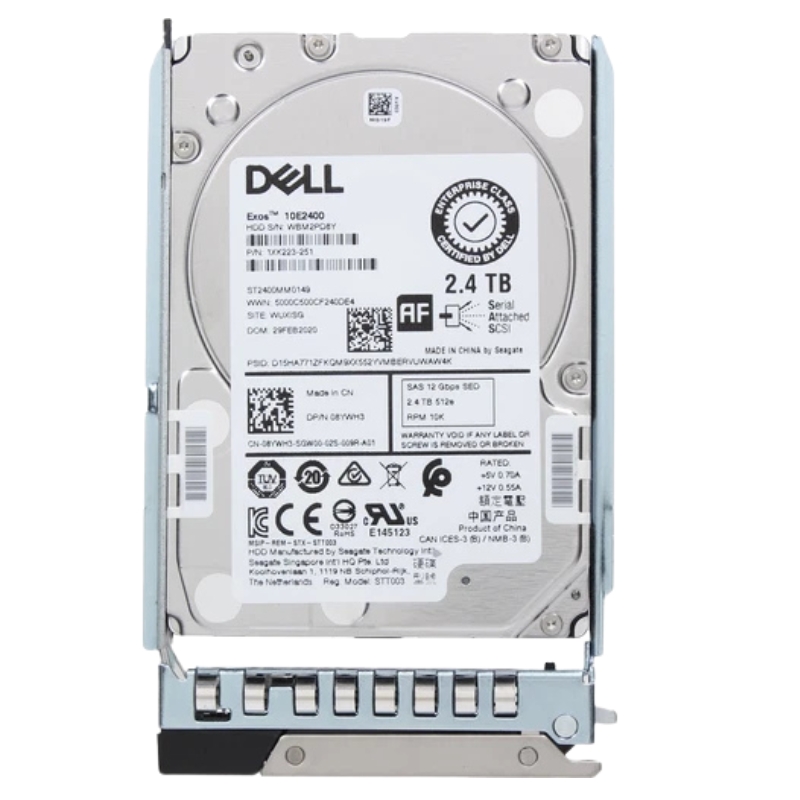
Dell 8YWH3 2.4TB 10K RPM SAS-12GBPS 256MB 512E Hard Drive. New Sealed in Box (NIB) with 1 Year Warranty
| SKU/MPN | Warranty | Price | Condition | You save |
|---|---|---|---|---|
| 8YWH3 | 1 Year Warranty | $598.00 | Excellent Refurbished | You save: $209.30 (26%) |
| 8YWH3 | 1 Year Warranty | $825.00 | New Sealed in Box (NIB) | You save: $288.75 (26%) |
The Dell 8YWH3 2.4TB 10K RPM SAS-12Gbps Hard Drive is a high-reliability enterprise storage device designed to deliver consistent performance, enhanced data protection, and scalable integration for modern server infrastructures. Built for mission-critical workloads, this 2.5-inch drive combines speed, durability, and advanced encryption capabilities to meet demanding business requirements.
The Dell 8YWH3 2.4TB 10K RPM SAS-12Gbps 256MB 512e Hard Drive represents a high-performance enterprise storage solution designed for mission-critical server environments, data-intensive applications, and scalable IT infrastructures. Built with a strong emphasis on reliability, speed, and enterprise-grade durability, this storage device is optimized to handle continuous workloads in demanding data center conditions. The combination of a 10,000 RPM spindle speed, SAS 12Gbps interface, and 256MB cache memory ensures a balance between fast data access and long-term operational stability.
The 10K RPM spindle speed is engineered to deliver significantly reduced latency compared to standard nearline or SATA drives. This rotational speed allows the Dell 8YWH3 to achieve faster seek times, which is essential for transactional databases, virtualization workloads, and high-frequency data access systems. In enterprise environments where milliseconds matter, this level of performance ensures consistent responsiveness across multiple simultaneous operations.
The SAS 12Gbps interface provides a robust and high-throughput connection between the hard drive and the server backplane. This advanced interface supports full-duplex communication, enabling simultaneous read and write operations without performance bottlenecks. It also improves scalability in storage arrays, making it suitable for enterprise RAID configurations and large-scale storage deployments.
Equipped with a 256MB cache buffer, this hard drive is optimized for accelerating frequently accessed data and improving overall I/O performance. The large cache size minimizes read/write latency by temporarily storing data closer to the processing unit, thereby reducing physical disk access frequency. This is especially beneficial in workloads involving repeated data queries or high transaction volumes.
The 512e (512-byte emulation) sector format is designed to ensure compatibility with legacy systems while leveraging modern storage efficiencies. By emulating traditional 512-byte sectors on a physically larger sector architecture, the drive enhances storage density and improves error correction efficiency. This hybrid format is widely adopted in enterprise systems requiring backward compatibility without sacrificing performance.
Enterprise-grade error correction mechanisms are integrated into the drive’s architecture, ensuring data integrity during read and write operations. Advanced ECC (Error Correction Code) algorithms reduce the likelihood of data corruption, making the Dell 8YWH3 suitable for critical workloads where accuracy and reliability are non-negotiable.
The Dell 8YWH3 2.4TB hard drive is optimized for database environments where frequent read/write cycles occur. Its high RPM and SAS interface ensure that structured query operations, indexing tasks, and transaction processing are handled efficiently. This makes it ideal for ERP systems, CRM platforms, and financial data processing systems that require stable and predictable performance.
In virtualized environments, storage performance directly impacts virtual machine responsiveness. The high IOPS capability of this enterprise hard drive supports multiple virtual machines running simultaneously without noticeable degradation in performance. Cloud infrastructure providers also benefit from its scalability and consistent throughput capabilities.
Designed for integration into large storage arrays, the Dell 8YWH3 supports scalable architecture models. Whether deployed in RAID configurations or distributed storage systems, it ensures balanced performance and redundancy. This makes it suitable for growing data centers that require flexible expansion options.
Enterprise hard drives like the Dell 8YWH3 are engineered for continuous operation. Unlike consumer-grade drives, it is built to function reliably under constant workloads without performance degradation. This makes it ideal for servers running around-the-clock applications such as web hosting, database management, and cloud services.
Efficient thermal management is a key aspect of enterprise storage design. The drive is built with materials and engineering standards that allow it to maintain stable performance even under high thermal loads. Proper heat dissipation ensures longer lifespan and consistent operational reliability.
In dense server racks, vibration from adjacent drives can impact performance. The Dell 8YWH3 is designed with vibration resistance mechanisms that stabilize read/write heads and maintain accuracy even in high-density deployments. This ensures consistent performance across large storage arrays.
With a storage capacity of 2.4TB, this hard drive provides ample space for structured data, virtual machine storage, and application hosting. It strikes a balance between capacity and performance, making it suitable for mid-to-large scale enterprise systems that require both speed and storage efficiency.
Unlike high-capacity nearline drives that prioritize storage over speed, the Dell 8YWH3 focuses on delivering balanced performance. This ensures that organizations do not have to compromise responsiveness for storage volume, making it ideal for mixed workload environments.
The drive is fully compatible with Dell PowerEdge server systems, ensuring seamless integration into existing enterprise infrastructure. It is designed to work efficiently with RAID controllers, storage backplanes, and enterprise management software, enabling smooth deployment and maintenance.
Enterprise environments often rely on RAID configurations for redundancy and performance optimization. The Dell 8YWH3 supports multiple RAID levels, allowing IT administrators to configure storage arrays based on performance, redundancy, or hybrid requirements.
Hot-swap functionality allows the drive to be replaced or upgraded without shutting down the system. This feature is critical in minimizing downtime and maintaining continuous service availability in mission-critical applications.
The drive is optimized for both sequential and random read/write operations. Sequential performance benefits large file transfers and media storage, while random performance supports database queries and transactional systems. This dual optimization enhances versatility across workloads.
Low latency is achieved through a combination of high RPM, optimized firmware algorithms, and advanced caching. These features reduce the time required for data retrieval and improve overall system responsiveness in high-demand environments.
Data-intensive analytics platforms benefit significantly from the performance capabilities of this drive. Large datasets can be processed more efficiently, enabling faster insights and decision-making processes.
Web servers hosting dynamic applications require fast data retrieval and reliable uptime. The Dell 8YWH3 ensures consistent performance under varying traffic loads, making it suitable for hosting environments and SaaS platforms.
While optimized for performance, the drive also supports structured backup operations in enterprise environments. It can be deployed in backup servers where fast data retrieval is necessary for disaster recovery scenarios.
The firmware embedded within the drive continuously optimizes read/write patterns based on workload characteristics. This adaptive behavior enhances long-term performance stability and reduces wear on mechanical components.
Enterprise drives often include self-monitoring capabilities that track performance metrics and predict potential failures. This enables IT administrators to replace drives proactively before system disruption occurs.
Despite being a high-performance 10K RPM drive, the Dell 8YWH3 is engineered to maintain energy efficiency. Power consumption is optimized to reduce operational costs in large-scale deployments where hundreds or thousands of drives may be in use.
The combination of durability, performance, and efficiency results in a lower total cost of ownership. Organizations benefit from reduced downtime, fewer replacements, and improved workload handling capabilities over time.


 Contact Us
 Information
 Catalog
 Solid State Drives (SSD)
 Network Switches
 Hard Disk Drives
 HBA & Controllers
 PC & Servers
 PC & Server Memory
 CPU & Processors
 Network Routers
 Power Supplies
 Tape Drives & Libraries
 Network Devices
 Computer & Network Cables