(7% discount is applied at checkout)
Cart is empty
Your go-to destination for cutting-edge server products
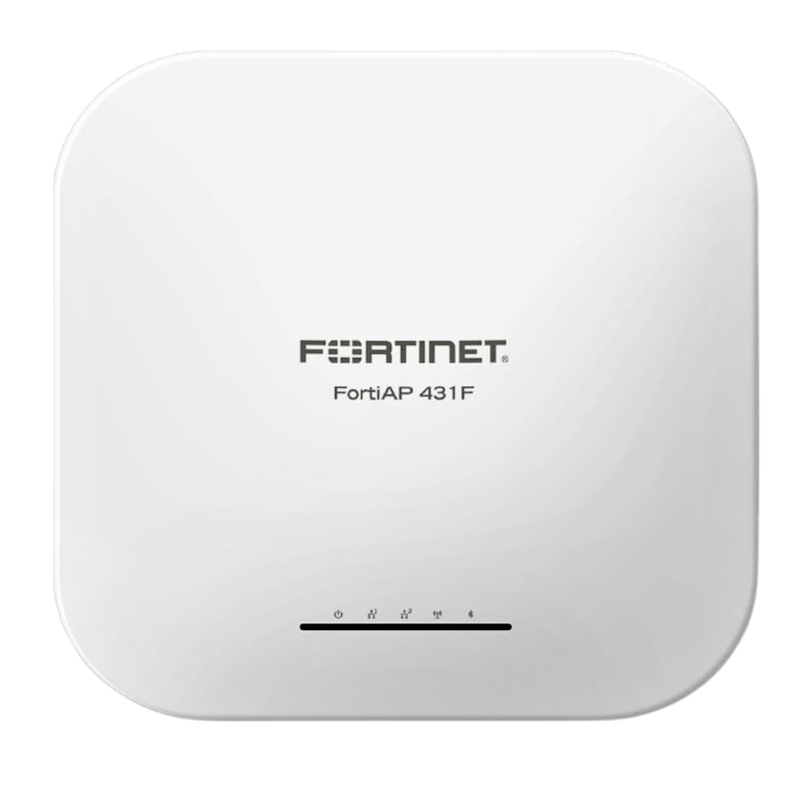


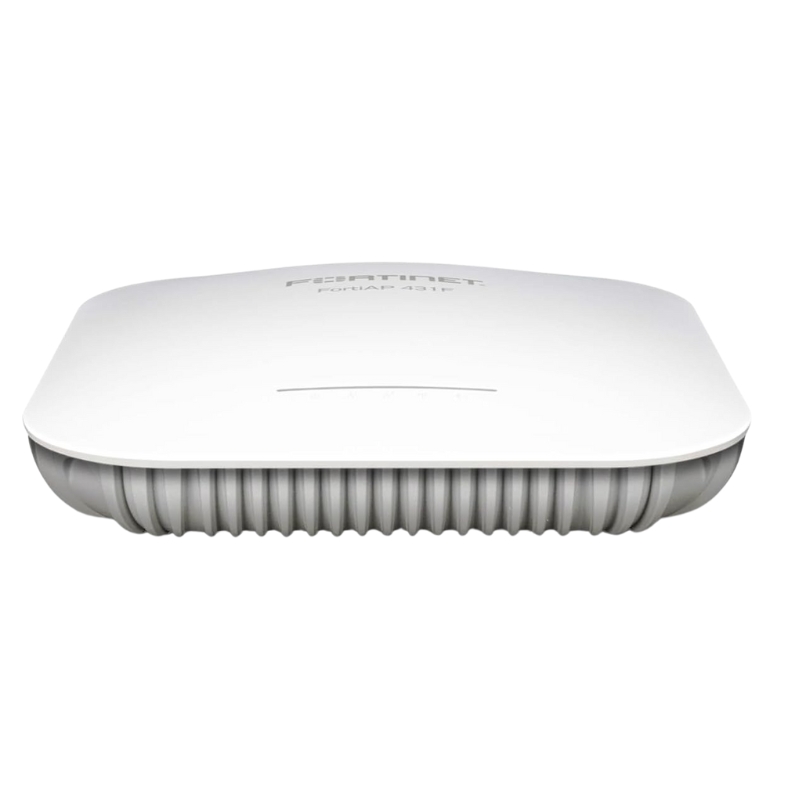
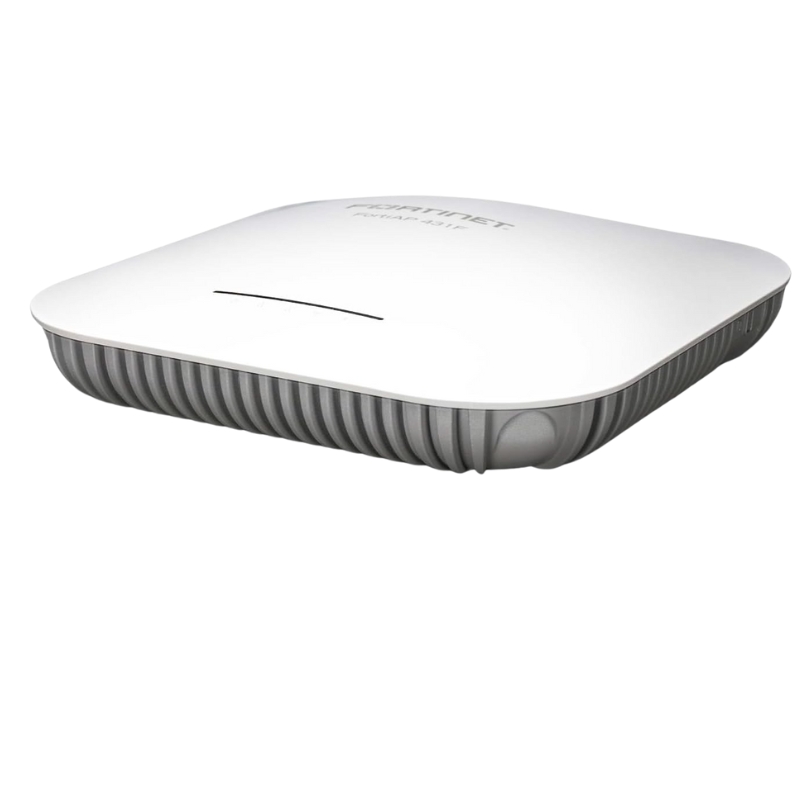
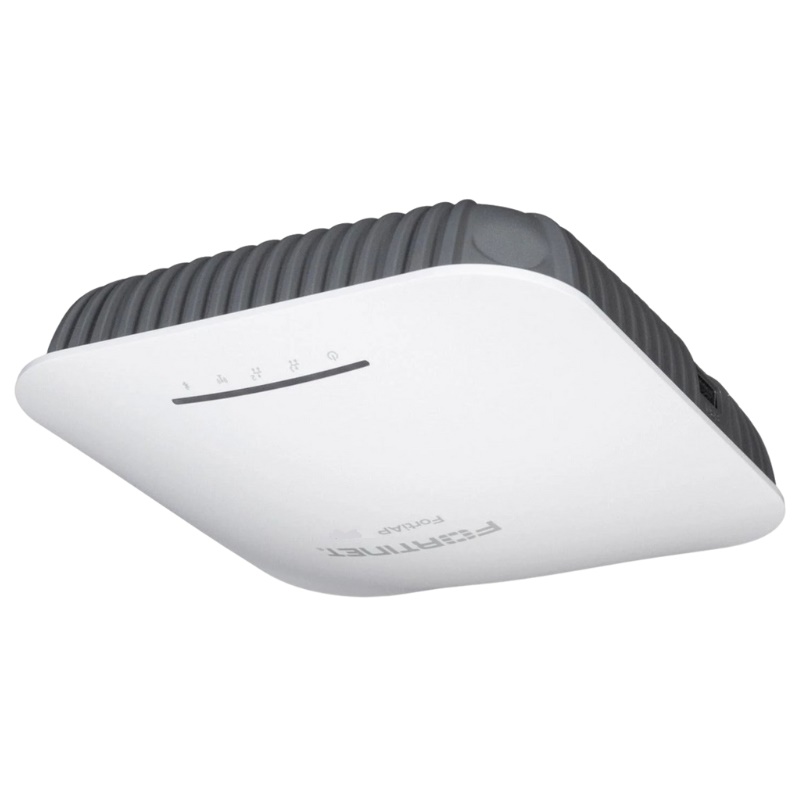
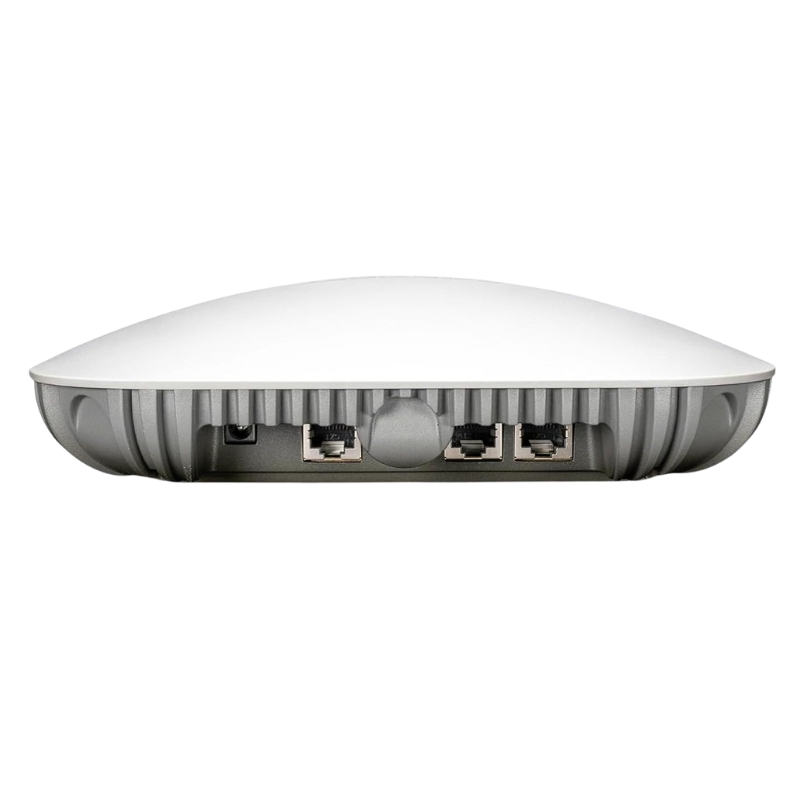
Fortinet FAP-431F-A FortiAP FAP-431F 802.11ax Wireless Access Point. Excellent Refurbished with 1-Year Replacement Warranty
The Fortinet FAP-431F-A FortiAP is a next-generation wireless access point engineered to deliver superior connectivity, robust performance, and enhanced network protection. Designed with Wi-Fi 6 (802.11ax) technology, this device ensures faster speeds, improved efficiency, and reliable coverage for modern enterprises.
The category of enterprise-grade Wi-Fi 6 wireless networking solutions is defined by high-performance, secure, and centrally managed access points designed for modern digital infrastructure demands. Within this category, the Fortinet FAP-431F-A FortiAP FAP-431F 802.11ax Wireless Access Point stands as a next-generation solution engineered to deliver enhanced throughput, improved spectral efficiency, and robust security integration. This class of devices is widely deployed in organizations that require stable wireless connectivity across high-density environments such as corporate campuses, educational institutions, healthcare facilities, and large-scale hospitality networks.
As part of the FortiAP portfolio, this access point integrates deeply with unified security architectures, allowing network administrators to manage wireless traffic alongside broader cybersecurity policies. The category emphasizes not only speed and coverage but also intelligence-driven traffic management, seamless roaming capabilities, and integrated threat protection at the wireless edge.
The 802.11ax standard, commonly known as Wi-Fi 6, represents a significant leap over previous wireless generations. It introduces technologies that improve efficiency in crowded environments, including Orthogonal Frequency Division Multiple Access, uplink and downlink MU-MIMO enhancements, and improved modulation schemes. These innovations allow wireless networks to support more simultaneous users without degradation in performance.
In enterprise environments, this improvement translates to smoother video conferencing, faster cloud application access, and reduced latency for mission-critical applications. The FortiAP FAP-431F category leverages these improvements to ensure that wireless performance remains stable even in environments with thousands of connected devices.
One of the most critical aspects of modern wireless access point categories is their ability to support high-density deployments. Wi-Fi congestion has historically been a limiting factor in large organizations, but Wi-Fi 6 introduces mechanisms such as spatial reuse and target wake time that significantly enhance efficiency. These features enable devices to communicate more intelligently, reducing unnecessary airtime consumption and improving overall network throughput.
The Fortinet enterprise wireless category is designed with these challenges in mind, ensuring consistent performance in auditoriums, conference centers, office floors, and educational lecture halls where hundreds of devices may connect simultaneously.
Modern wireless access points in this category typically operate across both 2.4 GHz and 5 GHz bands, with advanced multi-stream configurations that increase data capacity. The FAP-431F architecture is designed to balance load intelligently across frequency bands, ensuring minimal interference and optimal client distribution.
This architecture is essential for maintaining seamless connectivity in environments where legacy devices and modern Wi-Fi 6-enabled endpoints coexist. By dynamically managing spectrum allocation, the system improves both speed and reliability.
Enterprise access points increasingly rely on hardware acceleration to handle encryption, traffic inspection, and packet forwarding. This reduces CPU load and ensures that performance remains consistent even under heavy traffic conditions. Hardware-based encryption engines also improve security processing speeds, enabling real-time threat mitigation without impacting user experience.
The integration of specialized processing components within this category allows wireless infrastructure to scale efficiently without requiring frequent hardware upgrades.
A defining characteristic of Fortinet’s wireless category is its deep integration with security ecosystems. Wireless access points are not isolated connectivity devices; instead, they function as intelligent enforcement points capable of applying security policies directly at the network edge. This includes filtering unauthorized traffic, enforcing authentication protocols, and identifying anomalous behavior patterns.
The integration ensures that threats are mitigated closer to their origin, reducing the risk of lateral movement within the network. This architecture is particularly valuable in sectors handling sensitive data such as finance, healthcare, and government operations.
Enterprise wireless deployments require robust authentication systems to ensure only authorized users gain access. The category supports advanced authentication methods including enterprise-grade encryption protocols and identity-based access control mechanisms. These systems are designed to integrate with centralized directory services, enabling seamless user provisioning and deprovisioning.
This approach ensures consistent security policies across wired and wireless infrastructures, simplifying compliance and auditing processes.
Orthogonal Frequency Division Multiple Access plays a critical role in improving wireless efficiency by dividing channels into smaller resource units. This allows multiple devices to transmit simultaneously over the same frequency channel without interference. In enterprise deployments, this dramatically reduces congestion and improves responsiveness for latency-sensitive applications.
The FortiAP category leverages this capability to support environments with high device density, ensuring that even bandwidth-heavy applications such as video streaming and virtual collaboration tools operate smoothly.
Multi-User Multiple Input Multiple Output technology allows access points to communicate with multiple clients at the same time using spatial streams. Wi-Fi 6 significantly improves MU-MIMO performance, expanding both uplink and downlink capabilities. This results in improved throughput and reduced wait times for connected devices.
In enterprise environments, this ensures consistent performance even during peak usage periods when numerous users access the network concurrently.
Large corporate campuses require wireless systems that can seamlessly cover expansive areas while maintaining consistent performance. The category of Wi-Fi 6 access points is specifically designed to support roaming users who move between buildings, floors, and outdoor spaces without experiencing connection drops.
Centralized management ensures that IT administrators can configure and monitor large-scale deployments from a unified interface, simplifying operational complexity.
Universities and schools represent some of the most demanding wireless environments due to the density of connected devices per square meter. Students often simultaneously access cloud platforms, streaming content, and collaborative tools. The Wi-Fi 6 category ensures that these demands are met efficiently through intelligent load balancing and spectrum optimization.
In lecture halls, the ability to maintain consistent bandwidth across hundreds of devices ensures uninterrupted learning experiences and supports modern digital education initiatives.
Hospitals require highly reliable wireless networks to support medical devices, patient monitoring systems, and administrative applications. Any disruption in connectivity can have serious consequences. The FortiAP category ensures secure, low-latency communication across critical systems while maintaining strict compliance with healthcare data protection standards.
Isolation of traffic segments and priority-based routing ensure that life-critical applications receive the bandwidth they require at all times.
Enterprise wireless systems typically rely on centralized controllers to manage configuration, updates, and policy enforcement. This architecture allows administrators to maintain consistent network behavior across multiple locations. It also enables real-time monitoring and diagnostics, ensuring rapid response to performance issues.
The FortiAP category benefits from this centralized approach by reducing configuration overhead and improving scalability for large deployments.
Modern enterprise networks increasingly rely on cloud-based dashboards to provide real-time visibility into network performance. These systems offer analytics on device connectivity, bandwidth usage, and security events. This data-driven approach allows organizations to optimize wireless infrastructure continuously.
Cloud integration also supports remote management, making it possible for IT teams to administer global networks without requiring on-site intervention.
Effective wireless communication depends heavily on radio frequency design and antenna placement. Enterprise access points in this category are engineered to maximize coverage while minimizing interference. Beamforming technology plays a key role in directing signal energy toward connected devices, improving both speed and reliability.
These enhancements ensure that even in structurally complex environments such as multi-floor buildings or densely partitioned offices, signal quality remains stable.
Wireless interference from neighboring networks and electronic devices can degrade performance significantly. Advanced RF filtering and dynamic channel selection mechanisms help mitigate these issues. By continuously scanning the environment, access points can adapt to changing conditions and select optimal transmission parameters.
This adaptability is crucial in urban environments where wireless congestion is common.
The rise of Internet of Things devices has dramatically increased the number of endpoints connected to enterprise networks. Wi-Fi 6 access points are designed to handle this growth by supporting thousands of low-power devices simultaneously. This makes them ideal for smart buildings, industrial automation systems, and connected healthcare environments.
The category ensures that IoT traffic is efficiently segmented and managed without interfering with primary user traffic.
Modern wireless systems incorporate automation features that adjust network parameters based on real-time conditions. These include automatic power adjustment, channel optimization, and load balancing. Such features reduce the need for manual intervention and improve overall network stability.
In large-scale environments, this automation significantly reduces operational overhead for IT teams while improving end-user experience.


 Contact Us
 Information
 Catalog
 Solid State Drives (SSD)
 Network Switches
 Hard Disk Drives
 HBA & Controllers
 PC & Servers
 PC & Server Memory
 CPU & Processors
 Network Routers
 Power Supplies
 Tape Drives & Libraries
 Network Devices
 Computer & Network Cables