(7% discount is applied at checkout)
Cart is empty
Your go-to destination for cutting-edge server products
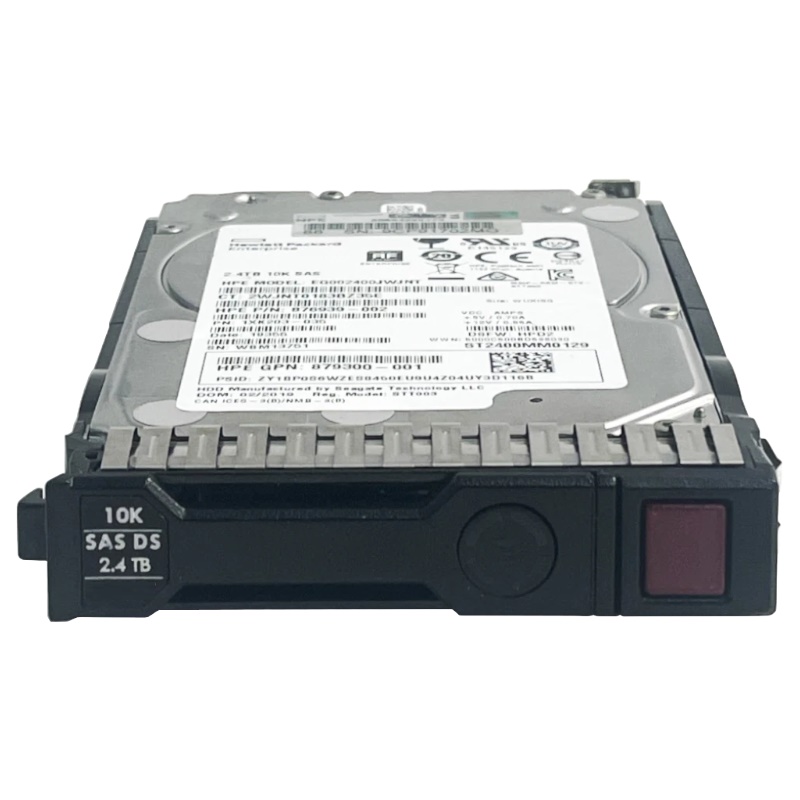


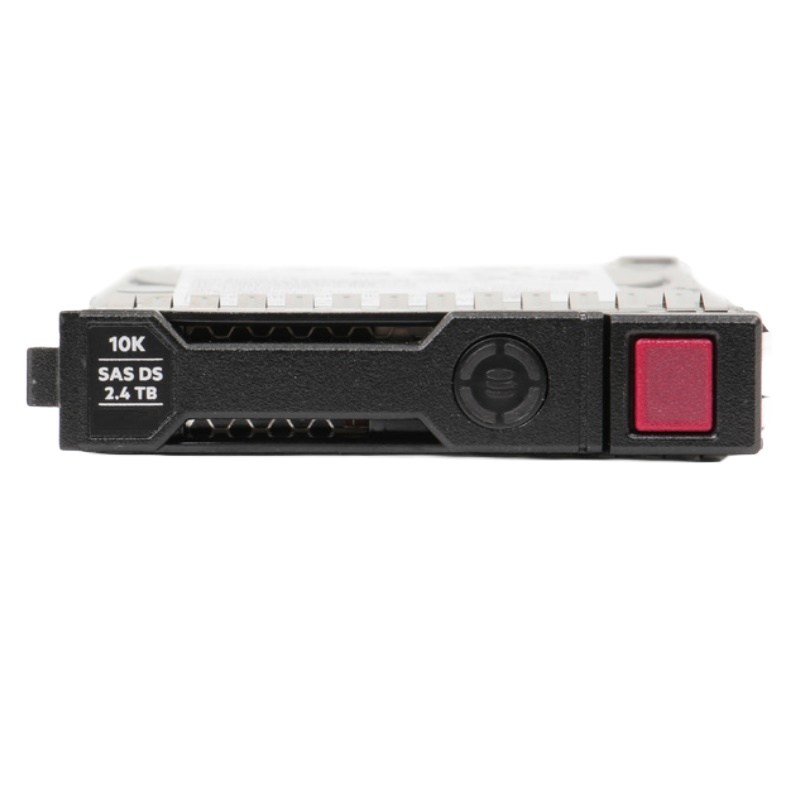
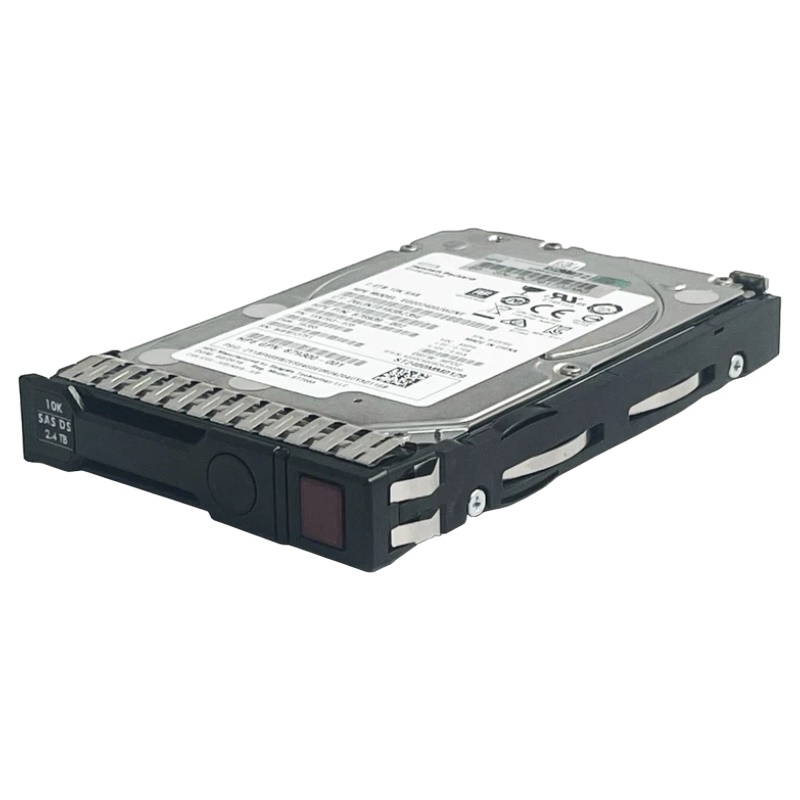
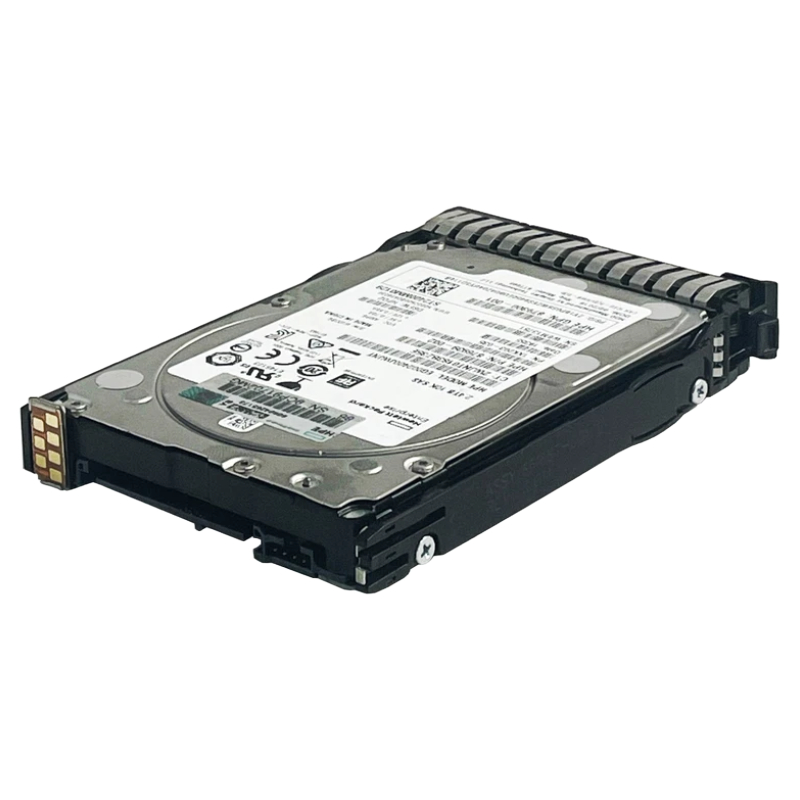
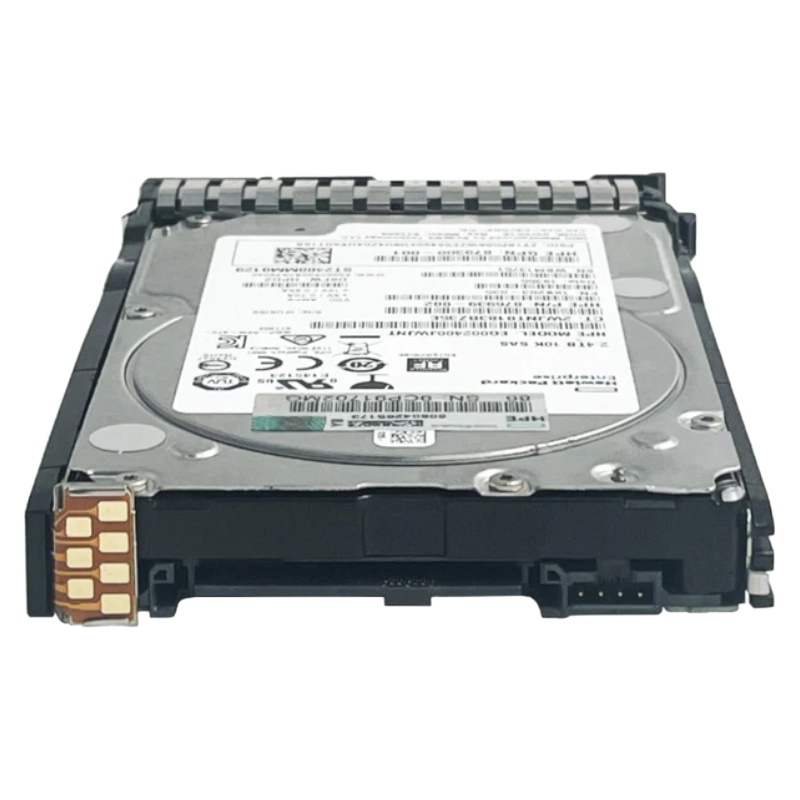
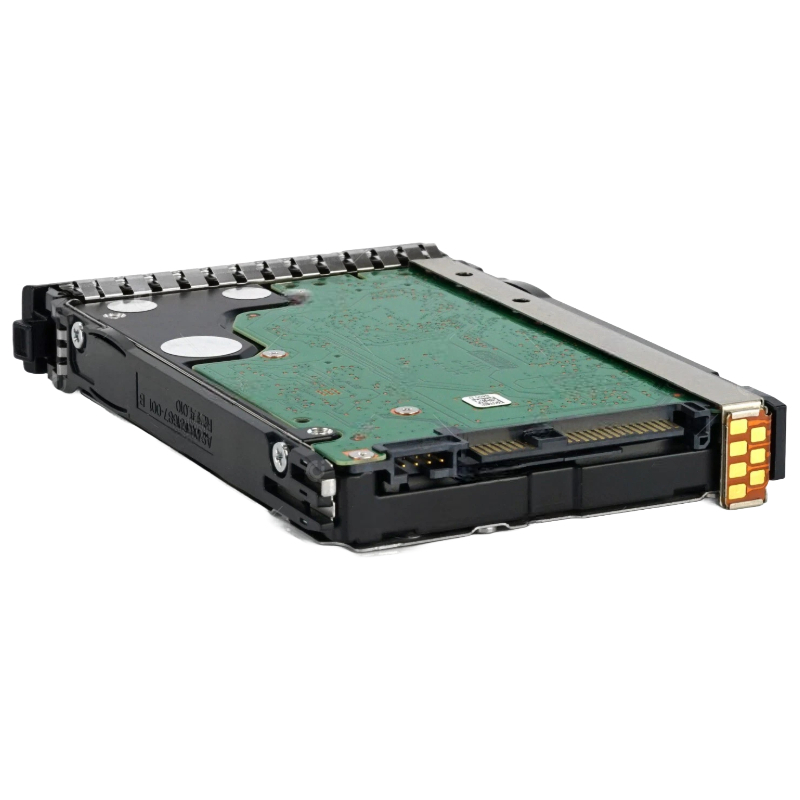
2.4TB SAS-12GBPS HDD 10K RPM SC SFF HPE 881457-B21. Factory-Sealed New in Original Box (FSB) With 3 Years Warranty
| SKU/MPN | Warranty | Price | Condition | You save |
|---|---|---|---|---|
| 881457-B21 | 1 Year Warranty | $522.00 | Excellent Refurbished | You save: $182.70 (26%) |
| 881457-B21 | 1 Year Warranty | $712.00 | Factory-Sealed New in Original Box (FSB) | You save: $249.20 (26%) |
The HPE 881457-B21 is a high‑performance small‑form‑factor hard disk drive engineered for enterprise‑grade servers. Designed to deliver rapid data access, enhanced reliability, and seamless integration with HPE ProLiant systems, this 2.4TB SAS HDD is ideal for data‑intensive workloads and scalable storage environments.
The HPE 881457-B21 2.4TB SAS 12Gbps 10K RPM Small Form Factor Hard Drive represents a crucial category within enterprise-grade storage solutions designed for high-performance data environments. Built to meet the rigorous demands of modern data centers, this class of storage device is engineered for reliability, speed, and consistent throughput. Businesses relying on mission-critical applications, transactional databases, virtualization platforms, and high-availability systems depend heavily on drives within this category to ensure uninterrupted operations and optimal data accessibility.
This category of enterprise hard drives is defined by its integration of Serial Attached SCSI (SAS) interface technology, delivering enhanced data transfer speeds and improved error handling capabilities compared to traditional SATA drives. With a rotational speed of 10,000 RPM and a 12Gbps interface, the drive provides an ideal balance between performance and storage capacity. The 2.4TB capacity places it within a segment tailored for organizations requiring scalable storage without compromising on speed, making it a common choice for mid-tier to high-tier enterprise deployments.
Within enterprise IT infrastructure, storage performance directly influences application responsiveness and overall system efficiency. The category encompassing 2.4TB SAS 10K RPM drives is specifically optimized for environments where latency reduction and sustained throughput are essential. These drives are typically deployed in RAID configurations within servers and storage arrays, ensuring redundancy, fault tolerance, and data protection.
The 12Gbps SAS interface significantly enhances data transfer rates, doubling the throughput of previous 6Gbps SAS generations. This allows faster communication between the storage device and the host system, reducing bottlenecks in data-intensive workloads. The 10K RPM rotational speed further contributes to faster read and write operations compared to standard 7.2K RPM drives, making this category suitable for applications such as database management systems, ERP platforms, and real-time analytics.
The Serial Attached SCSI interface is a defining feature of this category. SAS drives are designed for dual-port connectivity, allowing simultaneous access paths to the drive. This redundancy enhances system availability and ensures continuous data access even in the event of a path failure. Additionally, SAS technology provides advanced command queuing and error correction mechanisms, which are critical for maintaining data integrity in enterprise environments.
Another advantage of SAS drives in this category is their ability to operate continuously under heavy workloads. Unlike consumer-grade drives, enterprise SAS drives are built for 24/7 operation, with higher mean time between failures and robust firmware optimized for sustained performance. These attributes make them indispensable for organizations that cannot afford downtime or data inconsistencies.
The small form factor design of these drives, typically measuring 2.5 inches, enables higher storage density within server enclosures. Data centers benefit from this compact size by accommodating more drives in the same physical space, thereby increasing overall storage capacity without expanding the infrastructure footprint. This is particularly advantageous in environments where rack space is limited or where scalability is a priority.
In addition to space efficiency, small form factor drives generally consume less power and generate less heat compared to larger 3.5-inch drives. This contributes to improved energy efficiency and reduced cooling requirements, which are critical considerations in modern data centers aiming to minimize operational costs and environmental impact.
The category of 2.4TB SAS 10K RPM drives is widely utilized across various enterprise applications. These drives are particularly effective in scenarios that demand a balance between capacity and performance. For instance, they are commonly deployed in transactional databases where quick data retrieval and consistent write performance are essential for maintaining system responsiveness.
Virtualization environments also benefit significantly from this category of drives. Hosting multiple virtual machines requires storage systems capable of handling concurrent read and write operations without performance degradation. The high rotational speed and SAS interface enable these drives to manage such workloads efficiently, ensuring smooth operation of virtualized infrastructures.
In modern data centers, storage systems are the backbone of digital operations. Drives within this category are often integrated into storage arrays that support cloud computing platforms and hybrid IT environments. Their reliability and performance characteristics make them suitable for handling diverse workloads, including file storage, backup solutions, and application hosting.
Cloud service providers rely on enterprise-grade drives to deliver consistent performance to end users. The ability to scale storage capacity while maintaining high data transfer speeds is essential for meeting the demands of cloud-based services. This category of drives plays a critical role in achieving that balance, ensuring that data can be accessed quickly and securely.
Database systems require storage solutions that can handle frequent read and write operations with minimal latency. The 10K RPM speed and SAS interface of these drives make them well-suited for such tasks. They provide the performance needed to support online transaction processing systems, where delays can directly impact business operations.
Furthermore, the reliability of enterprise SAS drives ensures that data remains consistent and accessible even under heavy workloads. This is particularly important for industries such as finance, healthcare, and e-commerce, where data integrity and availability are critical.
Maintaining data integrity is a top priority in enterprise storage environments. Drives within this category incorporate advanced error detection and correction algorithms to minimize the risk of data corruption. These mechanisms work in conjunction with the SAS interface to ensure accurate data transmission and storage.
In the event of an error, the drive can quickly identify and correct the issue, preventing it from affecting overall system performance. This level of reliability is essential for businesses that depend on accurate and consistent data for their operations.
Scalability is a key consideration for organizations planning their storage infrastructure. The category of 2.4TB SAS drives offers flexibility in scaling storage capacity to meet growing data demands. These drives can be easily integrated into existing systems, allowing businesses to expand their storage capabilities without significant changes to their infrastructure.
Compatibility with a wide range of servers and storage arrays ensures seamless integration into enterprise environments. This interoperability is crucial for organizations that rely on heterogeneous systems and need storage solutions that can work across different platforms.
RAID configurations are commonly used in enterprise environments to enhance data protection and performance. Drives in this category are designed to work efficiently in various RAID levels, including RAID 0, RAID 1, RAID 5, and RAID 10. Each configuration offers different benefits, such as improved performance, redundancy, or a combination of both.
The reliability and performance characteristics of these drives make them ideal for RAID deployments. They ensure that data remains accessible even in the event of a drive failure, providing an additional layer of security for critical information.


 Contact Us
 Information
 Catalog
 Solid State Drives (SSD)
 Network Switches
 Hard Disk Drives
 HBA & Controllers
 PC & Servers
 PC & Server Memory
 CPU & Processors
 Network Routers
 Power Supplies
 Tape Drives & Libraries
 Network Devices
 Computer & Network Cables