(7% discount is applied at checkout)
Cart is empty
Your go-to destination for cutting-edge server products
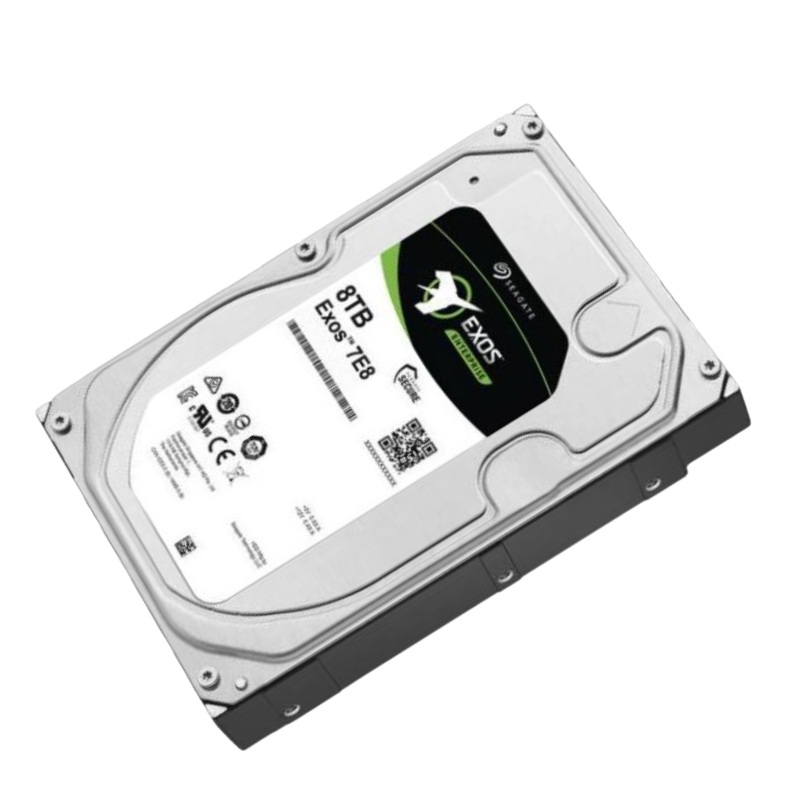


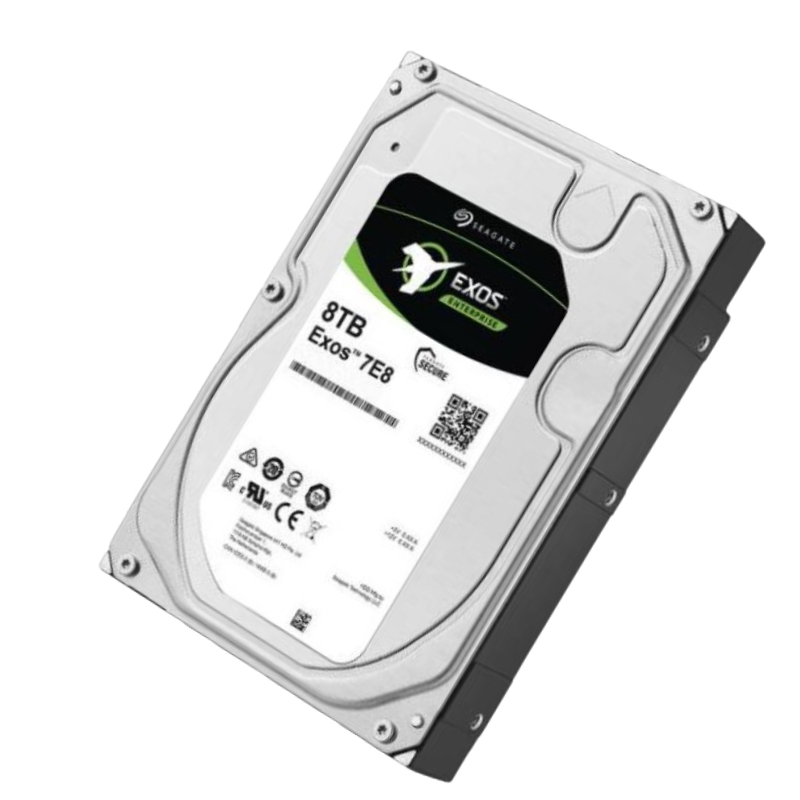
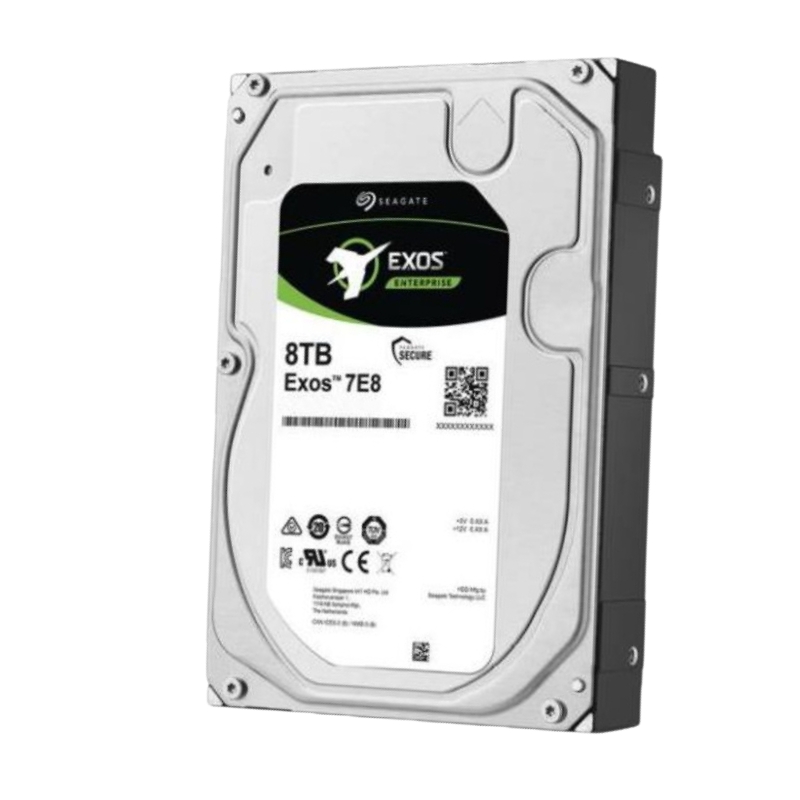
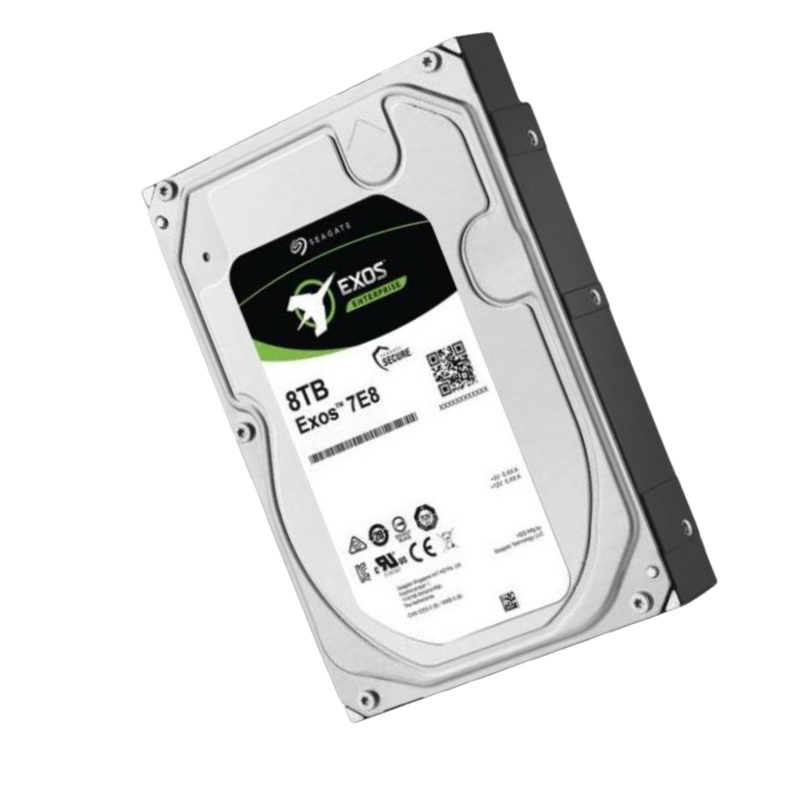
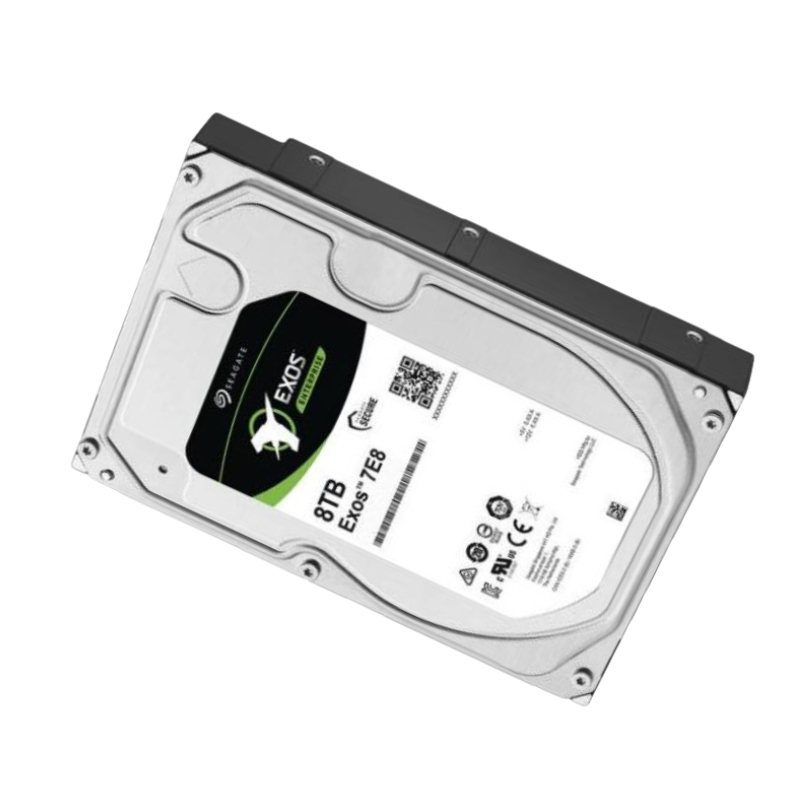
Seagate 2KE231-150 Exos 7e8 8TB 7.2K RPM SAS-12GBPS 256mb Buffer 512e Ise 3.5inch Hard Disk Drive. Excellent Refurbished with 1 year replacement warranty
| SKU/MPN | Warranty | Price | Condition | You save |
|---|---|---|---|---|
| 2KE231-150 | 1 Year Warranty | $418.00 | New Sealed in Box (NIB) | You save: $146.30 (26%) |
| 2KE231-150 | 1 Year Warranty | $209.00 | Excellent Refurbished | You save: $73.15 (26%) |
The Seagate 2KE231-150 Exos 7e8 is a high-capacity enterprise-grade hard disk drive engineered for reliability, speed, and efficiency. Designed for data centers and professional environments, this 8TB HDD delivers consistent performance with advanced features for long-term storage solutions.
The Seagate 2KE231-150 Exos 7e8 8TB 7.2K RPM SAS-12GBPS 256mb Buffer 512e Ise 3.5inch Hard Disk Drive represents a robust enterprise-grade storage solution engineered for modern data-intensive infrastructures where reliability, endurance, and sustained throughput are critical. Designed within the Exos enterprise family, this 8TB hard disk drive integrates advanced mechanical engineering with refined firmware optimization to support large-scale storage arrays, data center workloads, and mission-critical server environments. The combination of a 7,200 RPM spindle speed and SAS 12Gbps interface enables consistent data streaming performance while maintaining enterprise-level durability standards.
Within enterprise storage ecosystems, drives like this serve as foundational components for scalable architectures that demand continuous uptime. The 256MB buffer enhances caching efficiency, reducing latency during repeated access patterns, while 512e sector formatting ensures compatibility with modern systems requiring advanced logical block structures. As data generation continues to expand across cloud computing, virtualization, and analytics platforms, this class of storage device becomes essential for sustaining operational efficiency.
At the heart of this hard disk drive lies precision-engineered platter technology designed to maximize storage density without compromising reliability. The 8TB capacity is achieved through advanced magnetic recording techniques that allow data to be stored efficiently across multiple platters while maintaining signal integrity. Each platter operates within tightly controlled tolerances to minimize vibration-induced errors, ensuring that read and write operations remain stable even under continuous enterprise workloads.
The drive incorporates error correction algorithms and rotational vibration safeguards that are essential in multi-drive server chassis environments. These mechanisms help maintain data accuracy in densely populated storage arrays where mechanical interference is a common challenge. The engineering focus on durability ensures that the drive can withstand prolonged operational cycles typical of enterprise data centers.
Operating at 7,200 revolutions per minute, the spindle motor is calibrated for an optimal balance between performance and energy efficiency. This speed class is widely adopted in enterprise storage environments due to its ability to deliver predictable latency and throughput while maintaining thermal stability. The motor design reduces mechanical wear over time, extending operational lifespan and reducing total cost of ownership for large-scale deployments.
The internal architecture incorporates adaptive vibration dampening systems that compensate for multi-drive enclosure conditions. These systems continuously adjust internal head positioning to counteract external mechanical disturbances, ensuring consistent read/write precision across sustained workloads. This level of engineering refinement is essential in rack-mounted server configurations where dozens or hundreds of drives may operate simultaneously.
The SAS 12Gbps interface provides a high-speed communication pathway between the drive and host systems, enabling rapid data transmission and low-latency command execution. This interface is specifically designed for enterprise environments where multiple concurrent data streams must be processed efficiently. Compared to traditional SATA interfaces, SAS offers improved scalability, dual-port redundancy, and enhanced reliability features that are critical for mission-critical systems.
The dual-port functionality ensures continuous data availability by allowing failover connections in redundant storage architectures. This feature is particularly valuable in clustered environments where system uptime is a primary operational requirement. The interface also supports advanced command queuing mechanisms that optimize data flow and reduce bottlenecks during peak workloads.
The drive’s firmware is optimized to handle deep command queues efficiently, allowing it to manage simultaneous read and write requests without degradation in performance. This capability is essential in virtualized environments where multiple virtual machines access shared storage resources concurrently. By intelligently prioritizing data requests, the system ensures balanced performance distribution across workloads.
The integrated 256MB cache buffer plays a critical role in enhancing overall system responsiveness. By temporarily storing frequently accessed data, the buffer reduces the need for repetitive disk access operations, thereby improving latency performance. This caching mechanism is particularly beneficial in workloads involving sequential data access patterns such as backup operations, data replication, and large file transfers.
The cache architecture is designed to dynamically adapt to workload variations, ensuring optimal allocation of memory resources based on real-time usage patterns. This adaptive behavior contributes to smoother performance under fluctuating enterprise demands, especially in environments with unpredictable I/O loads.
The firmware employs predictive read-ahead algorithms that anticipate data requests based on historical access patterns. This predictive capability significantly reduces access latency by preloading relevant data into the buffer before it is explicitly requested by the host system. Such optimization is essential in high-performance computing environments where microseconds of latency can impact overall system efficiency.
The drive is widely applicable in large-scale data center environments where high-capacity storage and consistent performance are required. It is suitable for object storage systems, distributed file systems, and cloud-based archival platforms. Its combination of capacity and reliability makes it ideal for handling petabyte-scale datasets across distributed architectures.
In cloud infrastructures, the drive supports virtualization layers that demand continuous data availability. Its ability to handle concurrent access from multiple virtual machines ensures stable performance in multi-tenant environments.
In disaster recovery configurations, the drive supports redundant data replication strategies that ensure business continuity in case of system failure. Its SAS interface allows seamless integration into high-availability clusters where failover mechanisms are essential for maintaining operational resilience.
The drive is designed with intelligent power management features that reduce energy consumption during idle or low-activity states. This contributes to lower operational costs in large-scale deployments where hundreds or thousands of drives may be in use simultaneously.


 Contact Us
 Information
 Catalog
 Solid State Drives (SSD)
 Network Switches
 Hard Disk Drives
 HBA & Controllers
 PC & Servers
 PC & Server Memory
 CPU & Processors
 Network Routers
 Power Supplies
 Tape Drives & Libraries
 Network Devices
 Computer & Network Cables