(7% discount is applied at checkout)
Cart is empty
Your go-to destination for cutting-edge server products
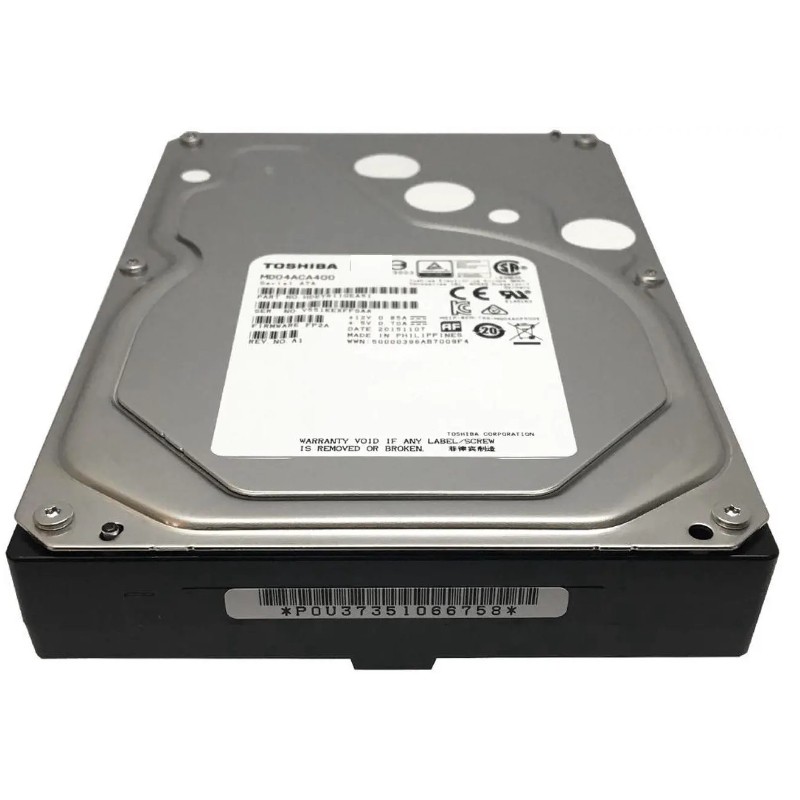


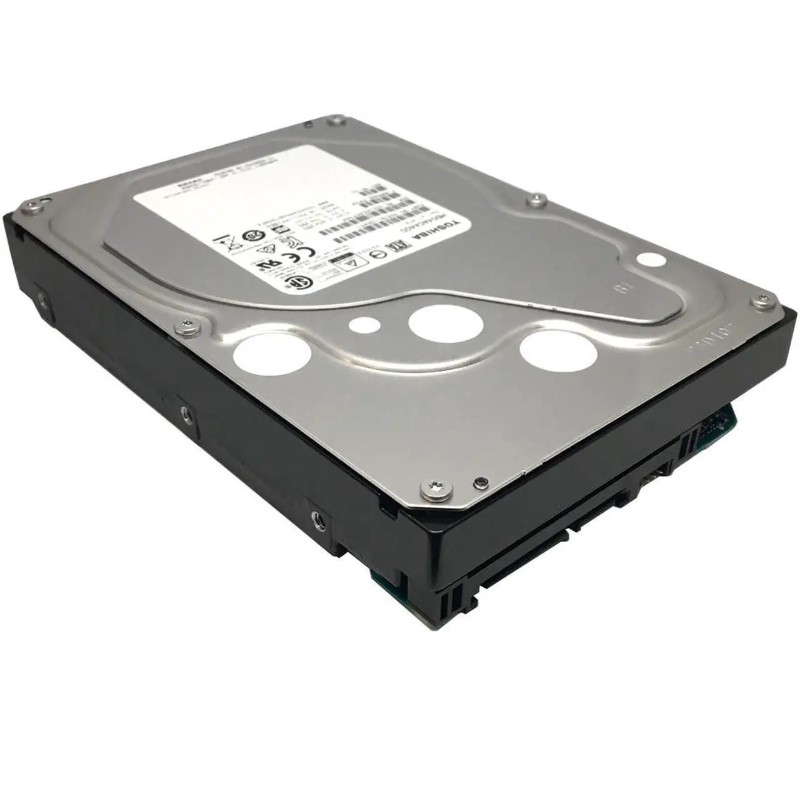
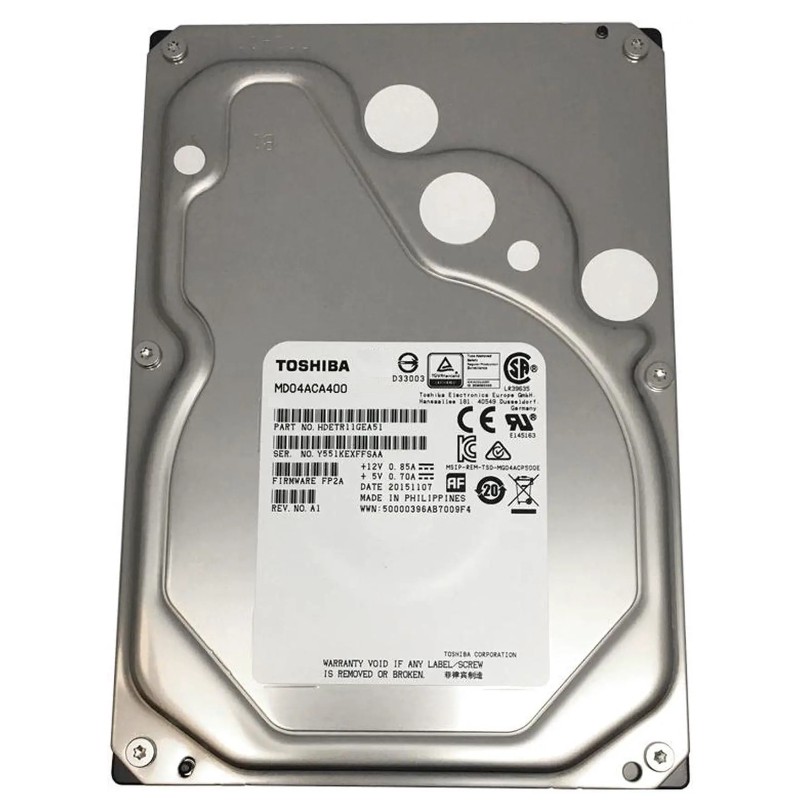
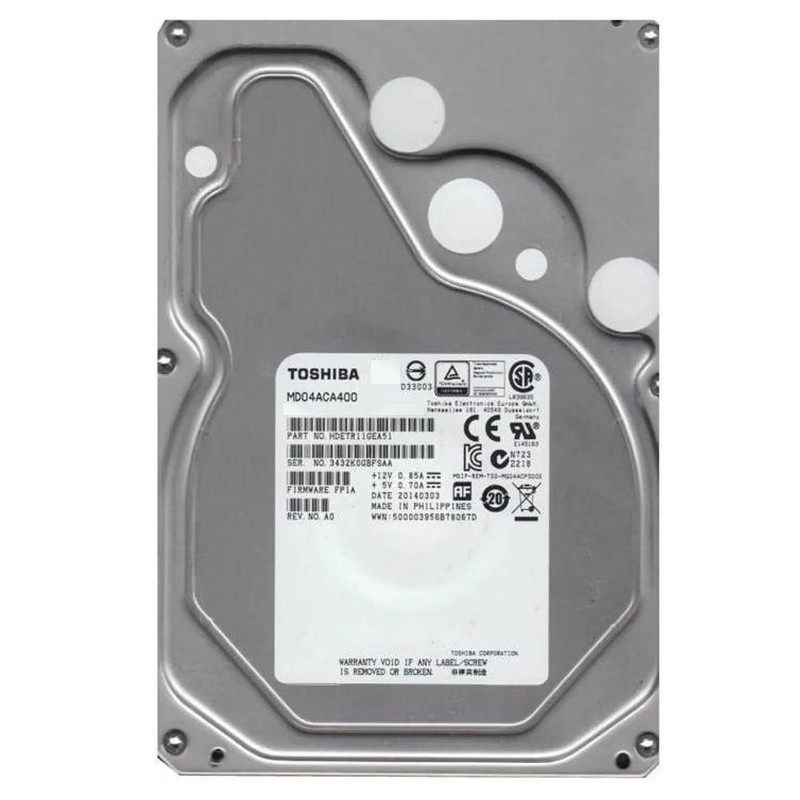
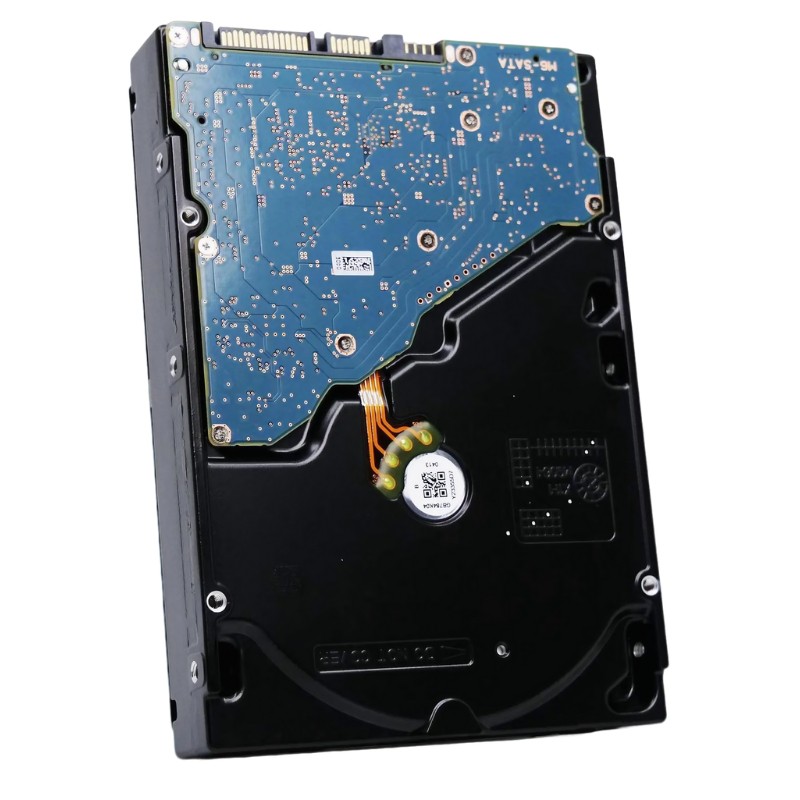
Toshiba HDEPC00GEA51 4TB 7.2K RPM SAS 6GBPS 64MB Hard Disk. Excellent Refurbished with 1 year replacement warranty - Dell Version
| SKU/MPN | Warranty | Price | Condition | You save |
|---|---|---|---|---|
| HDEPC00GEA51 | 1 Year Warranty | $96.00 | Excellent Refurbished | You save: $33.60 (26%) |
| HDEPC00GEA51 | 1 Year Warranty | $142.00 | Excellent Refurbished | You save: $49.70 (26%) |
The Toshiba HDEPC00GEA51 4TB enterprise-grade hard disk drive is designed for high-performance storage environments that demand reliability, speed, and consistent data handling. Built with SAS 6Gbps interface technology and a 7,200 RPM rotational speed, this HDD delivers balanced performance for servers, workstations, and data center applications.
The Toshiba HDEPC00GEA51 4TB 7.2K RPM SAS 6Gbps 64MB Hard Disk Drive belongs to a specialized category of enterprise-grade storage solutions designed for high reliability, consistent performance, and long-term operational stability in demanding server and data center environments. This category of hard disk drives is engineered to handle continuous workloads, making it suitable for mission-critical applications where data integrity and uptime are essential. The architecture of such drives reflects a balance between storage capacity, rotational performance, and interface stability, ensuring that enterprise systems can rely on predictable data throughput over extended periods of usage.
Enterprise storage drives such as the Toshiba HDEPC00GEA51 are built with a design philosophy centered on durability and sustained performance rather than peak consumer-level speed. The internal components are optimized for 24/7 operation, with reinforced mechanical structures that reduce vibration impact in multi-drive server chassis. This category of HDDs typically uses helium or advanced air-based sealing technologies depending on model design, contributing to reduced friction and improved energy efficiency. The 4TB capacity segment is particularly important in enterprise storage hierarchies as it offers a balance between density and manageability, enabling system administrators to scale storage arrays without excessive hardware overhead.
Within this category, engineering precision is prioritized to ensure that read and write heads maintain accuracy even under heavy workloads. The firmware is optimized for error correction and predictive failure analysis, which helps in preventing unexpected downtime. The integration of SAS (Serial Attached SCSI) interface further strengthens this design approach by enabling dual-port connectivity and improved command queuing, which are essential in redundant storage systems.
The SAS 6Gbps interface used in the Toshiba HDEPC00GEA51 category of hard drives plays a critical role in ensuring reliable and efficient data transfer between the storage device and the host system. SAS technology is widely adopted in enterprise environments due to its ability to support full-duplex communication, which allows simultaneous read and write operations without bottlenecks. This makes it particularly valuable in high-availability systems where data access speed and consistency are essential.
One of the defining characteristics of SAS-based drives is their superior signal integrity compared to traditional SATA-based solutions. The 6Gbps bandwidth ensures that large volumes of data can be transferred with minimal latency, while advanced encoding techniques reduce the likelihood of transmission errors. This is especially important in enterprise environments where even minor data corruption can lead to significant operational disruptions. The Toshiba HDEPC00GEA51 category benefits from this stability by ensuring that data remains consistent across multiple read-write cycles.
Native Command Queuing (NCQ) and tagged command queuing mechanisms within SAS systems allow the drive to efficiently manage multiple simultaneous data requests. This improves overall system throughput and reduces response time in multi-user environments. The drive intelligently prioritizes data requests based on system demands, ensuring that critical operations are handled with minimal delay. This level of optimization is particularly beneficial in database servers, virtualization clusters, and enterprise backup systems.
The 7,200 RPM rotational speed of the Toshiba HDEPC00GEA51 4TB hard disk positions it within a category that balances speed and reliability. While not as fast as high-performance 10K or 15K RPM drives, 7.2K RPM drives are widely used in bulk storage applications where capacity and endurance are more important than ultra-low latency. The mechanical engineering behind these drives ensures consistent platter rotation, reduced vibration, and optimized head positioning for stable data access.
The spindle motor used in this category of HDD is designed for long-term operation with minimal thermal output. Efficient heat dissipation is essential in enterprise environments where multiple drives operate simultaneously in confined server racks. The design helps reduce thermal throttling risks, ensuring that performance remains stable even under continuous workload conditions. Heat management also contributes to extending the operational lifespan of the drive, which is a key requirement in enterprise storage planning.
Enterprise storage systems often contain multiple hard drives operating in close proximity, which can lead to vibration interference. The Toshiba HDEPC00GEA51 category incorporates advanced vibration compensation mechanisms that stabilize read/write head positioning. This ensures data accuracy and prevents performance degradation caused by mechanical disturbances. Such features are particularly important in RAID arrays and high-density storage enclosures.
The inclusion of 64MB cache memory in this category of hard disk drives plays a crucial role in enhancing data handling efficiency. Cache memory acts as a temporary buffer that stores frequently accessed data, allowing the system to retrieve information more quickly than accessing the disk platters directly. This significantly improves overall read performance and reduces latency in data-intensive operations.
Advanced firmware algorithms in enterprise HDDs utilize read-ahead caching techniques to predict upcoming data requests. By preloading data into cache memory, the drive can deliver faster response times and smoother performance during sequential read operations. This is particularly beneficial in media streaming, database queries, and large file transfers where sequential access patterns are common.
Write caching mechanisms ensure that incoming data is temporarily stored in cache before being committed to disk platters. This improves write performance while maintaining data integrity through controlled flushing mechanisms. In the event of power interruption, enterprise drives often include safeguards that prevent data loss, ensuring that cached information is either safely written or recovered during system restart.
The Toshiba HDEPC00GEA51 4TB SAS hard drive category is widely used across various enterprise environments where reliability and sustained performance are essential. These use cases include data centers, cloud infrastructure, virtualization platforms, and archival storage systems. Each of these environments requires storage solutions capable of handling continuous workloads without performance degradation.
In data centers, these drives are deployed in large-scale storage arrays where high availability and redundancy are critical. The SAS interface ensures seamless integration with enterprise storage controllers, allowing administrators to manage large volumes of data efficiently. The 4TB capacity is ideal for balancing storage density with manageability, enabling scalable infrastructure growth.
Enterprise HDDs like the Toshiba HDEPC00GEA51 are commonly used in RAID configurations to provide redundancy and fault tolerance. RAID systems distribute data across multiple drives, ensuring that system failure does not result in data loss. The consistent performance and reliability of SAS-based drives make them well-suited for such configurations, where synchronized operation across multiple disks is required.
Virtualized environments rely heavily on stable and predictable storage performance. These hard drives support virtual machine hosting by providing consistent I/O performance under multi-tenant workloads. Cloud storage systems benefit from the drive’s ability to handle simultaneous access requests without significant latency fluctuations.
Long-term data retention is another critical application for this category of HDD. Backup systems require large-capacity drives that can store extensive data sets reliably over extended periods. The Toshiba HDEPC00GEA51 provides a stable platform for archival storage, ensuring that data remains accessible and intact for future retrieval.
Enterprise hard drives are designed with a strong focus on lifecycle performance and reliability engineering. The Toshiba HDEPC00GEA51 category incorporates predictive failure analysis and self-monitoring technologies that help detect potential issues before they lead to system failure. These features are essential in maintaining continuous uptime in enterprise environments.
Firmware optimization ensures that the drive maintains stable performance throughout its operational lifecycle. Regular updates and built-in error correction algorithms enhance compatibility with evolving storage infrastructures. This contributes to consistent performance even under changing workload conditions.
The Toshiba HDEPC00GEA51 4TB SAS HDD category is designed for broad compatibility with enterprise-grade storage controllers, servers, and SAN (Storage Area Network) systems. Its SAS interface ensures seamless integration with modern infrastructure, enabling efficient deployment in both legacy and contemporary systems.
These drives are commonly deployed in rack-mounted servers and blade server systems where high-density storage is required. The standardized SAS interface ensures compatibility with a wide range of enterprise RAID controllers and host bus adapters, simplifying system integration.
In distributed storage environments, scalability is a key requirement. The 4TB capacity allows organizations to expand storage infrastructure incrementally without redesigning entire systems. This flexibility is essential for growing data demands in enterprise operations.
Energy efficiency is an important consideration in enterprise storage design. The Toshiba HDEPC00GEA51 category is optimized to reduce power consumption while maintaining high performance levels. Efficient spindle motor design and intelligent power management features contribute to lower operational costs in large-scale deployments.
The drive incorporates power-saving modes that reduce energy consumption during periods of low activity. These modes help organizations minimize electricity costs without compromising data availability or performance readiness.
Efficient thermal management ensures that the drive operates within safe temperature ranges even in densely packed server environments. This reduces cooling requirements and contributes to overall data center efficiency.
Enterprise storage strategies often rely on a combination of performance tiers, and the Toshiba HDEPC00GEA51 4TB SAS HDD category fits into mid-tier storage solutions that balance cost, capacity, and reliability. It plays a vital role in hierarchical storage management systems where frequently accessed data is stored on faster media, while less frequently accessed data is stored on high-capacity HDDs.
Data lifecycle management involves moving data between different storage tiers based on usage patterns. This category of hard drives is particularly suited for long-term storage layers where durability and capacity are more important than ultra-high-speed access.
Organizations rely on structured retention policies to manage large volumes of historical data. These drives provide a stable platform for compliance-driven storage requirements, ensuring that data remains accessible for auditing and regulatory purposes over extended periods.
Hybrid storage systems combine SSDs and HDDs to optimize performance and cost. The Toshiba HDEPC00GEA51 category plays a key role in such architectures by handling bulk storage workloads while SSDs manage high-speed caching and transactional data.


 Contact Us
 Information
 Catalog
 Solid State Drives (SSD)
 Network Switches
 Hard Disk Drives
 HBA & Controllers
 PC & Servers
 PC & Server Memory
 CPU & Processors
 Network Routers
 Power Supplies
 Tape Drives & Libraries
 Network Devices
 Computer & Network Cables