(7% discount is applied at checkout)
Cart is empty
Your go-to destination for cutting-edge server products
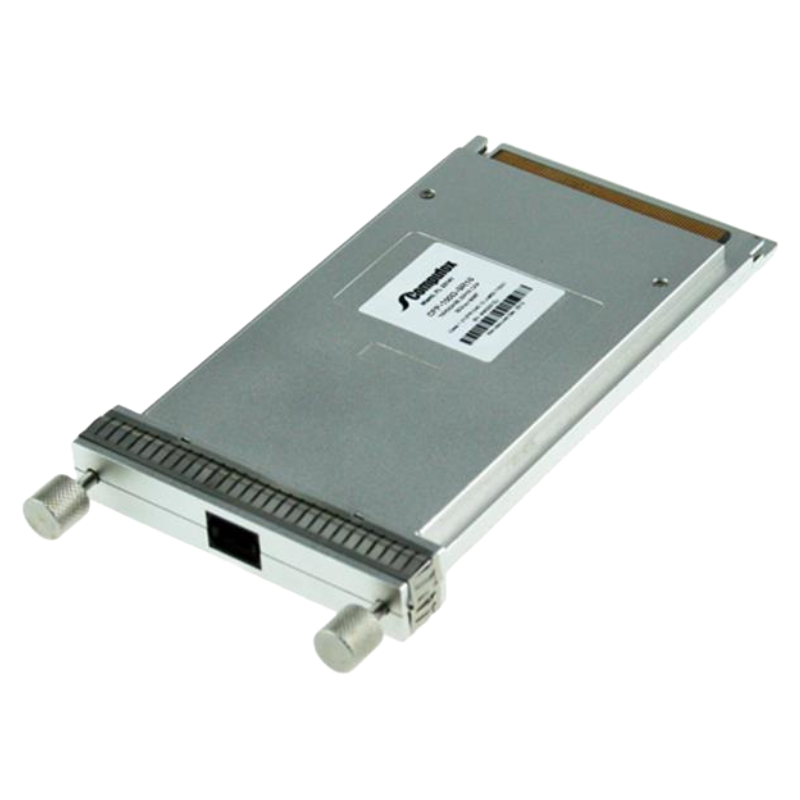


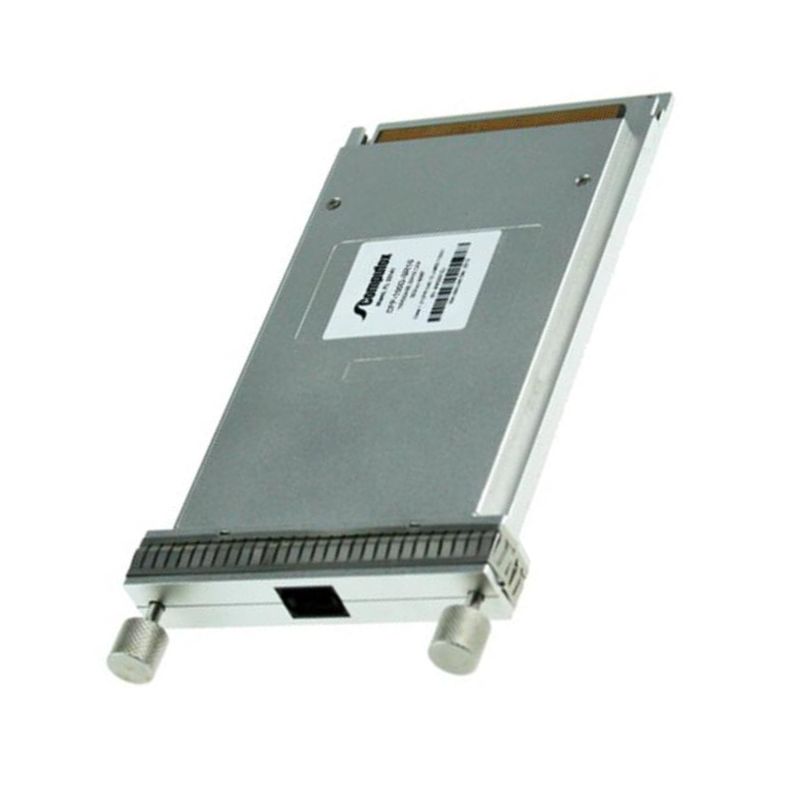
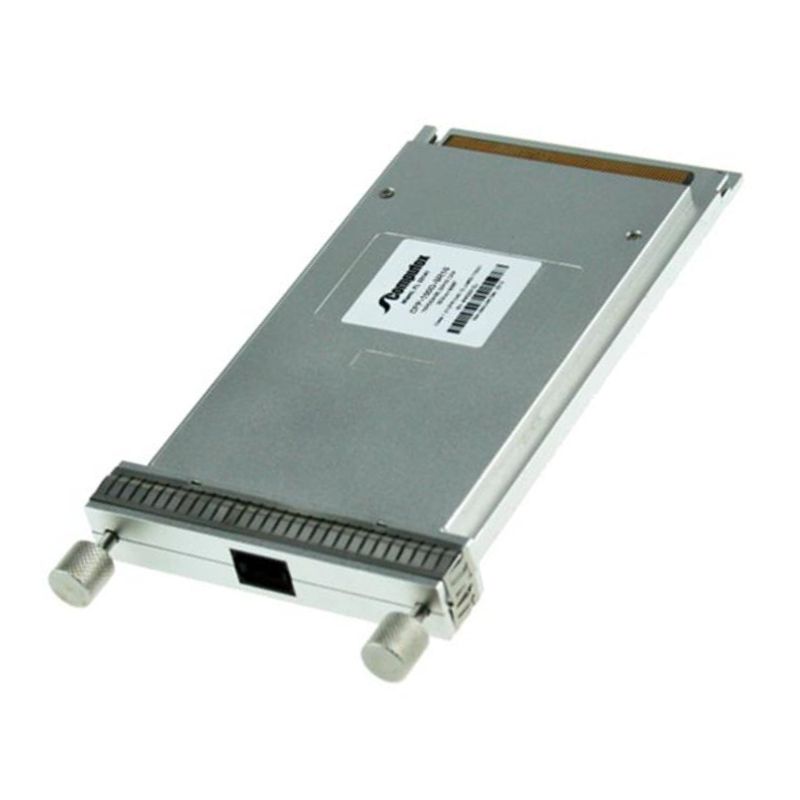
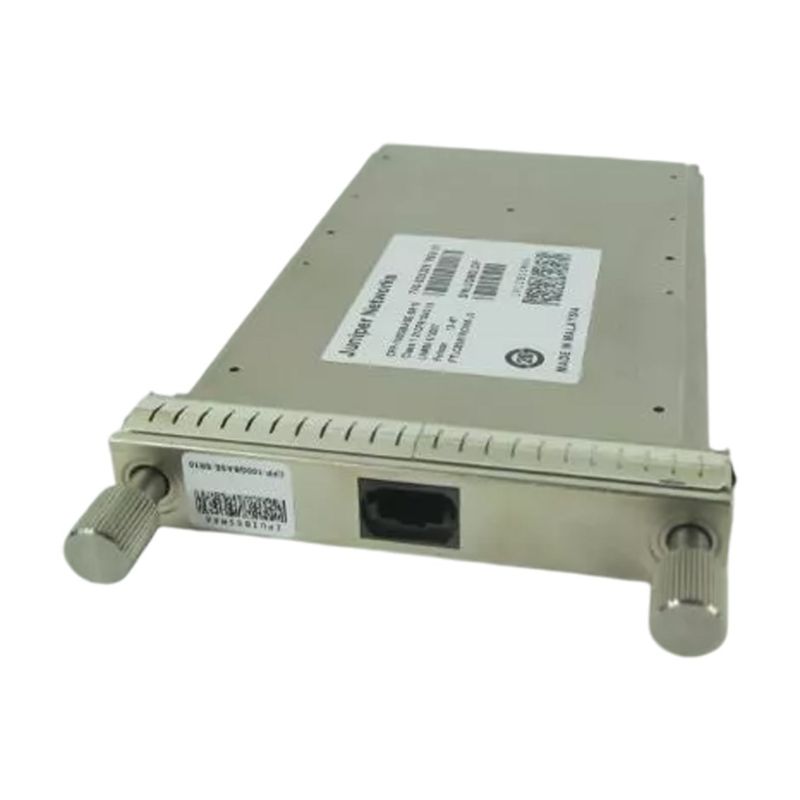
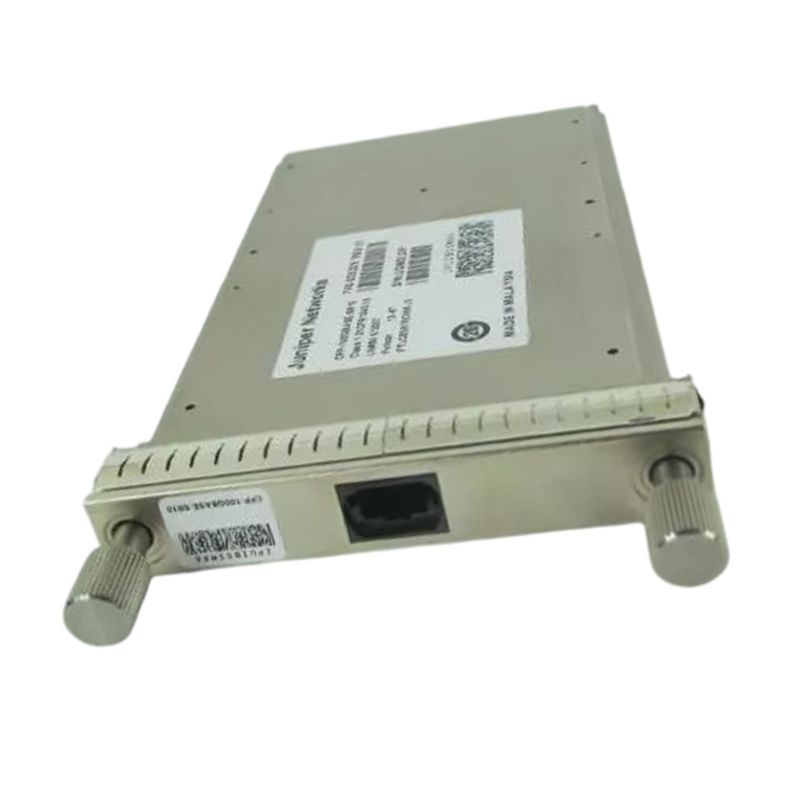
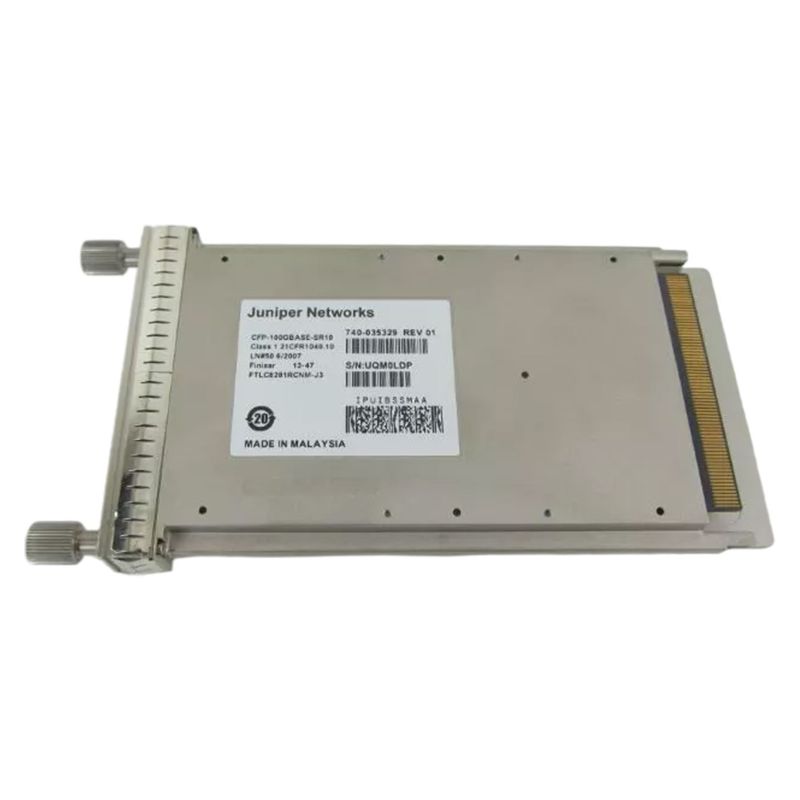
Juniper CFP-100GBASE-SR10 Networks CFP 100 Gigabit Ethernet Pluggable Optical Transceiver. Excellent Refurbished with 1 year replacement warranty
The Juniper CFP-100GBASE-SR10 is a high-speed optical transceiver designed for modern data center networking and high-bandwidth enterprise environments. Built for ultra-fast data transmission, it supports 100 Gigabit Ethernet connectivity with reliable short-range multimode fiber performance.
The
Within this category, CFP modules such as the 100GBASE-SR10 variant are specifically optimized for short-reach multimode fiber transmission, making them ideal for intra-data-center connectivity. These modules are engineered to balance power consumption, port density, and signal integrity, ensuring consistent performance under heavy traffic loads. The design philosophy behind CFP modules reflects the industry's need for modular, hot-swappable optics that reduce downtime and simplify maintenance operations.
As a leading vendor in enterprise and carrier-grade networking, Juniper Networks has developed and certified a wide range of optical transceivers that integrate seamlessly with its switching and routing platforms. The CFP-100GBASE-SR10 module category reflects Juniper’s focus on delivering high-performance optical interconnects that align with stringent interoperability and performance standards. These modules are designed to operate efficiently within Juniper hardware ecosystems, ensuring optimized compatibility, diagnostics, and firmware-level integration.
The category is widely used in aggregation layers, spine-leaf architectures, and high-capacity uplink scenarios where 100 Gigabit Ethernet throughput is required. Juniper’s implementation emphasizes low latency and stable signal transmission across multimode fiber channels, allowing organizations to maintain high-speed communication between critical infrastructure nodes.
The 100GBASE-SR10 specification within the CFP category relies on parallel optical transmission technology, utilizing multiple independent lanes to achieve aggregate throughput of 100 Gigabits per second. Typically, the SR10 architecture employs ten parallel lanes, each operating at approximately 10 Gigabits per second. This multi-lane structure enables efficient distribution of optical signals across multimode fiber ribbons, significantly reducing the complexity associated with single-lane high-speed modulation techniques.
The parallel design also enhances redundancy and signal stability, as data transmission is distributed across multiple optical channels. This ensures that performance degradation in a single lane does not necessarily compromise the entire link, thereby improving overall reliability in mission-critical network deployments.
CFP-100GBASE-SR10 modules are optimized for multimode fiber infrastructure, commonly deployed in data center environments where short-reach connectivity is required. These modules typically operate over OM3 and OM4 fiber types, enabling transmission distances suitable for intra-building connectivity. The reliance on multimode fiber reduces deployment costs compared to single-mode alternatives while maintaining sufficient bandwidth for high-performance computing clusters and storage networks.
The optical interface is generally implemented using MPO/MTP connectors, which support multiple fiber strands in a compact form factor. This connector design aligns with the parallel nature of SR10 transmission, ensuring efficient alignment of optical lanes and minimizing insertion loss.
Within the CFP-100GBASE-SR10 category, signal encoding techniques are designed to maximize data integrity while minimizing latency. Each lane carries serialized electrical data that is converted into optical signals through integrated laser arrays. The module’s internal circuitry manages signal conditioning, including clock data recovery, error detection, and power balancing across channels.
The use of parallel lanes allows the system to avoid the complexities of ultra-high-speed serial modulation required in single-lane 100G solutions. This results in lower power consumption per bit transmitted and simplifies thermal management within densely populated networking chassis.
The optical engine within CFP SR10 modules is built around multiple vertical-cavity surface-emitting lasers (VCSELs), which are optimized for short-range multimode transmission. These lasers provide stable wavelength output and are designed for high-speed modulation across multiple independent channels. The integration of VCSEL arrays into the CFP form factor ensures compact design while maintaining high throughput capacity.
One of the defining features of the CFP category, including the Juniper CFP-100GBASE-SR10 module, is its hot-swappable design. This allows network administrators to install or replace transceiver modules without powering down the host system, thereby minimizing service interruptions. This feature is particularly critical in enterprise and carrier-grade environments where uptime is a key operational requirement.
The mechanical structure of CFP modules is significantly larger than newer QSFP variants, reflecting the earlier generation design intended to accommodate higher power consumption and multiple optical lanes. Despite its larger footprint, the CFP form factor provides robust thermal dissipation capabilities, ensuring stable operation under continuous high-bandwidth workloads.
Thermal control is a critical aspect of CFP transceiver design. The CFP-100GBASE-SR10 module incorporates heat spreaders and optimized airflow channels to dissipate heat generated by laser arrays and high-speed electronics. Power consumption is distributed across multiple components within the module, reducing localized thermal stress and enhancing overall reliability.
Efficient thermal design ensures that the module maintains performance consistency even in high-density switching environments where multiple 100G modules operate simultaneously. This is essential for maintaining signal integrity and preventing performance throttling due to overheating.
The Juniper CFP-100GBASE-SR10 category plays a crucial role in modern spine-leaf network architectures, where high-bandwidth links are required to connect aggregation and core switches. In cloud data centers, these modules enable efficient east-west traffic flow between servers, storage systems, and virtualization clusters. The 100G throughput capability ensures that large-scale data transfers occur without congestion, improving application performance and reducing latency.
In spine-leaf topologies, SR10 modules are commonly deployed in spine switches to provide high-capacity uplinks to multiple leaf nodes. This architecture supports horizontal scaling, allowing organizations to expand infrastructure without redesigning the entire network fabric.
Beyond data centers, CFP-100GBASE-SR10 modules are also used in enterprise backbone networks where high-speed interconnection between campus buildings or network aggregation points is required. The short-reach multimode design makes them suitable for structured cabling systems within corporate environments, research institutions, and government facilities.
In telecommunications environments, CFP modules support aggregated transport links that carry multiple data streams across network nodes. The SR10 variant is typically used in short-reach segments within central offices or data aggregation hubs. Its ability to handle multiple lanes of traffic simultaneously makes it suitable for high-density optical switching environments.
Carrier networks benefit from the modular nature of CFP transceivers, which allows for scalable upgrades as bandwidth demand increases. Instead of replacing entire switching systems, operators can upgrade optical modules to support higher throughput levels.
CFP-100GBASE-SR10 modules are engineered to maintain extremely low bit error rates, ensuring stable and reliable data transmission across high-speed links. Advanced error correction mechanisms are implemented at both the optical and electrical layers to detect and mitigate transmission anomalies. These mechanisms are essential in environments where even minor data corruption can lead to significant performance degradation.
The use of multiple parallel lanes also contributes to improved fault tolerance, as the system can compensate for minor degradation in individual channels without affecting overall throughput significantly.
Modern CFP modules, including Juniper-certified variants, incorporate digital diagnostic monitoring (DDM) capabilities. These features allow real-time tracking of parameters such as optical power levels, temperature, voltage, and laser bias current. Network administrators can use this information to proactively identify potential issues before they impact network performance.
The Juniper CFP-100GBASE-SR10 category is designed to integrate seamlessly with Juniper’s high-performance routing and switching platforms. This integration ensures that modules are recognized automatically by system firmware, enabling plug-and-play deployment without complex configuration procedures.
Firmware-level compatibility ensures that performance parameters are optimized according to system capabilities, enhancing overall efficiency and reducing operational overhead for network administrators.
In distributed architectures, CFP SR10 modules support scalable expansion by enabling additional high-speed links between network nodes. This flexibility is essential for organizations experiencing rapid growth in data traffic, particularly in cloud service providers and large enterprise environments.
While CFP-100GBASE-SR10 modules remain relevant in many legacy and existing infrastructures, the industry is gradually transitioning toward more compact form factors such as QSFP28 and QSFP-DD. These newer standards offer higher port density and improved power efficiency. However, CFP modules continue to play a critical role in environments where existing infrastructure investments must be preserved.
The transition is gradual, and CFP modules still provide significant value in large-scale backbone systems where stability and compatibility outweigh the need for maximum density.
Enterprise environments often maintain CFP-based systems for extended periods due to their reliability and proven performance. The Juniper CFP-100GBASE-SR10 category remains an important part of this ecosystem, ensuring backward compatibility and sustained operational support for high-speed optical links.


 Contact Us
 Information
 Catalog
 Solid State Drives (SSD)
 Network Switches
 Hard Disk Drives
 HBA & Controllers
 PC & Servers
 PC & Server Memory
 CPU & Processors
 Network Routers
 Power Supplies
 Tape Drives & Libraries
 Network Devices
 Computer & Network Cables