(7% discount is applied at checkout)
Cart is empty
Your go-to destination for cutting-edge server products
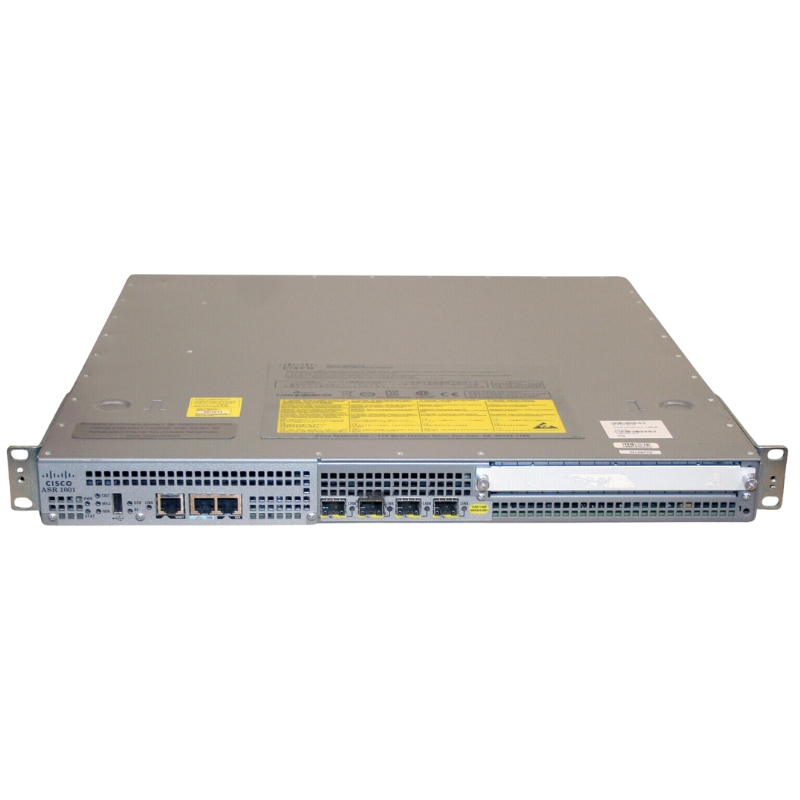


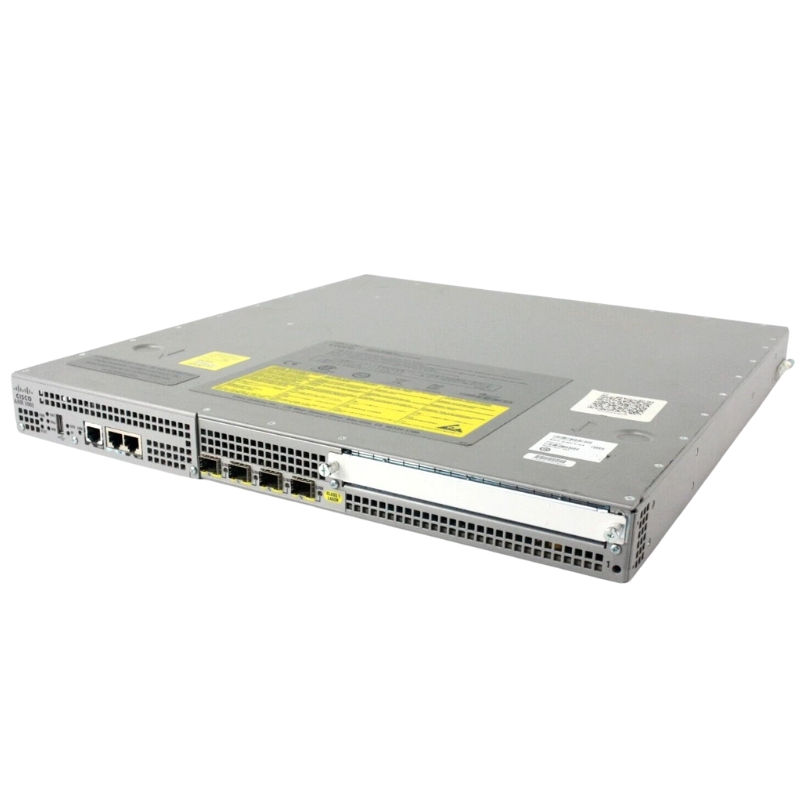
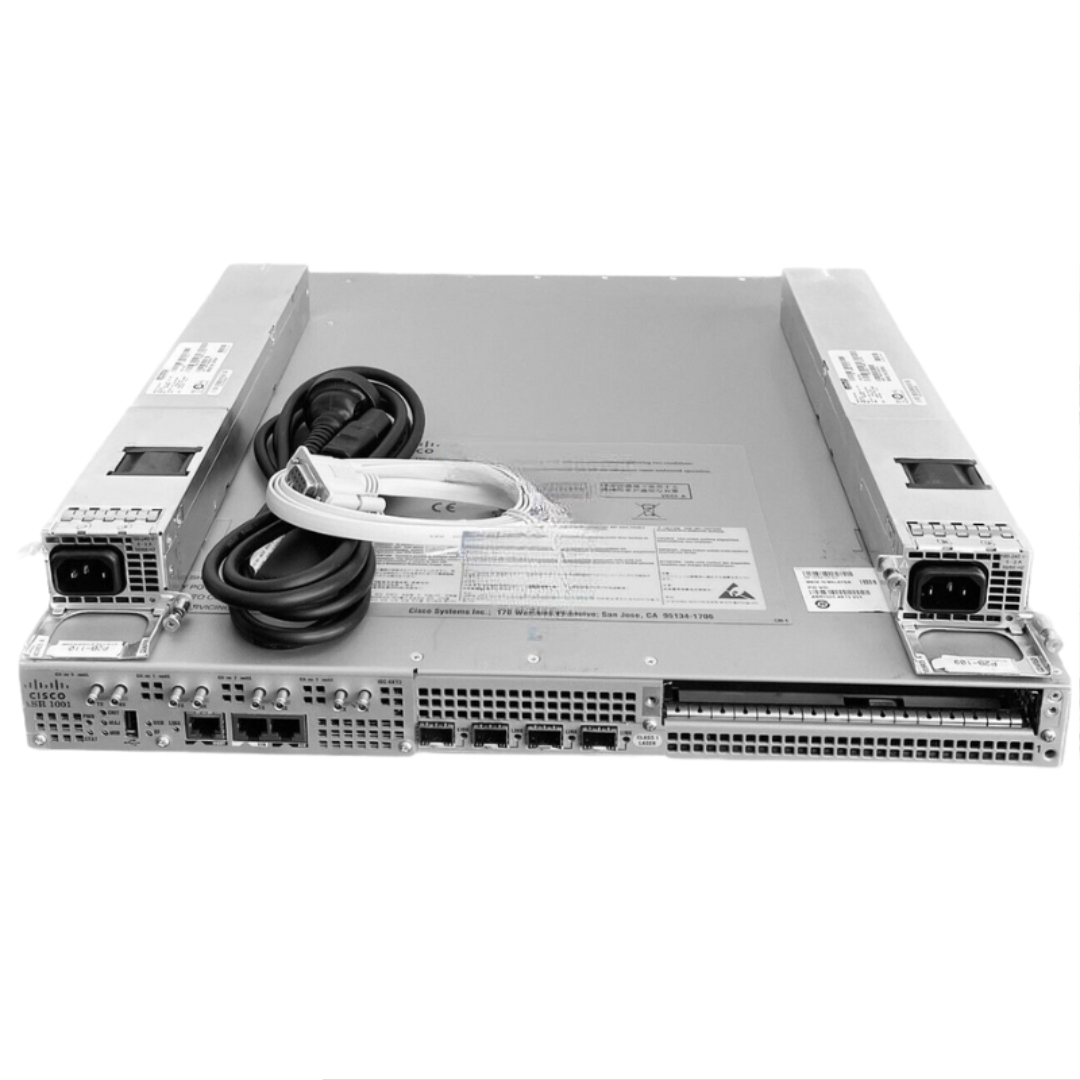
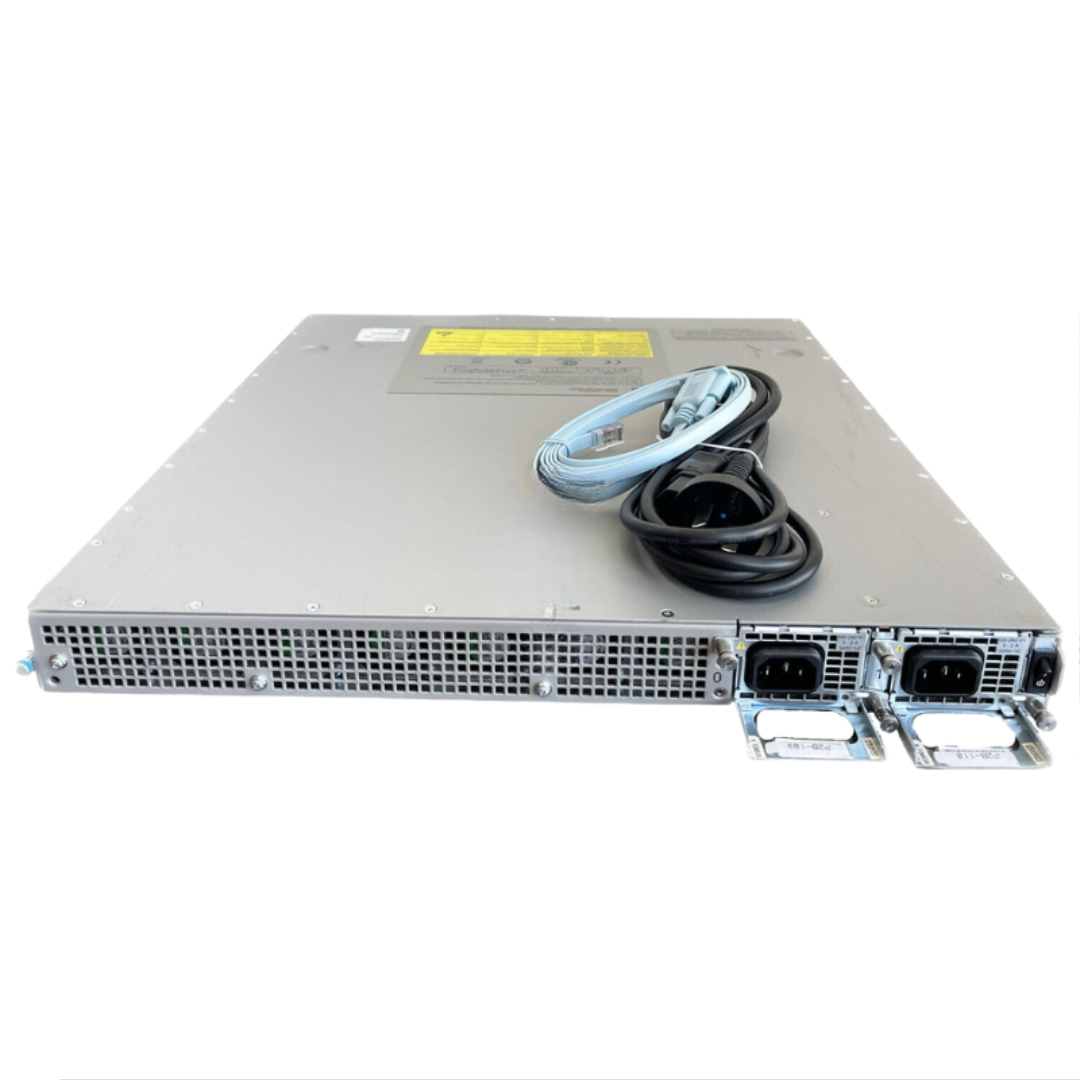
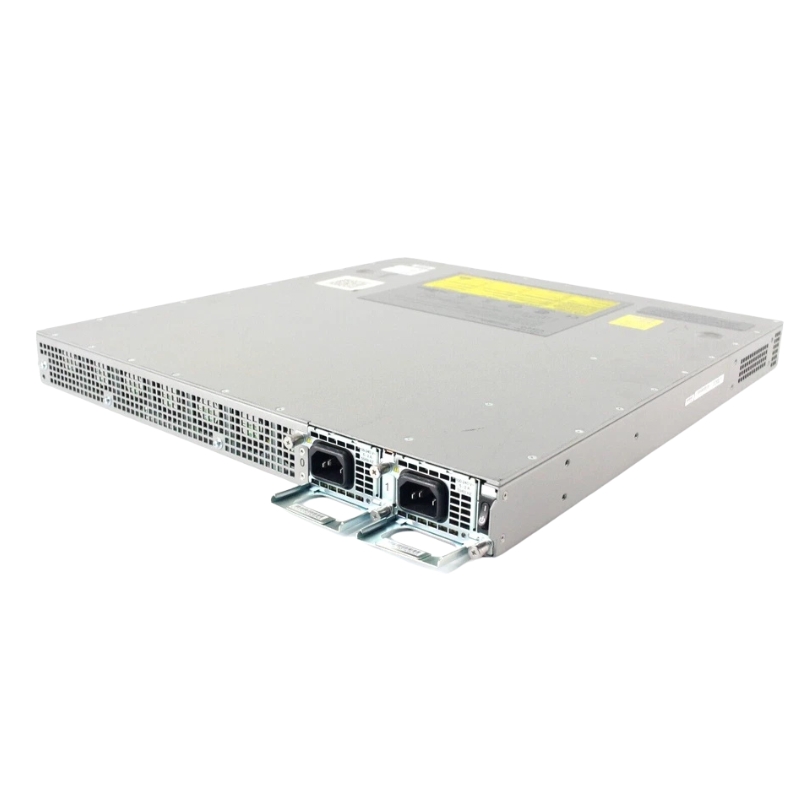
Cisco ASR1001-8XCHT1E1 ASR 1000 Chassis. Excellent Refurbished with 1 year replacement warranty
The Cisco ASR1001-8XCHT1E1 is a high-performance chassis router engineered for enterprise networks. With integrated T1/E1 ports and advanced encryption capabilities, it provides secure, scalable, and reliable connectivity for mission-critical infrastructures.
The Cisco ASR1001-8XCHT1E1 ASR 1000 Chassis represents a core hardware platform within Cisco’s high‑performance Aggregation Services Router (ASR) 1000 Series. Designed for service providers, large enterprises, and demanding WAN edge environments, the ASR 1000 Chassis family delivers advanced routing capabilities, scalability, and modular flexibility. This category of chassis products focuses on giving organizations the infrastructure foundation to support growing network demands, diverse traffic types, and advanced services without sacrificing reliability or performance.
This continuous category description explores the technical features, architectural strengths, deployment scenarios, and operational benefits of the ASR1001-8XCHT1E1, along with its series peers. It dives into the core design philosophy of the Cisco ASR 1000 Series, how chassis options adapt to evolving network requirements, and why this category remains relevant for modern IP/MPLS, VPN, and edge routing applications.
The architectural foundation of the ASR1001-8XCHT1E1 and other ASR 1000 Series chassis is built around Cisco’s proprietary QuantumFlow Processor (QFP) and distributed design principles. This architecture enables hardware‑based forwarding, advanced filtering, and consistent quality of service across high throughput levels. Cisco engineered the chassis to balance performance with modular expandability, allowing organizations to tailor ports, interfaces, and service modules based on operational needs.
The QuantumFlow Processor is a multi‑core packet forwarding engine that accelerates control plane and data plane traffic simultaneously. Unlike traditional software‑based routers, the QFP handles classification, policy enforcement, multicast replication, and deep packet inspection at wire‑speed. In the ASR1001‑8XCHT1E1 chassis category, this translates to robust handling of large volumes of simultaneous flows while maintaining low latency and high throughput consistency.
The QFP’s parallel processing architecture divides workloads across dozens of individual processing cores. This allows the ASR 1000 chassis to process millions of packets per second without degradation in performance. For service providers and enterprise campuses where traffic patterns can vary widely, the multi‑core design enables adaptive processing that aligns with real‑time demands.
In addition to raw forwarding capabilities, the QFP integrates control plane services that were traditionally handled by separate processors. By unifying the control and data plane tasks, the ASR1001‑8XCHT1E1 reduces the need for additional routing elements, simplifies network design, and provides deterministic performance under load. This is especially valuable in environments implementing full VPN overlays or advanced services like NAT, firewall, or encryption.
The modularity of the ASR1001‑8XCHT1E1 chassis category permits flexible deployment scenarios and future‑proof expansion. Slots for line cards, service modules, and power components mean that as traffic demands increase or interface standards evolve, organizations can upgrade selectively without replacing the entire chassis. This investment protection is a core benefit of choosing Cisco ASR 1000 Series hardware.
The ASR1001‑8XCHT1E1 chassis category supports multiple line card form factors. This enables varied Ethernet port densities, higher‑speed uplinks, or WAN connectivity interfaces to be added as needed. Whether the requirement is for copper interfaces in smaller branch aggregation sites or fiber optics in metro edge environments, the chassis accommodates diversified network builds.
Service modules that integrate directly into the chassis allow additional functionality like voice gateways, advanced security, or specialized WAN optimization. By centralizing these services within the same hardware housing, organizations can reduce network complexity and streamline operational tasks. This aspect of the ASR1001‑8XCHT1E1 category helps deliver consolidated networking, security, and service delivery within a unified platform.
Performance is a defining element of the Cisco ASR 1000 Series category, including the ASR1001‑8XCHT1E1. These chassis are designed to deliver wire‑speed performance across all interfaces and under varied traffic types. The platform’s capacity to handle rich service sets while maintaining predictable performance makes it suitable for high‑density enterprise edge deployments and service provider aggregation rings.
The ASR1001‑8XCHT1E1 chassis supports multiple gigabits of sustained throughput, enabling backbone connections and high‑speed WAN links without bottlenecking performance. Scalability is achieved not only through raw throughput but also through simultaneous session handling, routing table capacities, and dynamic traffic handling mechanisms. The platform’s ability to scale both vertically (via faster interfaces) and horizontally (via additional modules) is central to its value proposition.
Many deployments demand high‑density Ethernet support for LAN, MAN, or WAN interfaces. The category supports 10G, 40G, and in some configurations 100G connections, depending on module choices. This capability allows organizations to align their chassis selection with current and future bandwidth requirements, reducing the need for premature hardware refresh cycles.
The routing structures within the ASR1001‑8XCHT1E1 chassis support extensive routing tables, multiple dynamic protocols, and tens of millions of concurrent sessions. For enterprises and service providers deploying complex network topologies, this means high performance isn’t limited to a few edge cases but is consistent across diverse routing domains, VRFs, and policy environments. The platform’s route scalability helps maintain network stability even as services and traffic volumes grow.
Quality of Service is an essential consideration for networks carrying mixed traffic types such as voice, video, and data. The ASA1001‑8XCHT1E1 chassis category implements advanced QoS mechanisms to prioritize, shape, and manage traffic flows relative to business priorities. This ensures that mission‑critical applications receive the bandwidth and latency guarantees they require, while bulk traffic is delivered efficiently.
Hierarchical QoS allows administrators to define broad traffic classes that are further broken down into sub‑classes. This layered approach enables fine‑grained control over how packets are treated at different levels of the network stack. For example, voice traffic can be prioritized above bulk file transfers, while within the voice class streaming quality can be guaranteed above background telephony data. This flexibility ensures consistent user experience across multiple service types.
Policy‑Based Routing (PBR) within the category provides the ability to direct traffic based on criteria other than destination prefix alone. Organizations can route specific classes of traffic through particular interfaces, service chains, or security appliances. This control strengthens operational flexibility, enabling intelligent network designs that reflect organizational priorities.
Security concerns are paramount in modern network deployments, and the ASR1001‑8XCHT1E1 chassis category incorporates multiple mechanisms to secure traffic, protect routing infrastructure, and maintain service continuity. From integrated firewall services to redundancy capabilities, this platform category provides comprehensive protective measures.
The ASR 1000 Series chassis supports integrated security services such as stateful firewalling, Secure Sockets Layer (SSL) inspection, and encrypted VPN termination. By embedding these capabilities within the router itself, organizations avoid the need for separate security appliances and reduce latency along critical network paths. Integrated security enhances operational simplicity without compromising protection.
The hardware‑accelerated firewall within the ASR1001‑8XCHT1E1 category provides deep packet inspection and stateful filtering for both inbound and outbound traffic. This capability allows networks to identify and mitigate threats at the perimeter without affecting throughput. The firewall’s tight integration with routing functions ensures that protected traffic remains responsive under high loads and varied service demands.
Virtual Private Network (VPN) support enables secure connections across untrusted networks such as the internet. The ASR1001‑8XCHT1E1 chassis handles IPsec tunnels with hardware acceleration, maintaining high throughput even when encryption is in use. Enterprises leveraging multiple VPN endpoints can sustain performance without requiring additional dedicated cryptographic hardware.
High availability is often a network requirement in mission‑critical environments. The chassis category offers redundancy through dual power supplies, stateful switchover mechanisms, and hot‑swappable modules. These design elements help minimize downtime and maintain service continuity even in the event of component failures.
Redundant power supplies protect against single points of failure in power delivery. If one supply fails, the secondary unit seamlessly takes over without interrupting router operations. This capability is particularly valuable in edge deployments where power consistency cannot always be guaranteed.
Stateful switchover ensures that packet forwarding and routing states are preserved when components fail or are replaced. This means that network sessions, routing tables, and forwarding paths continue uninterrupted, reducing service disruptions and improving user experience. The ASR1001‑8XCHT1E1 chassis’s support for SSO reflects Cisco’s emphasis on resilient network design.
The versatility of the ASR1001‑8XCHT1E1 chassis category allows it to fit into a variety of real‑world deployments. Whether consolidating branch routers, serving as the central edge router for enterprise WAN connectivity, or aggregating traffic in service provider networks, the platform meets diverse needs.
In enterprise environments, the ASR1001‑8XCHT1E1 chassis often serves as the WAN edge router, connecting internal networks to multiple service provider backbones. Its ability to manage high traffic volumes and apply sophisticated policies makes it ideal for organizations with remote offices, cloud connectivity demands, and hybrid deployments.
Service providers use this chassis category to aggregate traffic from various access segments before forwarding to core networks. The platform’s high throughput and extensive routing capability support large subscriber bases and diverse services such as IPTV, mobile backhaul, and enterprise VPN offerings. Its modularity also enables differentiated service tiers for customers based on bandwidth and performance needs.
With increasing demands for data center interconnectivity, the ASR1001‑8XCHT1E1 chassis can serve as a bridge between geographically dispersed facilities. Its high‑speed interfaces and robust routing capabilities support low‑latency, secure links that are critical for business continuity and distributed computing workloads. The chassis’s support for advanced protocols and redundancy ensures reliable data center connectivity.
Managing complex networks requires visibility, control, and automation. The ASR1001‑8XCHT1E1 category aligns with these requirements through integration with modern network management frameworks and programmability features.
SNMP support allows administrators to monitor device health, interface statistics, and performance trends. By integrating with centralized network management systems, the chassis provides operational dashboards and automated alerts that assist in maintaining optimal network conditions.
Model‑Driven Telemetry provides real‑time streaming of network data to collectors and analytics systems. This capability supports proactive maintenance and deeper insights into traffic behavior. Instead of relying solely on periodic polling, telemetry pushes continuous updates that can feed machine learning models or automation engines for predictive network actions.
APIs and integration with automation frameworks such as Python scripting, Ansible, and Cisco’s own automation platforms enable network engineers to implement repeatable configuration tasks, reduce manual errors, and accelerate deployments. This category of chassis supports programmability standards that align with modern IT operations and DevOps practices, ensuring that network configuration becomes part of the automated infrastructure lifecycle.
The Cisco ASR1001‑8XCHT1E1 chassis category is designed to operate within broad technology ecosystems. This includes compatibility with Cisco IOS XE software, integration with Cisco security and analytics platforms, and alignment with industry standards. This ensures that organizations can leverage existing tools, processes, and skill sets while adopting this hardware platform.
IOS XE brings modular software design, improved stability, and advanced feature support to the ASR 1000 Series chassis. It supports modern networking protocols, service chaining, automation frameworks, and security extensions. The consistent software foundation across Cisco routers eases integration and reduces learning curves for network teams.
While optimized for Cisco environments, this chassis category also maintains interoperability with third‑party networking equipment and services. Standard protocols such as BGP, OSPF, MPLS, and QoS mechanisms ensure that mixed vendor environments can operate cohesively without compromising performance or policy enforcement.


 Contact Us
 Information
 Catalog
 Solid State Drives (SSD)
 Network Switches
 Hard Disk Drives
 HBA & Controllers
 PC & Servers
 PC & Server Memory
 CPU & Processors
 Network Routers
 Power Supplies
 Tape Drives & Libraries
 Network Devices
 Computer & Network Cables