(7% discount is applied at checkout)
Cart is empty
Your go-to destination for cutting-edge server products


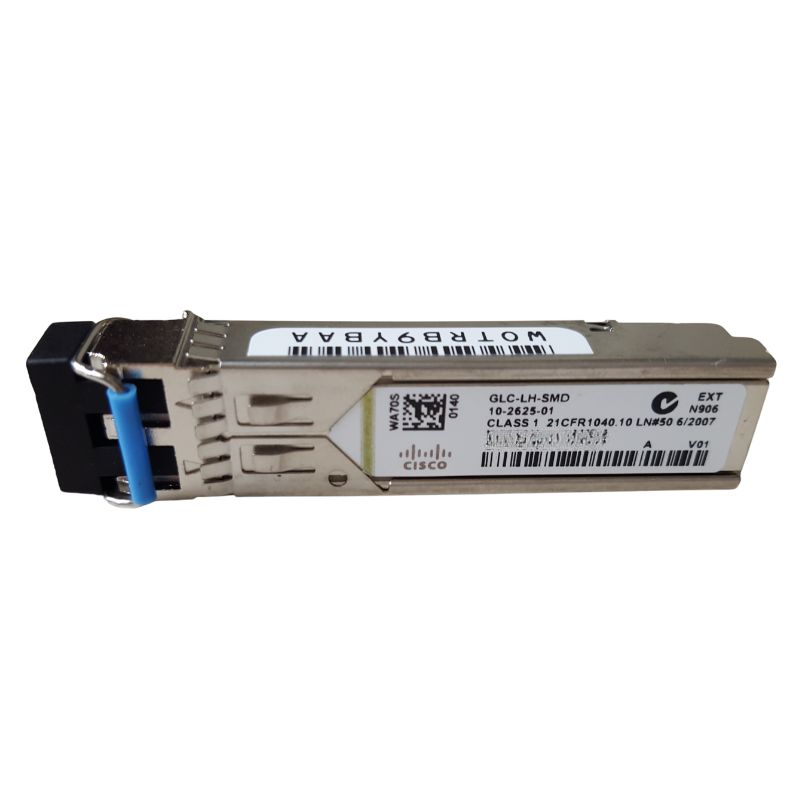
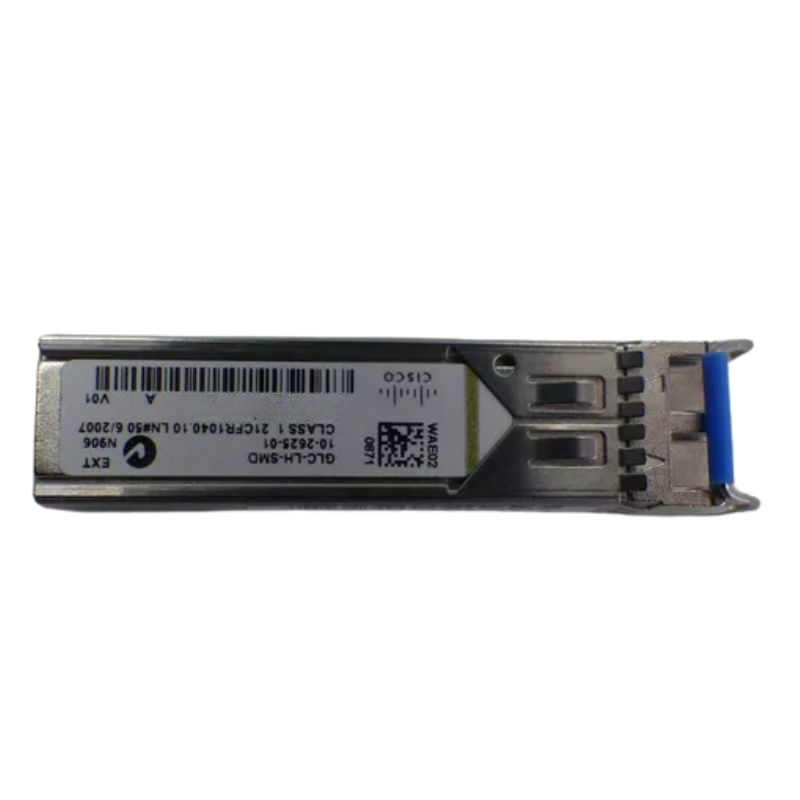
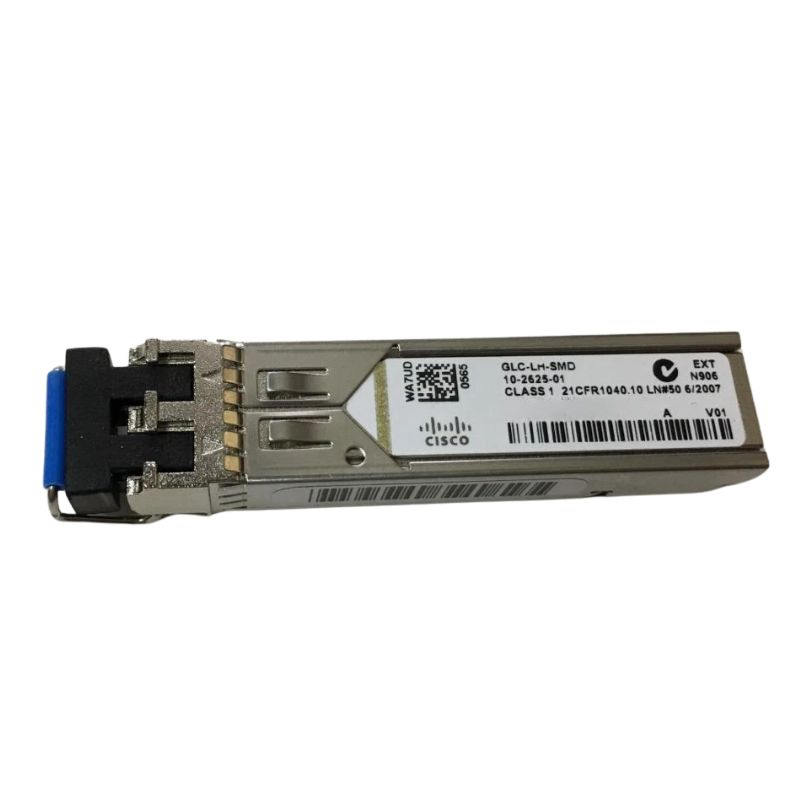
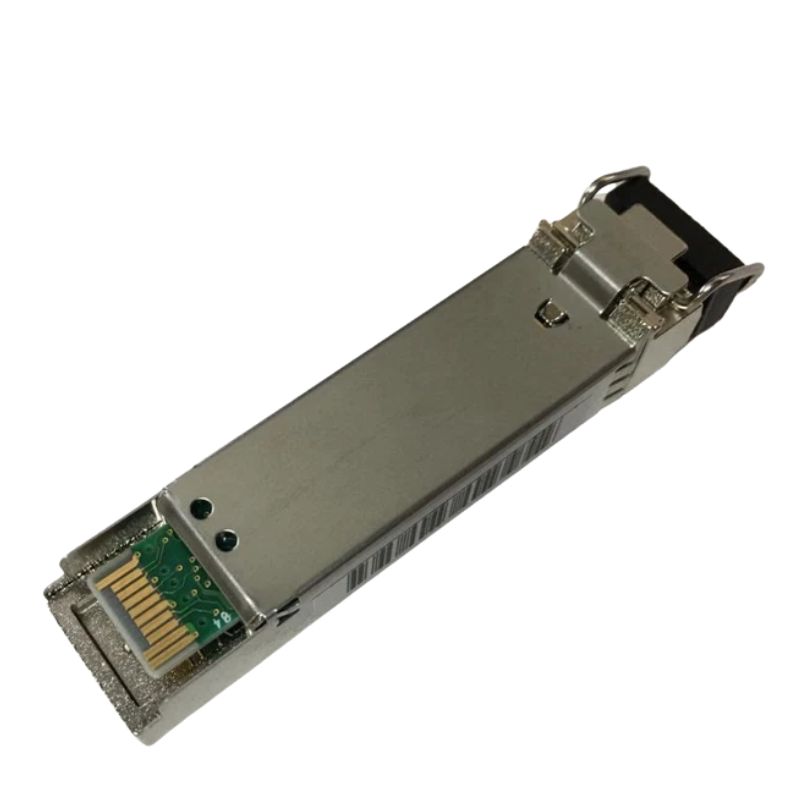
Cisco 10-2625-01 1GBPS Transceiver Ethernet SFP Plug-in Module. Excellent Refurbished with 1 year replacement warranty
| SKU/MPN | Warranty | Price | Condition | You save |
|---|---|---|---|---|
| 10-2625-01 | 1 Year Warranty | $250.00 | Factory-Sealed New in Original Box (FSB) | You save: $87.50 (26%) |
| 10-2625-01 | 1 Year Warranty | $114.00 | Excellent Refurbished | You save: $39.90 (26%) |
The Cisco 10-2625-01 SFP Transceiver Module is a high-efficiency, hot-swappable networking component designed to deliver stable and high-speed fiber optic communication. Built for enterprise-grade environments, this 1Gbps Small Form-Factor Pluggable (SFP) module ensures seamless Gigabit Ethernet performance over long distances using 1000Base-LX/LH standards.
The Cisco 10-2625-01 1Gbps 1000Base-LX/LH Long Wave 10km 1310nm Duplex LC Connector SFP Transceiver Module represents a highly reliable and widely deployed category of optical networking components designed for Gigabit Ethernet connectivity over fiber optic infrastructure. This category of Small Form-Factor Pluggable (SFP) transceivers is engineered to support long-distance, high-performance data transmission in enterprise, data center, campus, and metropolitan area network environments. The module is built to meet stringent networking requirements where stability, scalability, and signal integrity are essential for uninterrupted communication between network devices.
This category is particularly significant in modern networking architectures due to its ability to deliver consistent 1Gbps data rates while extending transmission distances up to 10 kilometers over single-mode fiber. Its design incorporates a 1310nm wavelength laser source, ensuring efficient optical signal propagation with minimal attenuation. The duplex LC connector interface enhances compatibility with standardized fiber optic cabling systems, making it a preferred choice for network engineers and infrastructure planners seeking dependable connectivity solutions.
The Cisco 10-2625-01 module operates under the 1000Base-LX/LH Gigabit Ethernet standard, which is a cornerstone of high-speed networking. This standard defines how data is transmitted at 1 gigabit per second over fiber optic cables using long-wavelength optical signals. The LX/LH designation indicates long reach capabilities, making this category suitable for both intra-building and inter-building connectivity scenarios. The underlying technology ensures that data packets are transmitted with minimal loss, high precision, and strong resistance to electromagnetic interference.
In fiber optic communication, data is converted from electrical signals into light pulses that travel through glass fibers. The 1000Base-LX/LH standard optimizes this process by utilizing a 1310nm wavelength laser, which is particularly effective for long-distance transmission. This wavelength strikes a balance between signal strength and dispersion, allowing data to travel efficiently across distances up to 10 kilometers without requiring intermediate signal regeneration.
The 1310nm wavelength used in this category plays a critical role in ensuring optimal performance across long-distance fiber links. At this wavelength, light experiences lower attenuation compared to shorter wavelengths, allowing signals to maintain clarity over extended distances. This makes the Cisco 10-2625-01 category ideal for backbone connections and campus-wide networking systems.
Signal integrity is further enhanced by the precision engineering of the transceiver’s laser diode and photodetector components. These components work together to convert electrical signals into optical signals and back again with minimal distortion. The result is a highly stable data transmission channel that supports mission-critical applications such as enterprise resource planning systems, cloud infrastructure, and large-scale data transfers.
One of the defining characteristics of this category is its Small Form-Factor Pluggable design, which allows for high-density port configurations in network switches and routers. The compact size of the module enables network administrators to maximize port utilization without increasing the physical footprint of networking hardware.
Hot-swappable functionality is another essential feature of this category. It allows the transceiver to be installed or removed without shutting down the network device, ensuring continuous uptime and minimizing service interruptions. This is particularly valuable in enterprise environments where network availability is critical.
The duplex LC connector used in the Cisco 10-2625-01 module is designed for bidirectional communication over two separate fiber strands—one for transmitting data and one for receiving. This configuration ensures full-duplex communication, enabling simultaneous data flow in both directions without interference.
The LC connector itself is known for its small size, push-pull locking mechanism, and high precision alignment. These characteristics contribute to reduced insertion loss and improved signal stability. The duplex arrangement also simplifies cable management in dense networking environments, where space efficiency and organization are essential.
A key feature of this category is its ability to support transmission distances of up to 10 kilometers over single-mode fiber. This extended reach makes it suitable for connecting geographically separated network segments, such as different buildings within a campus or distributed data centers within a metropolitan area.
The long-distance capability is achieved through optimized optical power output and sensitive receiver design. These elements ensure that even after traveling several kilometers through fiber optic cabling, the signal remains strong enough to be accurately interpreted by the receiving device.
The consistent 1Gbps bandwidth provided by this category ensures smooth handling of data-intensive applications. Whether used for server connectivity, storage area networks, or backbone routing, the module maintains stable throughput without significant latency or packet loss.
This level of performance is particularly important in environments where multiple users or systems depend on shared network infrastructure. The ability to maintain stable bandwidth under varying loads contributes to improved overall network efficiency and user experience.
The Cisco 10-2625-01 category is widely used in enterprise networking environments where scalability and reliability are essential. It integrates seamlessly with Cisco switches and routers, as well as compatible third-party networking equipment that supports standard SFP interfaces.
Enterprise networks often require flexible connectivity solutions that can adapt to changing infrastructure demands. This transceiver category provides that flexibility by supporting modular deployment across different network layers, including access, distribution, and core layers.
In data center environments, this category plays a crucial role in interconnecting servers, storage systems, and networking hardware. Its ability to maintain high-speed, low-latency communication ensures efficient data processing and transfer between critical systems.
The compact SFP form factor allows for high-density switch configurations, which is essential in modern data centers where space optimization is a priority. Additionally, its optical reliability ensures consistent performance in 24/7 operational environments.
This category is also extensively deployed in campus networks and metropolitan area networks where buildings or network nodes are separated by several kilometers. The 10km range capability makes it ideal for connecting educational institutions, corporate campuses, and municipal infrastructure systems.
Its long-wave optical transmission ensures that data remains stable across extended fiber routes, reducing the need for signal repeaters or additional amplification equipment. This contributes to lower infrastructure complexity and reduced maintenance requirements.
Before deployment, it is important to verify compatibility between the transceiver module and the networking equipment. While the Cisco 10-2625-01 category is designed for broad compatibility within Cisco ecosystems, ensuring firmware and hardware alignment helps avoid potential configuration issues.
Network administrators should also confirm that the fiber type used is single-mode, as this category is optimized for long-distance single-mode transmission. Using incorrect fiber types may result in reduced performance or signal failure.
This category is engineered to operate efficiently across a wide range of environmental conditions. Its thermal design ensures stable performance even under continuous load conditions commonly found in enterprise and data center environments.
Heat dissipation mechanisms within networking hardware help maintain optimal operating temperatures for the transceiver module. This contributes to extended operational lifespan and reduced risk of performance degradation over time.
Energy efficiency is an important aspect of modern networking components, and this category is designed to minimize power consumption while maintaining high performance. The optimized laser and receiver systems require minimal electrical power, making them suitable for large-scale deployments where energy efficiency is a priority.
Lower power consumption also contributes to reduced operational costs and improved sustainability in enterprise networking environments. This makes the module an attractive choice for organizations seeking to optimize their infrastructure footprint.
The SFP-based architecture of this category allows for easy scalability as network demands increase. Additional modules can be deployed without significant changes to existing infrastructure, enabling gradual and cost-effective expansion of network capacity.
This modularity is particularly beneficial in dynamic environments where network requirements evolve over time. Organizations can expand their fiber infrastructure incrementally while maintaining compatibility with existing systems.
Although designed for 1Gbps transmission, this category remains relevant in modern networking due to its compatibility with standardized Gigabit Ethernet systems. Its widespread adoption ensures long-term usability across diverse network environments.
As networking technologies continue to evolve, SFP-based solutions like this category remain foundational components that support hybrid network architectures integrating both legacy and modern systems.


 Contact Us
 Information
 Catalog
 Solid State Drives (SSD)
 Network Switches
 Hard Disk Drives
 HBA & Controllers
 PC & Servers
 PC & Server Memory
 CPU & Processors
 Network Routers
 Power Supplies
 Tape Drives & Libraries
 Network Devices
 Computer & Network Cables