(7% discount is applied at checkout)
Cart is empty
Your go-to destination for cutting-edge server products
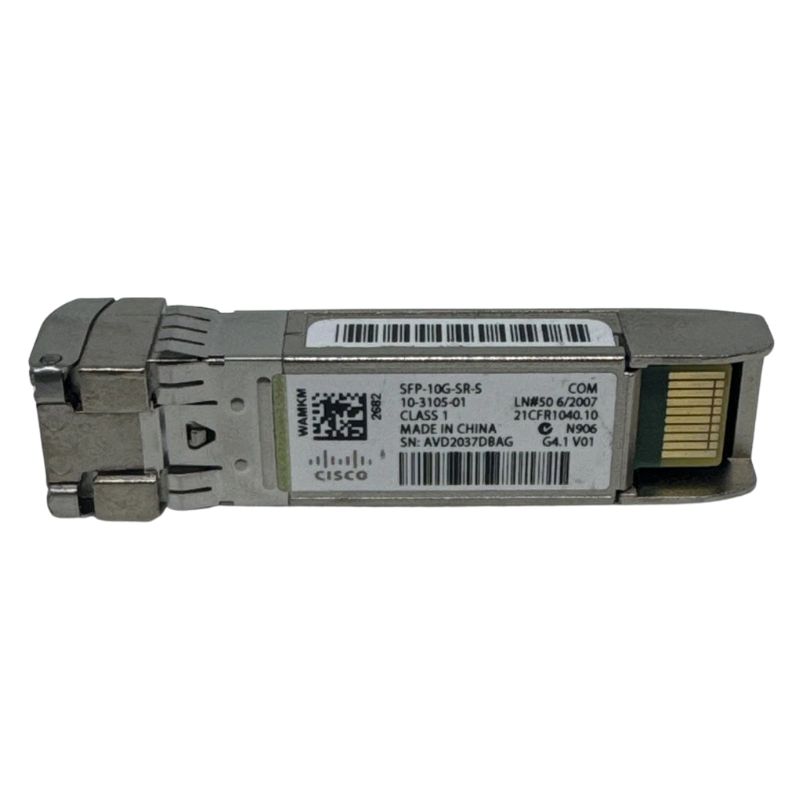


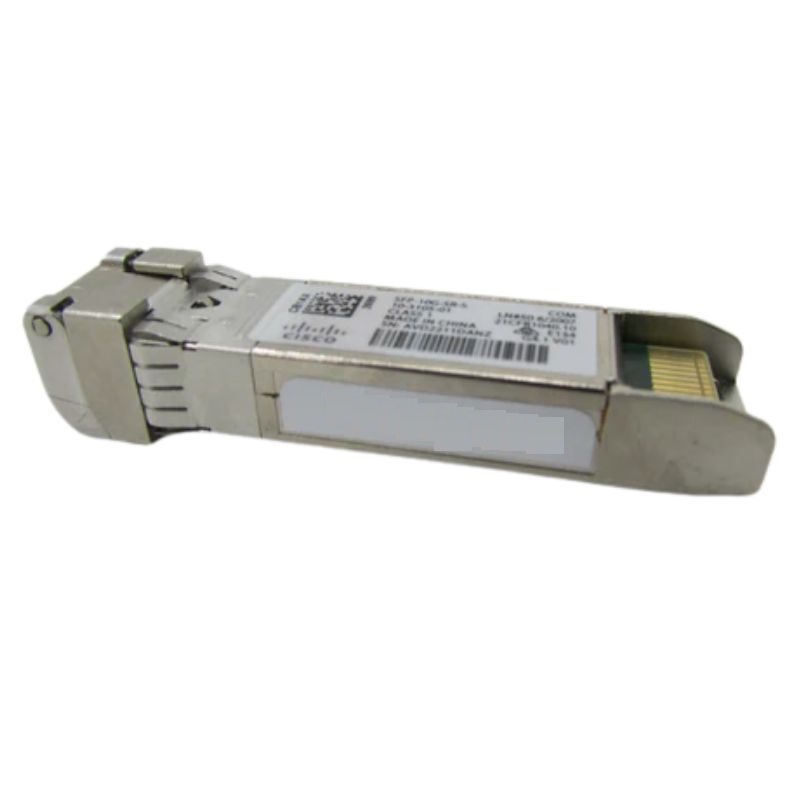
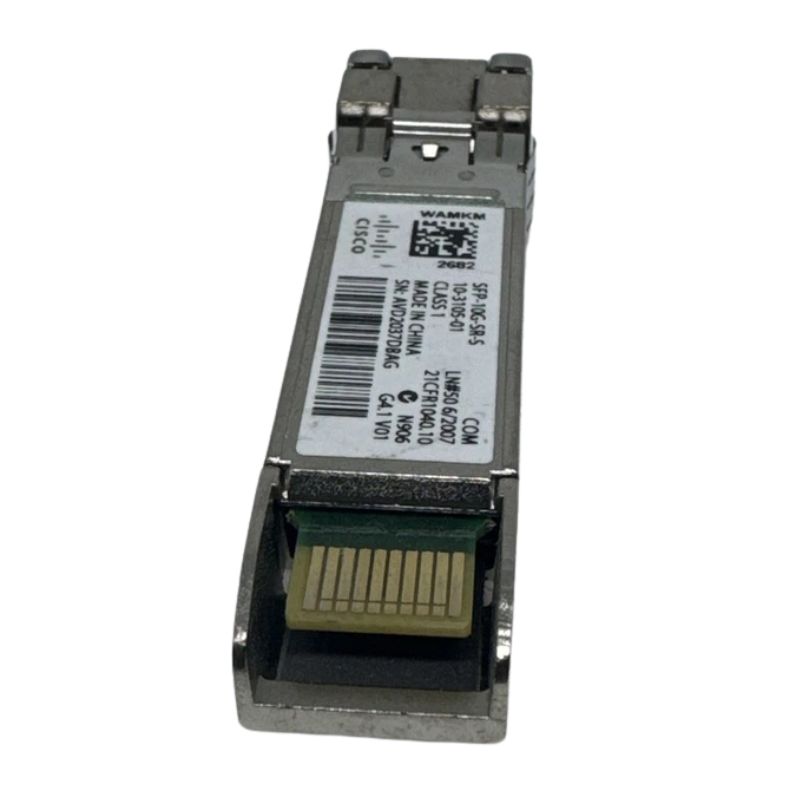
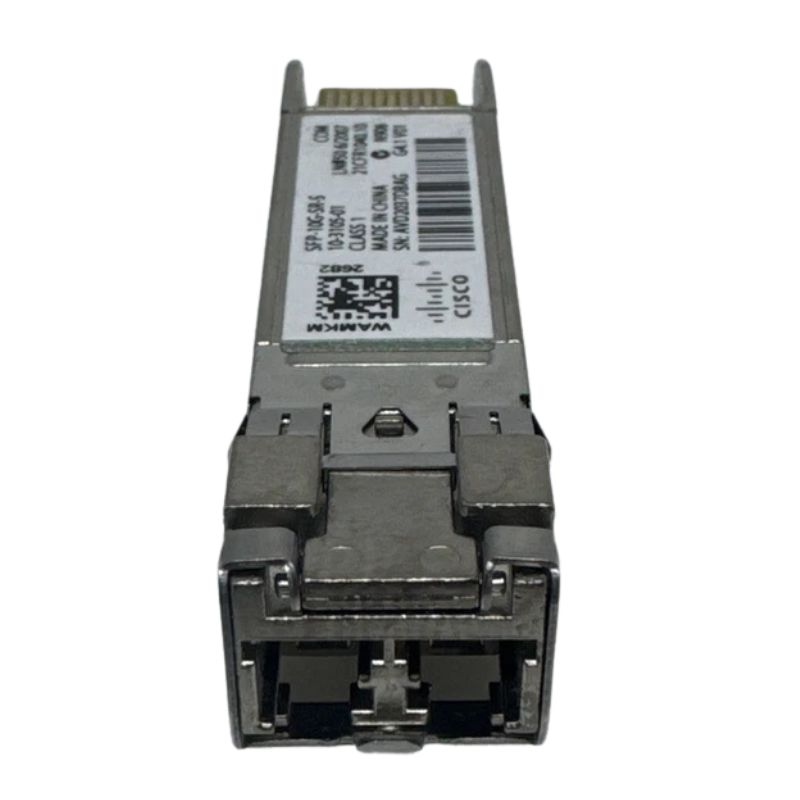
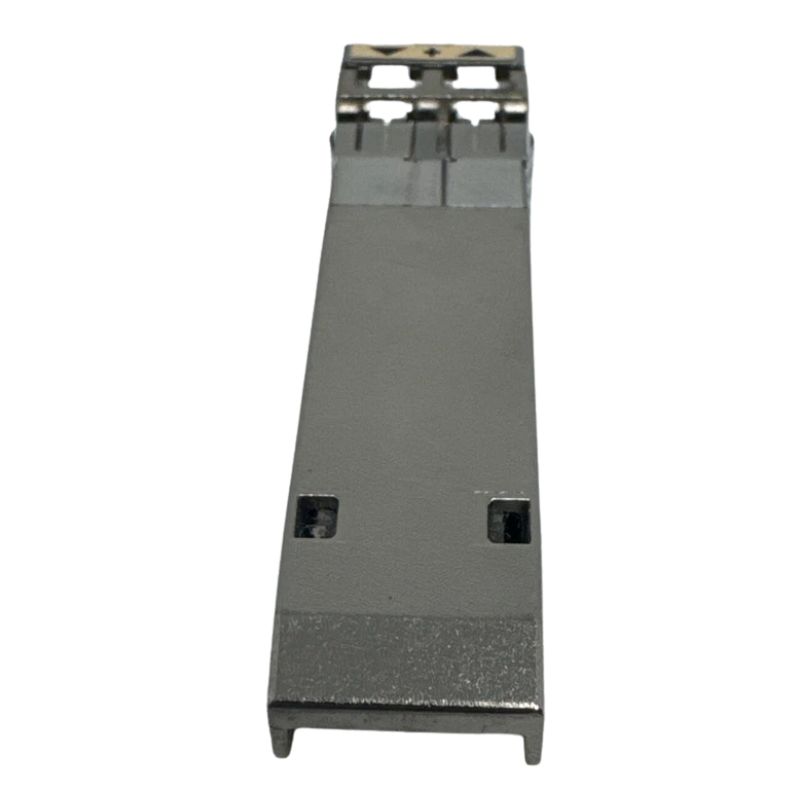
Cisco 10-3105-01 Multi-mode Fiber 10 Gigabit Transceiver Module. Excellent Refurbished with 1 year replacement warranty
| SKU/MPN | Warranty | Price | Condition | You save |
|---|---|---|---|---|
| 10-3105-01 | 1 Year Warranty | $49.00 | Excellent Refurbished | You save: $17.15 (26%) |
| 10-3105-01 | 1 Year Warranty | $118.00 | Factory-Sealed New in Original Box (FSB) | You save: $41.30 (26%) |
The Cisco 10-3105-01 is a premium-grade 10Gbps Small Form-Factor Pluggable Plus (SFP+) transceiver module designed for high-speed data communication over single-mode fiber. Built for enterprise-grade networking environments, this optical module ensures stable, efficient, and long-distance connectivity for modern network infrastructures.
The 10Gbps Single-mode Fiber SFP+ transceiver module category represents a critical segment in modern optical networking infrastructure, enabling high-speed, long-distance, and stable data transmission across enterprise, data center, and telecommunications environments. Within this category, the Cisco 10-3105-01 10Gbps 1310nm Duplex LC Connector SFP+ Transceiver Module is designed to deliver reliable performance over distances up to 10 kilometers using single-mode fiber (SMF), making it a preferred solution for inter-building connectivity, metro Ethernet links, and backbone network extensions.
This category is fundamentally built around scalability, signal integrity, and standardized optical communication protocols. As network traffic demands continue to increase due to cloud computing, virtualization, video streaming, and large-scale distributed systems, optical transceivers such as this 10Gbps SFP+ module serve as essential components for ensuring low-latency and high-bandwidth data transport.
In hierarchical network architectures, SFP+ modules operate at the aggregation and core layers, where data traffic is consolidated and transmitted over long distances. The Cisco 10-3105-01 module plays a key role in linking switches, routers, and optical transport systems in environments requiring stable 10Gbps throughput. Its design aligns with IEEE optical standards and is optimized for compatibility with a wide range of Cisco networking hardware platforms, ensuring seamless integration into existing infrastructure.
The 1310nm wavelength is widely used in single-mode fiber communication due to its low attenuation characteristics and stable transmission behavior over long distances. The Cisco 10-3105-01 SFP+ module utilizes this wavelength to achieve a balance between reach and signal integrity, allowing it to transmit data effectively up to 10 kilometers without significant degradation.
At this wavelength, chromatic dispersion is minimized compared to longer wavelengths, which contributes to maintaining signal clarity across extended fiber runs. This makes it particularly suitable for enterprise campus interconnects and metro-area deployments where consistent performance is critical.
Single-mode fiber technology is a cornerstone of long-distance optical communication. Unlike multimode fiber, which supports multiple light propagation paths, single-mode fiber allows only one propagation mode, significantly reducing modal dispersion. This results in higher bandwidth capacity and longer transmission distances.
The Cisco 10-3105-01 SFP+ module leverages this property to ensure efficient data transmission across extended network segments. It is engineered for environments where infrastructure spans multiple buildings, campuses, or regional nodes, ensuring that latency remains low while maintaining consistent throughput.
One of the key technical factors in deploying single-mode optical systems is fiber attenuation, typically measured in decibels per kilometer. The SFP+ module is designed with a carefully calculated optical power budget that accommodates attenuation, connector losses, and splice losses while still maintaining a stable 10Gbps connection over distances up to 10km.
Network engineers must consider total link budget when designing fiber routes, ensuring that the optical power output of the transceiver and the sensitivity of the receiver remain within operational thresholds.
The duplex LC connector is a widely adopted standard in high-speed fiber optic systems due to its compact size, reliability, and low insertion loss characteristics. The Cisco 10-3105-01 SFP+ module uses a duplex LC interface to support simultaneous bidirectional communication, enabling full-duplex 10Gbps transmission.
This connector type enhances port density in networking equipment, allowing more interfaces per chassis while maintaining ease of cable management. Its locking mechanism ensures stable physical connections, reducing the risk of signal interruption in high-vibration or high-density environments.
The physical precision of LC connectors contributes directly to signal integrity. Even minor misalignment can introduce reflection losses or attenuation. The engineering behind this module ensures precise alignment between optical ferrules, maintaining optimal coupling efficiency and minimizing insertion loss.
The Cisco 10-3105-01 SFP+ transceiver is aligned with the 10GBASE-LR (Long Reach) standard defined under IEEE 802.3ae. This specification governs 10Gbps Ethernet transmission over single-mode fiber using 1310nm wavelength lasers, supporting distances up to 10 kilometers.
Compliance with this standard ensures interoperability across compliant networking devices and guarantees predictable performance characteristics. It also allows organizations to deploy heterogeneous networking environments while maintaining consistent optical communication behavior.
Within the 10GBASE-LR framework, the module is expected to maintain low bit error rates (BER), stable optical output power, and consistent receiver sensitivity. These parameters are critical for maintaining data integrity across high-speed networks where even minor signal distortions can result in packet loss or retransmissions.
The defining feature of this category is its ability to deliver 10 gigabits per second full-duplex data transmission. This means the module can simultaneously send and receive data at 10Gbps, effectively doubling the communication efficiency compared to half-duplex systems.
This level of performance is essential for modern applications such as virtualization clusters, high-performance computing systems, cloud service interconnects, and backbone routing between data centers.
Latency is a critical factor in network performance, particularly for time-sensitive applications such as financial trading systems, real-time analytics, and distributed database synchronization. The optical nature of SFP+ modules ensures near-light-speed data propagation with minimal processing overhead, contributing to extremely low latency communication paths.
Unlike electrical copper-based transmission, optical transceivers reduce electromagnetic interference and crosstalk, resulting in cleaner signal paths. This contributes to consistent throughput and reduced jitter across long-distance connections.
Within the ecosystem of networking hardware, the 10-3105-01 SFP+ module is designed to operate seamlessly with compatible switches, routers, and optical transport devices. This ensures that enterprises can scale their networks without concerns about interoperability or vendor lock-in issues.
The module supports hot-swappable functionality, allowing administrators to insert or remove it without powering down the host device. This capability is essential for minimizing downtime in mission-critical environments.
Hot swapping enables dynamic network configuration changes and maintenance without interrupting active services. In large-scale deployments, this reduces operational risk and improves system availability. Network engineers can replace or upgrade transceiver modules while maintaining continuous service delivery.
Data centers rely heavily on high-speed optical links to connect servers, storage systems, and networking equipment. The Cisco 10-3105-01 module supports these environments by providing reliable 10Gbps links between top-of-rack (ToR) switches and aggregation layers.
In distributed data center architectures, these modules are often used for data center interconnect (DCI) applications, enabling synchronization and replication across geographically separated facilities.
Enterprise campuses often span multiple buildings or zones requiring high-speed backbone connectivity. The 10km reach of this module allows organizations to connect remote buildings without requiring intermediate signal regeneration, simplifying infrastructure design and reducing cost.
In metro Ethernet deployments, service providers rely on long-range optical transceivers to connect aggregation nodes and central offices. The 1310nm single-mode design is particularly suited for these applications due to its stability over long fiber routes and resistance to environmental interference.
Carrier networks demand high availability and scalability. SFP+ modules in this category support rapid network expansion while maintaining consistent performance across diverse physical environments.
Signal degradation in optical fiber systems can occur due to chromatic dispersion and attenuation. The 1310nm wavelength minimizes dispersion effects over moderate distances, making it suitable for 10km transmission without requiring dispersion compensation in most cases.
Proper fiber installation techniques, including clean connector handling and controlled bending radius, are essential to maintain signal integrity and ensure optimal performance of the SFP+ module.
The module is engineered to operate within standard industrial temperature ranges, ensuring reliability in controlled data center environments as well as more variable enterprise installations. Thermal stability plays a significant role in maintaining consistent laser output power and receiver sensitivity.
Modern SFP+ modules often include Digital Optical Monitoring (DOM) functionality, which provides real-time visibility into key performance metrics such as optical power levels, temperature, voltage, and laser bias current.
These diagnostics allow network administrators to proactively identify potential issues before they impact network performance, improving overall system reliability and reducing downtime.
Within the broader SFP+ category, different module types are defined based on reach and wavelength. Short Reach (SR) modules typically operate over multimode fiber at 850nm, while Long Reach (LR) modules like the Cisco 10-3105-01 operate at 1310nm over single-mode fiber up to 10km. Extended Reach (ER) modules can extend distances further, often up to 40km or more, using different optical characteristics.
The LR category strikes a balance between cost, performance, and distance, making it one of the most widely deployed solutions in enterprise and metro environments.
Choosing the correct transceiver type depends on distance requirements, fiber infrastructure, and network architecture. The LR module is typically selected when distances exceed multimode limitations but do not require ultra-long-haul capabilities.
Energy efficiency is an important factor in large-scale deployments where hundreds or thousands of transceivers may be operating simultaneously. The Cisco 10-3105-01 SFP+ module is designed to consume minimal power while maintaining high performance, contributing to reduced operational costs and improved thermal profiles within networking equipment.
The durability of optical components ensures that the module can operate reliably over extended periods without performance degradation. High-quality laser diodes, precision optics, and robust packaging contribute to long-term stability in demanding network environments.
In mission-critical infrastructures such as financial systems, healthcare networks, and cloud platforms, even brief outages can have significant consequences. The reliability of SFP+ modules plays a direct role in ensuring continuous service availability and minimizing unplanned downtime.


 Contact Us
 Information
 Catalog
 Solid State Drives (SSD)
 Network Switches
 Hard Disk Drives
 HBA & Controllers
 PC & Servers
 PC & Server Memory
 CPU & Processors
 Network Routers
 Power Supplies
 Tape Drives & Libraries
 Network Devices
 Computer & Network Cables