(7% discount is applied at checkout)
Cart is empty
Your go-to destination for cutting-edge server products
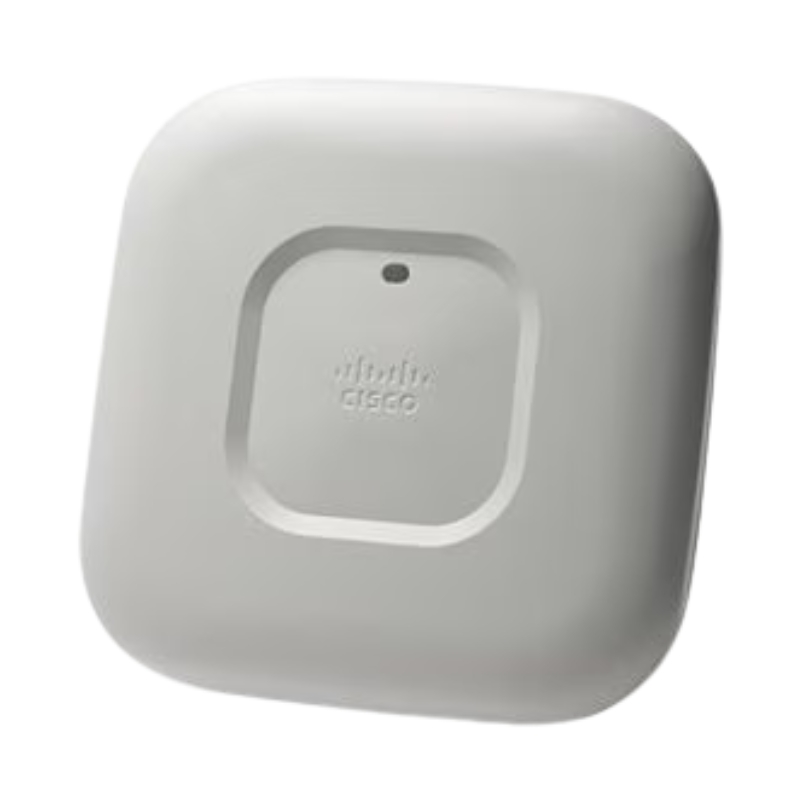


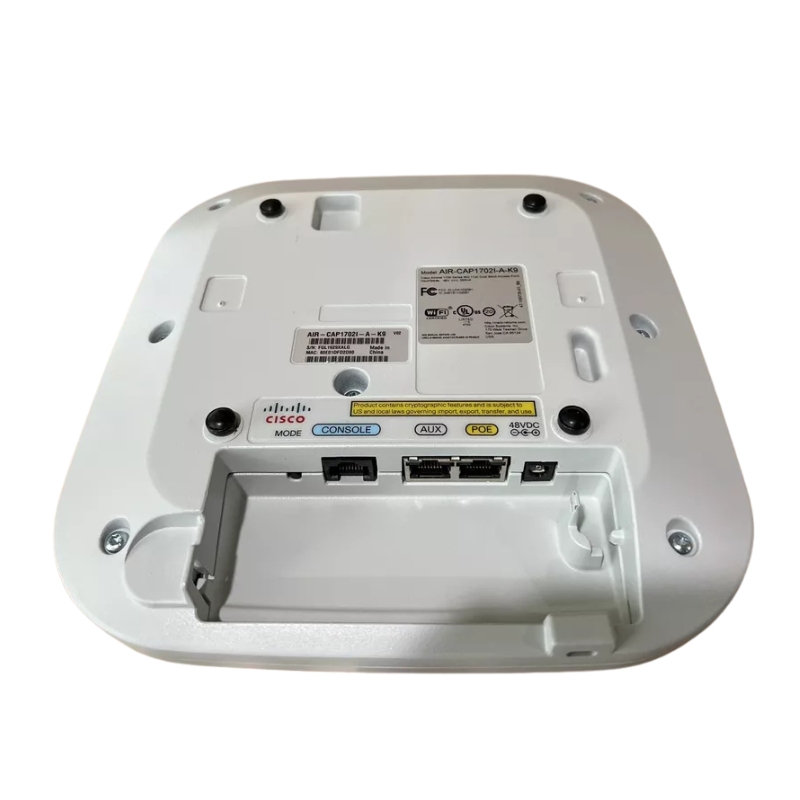
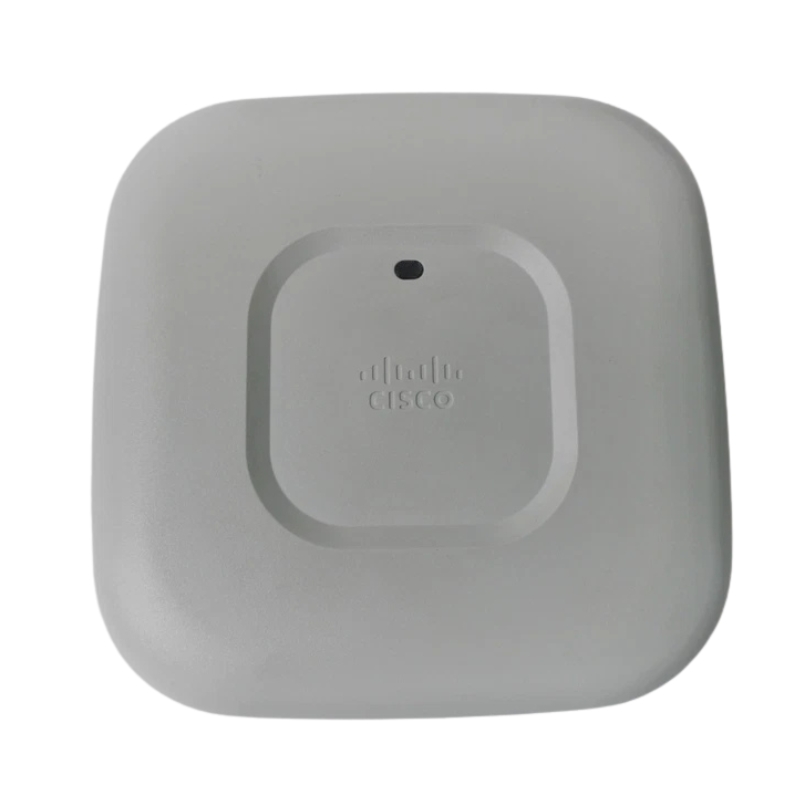
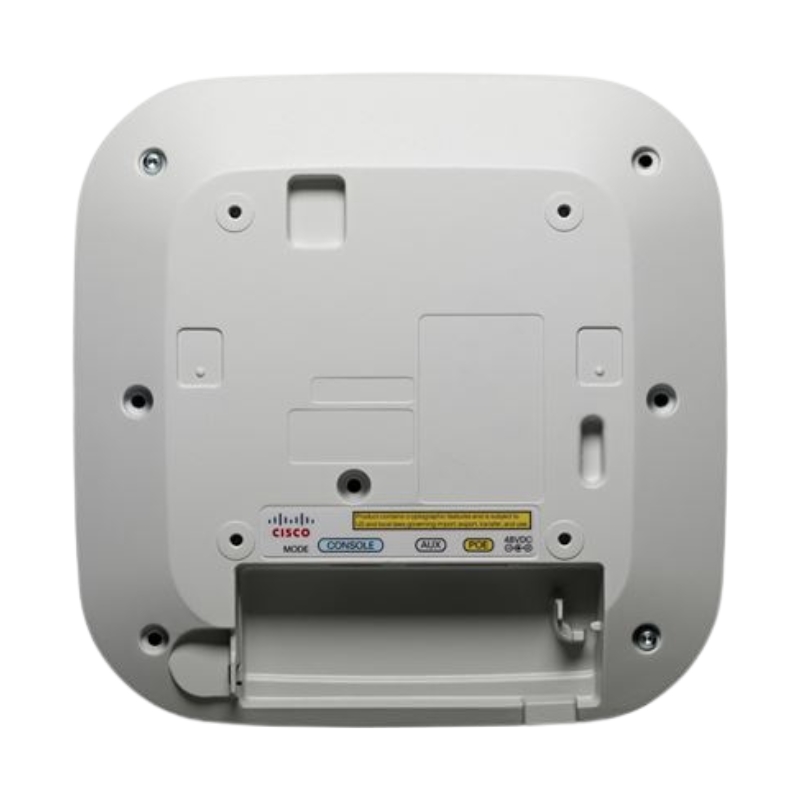
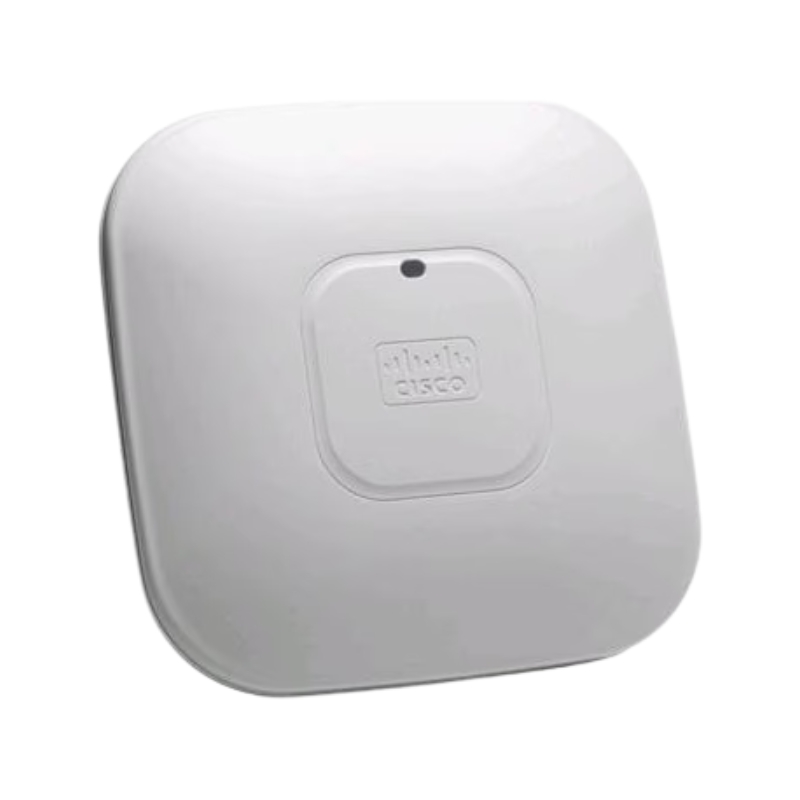
Cisco AIR-AP1702I-B-WLC 2504 Ceiling Mountable Wireless Controller. Excellent Refurbished with 1 year replacement warranty
The Cisco AIR-AP1702I-B-WLC 2504 Ceiling‑Mountable Wireless Controller is designed to deliver reliable enterprise‑grade connectivity, offering stable wireless performance and efficient network management for medium‑scale deployments. Built for environments that demand secure, scalable, and centrally managed Wi‑Fi, it integrates advanced controller features with flexible wired connectivity to ensure smooth operation across business‑critical applications.Built for wired network integration, the AIR‑AP1702I‑B‑WLC supports multiple Ethernet protocols, enabling flexible deployment and reliable communication across enterprise networks.
The Cisco AIR-AP1702I-B-WLC 2504 ceiling mountable wireless controller solution represents an integrated approach to enterprise wireless networking, combining high-performance access point capability with centralized control through a dedicated wireless LAN controller platform. This architecture is designed to support modern organizational demands for stable connectivity, scalable deployment, and efficient network administration across diverse environments such as corporate offices, educational institutions, healthcare facilities, retail spaces, and hospitality infrastructures.
At the core of this ecosystem is the synergy between the Cisco Aironet AIR-AP1702I-B access point and the Cisco 2504 wireless LAN controller. This pairing enables streamlined wireless communication management, allowing administrators to centrally configure, monitor, and optimize multiple access points while maintaining consistent performance and security standards across the entire network infrastructure. The ceiling mountable design of the access point ensures optimal radio frequency distribution and minimizes physical interference, making it ideal for open office layouts and high-density user environments.
The controller-based wireless architecture used in this system is built around centralized intelligence. Instead of configuring each access point individually, the Cisco 2504 wireless controller manages all connected AIR-AP1702I-B units through a unified interface. This allows for dynamic configuration, real-time monitoring, and automatic adjustment of wireless parameters to maintain optimal performance across all connected devices.
This architecture significantly reduces administrative overhead and ensures consistent policy enforcement. Network administrators can define security protocols, bandwidth allocation rules, and radio frequency settings from a single control point. These configurations are then distributed across all access points, ensuring uniform behavior and minimizing configuration errors that may arise in decentralized systems.
The system also supports intelligent roaming capabilities, allowing client devices to seamlessly transition between access points without interruption. This is particularly important in environments where mobility is essential, such as conference centers, university campuses, and large office complexes.
The Cisco AIR-AP1702I-B access point is engineered to deliver reliable wireless connectivity with strong signal penetration and efficient spectrum utilization. Designed for ceiling mounting, it ensures optimal coverage by leveraging elevated positioning to reduce obstructions and improve line-of-sight signal propagation.
This access point operates with advanced radio technology that supports multiple wireless clients simultaneously, maintaining stable throughput even in high-density environments. It is engineered to balance performance and energy efficiency, ensuring sustained operation without excessive power consumption.
Integration with the Cisco 2504 wireless controller enables advanced features such as automated radio frequency optimization, interference mitigation, and adaptive channel selection. These capabilities allow the network to respond dynamically to environmental changes, maintaining consistent connectivity quality.
The Cisco 2504 wireless LAN controller serves as the central intelligence unit within this wireless networking solution. It is responsible for managing authentication, encryption, network access control, and access point coordination. Through centralized control, it simplifies the deployment and maintenance of wireless networks while enhancing scalability.
This controller supports multiple access points simultaneously, making it suitable for medium-sized enterprise deployments. It provides administrators with a unified interface to configure wireless policies, monitor network health, and analyze performance metrics across all connected devices.
The controller also enhances network security by enforcing authentication protocols, managing encryption keys, and controlling user access based on predefined policies. This ensures that only authorized devices can connect to the wireless network, reducing the risk of unauthorized access and data breaches.
Ceiling mounting of the Cisco AIR-AP1702I-B access point is a critical aspect of optimizing wireless coverage. By positioning the device overhead, signal distribution becomes more uniform, reducing dead zones and improving overall connectivity quality. This placement is especially beneficial in open-plan environments where obstacles such as furniture, walls, and equipment may otherwise disrupt signal propagation.
In addition to improved coverage, ceiling mounting enhances device security by reducing physical accessibility. This minimizes the risk of tampering or accidental disconnection. It also contributes to cleaner installation aesthetics, allowing the wireless infrastructure to blend seamlessly into modern architectural designs.
Environmental optimization is further enhanced through intelligent power management and adaptive signal tuning. The system continuously evaluates network conditions and adjusts transmission strength to maintain optimal performance without unnecessary energy consumption.
The Cisco AIR-AP1702I-B-WLC 2504 system incorporates advanced radio frequency management techniques to ensure optimal wireless performance. These techniques include dynamic channel allocation, interference detection, and load balancing across multiple access points.
Dynamic channel allocation allows the system to automatically select the most efficient wireless channels based on current environmental conditions. This reduces congestion and minimizes interference from neighboring networks or electronic devices.
Interference detection mechanisms continuously monitor the wireless spectrum to identify potential sources of disruption. When interference is detected, the system adjusts transmission parameters to mitigate its impact, ensuring stable connectivity for connected devices.
Load balancing ensures that client devices are evenly distributed across available access points. This prevents network overload and maintains consistent performance even during peak usage periods.
Security is a fundamental component of the Cisco wireless controller architecture. The Cisco 2504 controller enforces comprehensive security policies that govern user authentication, data encryption, and network access control.
Authentication mechanisms ensure that only authorized users and devices can connect to the network. These mechanisms may include credential-based access, certificate validation, and integrated identity management systems.
Data encryption is applied to all wireless communication to protect sensitive information from interception. This ensures that data transmitted across the network remains confidential and secure.
Access control policies allow administrators to define specific permissions for different user groups. This enables granular control over network resources, ensuring that users only have access to the services and data they are authorized to use.
The Cisco AIR-AP1702I-B-WLC 2504 system is designed with scalability in mind, allowing organizations to expand their wireless infrastructure as their needs grow. Additional access points can be integrated into the existing network without significant reconfiguration, thanks to centralized management capabilities.
This scalability makes the system suitable for growing businesses and expanding institutions. Whether adding new office floors, additional classrooms, or expanded retail spaces, the wireless infrastructure can be extended seamlessly.
The controller’s ability to manage multiple access points ensures that performance remains consistent even as the network expands. Centralized configuration ensures that all devices adhere to the same operational standards, maintaining uniform performance across the entire deployment.
The Cisco AIR-AP1702I-B-WLC 2504 solution is versatile and adaptable to a wide range of deployment scenarios. In corporate environments, it supports high-density user connectivity, video conferencing, cloud application access, and internal communication systems.
In educational institutions, it enables campus-wide wireless coverage, supporting digital learning platforms, online research activities, and student connectivity needs. The system ensures reliable access even during peak usage periods such as lecture hours and examinations.
In healthcare environments, the system supports secure access to medical records, wireless diagnostic tools, and communication systems used by healthcare professionals. Its robust security framework ensures compliance with data protection requirements.
Retail environments benefit from stable wireless connectivity for point-of-sale systems, inventory management, and customer engagement platforms. Hospitality environments leverage the system to provide guest Wi-Fi services with controlled access and bandwidth management.
One of the key advantages of the Cisco AIR-AP1702I-B-WLC 2504 system is its ability to simplify network administration. Centralized control reduces the complexity of managing multiple wireless access points individually.
Automated configuration deployment ensures that changes are applied consistently across all devices. This reduces the likelihood of configuration errors and improves operational efficiency.
Remote management capabilities allow administrators to monitor and adjust network settings from centralized locations, reducing the need for on-site intervention and improving response times.
Reliability is a critical aspect of the Cisco wireless controller system. The architecture is designed to maintain continuous connectivity even in the event of localized failures or environmental disruptions.
Failover mechanisms ensure that network traffic can be rerouted through alternative access points if a device becomes unavailable. This minimizes downtime and maintains service continuity.
The system is engineered for long-term stability, with hardware and software components optimized for sustained enterprise-level operation. Continuous monitoring and automatic adjustments contribute to consistent performance over time.
The Cisco AIR-AP1702I-B-WLC 2504 system embodies a forward-looking approach to wireless networking infrastructure. Its modular design, centralized control, and adaptive optimization capabilities ensure compatibility with evolving network demands.
As organizations increasingly adopt cloud-based applications, mobile workforces, and Internet-connected devices, the need for scalable and intelligent wireless systems continues to grow. This solution provides a foundation capable of supporting these emerging requirements.
Its combination of performance, security, and centralized management positions it as a reliable choice for organizations seeking long-term wireless infrastructure stability and efficiency.


 Contact Us
 Information
 Catalog
 Solid State Drives (SSD)
 Network Switches
 Hard Disk Drives
 HBA & Controllers
 PC & Servers
 PC & Server Memory
 CPU & Processors
 Network Routers
 Power Supplies
 Tape Drives & Libraries
 Network Devices
 Computer & Network Cables