(7% discount is applied at checkout)
Cart is empty
Your go-to destination for cutting-edge server products
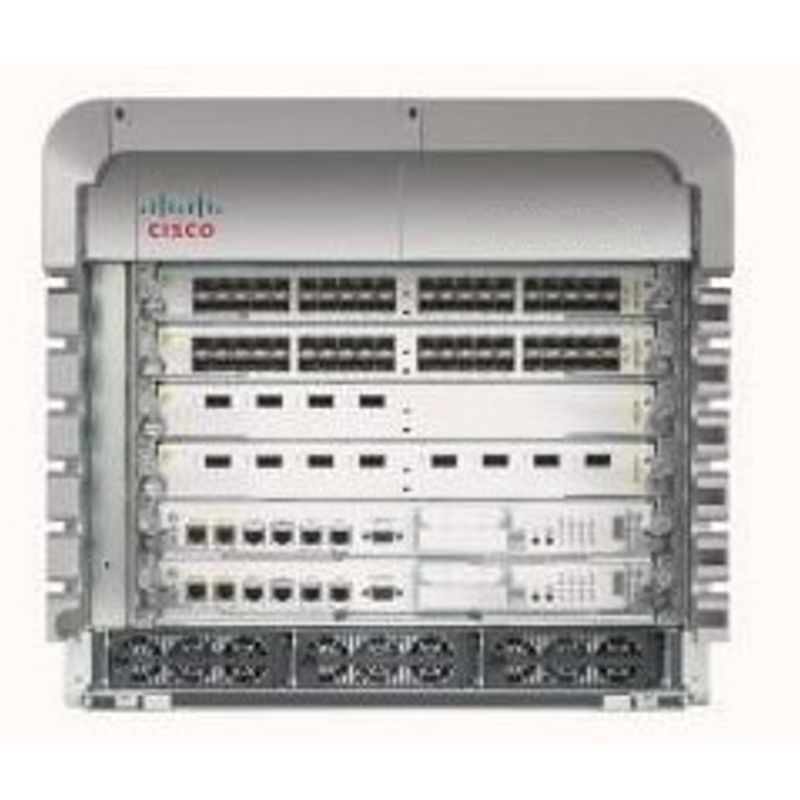


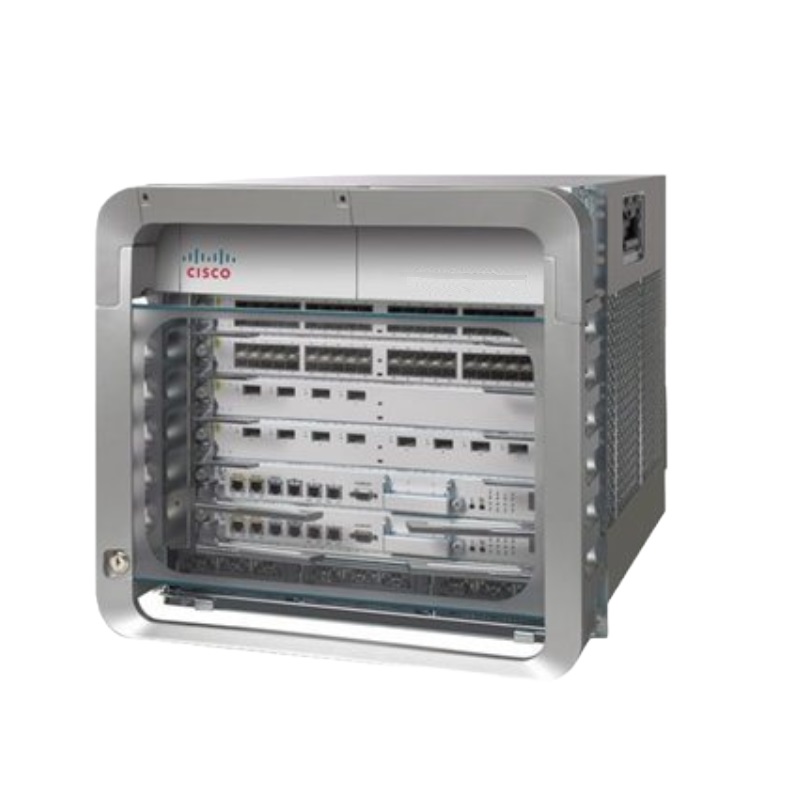
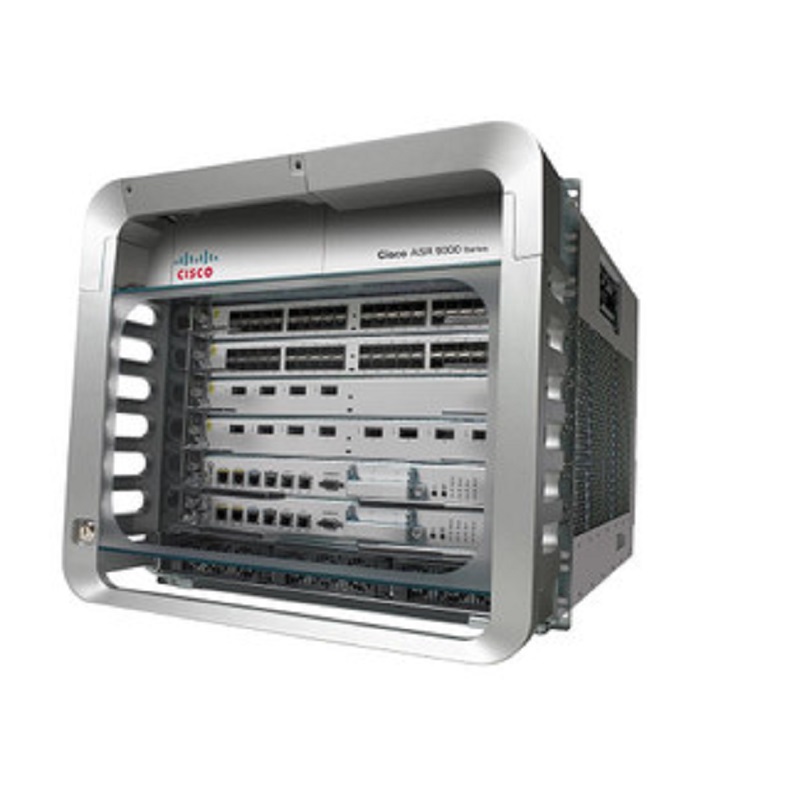
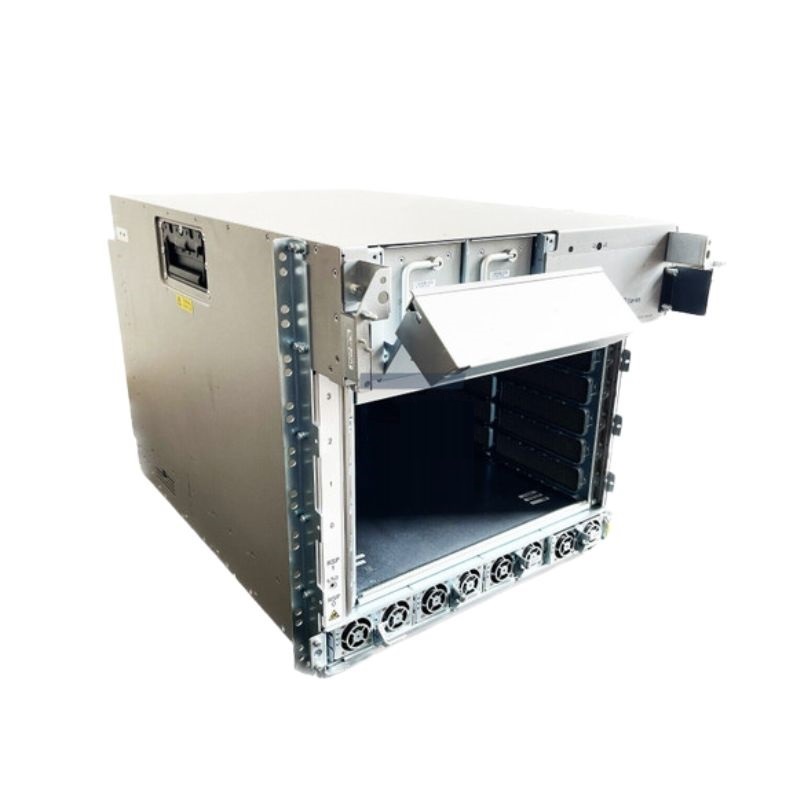
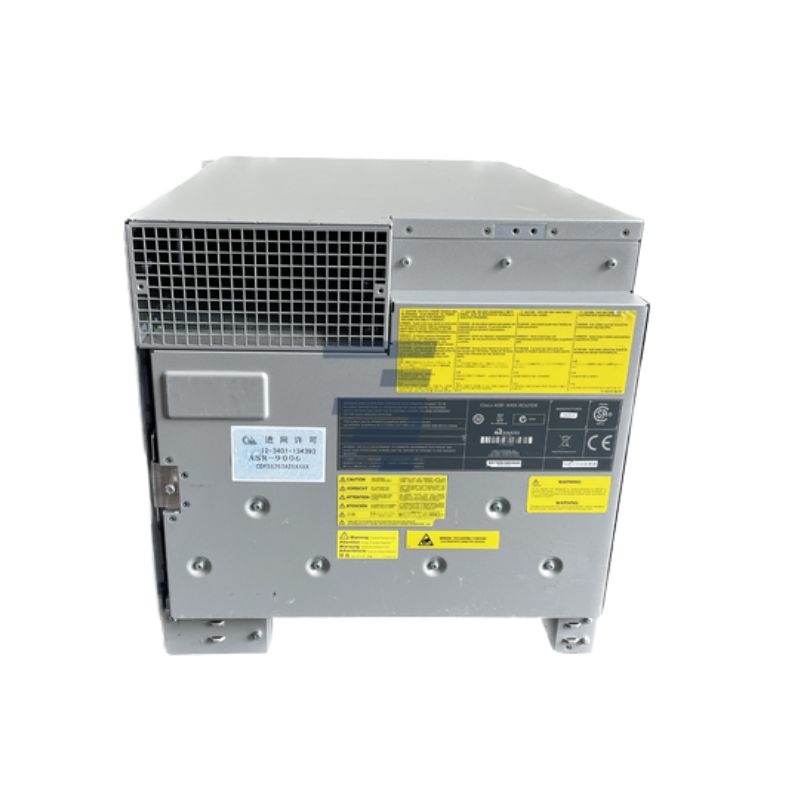
Cisco ASR5000-CHS-SYS-K9 ASR 5000 Router Complete Chassis. Excellent Refurbished with 1 year replacement warranty
The Cisco ASR5000-CHS-SYS-K9 ASR 5000 Router Complete Chassis is a high-performance, carrier-grade networking platform designed for large-scale mobile and broadband service provider environments. Manufactured this advanced chassis delivers exceptional scalability, reliability, and modular flexibility for next-generation IP services, mobile packet core functions, and high-density subscriber management.
The Cisco ASR5000-CHS-SYS-K9 ASR 5000 Router Complete Chassis represents a high-performance, carrier-grade routing and packet core platform designed for mobile network operators, telecommunications providers, and large-scale service infrastructures requiring massive scalability, deep packet inspection capabilities, and advanced mobility management. This chassis is part of the advanced mobile packet core ecosystem engineered to support evolving LTE, 4G, and transitional 5G network architectures, delivering high throughput, session density, and reliability for mission-critical environments.
The ASR 5000 chassis is built with carrier-grade redundancy principles at its core, ensuring continuous network availability even under hardware or software failure conditions. The system architecture integrates redundant control cards, redundant power supply systems, and modular service processing components. This ensures that network services such as mobility management, session handling, and policy enforcement continue uninterrupted in large-scale deployments.
The modular nature of the Cisco ASR 5000-CHS-SYS-K9 allows service providers to scale capacity as subscriber demand increases. The chassis supports multiple service cards and processing modules that can be dynamically allocated to handle traffic loads ranging from thousands to millions of simultaneous sessions. This scalability ensures that operators can deploy the platform in both regional and national network infrastructures without redesigning core systems.
The ASR 5000 chassis serves as a critical mobile packet gateway in LTE and evolved packet core environments. It handles high-volume data traffic between radio access networks and external IP networks. This includes managing subscriber sessions, routing data packets, and enforcing policy controls that optimize network performance and bandwidth utilization.
Integrated policy and charging control capabilities allow the platform to enforce real-time service policies. The chassis processes subscriber data sessions and applies bandwidth shaping, prioritization, and billing rules. This ensures telecom operators can deliver differentiated services while maintaining accurate charging mechanisms for usage-based billing models.
The system includes deep packet inspection functionality that enables traffic classification, application recognition, and security enforcement. By analyzing packet payloads in real time, the ASR 5000 can identify application types such as streaming, VoIP, or web browsing and apply network optimization policies accordingly.
The Cisco ASR5000-CHS-SYS-K9 chassis is engineered for installation in carrier-grade data centers and telecom central offices. Its physical design supports rack-mounted deployment with reinforced structural integrity for continuous 24/7 operation. The chassis is optimized for airflow management, thermal dissipation, and high-density component integration.
Power redundancy is a key aspect of the chassis design, allowing multiple power supply units to operate in parallel. In the event of a power module failure, remaining units continue operation without service disruption. The cooling architecture includes high-efficiency fan modules that maintain optimal operating temperatures for all internal components.
The chassis provides multiple slots for service processing cards, control modules, and interface components. Each slot is designed for hot-swappable operation, enabling maintenance and upgrades without system downtime. This flexibility is essential for operators managing live network environments with strict uptime requirements.
The ASR 5000 chassis supports extremely high throughput levels suitable for mobile core networks with heavy data traffic loads. It is optimized for concurrent session processing, ensuring that millions of active subscribers can be managed simultaneously without degradation in service quality.
One of the core strengths of the platform is its ability to manage high session density. Each subscriber session is individually tracked, authenticated, and maintained throughout its lifecycle. This enables precise control over mobile data flows and ensures stable connectivity even during peak usage periods.
Intelligent load balancing mechanisms distribute traffic across available service modules. This prevents congestion and ensures that no single processing unit becomes a bottleneck. The architecture dynamically adapts to traffic fluctuations, optimizing performance across the entire chassis.
The Cisco ASR 5000 chassis is widely deployed within LTE evolved packet core environments. It interfaces with mobility management entities, serving gateways, and packet data network gateways. This integration ensures seamless communication between radio access networks and external IP-based services.
Although originally designed for LTE networks, the architecture supports transitional roles in early 5G deployments. The system can handle control and user plane separation scenarios, making it suitable for hybrid networks where LTE and 5G coexist during migration phases.
The platform supports interoperability with a wide range of network functions including authentication servers, billing systems, and policy control nodes. This ensures seamless integration into complex telecom ecosystems with multiple vendor components.
The chassis incorporates advanced security mechanisms designed to detect anomalies and malicious traffic patterns. By monitoring packet flows in real time, the system can identify potential security threats and mitigate them before they impact network performance.
Subscriber data is processed with strict isolation and encryption mechanisms. Each session is protected from unauthorized access, ensuring compliance with telecom security standards and regulatory requirements for data privacy.
Quality of Service mechanisms allow operators to prioritize critical traffic such as emergency communications or enterprise applications. The system dynamically allocates bandwidth based on predefined policies, ensuring consistent performance for high-priority services.
The ASR 5000 chassis can be integrated into centralized network management systems, enabling operators to monitor performance, configure services, and analyze traffic patterns from a single interface. This simplifies large-scale network administration.
The platform provides real-time analytics on subscriber behavior, traffic distribution, and system performance. These insights enable operators to optimize network resources and improve service delivery efficiency.
Built-in diagnostic systems continuously monitor hardware and software components. In case of anomalies, automated alerts and corrective actions are triggered to minimize downtime and maintain service continuity.
Mobile operators utilize the ASR 5000 chassis to manage core data services, handle subscriber mobility, and deliver high-speed internet access. Its scalability makes it suitable for both small regional operators and global telecom providers.
ISPs leverage the platform for subscriber aggregation and traffic optimization. The system supports large-scale broadband deployments with consistent performance and efficient bandwidth management.
Large enterprises deploy the chassis in private mobile networks where secure and high-performance connectivity is required. This includes industries such as transportation, utilities, and smart city infrastructure.
The chassis runs a specialized embedded operating system designed for telecom environments. This software layer ensures optimized packet processing, session management, and system reliability under heavy workloads.
The system integrates with policy control functions that define how traffic is handled across the network. This includes bandwidth allocation, service prioritization, and subscriber-level customization.
Dynamic scaling features allow the system to adjust resource allocation based on real-time demand. This ensures consistent performance even during sudden traffic spikes or network expansions.
The chassis can be deployed in centralized data centers, distributed edge locations, or hybrid cloud environments. This flexibility supports modern network architectures that require distributed processing capabilities.
The architecture is designed to accommodate future network upgrades, including increased subscriber density and new service types. This ensures long-term investment protection for telecom operators.
The platform can support edge computing functions by processing data closer to the user. This reduces latency and improves performance for real-time applications such as gaming, IoT, and video streaming.


 Contact Us
 Information
 Catalog
 Solid State Drives (SSD)
 Network Switches
 Hard Disk Drives
 HBA & Controllers
 PC & Servers
 PC & Server Memory
 CPU & Processors
 Network Routers
 Power Supplies
 Tape Drives & Libraries
 Network Devices
 Computer & Network Cables