(7% discount is applied at checkout)
Cart is empty
Your go-to destination for cutting-edge server products
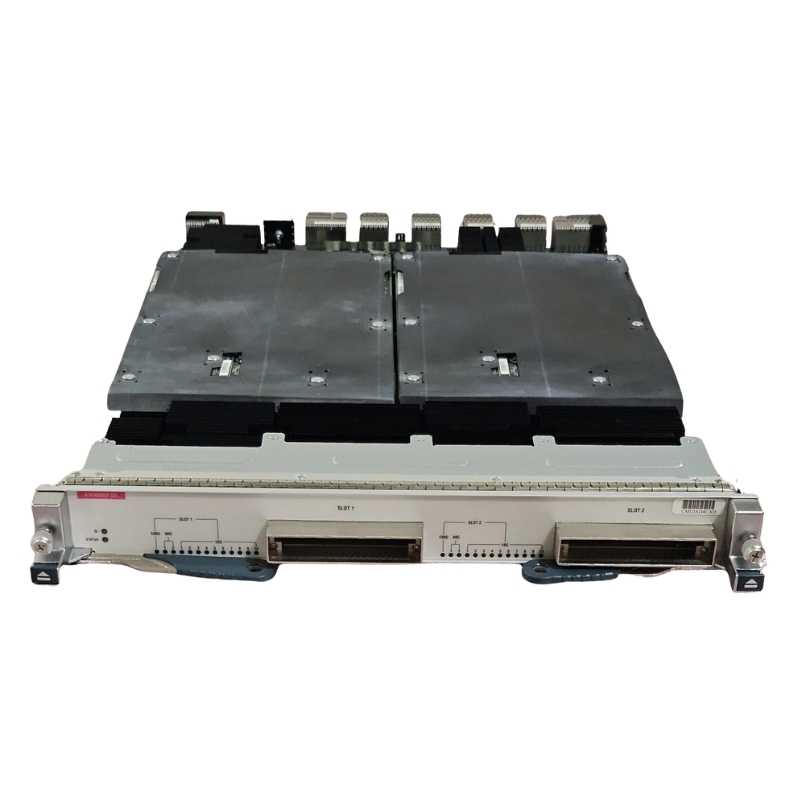


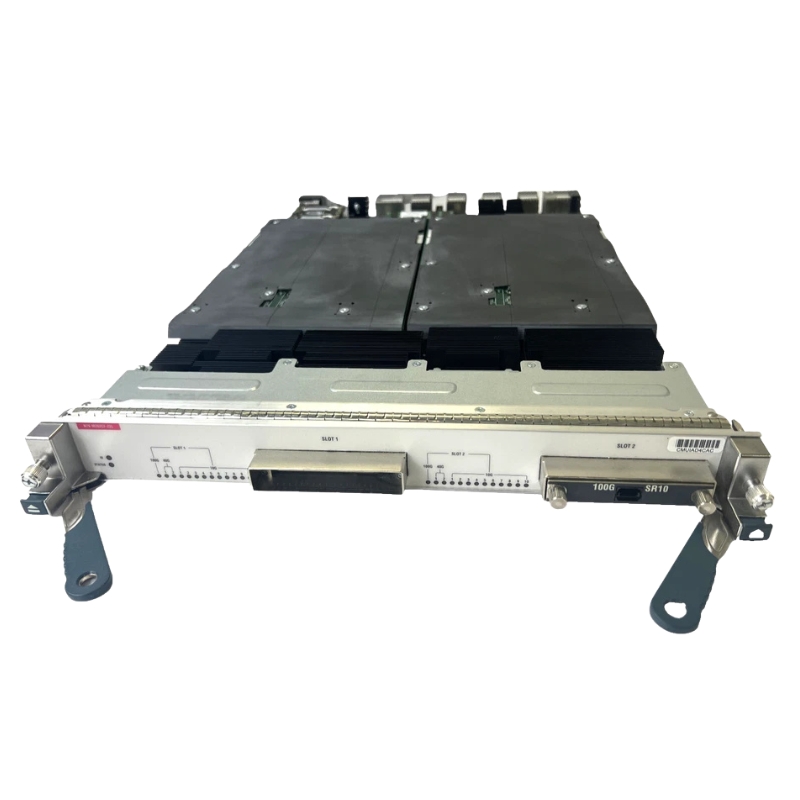
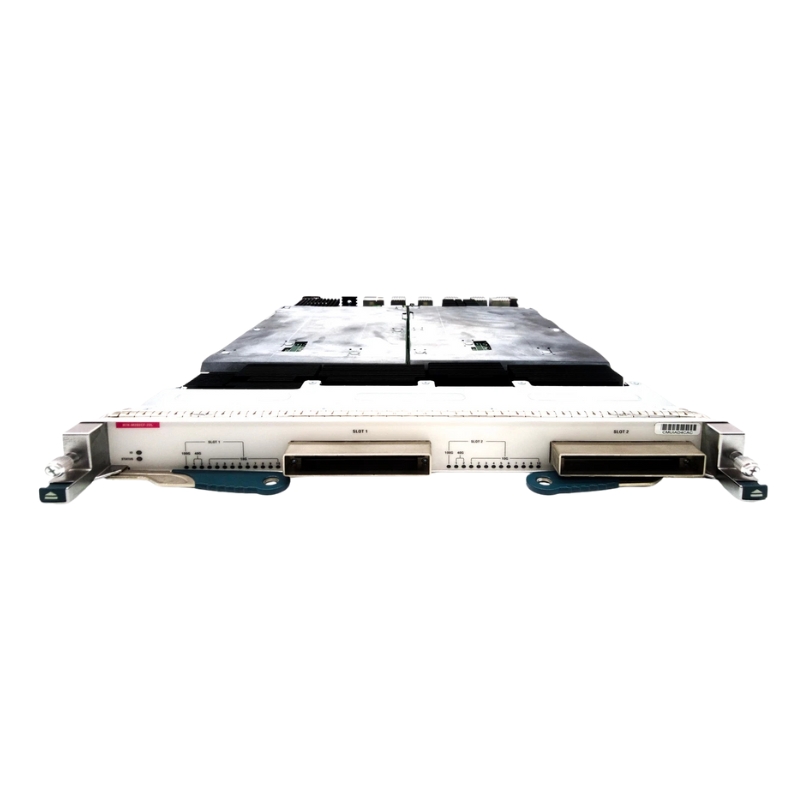
Cisco N7K-M202CF-22L Nexus 7000 Series Switch 2 Ports Expansion Module. Excellent Refurbished with 1 year replacement warranty
The is a high-performance expansion module designed for the Cisco Nexus 7000 Series Switch platform. Built to support demanding enterprise and data center networking environments, this module delivers two high-speed 100 Gigabit Ethernet ports with advanced security, scalable routing capabilities, and exceptional packet forwarding performance. It is an excellent choice for organizations requiring reliable, low-latency, and high-bandwidth network connectivity.
The Cisco N7K-M202CF-22L Nexus 7000 Series Switch 2 Ports Expansion Module is a specialized hardware component designed to enhance the scalability, flexibility, and performance of enterprise-class data center networks. This expansion module belongs to the Nexus 7000 Series, which is recognized for its modular architecture, high availability, and advanced networking capabilities. By integrating this module into a Nexus 7000 chassis, organizations can extend port density, optimize throughput, and ensure seamless connectivity across mission-critical applications.
The Cisco N7K-M202CF-22L is engineered with precision to meet the demands of modern networking environments. Its design emphasizes modularity, allowing administrators to add or replace modules without disrupting the overall system. The expansion module provides two high-performance ports, enabling efficient traffic distribution and supporting advanced protocols. The architecture of the Nexus 7000 Series ensures that each module integrates seamlessly with the chassis, maintaining consistent performance and reliability across the network fabric.
The expansion module is specifically tailored for the Nexus 7000 chassis, which serves as the backbone of many enterprise data centers. By slotting into the chassis, the N7K-M202CF-22L leverages the system’s redundant power supplies, cooling mechanisms, and supervisory modules. This integration ensures that the module operates within a stable environment, reducing the risk of downtime and enhancing overall system resilience.
With two dedicated ports, the Cisco N7K-M202CF-22L provides streamlined connectivity options for high-bandwidth applications. These ports are designed to handle intensive workloads, supporting both Layer 2 and Layer 3 operations. The module’s performance capabilities make it suitable for environments that require low latency, high throughput, and consistent packet delivery, such as cloud computing, virtualization, and large-scale enterprise applications.
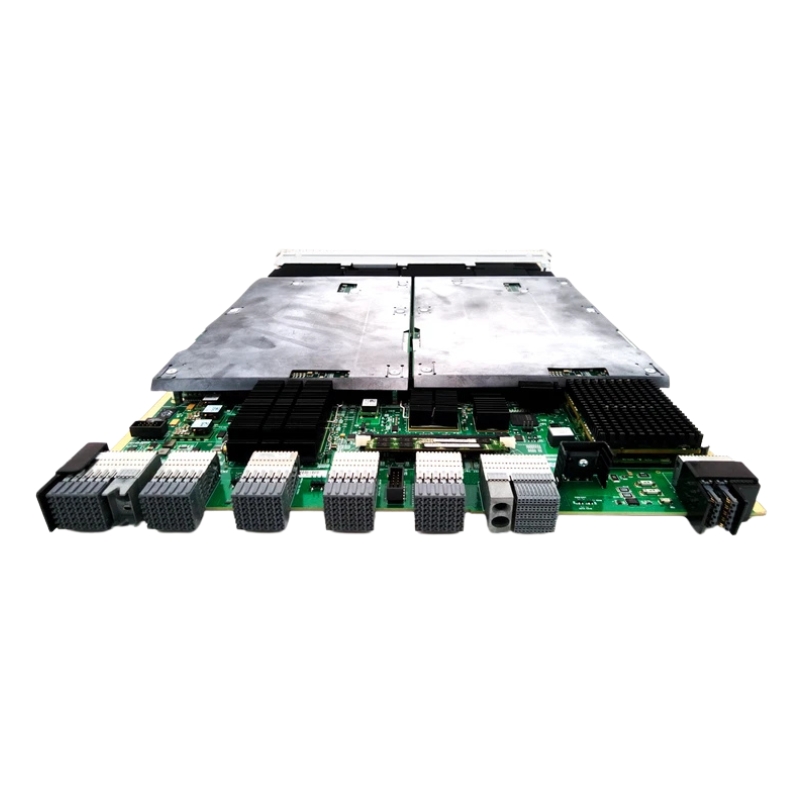
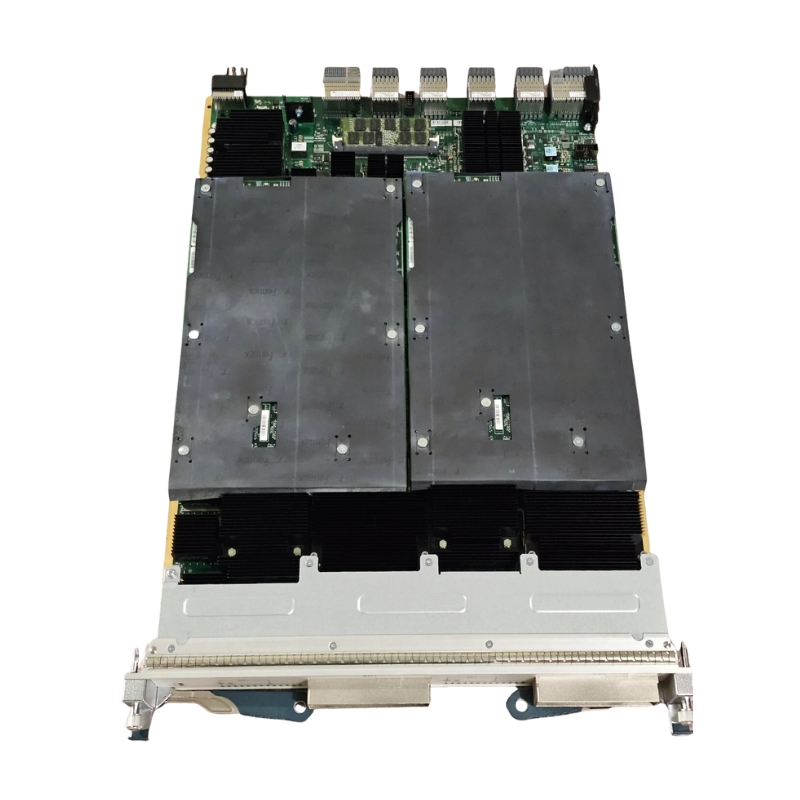
Hardware Composition
The expansion module is constructed with durable materials and advanced circuitry to withstand continuous operation in demanding environments. Its compact form factor allows for efficient use of chassis space, while its connectors and interfaces are designed for secure and reliable attachment. The hardware composition reflects Cisco’s commitment to quality and innovation in networking technology.
The Cisco N7K-M202CF-22L adheres to industry standards, ensuring interoperability with other networking devices and protocols. It supports Ethernet standards, VLAN configurations, and routing protocols commonly used in enterprise networks. Compatibility with the Nexus 7000 Series supervisory modules and fabric modules guarantees seamless integration and consistent performance across the entire system.
The expansion module is utilized in a variety of networking scenarios, ranging from enterprise data centers to cloud service providers. Its versatility allows organizations to deploy it in environments that demand high availability, scalability, and performance.
In enterprise data centers, the Cisco N7K-M202CF-22L plays a critical role in supporting core networking functions. By providing additional ports, it enables administrators to connect more servers, storage devices, and networking equipment. This expansion capability ensures that data centers can scale to meet growing demands without compromising performance or reliability.
Cloud service providers benefit from the module’s ability to handle high-bandwidth traffic and support virtualization technologies. The expansion module facilitates seamless connectivity between virtual machines, storage clusters, and application servers, ensuring that cloud environments remain responsive and efficient. Its performance characteristics make it ideal for supporting multi-tenant architectures and dynamic workloads.
In high-performance computing environments, where large volumes of data must be processed quickly, the Cisco N7K-M202CF-22L provides the necessary bandwidth and low latency. Researchers and organizations engaged in scientific simulations, data analytics, and machine learning can rely on the module to deliver consistent performance across complex computational tasks.
Deploying the Cisco N7K-M202CF-22L expansion module offers numerous benefits to organizations seeking to optimize their networking infrastructure. These benefits extend beyond simple port expansion, encompassing performance, reliability, and scalability.
The module allows organizations to scale their networks incrementally, adding capacity as needed without overhauling the entire system. This scalability ensures that investments in networking infrastructure remain cost-effective and adaptable to future growth.
By integrating with the Nexus 7000 chassis, the expansion module benefits from redundant systems that enhance reliability. Organizations can maintain continuous operations even in the event of hardware failures, ensuring that mission-critical applications remain accessible.
When deploying the Cisco N7K-M202CF-22L, organizations must consider factors such as network architecture, workload requirements, and future scalability. Proper planning ensures that the module delivers maximum value and integrates seamlessly into existing infrastructure.
The expansion module should be deployed in alignment with the overall network architecture. Administrators must evaluate how the additional ports will be utilized, ensuring that they support critical applications and services. Proper alignment minimizes bottlenecks and maximizes efficiency across the network.
Understanding workload requirements is essential when deploying the module. Organizations must assess the bandwidth, latency, and performance needs of their applications to ensure that the expansion module meets these demands. Tailoring deployment to workload requirements ensures optimal performance and resource utilization.
Planning for future scalability is crucial when integrating the Cisco N7K-M202CF-22L. Organizations should consider how their networking needs may evolve over time and ensure that the module can support these changes. This forward-looking approach maximizes the longevity and value of the investment.
Security is a critical consideration in modern networking environments, and the Cisco N7K-M202CF-22L incorporates features that enhance data protection and network integrity. These features ensure that organizations can maintain secure operations even in complex and dynamic environments.
The expansion module supports access control mechanisms that restrict unauthorized access to network resources. Administrators can configure policies that define which devices and users are permitted to connect, ensuring that sensitive data remains protected.
To safeguard data in transit, the Cisco N7K-M202CF-22L supports encryption protocols that protect against interception and tampering. This feature is particularly important in environments where sensitive information is transmitted across the network.


 Contact Us
 Information
 Catalog
 Solid State Drives (SSD)
 Network Switches
 Hard Disk Drives
 HBA & Controllers
 PC & Servers
 PC & Server Memory
 CPU & Processors
 Network Routers
 Power Supplies
 Tape Drives & Libraries
 Network Devices
 Computer & Network Cables