(7% discount is applied at checkout)
Cart is empty
Your go-to destination for cutting-edge server products
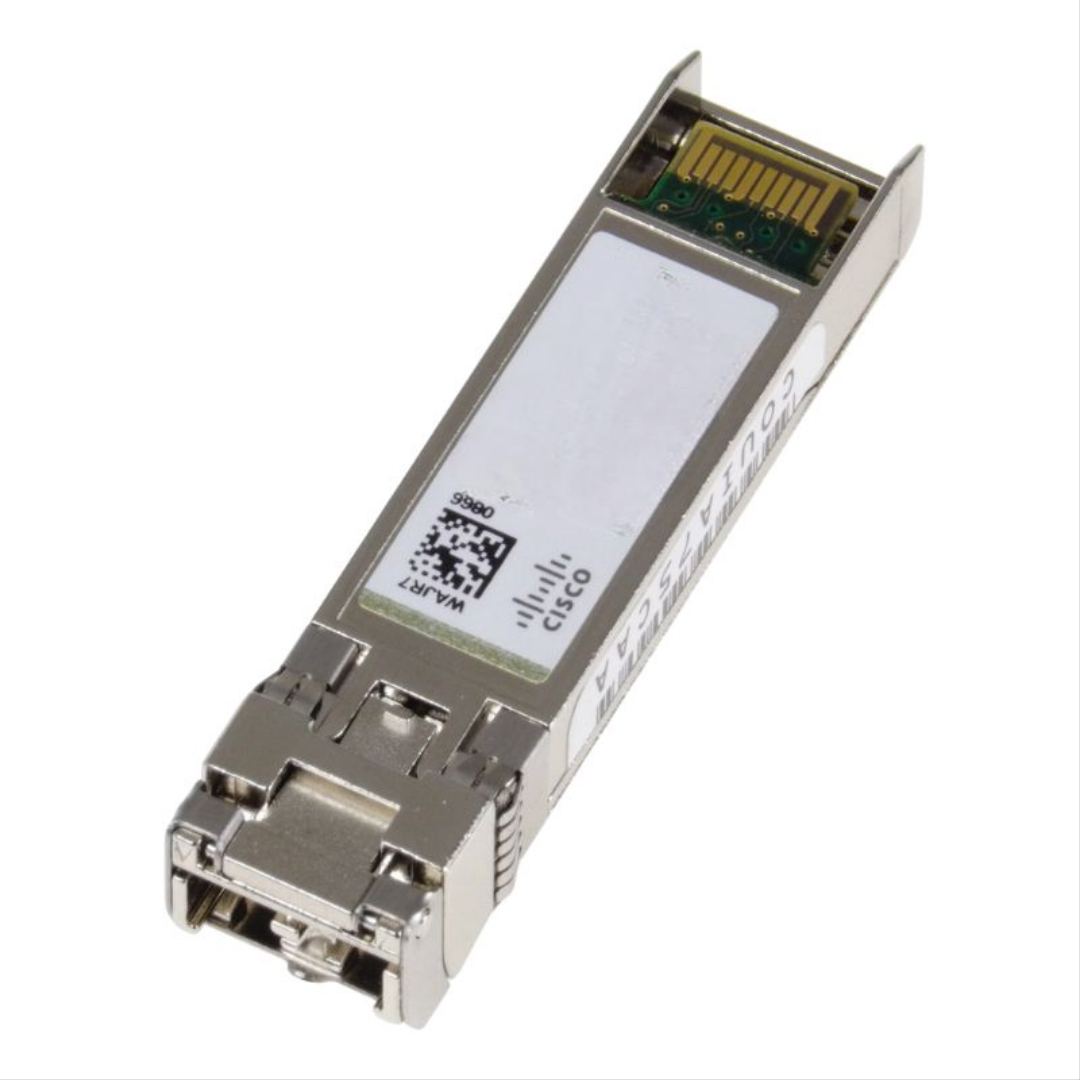


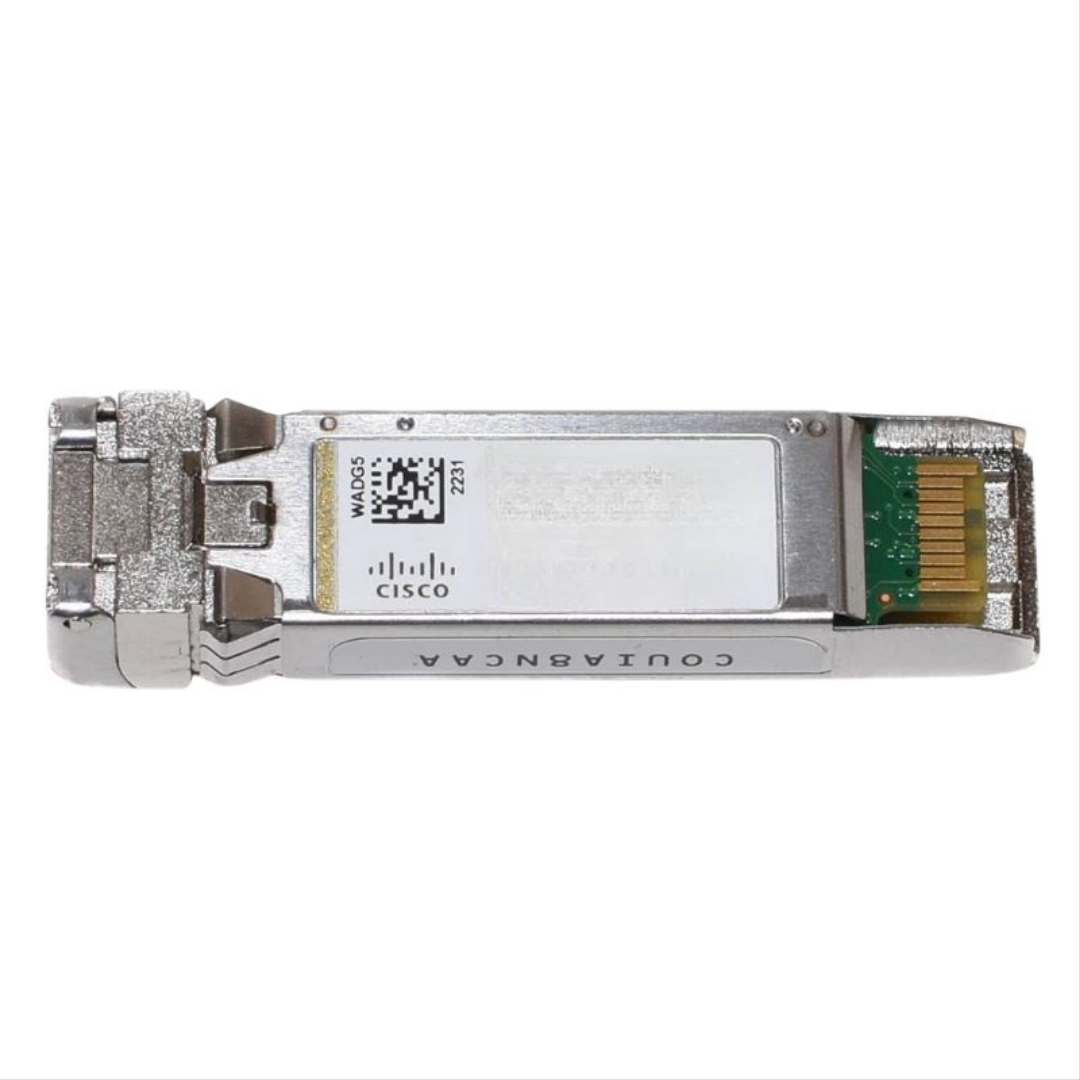
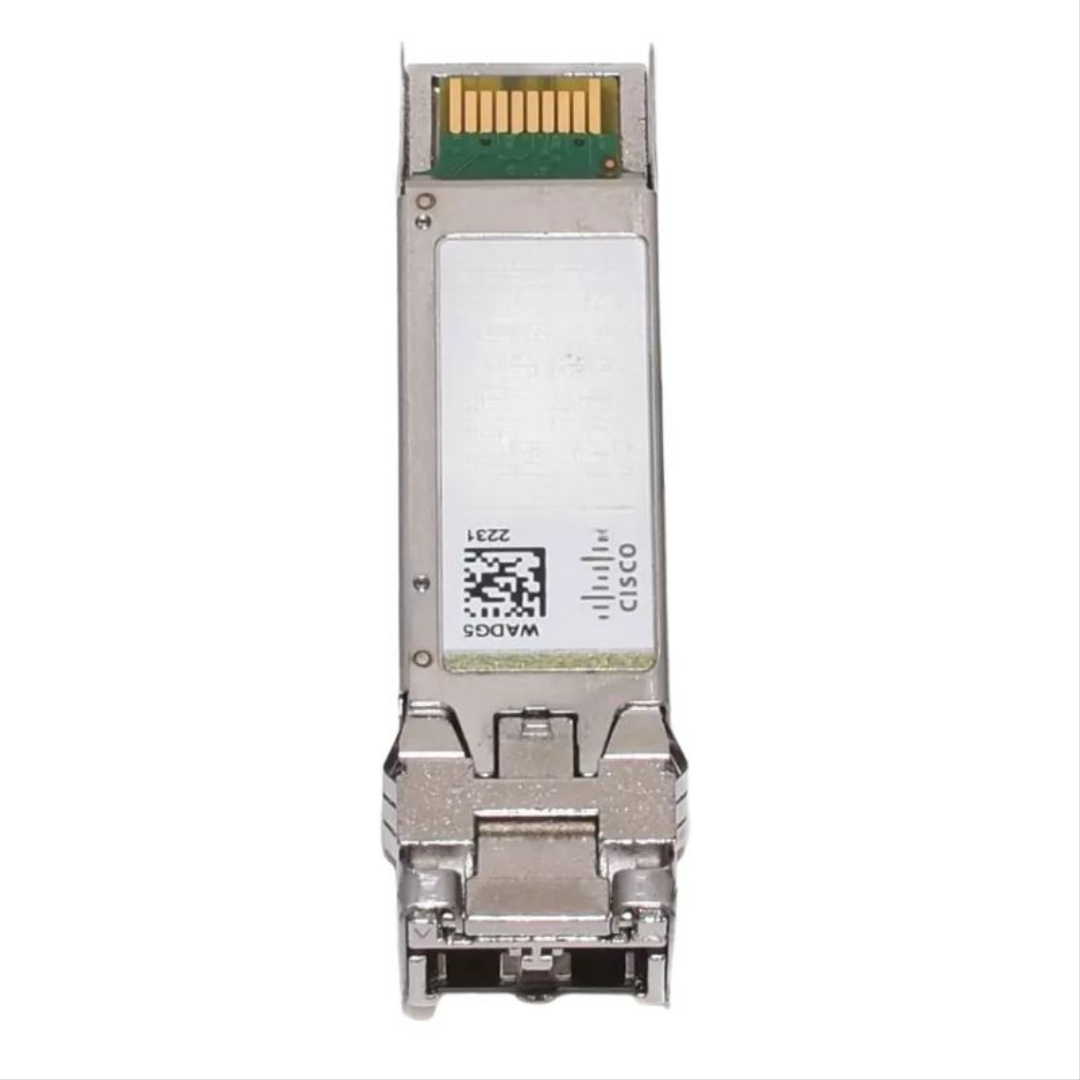
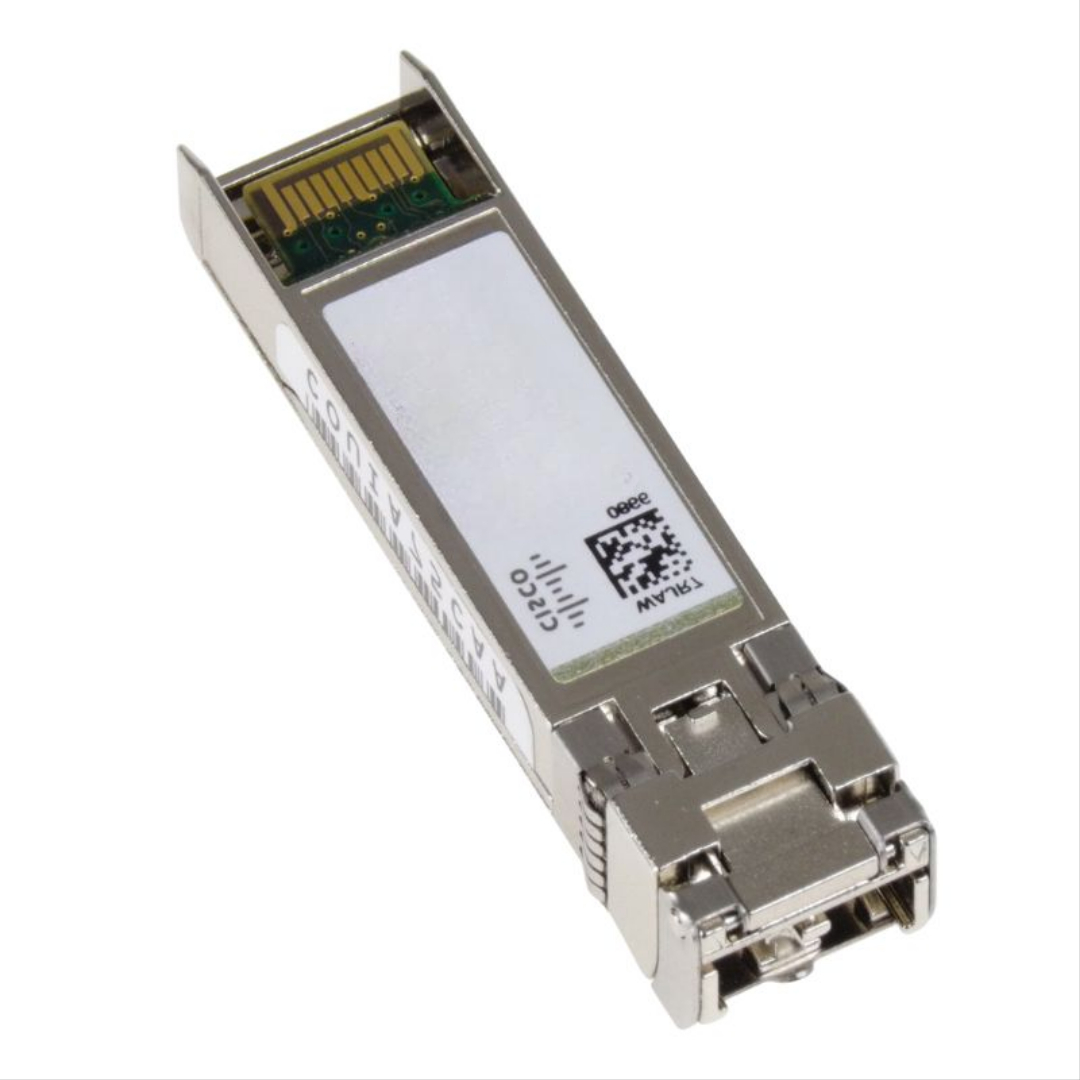
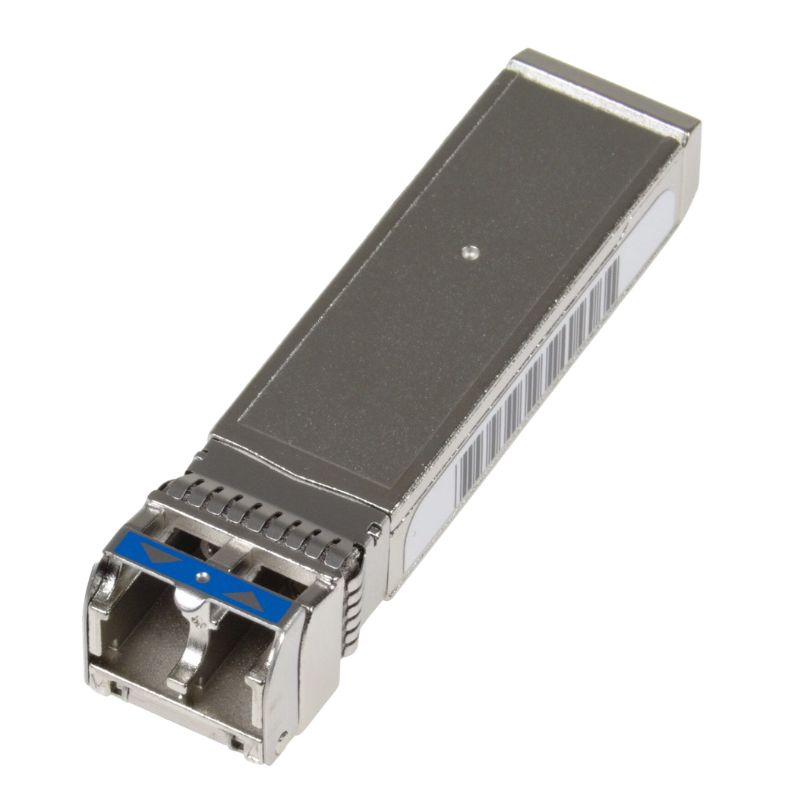
Cisco SFP-10G-BXU-I Single Mode SFP+ Transceiver. Excellent Refurbished with 1 year replacement warranty
| SKU/MPN | Warranty | Price | Condition | You save |
|---|---|---|---|---|
| SFP-10G-BXU-I | 1 Year Warranty | $595.00 | Excellent Refurbished | You save: $208.25 (26%) |
| SFP-10G-BXU-I | 1 Year Warranty | $1,465.00 | Factory-Sealed New Retail in Original Box (FSB) | You save: $512.75 (26%) |
Cisco SFP-10G-BXU-I LC to PC Single-Mode Transceiver Overview
The Cisco SFP-10G-BXU-I is a high-performance 10 Gigabit Ethernet SFP+ transceiver engineered for reliable long-distance optical communication across single-mode fiber networks. Designed to maximize fiber efficiency and reduce infrastructure complexity, this industrial-grade optical module supports stable high-speed data transmission while using only a single fiber strand through bidirectional (BiDi) technology.
Built for demanding enterprise, industrial, carrier-grade, and outdoor networking environments, this compact hot-swappable transceiver delivers excellent compatibility and dependable performance across mission-critical applications.
The Cisco SFP-10G-BXU-I LC to PC Single-Mode SFP+ 10 Gbps Transceiver Module is engineered to support high-speed optical communication across single-fiber infrastructure while maintaining enterprise-class reliability and efficient bandwidth delivery. Designed for deployment in modern networking environments, this optical transceiver enables 10 Gigabit Ethernet connectivity while reducing fiber consumption through bidirectional transmission technology.
Organizations that demand scalable network architectures increasingly adopt SFP+ optical modules because they provide flexibility, reduced cabling complexity, and simplified expansion paths. The Cisco SFP-10G-BXU-I model serves environments that require dependable data transmission over long distances while preserving signal integrity and operational efficiency.
The SFP+ transceiver category is developed to support modern network infrastructure requirements where high throughput and consistent performance are essential. The Cisco SFP-10G-BXU-I module operates as an advanced optical interface that connects networking equipment through single-mode fiber technology.
This transceiver enables organizations to create efficient communication channels between switches, aggregation layers, storage environments, and data transport infrastructure. The compact SFP+ form factor allows administrators to maximize port density while minimizing physical space requirements inside racks and cabinets.
By integrating bidirectional optical communication capabilities, this module transmits and receives data across a single optical strand, creating opportunities for substantial infrastructure optimization.
Single-mode optical communication remains one of the most effective approaches for extending network reach while maintaining stable signal transmission. The Cisco SFP-10G-BXU-I transceiver category is intended for environments where long-distance communication and high-capacity data transfer must coexist.
Unlike short-reach optical alternatives, single-mode implementations support reduced attenuation and superior optical precision. The narrow core diameter allows light to travel longer distances with minimal dispersion, enabling predictable transmission quality.
This capability supports business continuity initiatives, distributed infrastructure planning, campus deployments, and geographically separated network segments.
Single-mode fiber networks improve transmission consistency and reduce limitations associated with shorter-distance cabling systems. Network planners often adopt these solutions because they support evolving bandwidth requirements without repeated infrastructure replacement.
The use of optical signaling allows lower susceptibility to electromagnetic interference and enhances communication stability across demanding operational environments.
Organizations implementing 10 Gigabit Ethernet frequently seek methods to increase transport capacity without increasing physical infrastructure costs. By utilizing bidirectional optical technology, the Cisco SFP-10G-BXU-I category helps optimize fiber utilization and simplify network expansion initiatives.
Reduced cabling requirements can contribute to lower installation complexity, improved cable management practices, and more efficient use of conduit pathways.
The defining characteristic of the Cisco SFP-10G-BXU-I transceiver module category is bidirectional transmission over a single optical strand. Traditional duplex optical systems typically require two separate fibers for transmitting and receiving signals. Bidirectional technology consolidates these operations into one fiber connection.
This design strategy supports infrastructure modernization while preserving existing fiber assets.
Bidirectional optical communication employs different wavelengths for upstream and downstream data movement. Optical multiplexing enables simultaneous transmission and reception without requiring additional physical media.
This architecture increases infrastructure efficiency and enables organizations to expand services within constrained environments.
The result is improved network scalability while maintaining consistent communication performance across optical links.
Enterprise and service provider networks frequently face limitations related to available fiber capacity. Bidirectional modules create opportunities to extend network capabilities without introducing major structural changes.
This operational model supports rapid deployment schedules and streamlined infrastructure planning.
The Cisco SFP-10G-BXU-I category uses an LC optical interface designed for compact deployment and reliable fiber termination. LC connectors have become widely adopted because they support dense networking environments while maintaining dependable optical alignment.
Their reduced footprint enables higher interface density compared with larger optical connector formats.
As network equipment evolves toward greater port density, connector size becomes increasingly important. LC connectivity supports efficient rack utilization and simplified cable organization.
Administrators benefit from easier access during maintenance and lower risk of cable congestion.
Stable connector engagement plays a critical role in maintaining optical performance. Proper connector alignment reduces insertion loss and supports long-term communication consistency.
The connector design contributes to dependable transmission across demanding enterprise and carrier-grade environments.
High-capacity network environments require hardware capable of supporting growing data volumes generated by applications, virtualization platforms, cloud services, and storage systems. The Cisco SFP-10G-BXU-I transceiver category delivers 10 Gigabit optical performance to satisfy these requirements.
Increasing throughput improves responsiveness and enables infrastructure teams to maintain service quality during periods of elevated demand.
Enterprise workloads continue to generate increasing traffic volumes across network environments. High-speed optical transport supports application responsiveness and minimizes communication bottlenecks.
Common deployment scenarios include centralized computing environments, storage transport, server aggregation, and application delivery networks.
Modern organizations often maintain multiple operational locations connected through dedicated networking infrastructure. High-speed optical modules enable efficient movement of information across interconnected systems.
Consistent bandwidth availability contributes to predictable application performance and improved operational continuity.
The Cisco SFP-10G-BXU-I transceiver category supports numerous networking environments due to its flexible optical characteristics and compact installation model.
Data center environments demand scalable infrastructure capable of supporting growing computational requirements. Optical transceivers provide efficient communication paths between switching platforms and server resources.
Single-fiber bidirectional deployment can reduce cable density and simplify large-scale infrastructure growth.
Educational institutions, business campuses, and corporate environments frequently rely on long-distance optical connections between facilities. This category of transceiver supports reliable communication across distributed buildings.
Extended optical reach helps maintain centralized management while supporting localized operations.
Service providers prioritize efficient resource allocation and infrastructure utilization. Optical modules that minimize fiber requirements support cost-effective deployment strategies and streamlined network scaling.
Reliable 10 Gigabit transmission helps maintain service quality expectations across expanding customer environments.
Aggregation networks collect and distribute traffic between multiple endpoints. High-speed optical modules improve throughput and reduce bottlenecks across these critical infrastructure layers.
Scalable infrastructure planning allows organizations to adapt to evolving operational requirements. The Cisco SFP-10G-BXU-I category supports this objective by enabling modular network expansion.
Administrators can deploy additional optical interfaces as demand increases without redesigning the entire communication environment.
Modern network architecture frequently emphasizes modularity because it simplifies upgrades and maintenance activities. Optical transceivers support incremental deployment approaches while preserving operational continuity.
This strategy enables organizations to align infrastructure investment with actual growth requirements.
Optical connectivity solutions support multiple deployment models including centralized infrastructure, distributed computing, hybrid environments, and edge network implementations.
Consistent interoperability enables smoother transitions during modernization initiatives.
Reliable communication infrastructure remains essential for organizations that depend on continuous connectivity. Optical transceiver categories designed for enterprise environments emphasize consistent performance and dependable operation.
The Cisco SFP-10G-BXU-I category aligns with network requirements that prioritize predictable communication behavior and sustained throughput.
Signal integrity directly affects application availability and user experience. High-quality optical transmission reduces disruptions and supports continuous business operations.
Reliable optical communication also contributes to simplified troubleshooting and reduced maintenance overhead.
Networking hardware frequently operates across varied environmental conditions. Enterprise optical solutions are selected to support stable functionality while maintaining communication quality over extended operational periods.
High-density switching platforms continue to transform how organizations deploy networking infrastructure. Compact optical modules support these initiatives by enabling efficient port utilization and flexible connectivity planning.
Data centers and communication facilities often prioritize maximizing usable space. Compact transceiver formats allow increased interface density without significantly increasing hardware footprint.
This efficiency supports structured growth while preserving accessibility for administration and maintenance.
As architectures evolve toward software-driven and cloud-connected environments, optical interfaces remain essential for maintaining reliable transport layers.
Organizations implementing infrastructure modernization initiatives frequently select modular optical solutions to maintain adaptability and operational resilience.
One of the major benefits associated with bidirectional optical communication is the ability to maximize existing infrastructure investment. Reducing fiber consumption supports long-term cost management initiatives.
Organizations can allocate existing fiber assets more effectively and reduce requirements for additional installation projects.
Fewer optical strands translate into simplified cable routing and improved infrastructure organization. Reduced physical complexity can support faster deployment cycles and improved maintenance efficiency.
This benefit becomes increasingly valuable as network scale expands across multiple locations.
Efficient infrastructure utilization contributes to sustainable network growth strategies. Optical technologies that improve resource efficiency support future expansion while preserving performance expectations.
The Cisco SFP-10G-BXU-I LC to PC Single-Mode SFP+ 10 Gbps Transceiver Module category continues to serve organizations seeking high-speed optical communication, scalable deployment models, efficient fiber usage, and dependable enterprise networking performance across modern infrastructure environments.


 Contact Us
 Information
 Catalog
 Solid State Drives (SSD)
 Network Switches
 Hard Disk Drives
 HBA & Controllers
 PC & Servers
 PC & Server Memory
 CPU & Processors
 Network Routers
 Power Supplies
 Tape Drives & Libraries
 Network Devices
 Computer & Network Cables