(7% discount is applied at checkout)
Cart is empty
Your go-to destination for cutting-edge server products


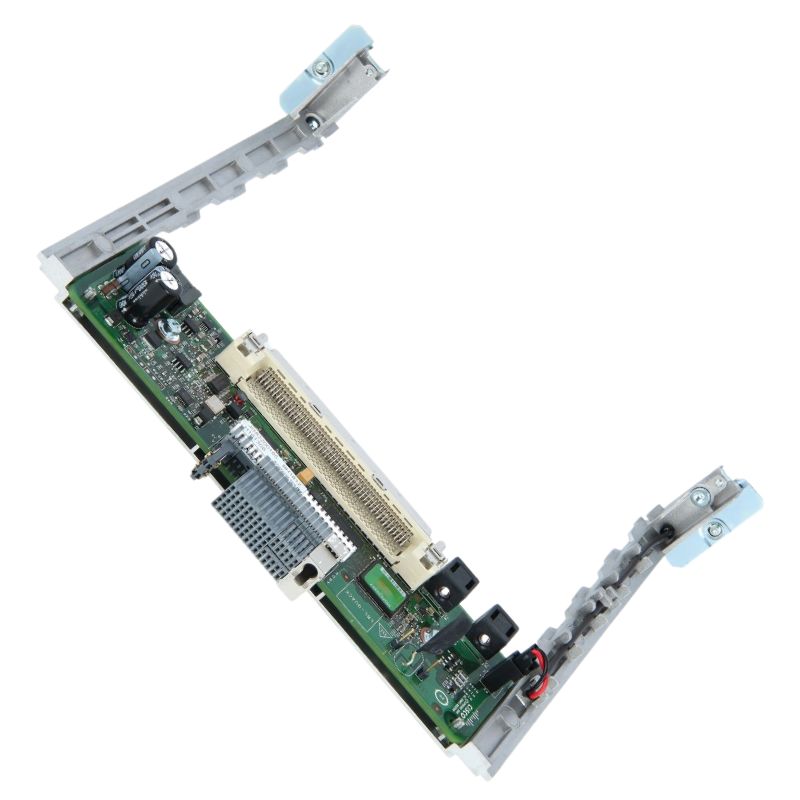
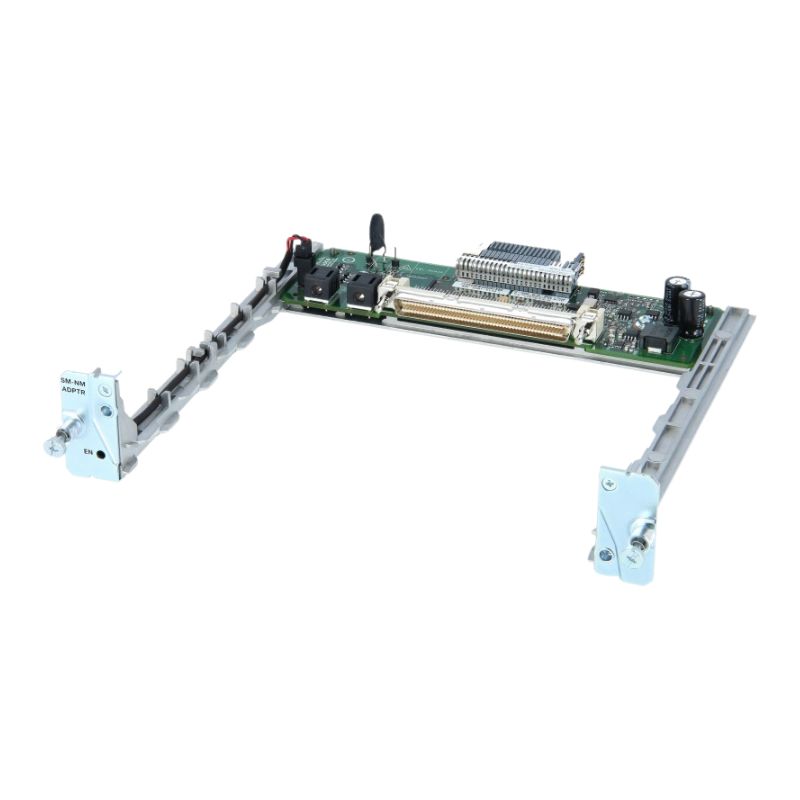
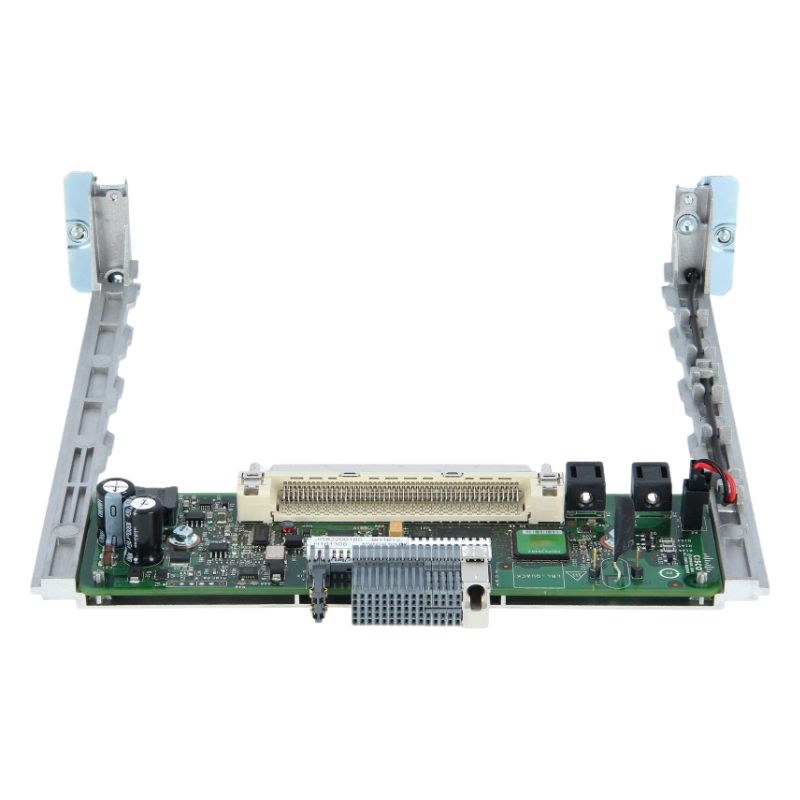
Cisco SM-NM-ADPTR Slot Device Network Adapter. Excellent Refurbished with 1 year replacement warranty
| SKU/MPN | Warranty | Price | Condition | You save |
|---|---|---|---|---|
| SM-NM-ADPTR | 1 Year Warranty | $55.00 | Excellent Refurbished | You save: $19.25 (26%) |
| SM-NM-ADPTR | 1 Year Warranty | $110.00 | Factory-Sealed New Retail in Original Box (FSB) | You save: $38.50 (26%) |
The Cisco SM-NM-ADPTR Slot Device Network Adapter is a reliable and flexible network expansion module designed to enhance connectivity capabilities in Cisco Integrated Services Routers. Built for enterprise-grade performance, this adapter module enables organizations to extend networking functionality, improve data routing efficiency, and support scalable infrastructure upgrades within Cisco ISR platforms.
The Cisco SM-NM-ADPTR Slot Device Network Adapter represents a critical category within enterprise-grade modular networking infrastructure, designed to enhance slot-based expansion capabilities in Cisco switching and routing environments. Built to support scalable network architectures, this adapter class plays a pivotal role in enabling flexible port density expansion, service module integration, and high-performance data forwarding within mission-critical environments. As modern enterprise networks evolve toward higher throughput demands, virtualization, and cloud-driven workloads, slot device adapters such as the Cisco SM-NM-ADPTR become indispensable components for ensuring system adaptability and long-term infrastructure value.
Within the broader ecosystem of enterprise networking solutions provided by this category of slot device network adapters is engineered to bridge hardware modularity with advanced switching capabilities. It enables IT administrators to extend system functionality without replacing entire chassis units, thereby optimizing total cost of ownership while maintaining high availability and operational continuity.
The architectural relevance of the Cisco SM-NM-ADPTR Slot Device Network Adapter lies in its ability to function as an interface enhancement layer between physical slot infrastructure and logical network services. In modular chassis-based systems, slot constraints often limit scalability; however, adapters in this category provide a structured mechanism to extend interface capabilities, integrate service modules, and align physical hardware with evolving network topologies.
Slot-based networking architecture is designed around the concept of modular growth, where core switching chassis can be incrementally expanded using compatible adapter modules. The Cisco SM-NM-ADPTR category aligns with this philosophy by providing adaptable network interfacing components that allow enterprises to deploy additional services without disrupting core network operations. This reduces downtime risks while maintaining consistent throughput performance across all connected nodes.
A defining feature of this adapter category is its contribution to hardware abstraction. By separating interface functionality from the core switching fabric, these adapters enable a layered infrastructure design. This approach allows network engineers to independently upgrade, replace, or scale slot-based components without affecting the entire system architecture. Such modularity is essential in large-scale enterprise deployments, data centers, and service provider environments.
One of the most significant advantages of implementing slot device adapters is the ability to perform non-disruptive upgrades. Enterprises can introduce new capabilities, enhance port density, or reconfigure network services while maintaining continuous system availability. This is particularly valuable in environments requiring 24/7 uptime, such as financial institutions, cloud hosting providers, and global communication infrastructures.
The functional role of this adapter category extends beyond simple connectivity expansion. It serves as a foundational component in enabling advanced routing behaviors, optimized traffic distribution, and service module integration. These adapters support multiple operational layers within enterprise networks, ensuring compatibility with evolving protocols and high-speed data transmission requirements.
Modern networks require intelligent traffic management to handle increasing volumes of data generated by cloud applications, IoT systems, and virtualized workloads. The Cisco SM-NM-ADPTR Slot Device Network Adapter contributes to this requirement by enabling enhanced interface allocation and optimized traffic distribution across available slots. This ensures balanced load handling and reduces bottlenecks in high-density environments.
Throughput efficiency is a core design consideration in slot-based adapters. These modules are engineered to support high-speed data pathways, ensuring minimal latency between switching layers and connected devices. As enterprise workloads continue to demand higher bandwidth, the adapter’s ability to sustain stable throughput becomes essential for maintaining operational efficiency.
Latency reduction is achieved through optimized circuit routing and direct integration with switching backplanes. By minimizing unnecessary data traversal paths, the adapter ensures faster packet processing and improved responsiveness across network endpoints. This is particularly important in latency-sensitive applications such as real-time analytics, VoIP communications, and financial trading systems.
The Cisco SM-NM-ADPTR Slot Device Network Adapter category is widely deployed across diverse enterprise environments, ranging from data centers and campus networks to service provider infrastructures. Its versatility allows it to support multiple operational scenarios where scalability, reliability, and performance are critical.
In modern data centers, the demand for scalable and flexible networking solutions is constantly increasing. Slot device adapters provide a cost-effective method for expanding network capacity without requiring complete system overhauls. This enables data center operators to incrementally upgrade infrastructure based on workload demands and capacity planning strategies.
As virtualization becomes a dominant force in IT infrastructure, the need for adaptable network interfaces grows significantly. The Cisco SM-NM-ADPTR supports virtual machine mobility, dynamic workload allocation, and cloud service integration by ensuring stable and scalable connectivity between virtual and physical network layers.
High-density computing environments require networking components capable of handling large volumes of simultaneous connections. Slot device adapters facilitate this requirement by providing flexible port expansion and optimized interface allocation, ensuring that computing clusters maintain consistent performance under heavy workloads.
In enterprise campus deployments, network scalability and segmentation are essential for supporting multiple departments, users, and applications. The Cisco SM-NM-ADPTR enables efficient segmentation of network traffic while allowing seamless expansion of switching capabilities across campus infrastructures.
Network segmentation is critical for maintaining security and performance in large organizations. Slot-based adapters assist in implementing segmentation policies by enabling dedicated interfaces for different network zones, ensuring controlled traffic flow and improved security posture across enterprise environments.
Campus networks often evolve over time due to organizational growth and technological upgrades. The modular nature of slot device adapters provides the flexibility required to adapt network architecture without significant hardware replacement or downtime.
Performance and reliability are fundamental characteristics of the Cisco SM-NM-ADPTR Slot Device Network Adapter category. These components are engineered to meet stringent enterprise standards, ensuring consistent operation under varying workloads and environmental conditions.
Efficient thermal management is crucial in slot-based networking systems. These adapters are designed to operate within optimized thermal thresholds, ensuring stable performance even in high-density chassis configurations. Power efficiency is also a key consideration, reducing overall energy consumption while maintaining high performance.
Fault tolerance mechanisms are integrated into modular adapter designs to ensure continuous operation in the event of component failure. Redundant pathways and failover capabilities allow networks to maintain connectivity even under partial hardware degradation, improving overall system resilience.
The Cisco SM-NM-ADPTR Slot Device Network Adapter category is designed to integrate seamlessly with modern networking technologies, including software-defined networking, virtualization platforms, and automated infrastructure management systems.
Software-defined networking architectures require hardware components that can dynamically adapt to programmable network policies. Slot device adapters support this paradigm by providing flexible interface allocation and compatibility with centralized network control systems.
Network automation tools rely on hardware that can respond dynamically to configuration changes. These adapters support orchestration frameworks that enable automated provisioning, scaling, and management of network resources across distributed environments.
Modern enterprise networks increasingly rely on API-driven management systems. Slot device adapters contribute to this ecosystem by enabling programmable interfaces that integrate with network monitoring, configuration, and analytics platforms.
Scalability is a core design principle of the Cisco SM-NM-ADPTR Slot Device Network Adapter category. These components are engineered to support future network growth, ensuring compatibility with emerging technologies and increasing bandwidth requirements.
As enterprise networks evolve, the need for adaptable infrastructure becomes more pronounced. Slot device adapters provide a forward-compatible solution that allows organizations to integrate new technologies without replacing existing systems.
Next-generation networking technologies demand higher throughput, lower latency, and greater scalability. The Cisco SM-NM-ADPTR category is designed to support these requirements, ensuring long-term relevance in rapidly evolving IT environments.


 Contact Us
 Information
 Catalog
 Solid State Drives (SSD)
 Network Switches
 Hard Disk Drives
 HBA & Controllers
 PC & Servers
 PC & Server Memory
 CPU & Processors
 Network Routers
 Power Supplies
 Tape Drives & Libraries
 Network Devices
 Computer & Network Cables