(7% discount is applied at checkout)
Cart is empty
Your go-to destination for cutting-edge server products
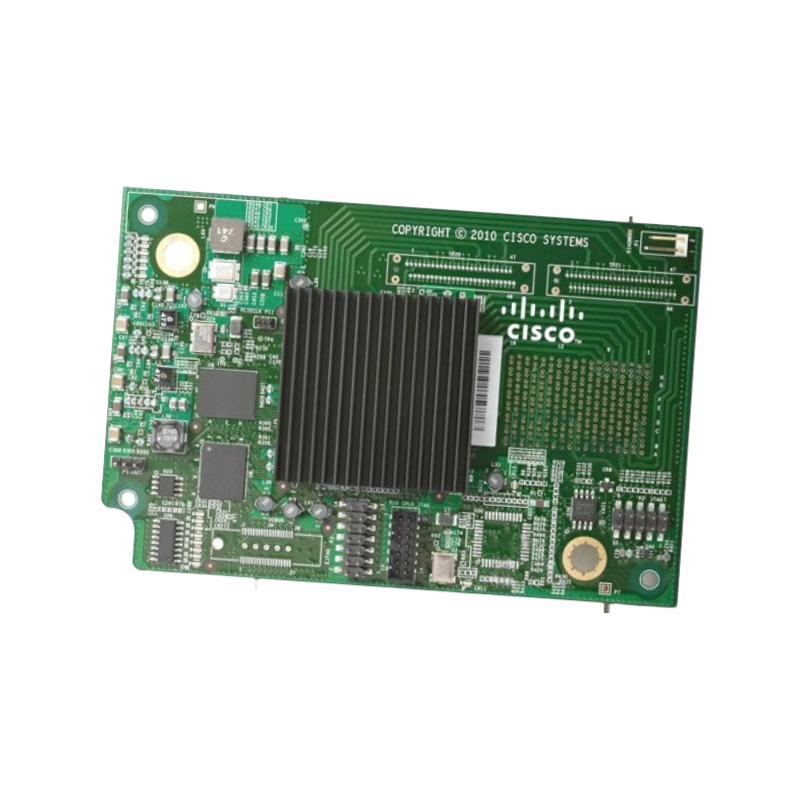


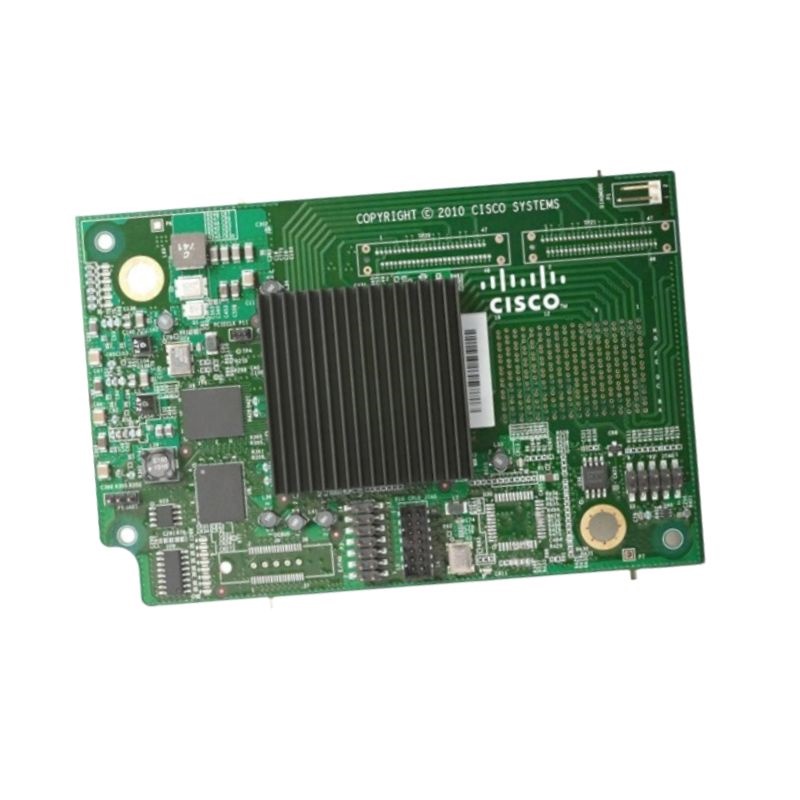
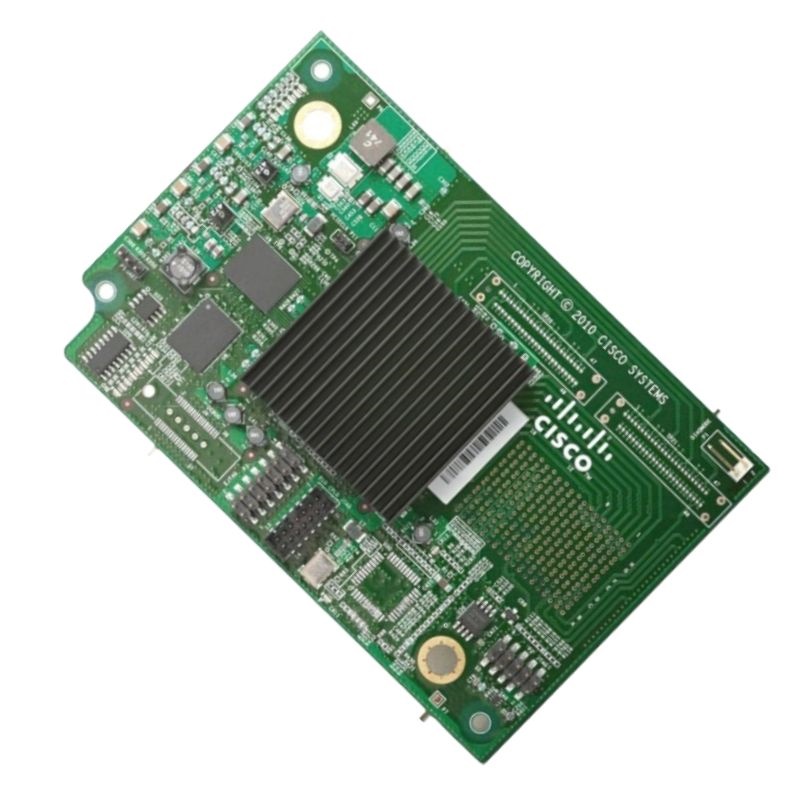
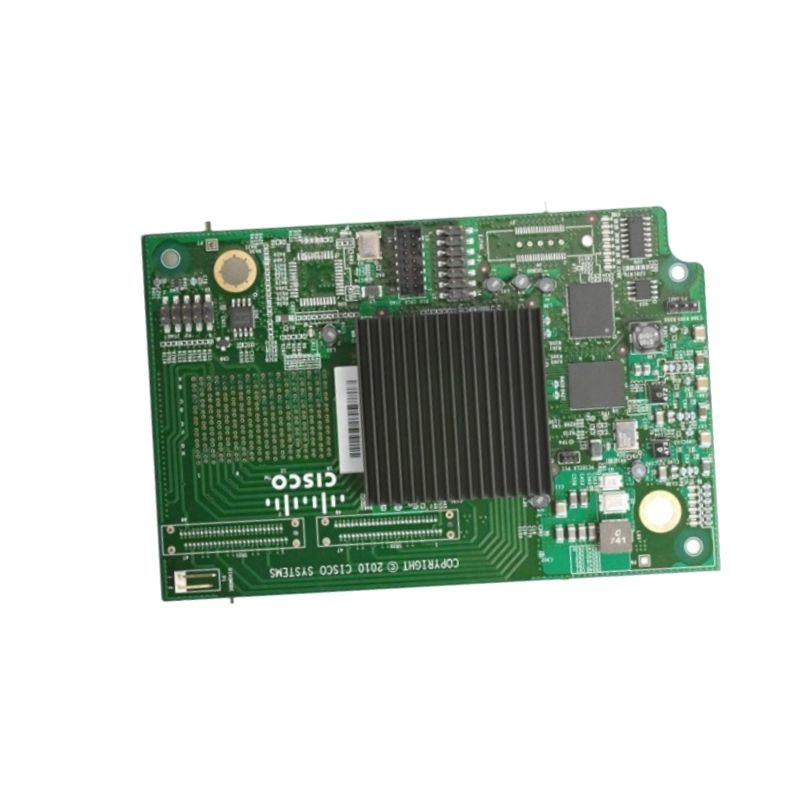
Cisco UCS-VIC-M82-8P UCS Virtual Interface Card Network Adapter. Excellent Refurbished with 1 year replacement warranty
| SKU/MPN | Warranty | Price | Condition | You save |
|---|---|---|---|---|
| UCS-VIC-M82-8P | 1 Year Warranty | $50.00 | Excellent Refurbished | You save: $17.50 (26%) |
| UCS-VIC-M82-8P | 1 Year Warranty | Contact us for a price | Factory-Sealed New Retail in Original Box (FSB) |
The Cisco UCS-VIC-M82-8P Virtual Interface Card Network Adapter is a high-performance networking solution engineered for modern data center environments. Designed to optimize server connectivity within Cisco Unified Computing System (UCS) infrastructures, this advanced adapter delivers flexible, scalable, and efficient I/O performance for enterprise workloads, virtualization platforms, and cloud-ready architectures.
this Virtual Interface Card (VIC) series enhances server efficiency by enabling multiple virtual network interfaces over a single physical connection, significantly reducing hardware complexity while improving throughput and manageability.
The Cisco UCS-VIC-M82-8P Virtual Interface Card Network Adapter represents a high-performance networking solution designed for modern data center environments that require scalable, flexible, and software-defined connectivity. Built for Cisco Unified Computing System architectures, this Virtual Interface Card (VIC) is engineered to optimize server I/O performance, reduce hardware sprawl, and deliver consistent low-latency communication across virtualized workloads.
This category of Cisco VIC adapters plays a critical role in consolidating multiple physical network interfaces into a single, highly efficient adapter that supports virtualization technologies, cloud infrastructures, and enterprise-grade computing workloads. The UCS-VIC-M82-8P model specifically focuses on delivering multi-port connectivity, advanced virtualization capabilities, and seamless integration with Cisco UCS Fabric Interconnects.
The Cisco UCS Virtual Interface Card ecosystem is built around the concept of unified computing, where compute, storage, and networking are integrated into a cohesive infrastructure. The UCS-VIC-M82-8P adapter serves as a bridge between physical servers and the fabric layer, enabling centralized management and dynamic allocation of network resources.
Within enterprise environments, this adapter eliminates the need for multiple discrete network interface cards by consolidating traffic into virtual interfaces that can be dynamically assigned based on workload demands. This significantly simplifies cabling complexity and reduces operational overhead in large-scale deployments.
The adapter is optimized for Cisco UCS Fabric Interconnect environments, where all server traffic is directed through a centralized switching fabric. This architecture enables consistent policy enforcement, streamlined network management, and enhanced scalability for enterprise workloads.
The VIC-M82-8P is designed to support high-bandwidth communication between compute nodes and network fabrics, ensuring predictable latency and optimized throughput for mission-critical applications.
The Cisco UCS-VIC-M82-8P supports multiple virtual network interfaces that can be dynamically created and assigned to virtual machines or containers. This allows a single physical adapter to behave like multiple logical adapters, significantly improving resource utilization efficiency.
Each virtual interface can be configured independently, enabling tailored bandwidth allocation, traffic prioritization, and quality-of-service policies depending on application requirements.
The adapter architecture is engineered to reduce CPU overhead by offloading network processing tasks directly onto the hardware. This includes packet classification, segmentation, and offloading of virtualization-specific networking functions.
By minimizing reliance on host CPU resources, the VIC-M82-8P improves overall system efficiency and enhances application performance in virtualized environments.
The internal processing engine of the Cisco VIC adapter is optimized for low-latency packet forwarding. This ensures that high-performance workloads such as database clusters, analytics platforms, and virtualization farms maintain consistent response times even under heavy traffic loads.
The adapter supports hardware acceleration for common networking tasks, reducing CPU utilization and allowing servers to dedicate more resources to application workloads. This includes support for stateless offloads and virtualization-aware processing functions.
The Cisco UCS-VIC-M82-8P is designed with virtualization environments in mind, supporting secure isolation between multiple tenants or virtual machines. Each virtual interface operates independently, ensuring traffic separation and secure communication channels across shared infrastructure.
This capability is essential in cloud data centers where multiple workloads coexist on the same physical hardware while requiring strict security and performance isolation.
The adapter integrates seamlessly with leading virtualization platforms, enabling dynamic provisioning of virtual NICs. This allows hypervisors to allocate network resources on demand, improving scalability and operational flexibility.
Administrators can define policies that automatically assign bandwidth and interface configurations based on workload profiles, reducing manual configuration effort and improving consistency across environments.
Through software-defined networking integration, the adapter enables real-time adjustments to network interface configurations. This ensures that changing workload demands are met without requiring physical hardware modifications.
The VIC architecture supports live migration of virtual machines without disrupting network connectivity. This is crucial for maintaining uptime in enterprise environments where continuous availability is required.
The Cisco UCS-VIC-M82-8P supports intelligent bandwidth allocation mechanisms that distribute network traffic across available physical resources. This ensures optimal utilization of network capacity and prevents bottlenecks in high-demand environments.
Traffic can be prioritized based on application requirements, allowing critical workloads to receive guaranteed performance levels while maintaining fairness across all network interfaces.
Built-in QoS capabilities enable administrators to define traffic prioritization policies that ensure consistent performance for mission-critical applications. These policies can be applied at the virtual interface level, providing granular control over network behavior.
The adapter is capable of classifying network packets based on predefined rules and assigning priority levels accordingly. This ensures that latency-sensitive applications such as voice, video, and real-time analytics receive preferential treatment.
Advanced congestion management features help maintain stable network performance during peak usage periods by intelligently balancing traffic loads across available paths.
By consolidating multiple network interfaces into a single adapter, the Cisco UCS-VIC-M82-8P significantly reduces the physical hardware footprint within data center racks. This leads to lower power consumption, reduced cooling requirements, and simplified infrastructure management.
Organizations benefit from streamlined deployment models where fewer physical components are required to achieve higher levels of network performance and flexibility.
The VIC architecture is designed to scale seamlessly as enterprise requirements grow. Additional virtual interfaces can be provisioned without requiring hardware changes, allowing organizations to expand network capacity dynamically.
The adapter supports elastic scaling of network resources in response to workload changes. This ensures that infrastructure can adapt to fluctuating demands without performance degradation.
In environments with high-density server deployments, the VIC-M82-8P enables efficient utilization of available PCIe slots while maximizing network connectivity options.
Security is a core component of the Cisco VIC architecture. The UCS-VIC-M82-8P ensures that each virtual interface remains isolated, preventing unauthorized access or data leakage between workloads.
This segmentation is critical in environments that handle sensitive data or operate under strict compliance requirements.
The adapter supports policy-based security enforcement, allowing administrators to define access rules at the virtual interface level. These policies ensure that only authorized traffic is permitted across the network fabric.
Integration with centralized management systems enables consistent enforcement of security policies across all virtual interfaces and connected servers.
While security mechanisms are often handled at higher layers, the VIC architecture supports secure data transmission frameworks that align with enterprise encryption standards.
The Cisco UCS-VIC-M82-8P is managed through centralized UCS management tools, allowing administrators to configure, monitor, and optimize network interfaces from a unified control plane.
This reduces administrative complexity and ensures consistency across large-scale deployments.
Automation is a key advantage of the VIC architecture. Virtual interfaces can be automatically provisioned based on predefined templates, reducing manual configuration errors and accelerating deployment times.
Administrators can define reusable configuration templates that standardize network interface setups across multiple servers and environments.


 Contact Us
 Information
 Catalog
 Solid State Drives (SSD)
 Network Switches
 Hard Disk Drives
 HBA & Controllers
 PC & Servers
 PC & Server Memory
 CPU & Processors
 Network Routers
 Power Supplies
 Tape Drives & Libraries
 Network Devices
 Computer & Network Cables