(7% discount is applied at checkout)
Cart is empty
Your go-to destination for cutting-edge server products
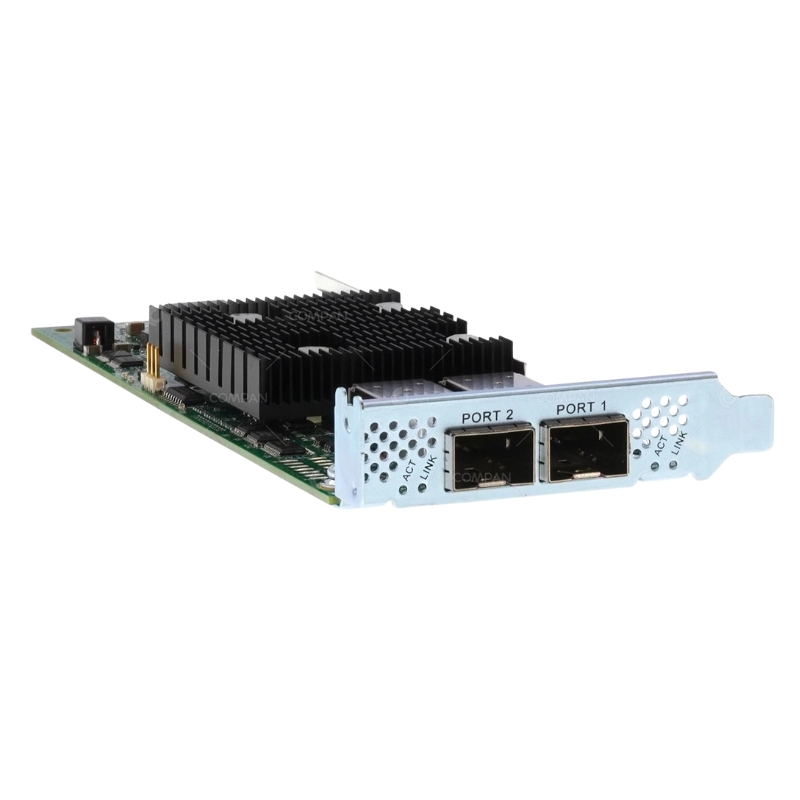


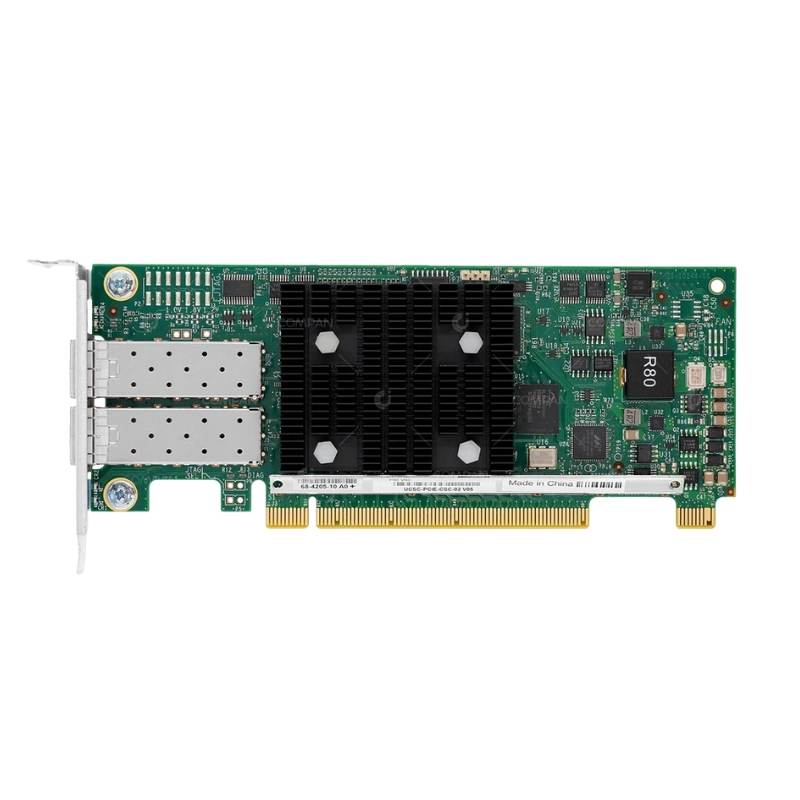
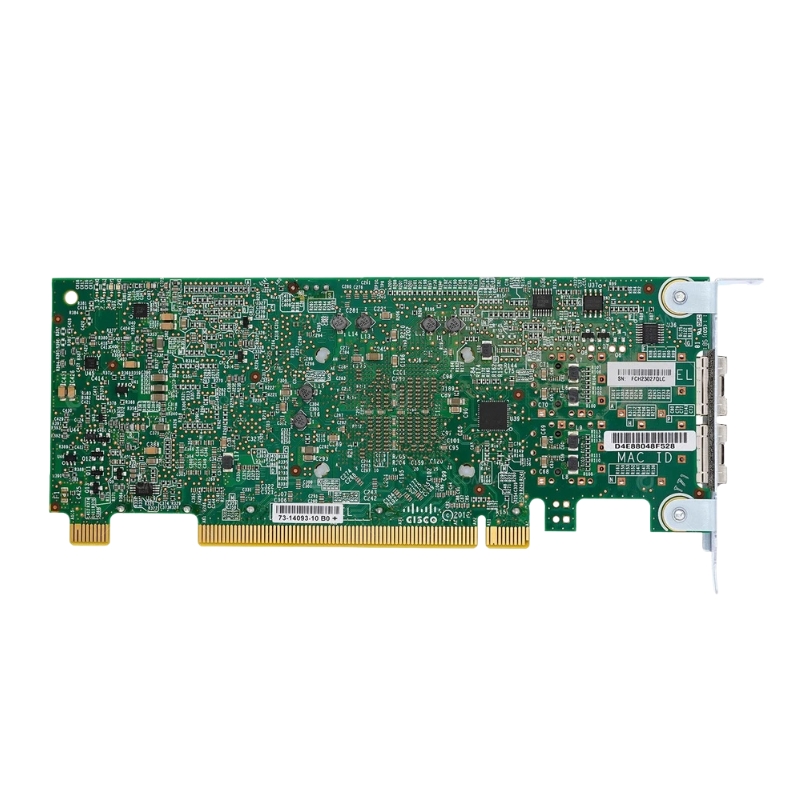
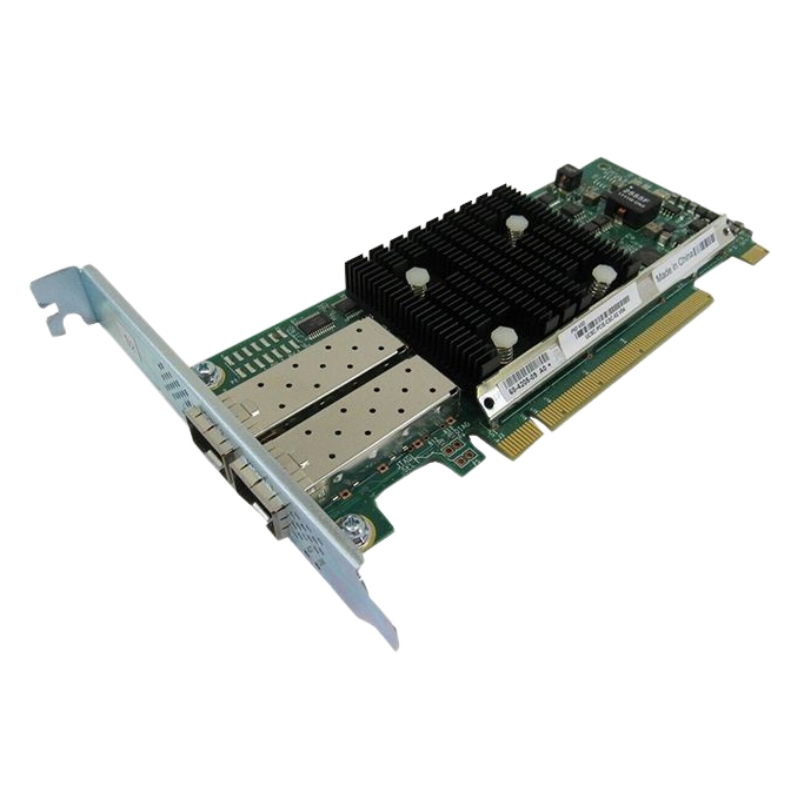
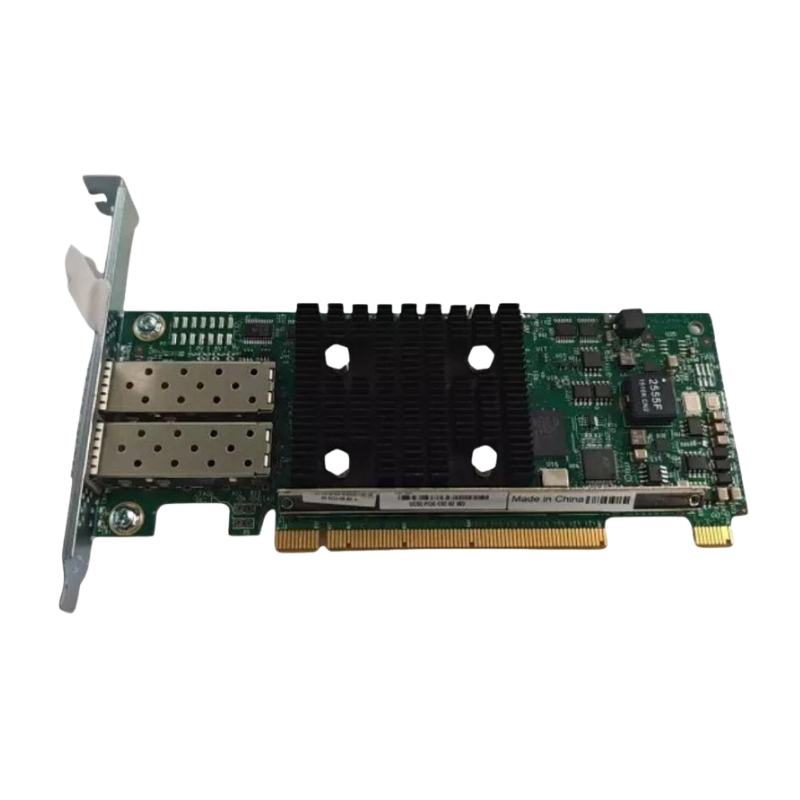
Cisco UCSC-PCIE-CSC-02 2 Ports Virtual Interface Card. Excellent Refurbished with 1 year replacement warranty
| SKU/MPN | Warranty | Price | Condition | You save |
|---|---|---|---|---|
| UCSC-PCIE-CSC-02 | 1 Year Warranty | $48.00 | Excellent Refurbished | You save: $16.80 (26%) |
| UCSC-PCIE-CSC-02 | 1 Year Warranty | $280.00 | Factory-Sealed New Retail in Original Box (FSB) | You save: $98.00 (26%) |
The Cisco UCSC-PCIE-CSC-02 2-Port Virtual Interface Card is a powerful enterprise-grade networking solution engineered to deliver high-speed connectivity, optimized virtualization performance, and advanced data center efficiency. Designed for modern server environments, this plug-in module enhances network throughput while supporting converged networking technologies such as Ethernet and Fibre Channel over Ethernet (FCoE).
The Cisco UCSC-PCIE-CSC-02 2 Ports Virtual Interface Card represents a highly optimized networking component designed for modern data center environments where virtualization, bandwidth efficiency, and unified fabric architecture are essential. This Virtual Interface Card (VIC) is engineered to extend the capabilities of Cisco Unified Computing System (UCS) platforms by enabling flexible network interface provisioning, reduced hardware sprawl, and improved performance consistency across virtualized workloads. As enterprises continue to shift toward cloud-native applications, and software-defined networking, this type of adapter plays a crucial role in ensuring seamless data flow and scalable connectivity.
Built with Cisco’s advanced network abstraction technologies, the UCSC-PCIE-CSC-02 enables administrators to present multiple virtual network interfaces over a limited number of physical ports. This architectural approach reduces complexity while maximizing utilization of server I/O resources. It is particularly well-suited for environments requiring high-density virtualization such as VMware vSphere clusters, Microsoft Hyper-V deployments, and Linux-based container platforms.
The Cisco UCSC-PCIE-CSC-02 Virtual Interface Card is designed to interface directly with server motherboards through a PCI Express slot, ensuring low latency communication between the CPU and network fabric. Its internal architecture is optimized for parallel processing of network packets, allowing it to handle multiple virtual NICs without performance degradation. The PCIe integration ensures high throughput while maintaining efficient power consumption, which is essential for large-scale deployments in energy-sensitive data centers.
By leveraging PCIe-based connectivity, the adapter reduces bottlenecks commonly associated with traditional NIC architectures. The design also allows for scalable bandwidth allocation depending on workload requirements, enabling administrators to dynamically adjust network resources in real time.
At the core of this Virtual Interface Card is Cisco’s virtualization-centric engineering model. The device is built to support multiple virtual network interfaces that can be assigned independently to virtual machines or containers. This eliminates the need for multiple physical network adapters in densely virtualized environments.
Each virtual interface behaves as a dedicated NIC with its own MAC address, bandwidth allocation, and policy control. This abstraction layer allows data centers to maintain strict isolation between workloads while still utilizing shared physical infrastructure efficiently.
One of the defining features of the Cisco UCSC-PCIE-CSC-02 2 Ports Virtual Interface Card is its seamless integration into Cisco Unified Fabric environments. Unified Fabric combines LAN, SAN, and management traffic into a single high-performance network infrastructure. This consolidation reduces the number of switches, cables, and adapters required within a data center.
By supporting unified fabric principles, the VIC allows organizations to simplify network topology while maintaining high levels of performance and redundancy. This results in reduced operational overhead and improved scalability for growing IT environments.
The architecture of the Cisco UCSC-PCIE-CSC-02 is optimized for low latency packet processing, which is critical for applications such as high-frequency trading systems, real-time analytics, and database replication. The card reduces the number of processing hops required between the server CPU and the external network, ensuring faster packet delivery.
This low latency capability also benefits virtual machine migration processes such as live migration and workload balancing across clustered environments. As a result, organizations can achieve higher uptime and better resource utilization without sacrificing performance.
The Virtual Interface Card enables intelligent bandwidth allocation mechanisms that allow administrators to segment network traffic based on workload priority. Critical applications can be assigned higher bandwidth reservations, while background processes utilize remaining capacity efficiently.
This ensures that mission-critical workloads such as ERP systems, cloud databases, and virtualization management platforms maintain consistent performance even under heavy network loads.
The Cisco UCSC-PCIE-CSC-02 is designed to integrate seamlessly with leading hypervisors. In VMware environments, for example, it supports virtual NIC provisioning that aligns with vSphere networking constructs such as distributed switches and network I/O control policies. This enables IT teams to manage virtual networking at scale with minimal configuration overhead.
Similarly, in Microsoft Hyper-V environments, the card supports virtual switch integration, allowing administrators to assign virtual interfaces to different virtual machines without requiring additional physical hardware. This flexibility significantly reduces infrastructure complexity.
Modern cloud-native environments built on Kubernetes and Docker benefit greatly from the abstraction layer provided by the Cisco UCSC-PCIE-CSC-02. Containers often require lightweight and scalable networking solutions, and virtual interface cards provide exactly that.
By enabling dynamic provisioning of virtual interfaces, the card supports microservices architectures where workloads are frequently created, destroyed, or migrated. This ensures consistent network availability regardless of application lifecycle changes.
The Cisco UCSC-PCIE-CSC-02 reduces CPU overhead by offloading network processing tasks to dedicated hardware. This allows server CPUs to focus on application-level computations rather than network packet handling. As a result, overall system efficiency improves significantly in high-density environments.
This offloading capability is especially important in virtualization-heavy infrastructures where CPU cycles are a critical resource. By reducing contention, organizations can run more virtual machines per physical host without degrading performance.
Scalability is a core requirement for modern data centers, and the Cisco UCSC-PCIE-CSC-02 addresses this by enabling flexible expansion of virtual network interfaces without requiring additional physical NICs. This reduces hardware costs and simplifies expansion planning.
As workloads grow, administrators can allocate additional virtual interfaces to existing servers, ensuring that infrastructure can scale in line with business demands without major architectural changes.
Security is a fundamental requirement in shared infrastructure environments, and the Cisco UCSC-PCIE-CSC-02 supports strong traffic segmentation capabilities. Each virtual interface operates independently, ensuring that workloads remain isolated even when sharing the same physical hardware.
This isolation reduces the risk of lateral movement in case of security breaches and helps organizations comply with regulatory frameworks that require strict separation of sensitive workloads.
The card supports policy-based network management, allowing administrators to define rules for traffic flow, bandwidth allocation, and interface behavior. These policies ensure consistent enforcement of organizational security and performance standards across all virtual machines.
Such control is essential in environments handling sensitive data such as financial transactions, healthcare records, or government applications where compliance requirements are strict.
In enterprise data centers, the Cisco UCSC-PCIE-CSC-02 is commonly deployed to support virtualization clusters, storage networks, and application hosting platforms. Its ability to consolidate multiple network interfaces into a single card makes it ideal for high-density server racks.
Organizations benefit from reduced cabling complexity and simplified network management, which translates into lower operational costs and improved uptime.
Cloud providers leverage the Virtual Interface Card to deliver scalable infrastructure-as-a-service (IaaS) offerings. The ability to dynamically allocate network interfaces to tenants ensures efficient multi-tenancy while maintaining strict isolation.
This flexibility is essential for supporting diverse customer workloads with varying performance and security requirements.
High-performance computing clusters rely on low latency and high throughput networking. The Cisco UCSC-PCIE-CSC-02 contributes to these environments by ensuring fast data exchange between compute nodes, which is critical for scientific simulations, AI training workloads, and large-scale data analytics.


 Contact Us
 Information
 Catalog
 Solid State Drives (SSD)
 Network Switches
 Hard Disk Drives
 HBA & Controllers
 PC & Servers
 PC & Server Memory
 CPU & Processors
 Network Routers
 Power Supplies
 Tape Drives & Libraries
 Network Devices
 Computer & Network Cables