(7% discount is applied at checkout)
Cart is empty
Your go-to destination for cutting-edge server products
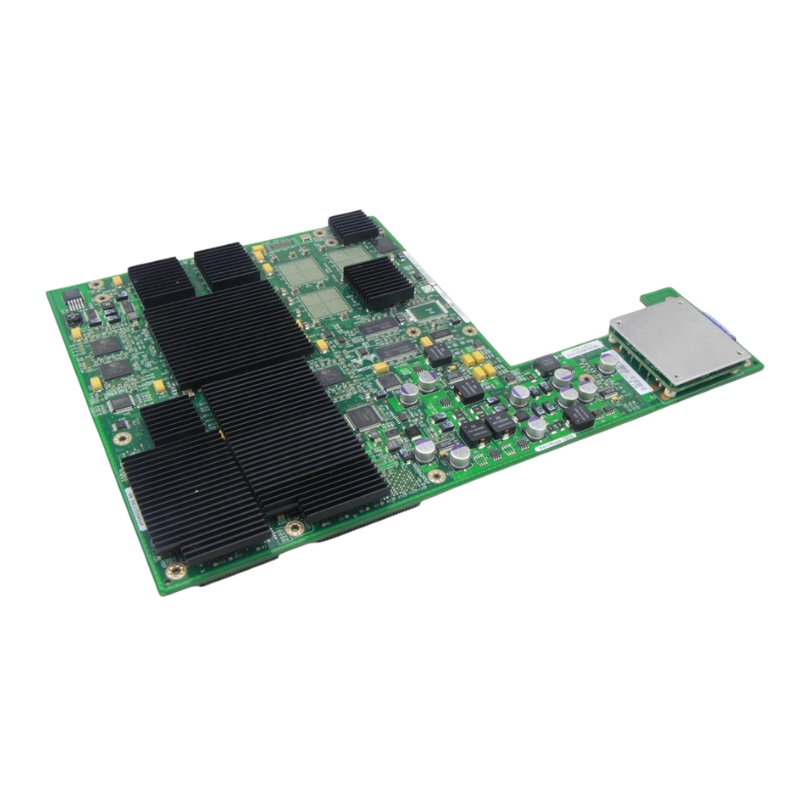


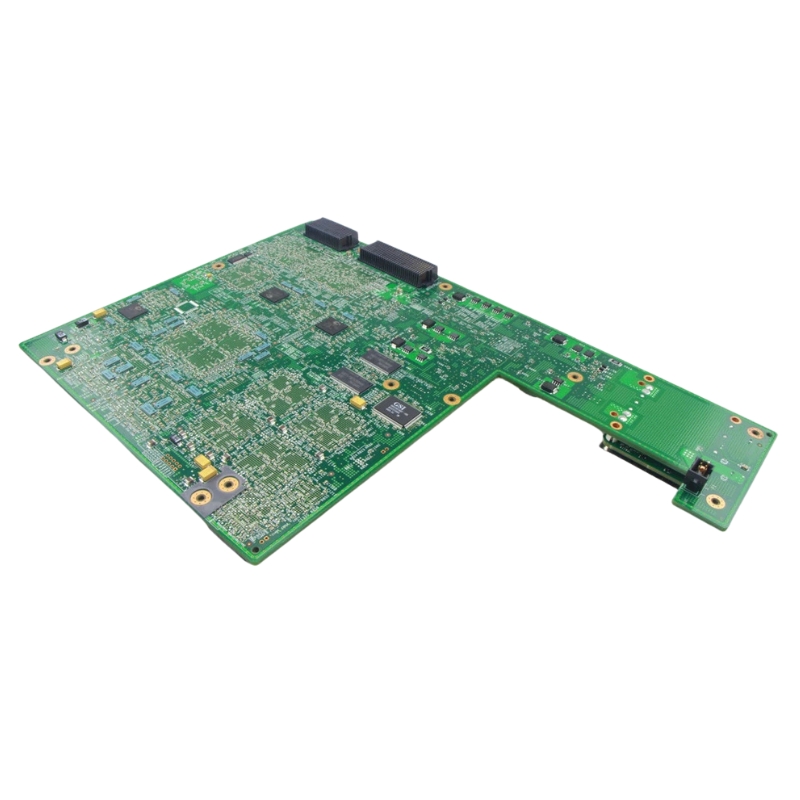
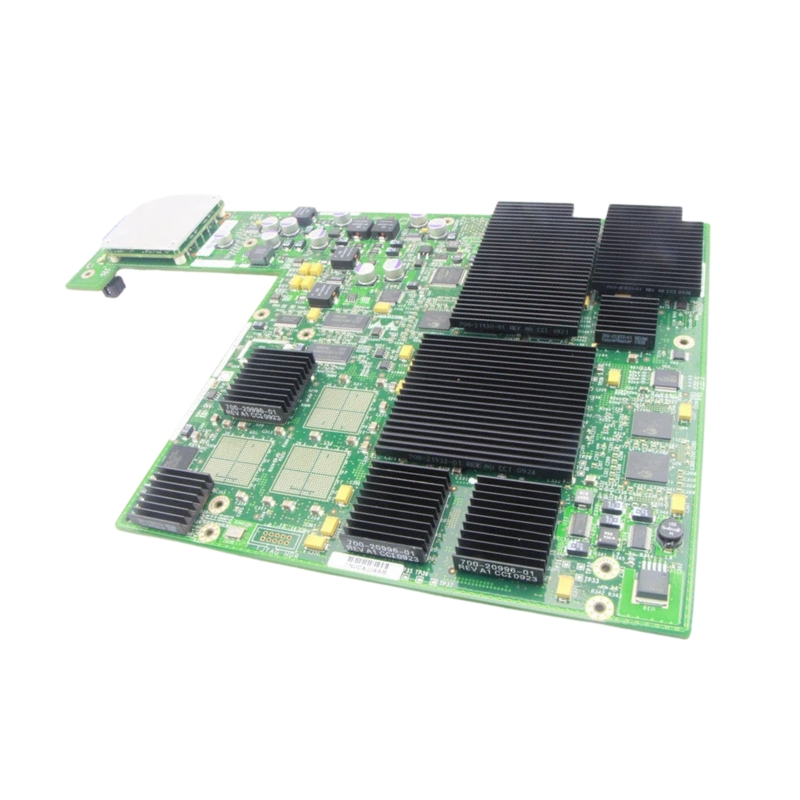
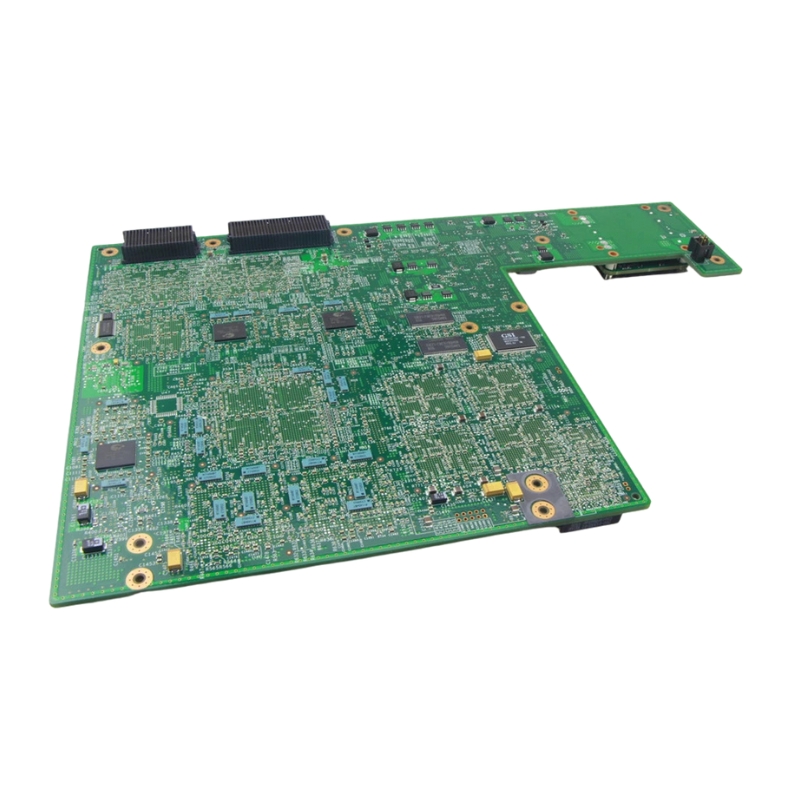
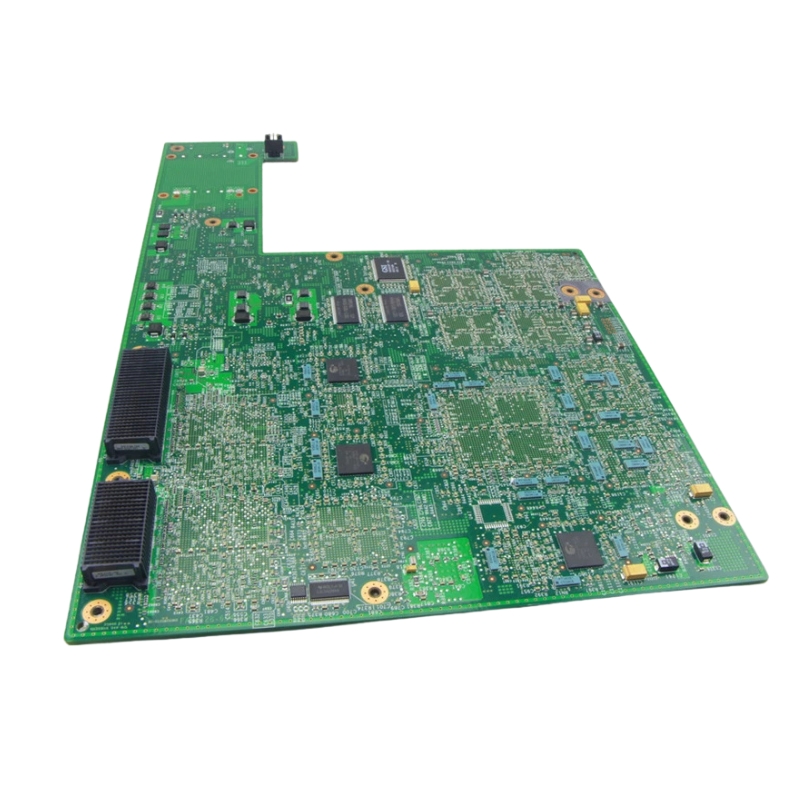
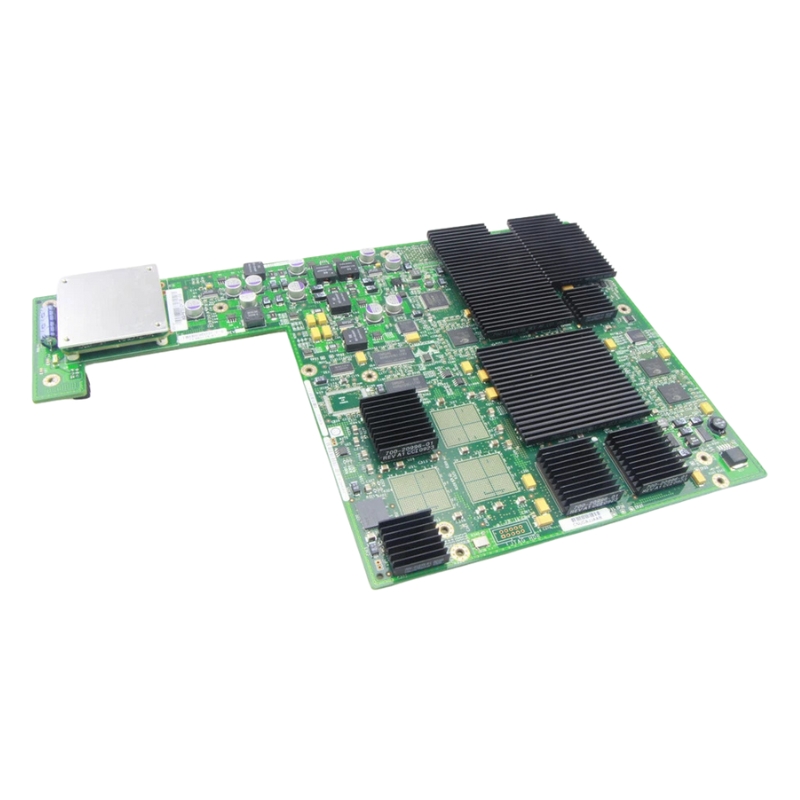
Cisco WS-F6700-DFC3BXL Catalyst Distributed Forwarding Card. Excellent Refurbished with 1 year replacement warranty
| SKU/MPN | Warranty | Price | Condition | You save |
|---|---|---|---|---|
| WS-F6700-DFC3BXL | 1 Year Warranty | Contact us for a price | Factory-Sealed New in Original Box (FSB) | |
| WS-F6700-DFC3BXL | 1 Year Warranty | $195.00 | Excellent Refurbished | You save: $68.25 (26%) |
The Cisco WS-F6700-DFC3BXL Catalyst Distributed Forwarding Card is a high-capacity networking component designed to optimize routing performance and scalability within Cisco Catalyst 6500 Series environments. Built for advanced enterprise and WAN infrastructures, it enhances forwarding efficiency, strengthens protocol handling, and ensures stable operation in large-scale deployments.
Technical Specifications
The Cisco WS-F6700-DFC3BXL Catalyst Distributed Forwarding Card is a high-capacity distributed forwarding module engineered for integration into Cisco Catalyst 6500 Series switches and Cisco 7600 Series routers. It represents an advanced iteration of Cisco’s distributed forwarding technology, designed to significantly enhance packet processing scalability, reduce centralized processing dependency, and enable line-rate forwarding across complex modular switching environments.
Within large enterprise and service provider infrastructures, the WS-F6700-DFC3BXL plays a critical role in enabling each line card to independently perform hardware-based forwarding decisions. By distributing forwarding intelligence across multiple modules, the architecture eliminates traditional bottlenecks associated with centralized switching engines. This ensures that even in high-throughput environments involving multi-gigabit or multi-terabit traffic flows, forwarding performance remains consistent and predictable.
The “BXL” designation typically indicates enhanced memory capacity and improved forwarding table scalability compared to earlier DFC variants, making it particularly suitable for environments with large routing tables, extensive access control policies, and high session density.
The WS-F6700-DFC3BXL operates within Cisco’s distributed forwarding architecture, where packet forwarding decisions are executed locally on each line card rather than centrally on the supervisor engine. This model is built around the principle of decoupling the control plane from the data plane.
The supervisor engine is responsible for maintaining routing protocols, topology computation, and policy definition, while the DFC modules replicate this information into local hardware tables. Once synchronized, the DFC performs high-speed lookups to determine packet forwarding paths without requiring supervisor intervention.
This decentralized approach ensures that packet forwarding latency remains extremely low, even under heavy network load. It also allows system scalability to increase linearly as additional DFC-equipped line cards are installed in the chassis.
The WS-F6700-DFC3BXL is built around specialized ASICs designed for deterministic, wire-speed packet forwarding. These ASICs are optimized to perform simultaneous lookups across multiple forwarding databases, including Layer 2 MAC tables, Layer 3 IP routing tables, multicast forwarding entries, and access control lists.
A key enhancement of the BXL variant is its expanded memory architecture. This allows for significantly larger forwarding information bases (FIBs) and adjacency tables, making it suitable for environments with large-scale Internet routing tables or highly segmented enterprise networks.
High-speed embedded memory systems ensure that forwarding decisions are executed within nanosecond-level timeframes. This is critical in maintaining consistent throughput across high-density interfaces and preventing packet drops during peak traffic conditions.
One of the primary benefits of the WS-F6700-DFC3BXL is its ability to deliver line-rate forwarding across all supported interfaces without relying on centralized processing. This is particularly important in Catalyst 6500 and 7600 deployments where multiple high-speed interfaces operate simultaneously.
By executing forwarding decisions locally, the DFC reduces the load on the supervisor engine and ensures deterministic performance even during traffic spikes. This architecture eliminates performance bottlenecks that are common in centralized forwarding systems.
In environments such as data center aggregation layers or service provider edge routers, this capability ensures uninterrupted service delivery and stable latency profiles across diverse traffic types.
The WS-F6700-DFC3BXL integrates seamlessly into Cisco Catalyst 6500 and Cisco 7600 modular systems. These platforms rely on a high-speed switching fabric that connects line cards, supervisor engines, and service modules.
Each DFC-equipped line card maintains synchronization with the supervisor engine through periodic updates that distribute routing tables, policy information, and forwarding rules. Once installed, the DFC operates independently for most forwarding tasks while still remaining aligned with the central control plane.
The switching fabric enables efficient inter-line-card communication, ensuring that packets destined for different modules are forwarded quickly and efficiently without unnecessary processing overhead.
When a packet enters a DFC-enabled line card, it is immediately processed by ingress ASICs that extract header information and classify traffic type. This includes identifying source and destination addresses, protocol types, and quality-of-service markings.
The WS-F6700-DFC3BXL then performs a hardware-accelerated lookup in its local forwarding tables to determine the appropriate egress interface. If the destination resides on the same line card, the packet is switched internally without traversing the chassis fabric.
If the destination is located on another module, the packet is forwarded across the switching fabric to the appropriate line card, where it undergoes minimal additional processing before being transmitted.
This efficient pipeline ensures minimal latency and maximum throughput across all traffic flows.
The expanded capacity of the WS-F6700-DFC3BXL makes it particularly suitable for large-scale deployments where routing table size and session density are significant factors. Service provider edge routers often handle full Internet routing tables, requiring high-capacity forwarding engines capable of maintaining millions of routes.
The BXL variant’s enhanced memory architecture allows it to store larger forwarding tables without performance degradation. This ensures that routing lookups remain fast and deterministic even as network complexity increases.
In enterprise environments, this scalability supports large multi-tenant architectures, campus segmentation, and hybrid cloud connectivity models.
The WS-F6700-DFC3BXL supports advanced Quality of Service mechanisms implemented directly in hardware. Traffic is classified at ingress and assigned to appropriate hardware queues based on configured policies.
These queues are managed using scheduling algorithms that ensure high-priority traffic such as voice and video receives preferential treatment over best-effort data traffic. This is essential in converged network environments where multiple application types share the same infrastructure.
Because QoS enforcement occurs at the hardware level, performance remains consistent even under heavy traffic loads, preventing congestion from degrading critical services.
Security policies are enforced directly within the WS-F6700-DFC3BXL hardware, enabling high-speed access control list processing without impacting forwarding performance. ACLs are stored in hardware tables that allow rapid comparison against incoming packet headers.
This ensures that unauthorized traffic is filtered at wire speed, even in high-throughput environments. The distributed nature of the architecture ensures that security policies are consistently applied across all line cards.
In large enterprise deployments, this capability supports segmentation strategies, regulatory compliance, and internal threat containment without introducing performance bottlenecks.
High availability is a core design principle of Catalyst modular systems equipped with WS-F6700-DFC3BXL modules. In redundant supervisor configurations, forwarding state is synchronized to ensure continuity during failover events.
If a supervisor engine fails or transitions to standby mode, DFC-equipped line cards continue forwarding traffic using locally stored forwarding information. This minimizes disruption and ensures continuous network operation.
Redundant fabric paths and modular architecture further enhance resilience, allowing traffic to be rerouted dynamically in the event of hardware failure.
The WS-F6700-DFC3BXL supports rapid convergence by quickly updating forwarding tables in response to routing protocol changes. Protocols such as OSPF, EIGRP, and BGP generate updates that are processed by the supervisor engine and distributed to all DFC modules.
This ensures that forwarding decisions remain accurate even during network topology changes. Fast convergence is essential in minimizing packet loss and maintaining service continuity in dynamic network environments.
Troubleshooting in distributed forwarding environments involves analyzing both control plane and data plane operations. The WS-F6700-DFC3BXL provides diagnostic capabilities that allow engineers to verify forwarding table consistency and hardware utilization.
By comparing expected routing behavior with actual packet forwarding paths, network administrators can identify misconfigurations, hardware issues, or policy conflicts. This improves operational efficiency and reduces mean time to resolution in complex networks.
The Cisco WS-F6700-DFC3BXL Catalyst Distributed Forwarding Card serves as a foundational component in modern high-performance network architectures. Its ability to deliver scalable, hardware-accelerated forwarding enables organizations to build resilient, high-capacity networks capable of supporting cloud computing, virtualization, and mission-critical applications.
By combining expanded memory capacity, advanced ASIC processing, and distributed architecture principles, the WS-F6700-DFC3BXL ensures that Catalyst-based systems remain capable of meeting evolving networking demands in both enterprise and service provider environments.


 Contact Us
 Information
 Catalog
 Solid State Drives (SSD)
 Network Switches
 Hard Disk Drives
 HBA & Controllers
 PC & Servers
 PC & Server Memory
 CPU & Processors
 Network Routers
 Power Supplies
 Tape Drives & Libraries
 Network Devices
 Computer & Network Cables