(7% discount is applied at checkout)
Cart is empty
Your go-to destination for cutting-edge server products
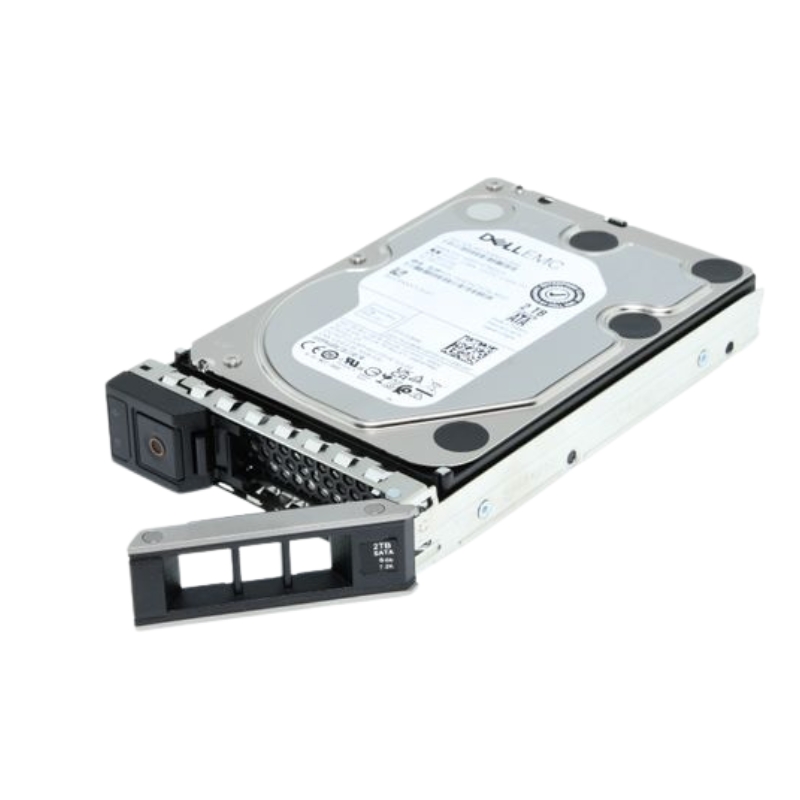


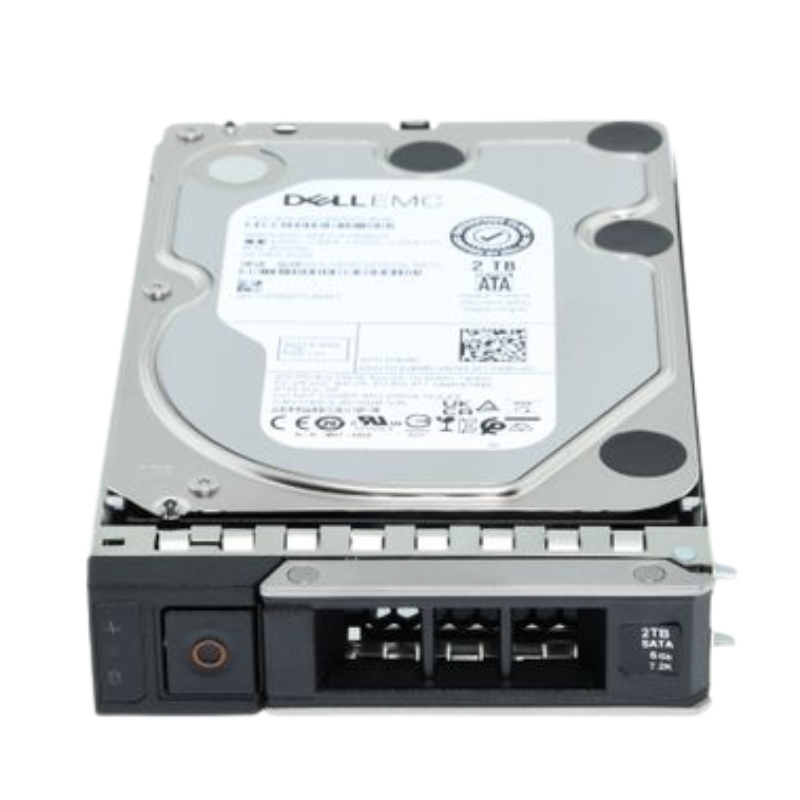
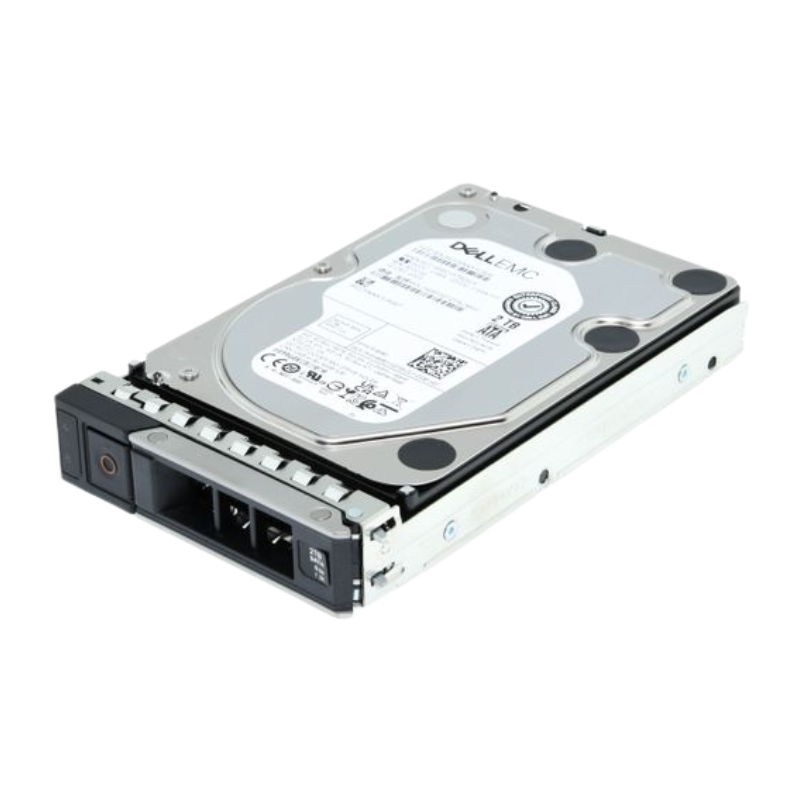
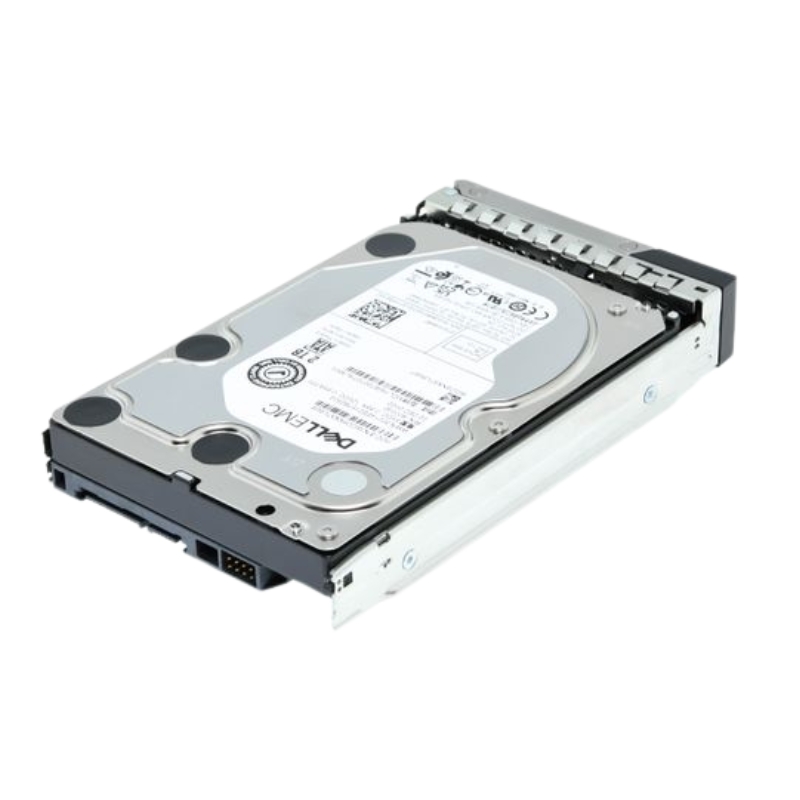
Dell 0835R9 2TB 7.2K RPM SATA-6GBPS 64MB Buffer 3.5inch Hard Disk Drive With Tray For Poweredge T710 Server. Excellent Refurbished with 1 year replacement warranty
| SKU/MPN | Warranty | Price | Condition | You save |
|---|---|---|---|---|
| 0835R9 | 1 Year Warranty | $161.00 | Excellent Refurbished | You save: $56.35 (26%) |
| 0835R9 | 1 Year Warranty | $271.00 | New Sealed in Box (NIB) | You save: $94.85 (26%) |
The Dell 0835R9 enterprise-grade hard disk drive is engineered for dependable server storage, consistent throughput, and long-term operational stability in demanding IT environments. Designed with a 3.5-inch form factor and bundled with a compatible tray, this SATA 6Gb/s storage solution is ideal for Dell PowerEdge and PowerVault systems requiring reliable data access and scalable capacity.
Performance
The Dell 0835R9 PowerEdge T710 3.5-inch Hard Disk Drive with tray belongs to a specialized category of enterprise-grade server storage components designed for robust performance, high availability, and long-term operational stability in data center environments. This category primarily focuses on hot-swappable internal storage drives used within Dell PowerEdge T710 server systems, where reliability, scalability, and continuous uptime are critical requirements. Built for enterprise workloads, virtualization environments, database systems, and storage-intensive applications, these hard disk drives (HDDs) with trays represent a crucial building block in server infrastructure where consistent data access and redundancy are essential.
Within this category, the Dell 0835R9 3.5-inch HDD with tray is engineered to meet enterprise standards, ensuring compatibility with Dell PowerEdge T710 server chassis. The inclusion of a dedicated tray or caddy allows seamless hot-swap functionality, enabling administrators to replace or upgrade drives without shutting down the server. This capability is vital for minimizing downtime and maintaining business continuity in mission-critical environments.
The Dell PowerEdge T710 server architecture supports multiple large-form-factor 3.5-inch hard drives arranged in hot-swappable bays. These bays are designed to accommodate SAS (Serial Attached SCSI) and SATA (Serial ATA) enterprise HDDs, depending on the system configuration and controller support. The Dell 0835R9 HDD with tray fits precisely into these bays, ensuring proper alignment, power delivery, and data connectivity through the server backplane.
In enterprise environments, storage architecture is designed for redundancy, scalability, and high throughput. The PowerEdge T710 supports RAID configurations such as RAID 0, RAID 1, RAID 5, RAID 6, and RAID 10, allowing administrators to balance performance and data protection. The hard disk drives in this category are typically deployed in arrays to distribute workloads and protect against hardware failures.
The 3.5-inch form factor is widely used in enterprise servers due to its ability to offer higher storage capacities compared to smaller 2.5-inch drives. The Dell 0835R9 HDD is mounted within a hot-swap tray, often referred to as a caddy, which serves multiple functional purposes beyond physical support. The tray ensures secure mechanical installation, proper airflow alignment, and direct interface connectivity with the server’s backplane system.
The tray design is essential for maintaining operational stability in high-vibration server environments. It also standardizes the drive installation process, making replacement or expansion efficient and error-free. Each tray typically includes mounting points, latch mechanisms, and connector alignment guides that ensure the HDD is securely integrated into the server chassis.
Hot-swap functionality is one of the defining characteristics of the Dell 0835R9 PowerEdge T710 HDD category. This feature allows system administrators to remove and replace hard drives while the server remains powered on and operational. In data centers where uptime is critical, this capability reduces downtime risks and ensures continuous service availability.
The hot-swap process is supported by the server’s backplane and RAID controller, which manage drive detection, synchronization, and rebuild operations automatically. When a drive fails or requires replacement, the system can rebuild data onto a new drive inserted into the tray without interrupting active workloads.
The Dell 0835R9 HDD category is designed to deliver stable performance under sustained workloads. While performance varies depending on spindle speed (commonly 7.2K RPM or higher in enterprise models), SAS-based variants typically offer improved data throughput, lower latency, and enhanced reliability compared to consumer-grade drives.
These drives are optimized for continuous operation in 24/7 environments, making them suitable for applications such as virtualization hosts, file servers, email systems, and transactional databases. The integration with Dell PowerEdge RAID controllers ensures efficient data striping, mirroring, and parity calculations, improving both performance and fault tolerance.
Hard drives in this category typically support SAS or SATA interfaces. SAS drives are preferred in enterprise environments due to their dual-port capability, higher reliability ratings, and better error recovery mechanisms. SATA drives, while more cost-effective, are often used in secondary storage tiers, archival systems, or less performance-critical workloads.
The Dell PowerEdge T710 supports both interfaces depending on the backplane configuration and controller compatibility. This flexibility allows IT administrators to optimize storage infrastructure based on workload requirements, budget constraints, and performance expectations.
A major advantage of using Dell 0835R9 HDDs with trays in PowerEdge T710 systems is their integration into RAID arrays. RAID technology enhances data protection by distributing or duplicating data across multiple drives. In enterprise environments, RAID configurations are essential for preventing data loss due to hardware failure.
RAID 1 provides mirroring for redundancy, RAID 5 balances performance and fault tolerance through parity distribution, and RAID 10 combines mirroring and striping for high performance and reliability. The Dell PERC (PowerEdge RAID Controller) manages these configurations, ensuring that drives installed in trays are automatically recognized and synchronized into existing arrays.
Drives in the Dell 0835R9 category are built to meet stringent enterprise reliability standards, including higher mean time between failures (MTBF) and enhanced vibration tolerance. The tray system also contributes to reliability by reducing physical stress on connectors and ensuring secure placement within the server chassis.
Enterprise HDDs undergo rigorous testing for thermal stability, rotational vibration resistance, and continuous read/write cycles. These factors are essential in data centers where multiple drives operate in close proximity, generating heat and mechanical vibration that can affect performance if not properly managed.
Proper thermal management is a critical aspect of the Dell PowerEdge T710 storage subsystem. The 3.5-inch HDDs installed with trays are positioned to align with the server’s airflow channels. Cooling fans within the chassis regulate temperature by directing airflow across the drive array, ensuring consistent operating conditions.
Overheating can significantly reduce drive lifespan and performance stability. Therefore, enterprise-grade trays are designed to maintain optimal spacing and airflow distribution. This ensures that each Dell 0835R9 HDD operates within recommended temperature thresholds even under heavy workloads.
The Dell PowerEdge T710 server supports multiple drive bays, enabling scalable storage expansion as business requirements grow. The Dell 0835R9 HDD with tray category plays a vital role in this scalability, allowing organizations to incrementally increase storage capacity without replacing existing infrastructure.
This modular approach to storage expansion is particularly beneficial for growing enterprises, cloud service providers, and data-intensive applications. Additional drives can be installed into available bays and integrated into existing RAID arrays or configured as separate storage volumes depending on operational requirements.
Ensuring compatibility between the Dell 0835R9 HDD and the PowerEdge T710 server is essential for stable system performance. Compatibility depends on factors such as interface type (SAS or SATA), firmware version, RAID controller support, and drive capacity limitations imposed by the server architecture.
Using certified Dell components ensures full compatibility and reduces the risk of system errors or performance bottlenecks. Non-certified drives may function but can introduce inconsistencies in performance, monitoring, and firmware integration.
Data integrity is a central focus in the design of Dell 0835R9 HDD systems. Error correction codes (ECC), advanced sector remapping, and predictive failure analysis mechanisms are integrated into enterprise drives to ensure consistent data reliability.
These technologies work together with server-level redundancy mechanisms to prevent data corruption and ensure seamless recovery in case of hardware issues. This layered approach to reliability is essential in enterprise IT infrastructure.


 Contact Us
 Information
 Catalog
 Solid State Drives (SSD)
 Network Switches
 Hard Disk Drives
 HBA & Controllers
 PC & Servers
 PC & Server Memory
 CPU & Processors
 Network Routers
 Power Supplies
 Tape Drives & Libraries
 Network Devices
 Computer & Network Cables