(7% discount is applied at checkout)
Cart is empty
Your go-to destination for cutting-edge server products
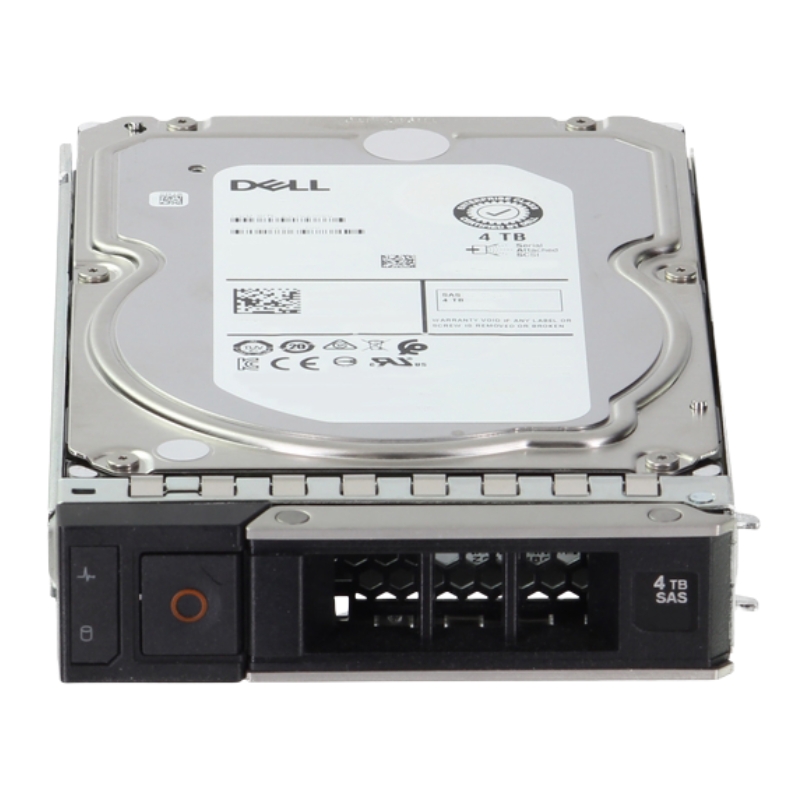


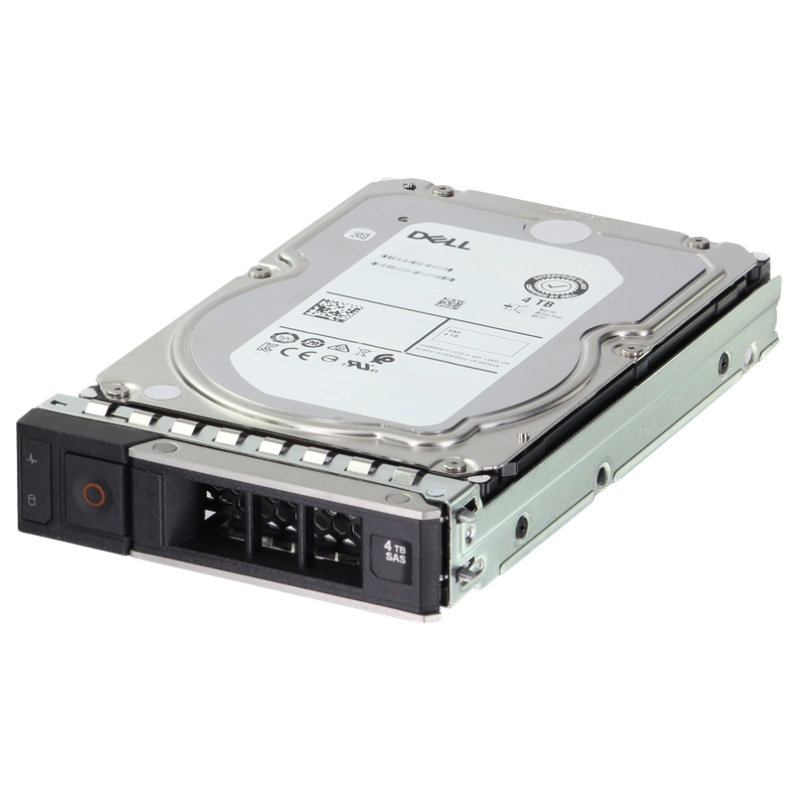
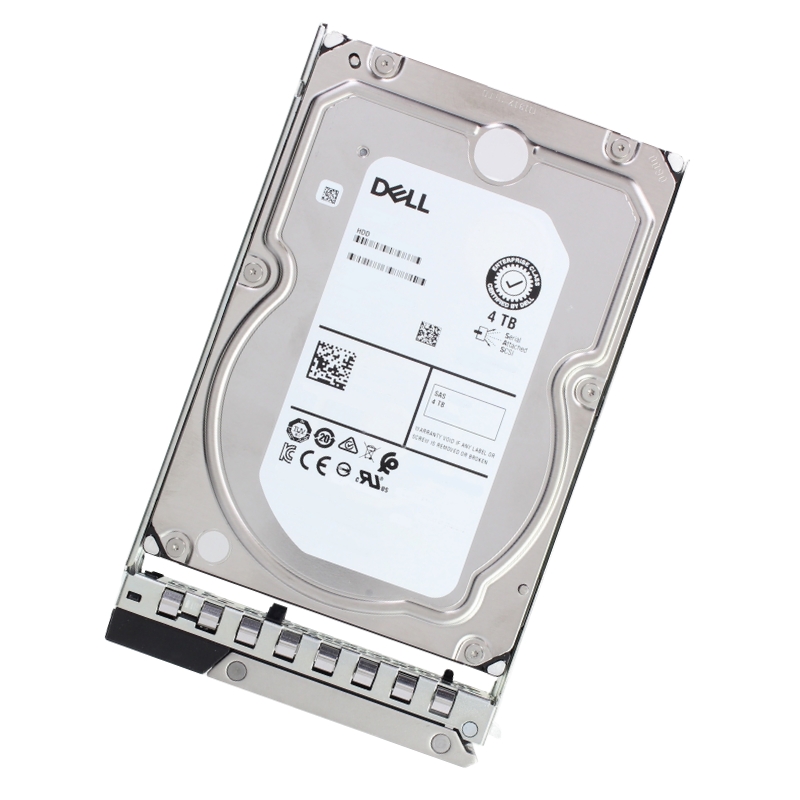
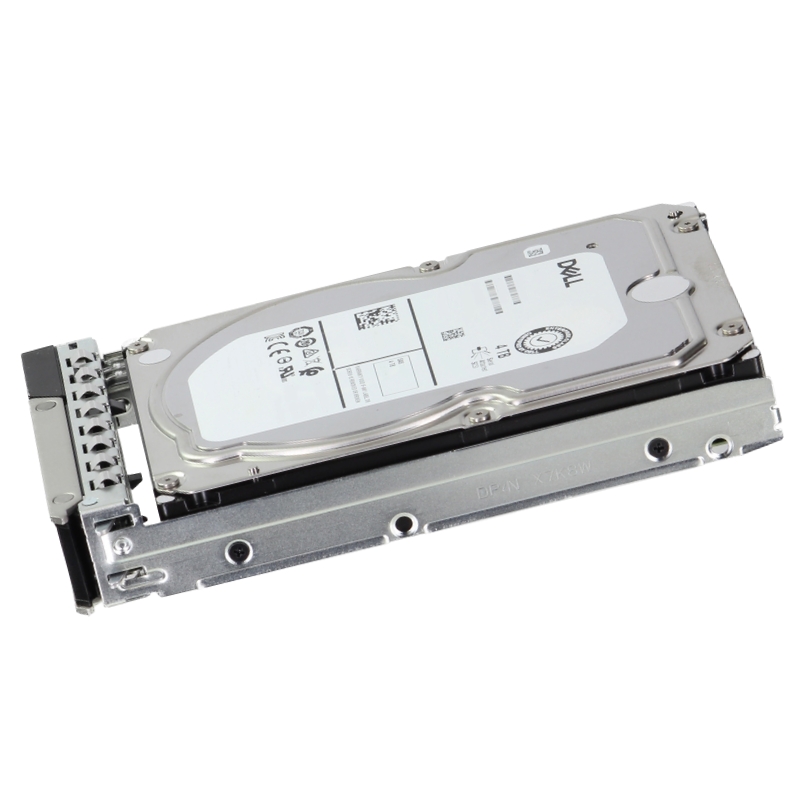
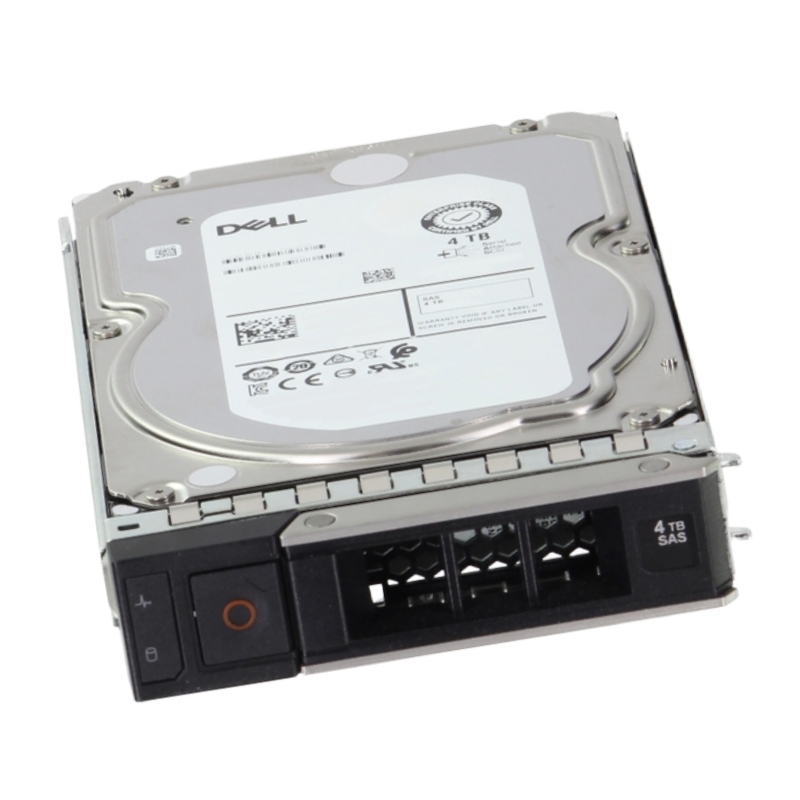
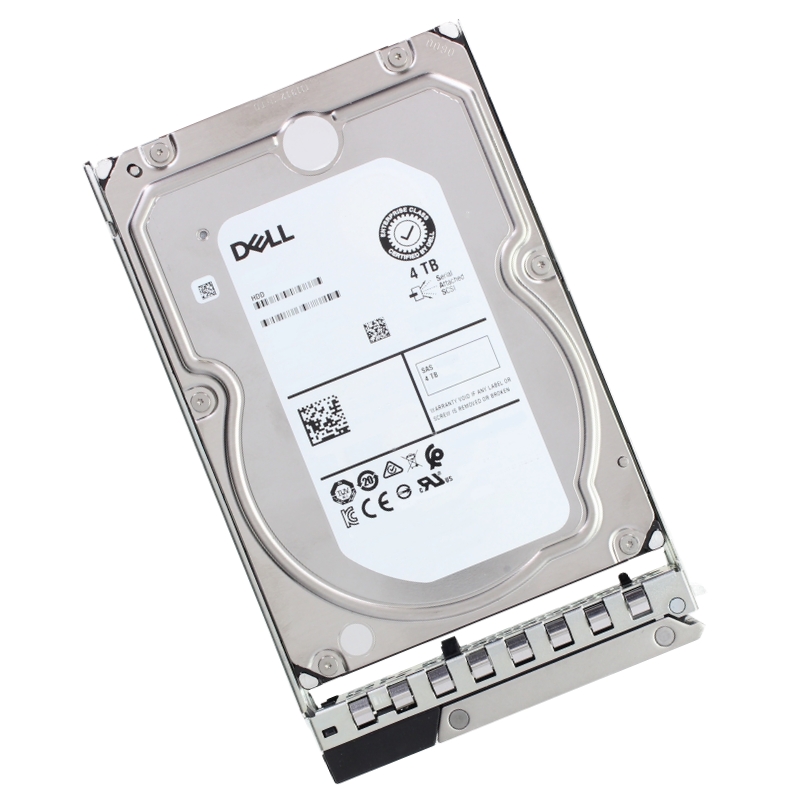
Dell TX8WW 4TB 7.2K RPM SAS 12GBPS Enterprise Hard Drive with Tray. Excellent Refurbished with 1 year replacement warranty
| SKU/MPN | Warranty | Price | Condition | You save |
|---|---|---|---|---|
| TX8WW | 1 Year Warranty | $390.00 | New Sealed in Box (NIB) | You save: $136.50 (26%) |
| TX8WW | 1 Year Warranty | $133.00 | Excellent Refurbished | You save: $46.55 (26%) |
The Dell TX8WW 4TB 7.2K RPM SAS 12Gbps Hard Drive with Tray is engineered for enterprise-level reliability, delivering stable performance and scalable storage capacity for demanding server environments. Designed for hot-plug functionality, this nearline HDD ensures seamless replacement and maintenance without system downtime.
The Dell TX8WW 4TB 7.2K RPM SAS 12Gbps Enterprise Hard Drive with Tray represents a high-reliability storage solution designed for demanding server and data center environments where sustained performance, durability, and predictable latency are essential. Built for enterprise-grade workloads, this hard drive combines a large 4TB storage capacity with a rotational speed of 7200 RPM and a high-speed Serial Attached SCSI (SAS) 12Gbps interface, enabling it to deliver stable throughput in mission-critical applications. Unlike consumer-grade storage devices, this enterprise hard drive is engineered to operate continuously under heavy workloads, making it a core component in scalable IT infrastructures, virtualization platforms, and large-scale storage arrays.
Within modern enterprise infrastructure, SAS-based hard drives like the Dell TX8WW occupy a crucial role in balancing performance, reliability, and cost efficiency. SAS technology is widely adopted in server environments because it provides dual-port connectivity, improved command queuing, and stronger error recovery mechanisms compared to traditional SATA drives. This makes it ideal for mission-critical environments where uptime is essential and data integrity cannot be compromised. The Dell TX8WW integrates seamlessly into enterprise storage ecosystems where redundancy, scalability, and consistent performance are required over extended operational lifecycles.
This hard drive is specifically designed to integrate into compatible Dell server and storage systems using a tray-based hot-swap design. The inclusion of a tray ensures simplified installation and removal, reducing downtime during maintenance or upgrades. In large server deployments, this compatibility enables IT administrators to quickly replace or expand storage without disrupting ongoing operations. The design aligns with Dell PowerEdge server architectures, ensuring firmware compatibility, system recognition, and optimized performance tuning.
The 7200 RPM rotational speed of the Dell TX8WW positions it within a balanced performance tier for enterprise hard drives. While not as fast as high-performance 10K or 15K RPM drives, 7200 RPM models are valued for their combination of capacity efficiency, lower power consumption, and stable sustained throughput. This makes them particularly suitable for workloads that prioritize storage volume and reliability over ultra-low latency. The mechanical architecture allows consistent read and write operations across large datasets without excessive thermal or acoustic overhead.
The 12Gbps SAS interface is a defining feature of this enterprise hard drive. It provides significantly higher bandwidth compared to older SAS generations and SATA alternatives, ensuring that data transfer between the drive and host system remains efficient even under multi-user workloads. SAS architecture also supports full-duplex communication, allowing simultaneous read and write operations, which is essential in virtualized environments and database-driven systems. The dual-port functionality enhances redundancy by allowing multiple paths to the storage device, thereby increasing fault tolerance.
Enterprise SAS drives like the TX8WW implement sophisticated command queuing mechanisms that optimize how data requests are processed. This enables the drive to prioritize and reorder commands for maximum efficiency, reducing bottlenecks during peak usage. In data center environments where hundreds or thousands of requests may occur simultaneously, this feature ensures that performance degradation is minimized and workload distribution remains balanced across storage arrays.
The 4TB capacity of the Dell TX8WW is designed to deliver high-density storage in environments where rack space efficiency is critical. By offering substantial storage in a single drive, organizations can reduce the total number of drives required in their infrastructure, leading to lower maintenance complexity and improved power efficiency. This capacity is particularly useful in environments that handle large volumes of structured and unstructured data, including file repositories, backup systems, and archival storage.
Enterprise databases require reliable storage capable of handling frequent read and write operations without performance degradation. The Dell TX8WW supports such environments by providing predictable latency and stable data throughput. While not designed for ultra-low latency transactional systems like NVMe SSDs, it excels in large-scale database storage where capacity and reliability are prioritized over microsecond response times.
The inclusion of a tray or caddy with the Dell TX8WW is an essential feature for enterprise deployment. The tray ensures that the drive is securely mounted within server bays and allows for tool-less or simplified installation depending on the server chassis design. This reduces the complexity of hardware maintenance and significantly improves serviceability in high-density environments.
Hot-swap functionality allows the drive to be replaced or added without shutting down the system. In enterprise environments where downtime can result in financial loss or operational disruption, this capability is indispensable. The Dell TX8WW supports seamless hot-swapping in compatible systems, enabling administrators to perform maintenance tasks while maintaining continuous system availability.
The tray system is engineered to reduce vibration and mechanical stress on the drive during operation. In data center environments where multiple drives operate in close proximity, vibration damping becomes critical to maintaining long-term reliability. The tray also ensures proper airflow alignment within server chassis, contributing to consistent thermal performance and extended hardware lifespan.
Enterprise hard drives like the Dell TX8WW are designed with high Mean Time Between Failures (MTBF) ratings, reflecting their suitability for continuous operation in demanding environments. This reliability metric indicates the drive’s ability to function over extended periods with minimal risk of failure, making it a trusted component in mission-critical systems where data loss or downtime is unacceptable.
In multi-drive server configurations, vibration is a significant factor that can impact performance and longevity. The Dell TX8WW is engineered with rotational vibration sensors and firmware-level compensation mechanisms that help maintain stability even in densely populated storage arrays. This ensures consistent performance even when dozens of drives operate simultaneously within the same chassis.
The drive is commonly deployed in RAID configurations where data redundancy and performance optimization are required. In RAID environments, multiple drives work together to distribute data across arrays, improving fault tolerance and read/write efficiency. The Dell TX8WW’s consistent performance characteristics make it suitable for RAID 1, RAID 5, RAID 6, and RAID 10 configurations, depending on system architecture and redundancy requirements.
The Dell TX8WW is frequently used in enterprise servers where scalability is a key requirement. As organizations expand their data infrastructure, the ability to add high-capacity drives without disrupting existing systems becomes essential. This drive supports incremental scaling strategies, allowing businesses to expand storage capacity in a cost-effective and controlled manner.
In rack-mounted server environments, space optimization is critical. The 3.5-inch form factor of the Dell TX8WW allows for efficient storage density within standard server racks. Combined with tray-based installation, this enables high-volume deployment across large data center infrastructures where hundreds or thousands of drives may operate simultaneously.
Energy consumption is a significant consideration in large-scale storage environments. The 7200 RPM design of the Dell TX8WW provides a balance between performance and power efficiency, reducing overall operational costs. Additionally, its thermal output is optimized for controlled airflow systems within enterprise chassis, ensuring stable operating temperatures even under sustained workloads.
Within the broader storage hierarchy, the Dell TX8WW occupies a middle-ground position between high-performance SSDs and high-speed 10K or 15K RPM enterprise HDDs. While it does not match the latency of solid-state storage, it offers significantly greater capacity at a lower cost per terabyte. This makes it an ideal choice for cold storage, backup systems, and large-scale data repositories where speed is secondary to capacity and reliability.


 Contact Us
 Information
 Catalog
 Solid State Drives (SSD)
 Network Switches
 Hard Disk Drives
 HBA & Controllers
 PC & Servers
 PC & Server Memory
 CPU & Processors
 Network Routers
 Power Supplies
 Tape Drives & Libraries
 Network Devices
 Computer & Network Cables