(7% discount is applied at checkout)
Cart is empty
Your go-to destination for cutting-edge server products


| SKU/MPN | Warranty | Price | Condition | You save |
|---|---|---|---|---|
| 695507-001 | 1 Year Warranty | $115.00 | New (System) Pull | You save: $40.25 (26%) |
| 695507-001 | 1 Year Warranty | $50.00 | Excellent Refurbished | You save: $17.50 (26%) |
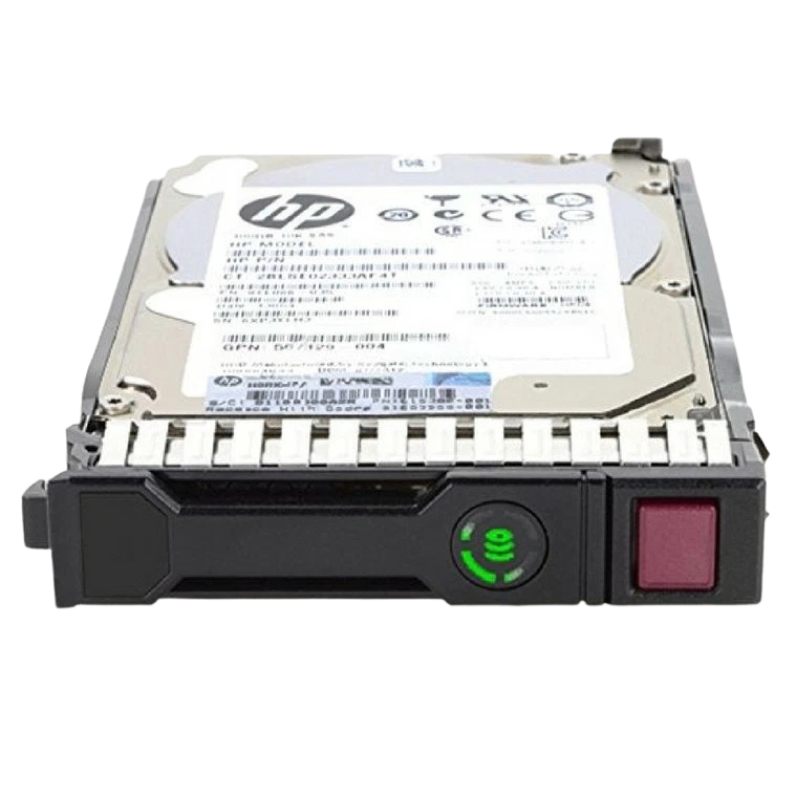
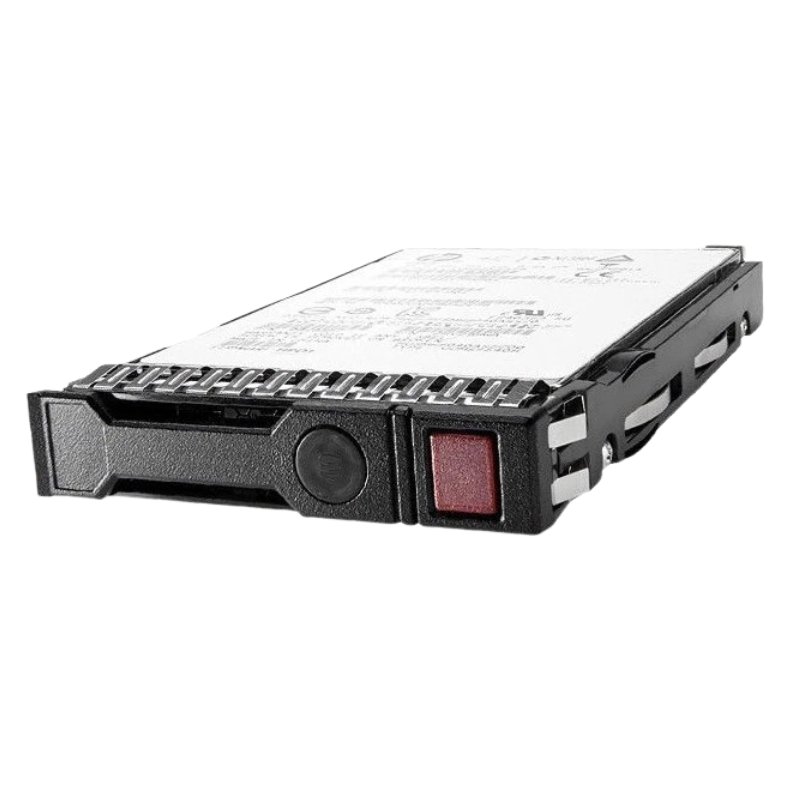
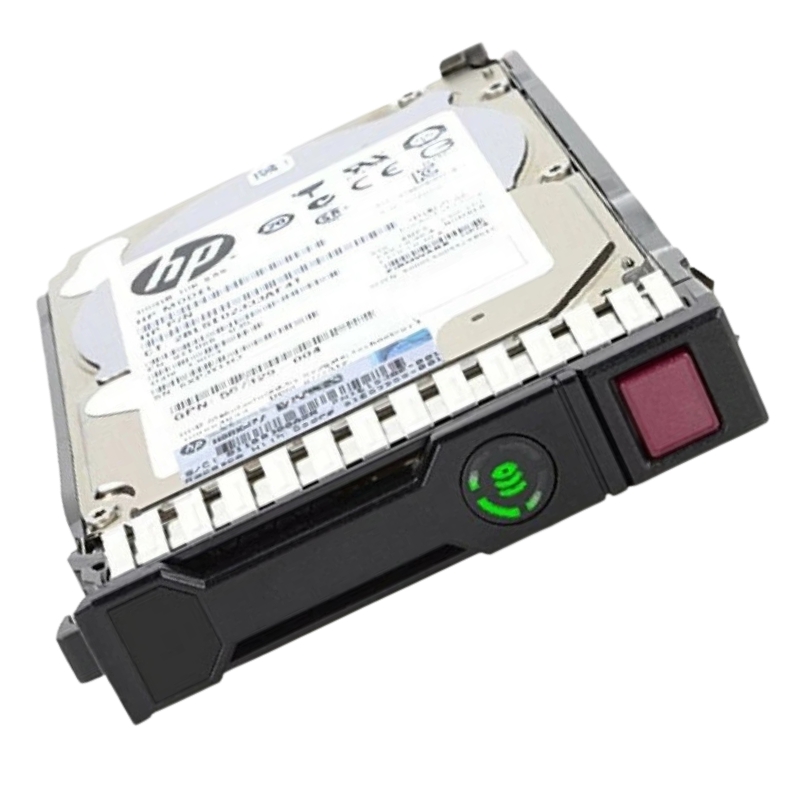
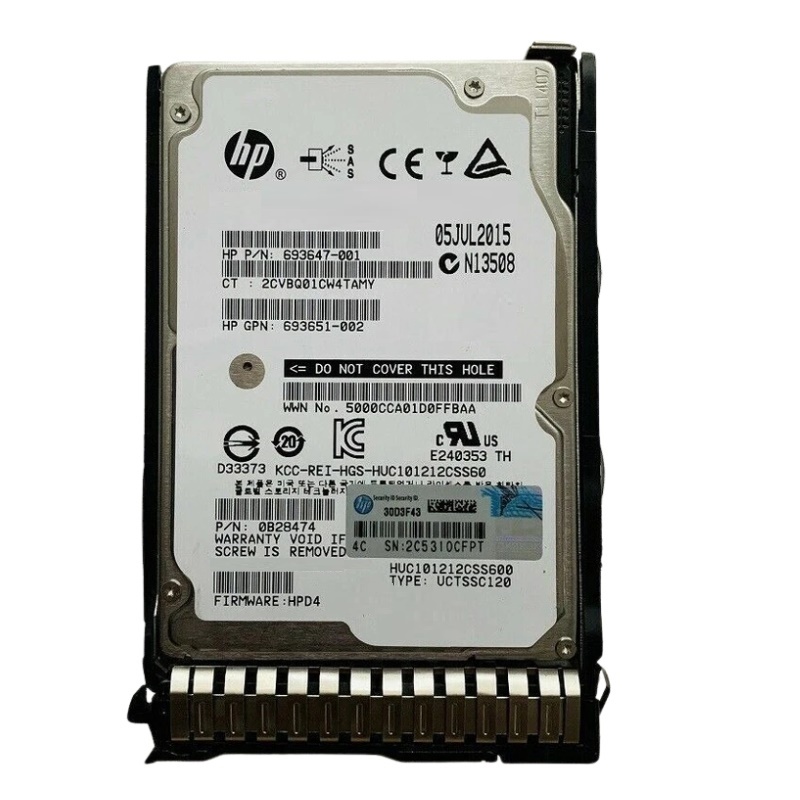
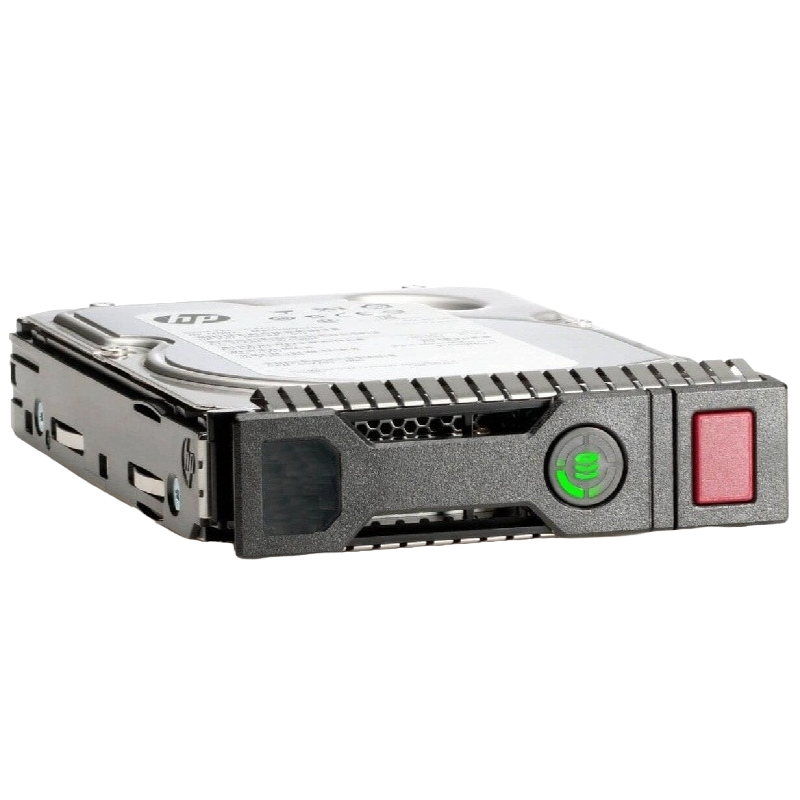
The HPE 695507-001 Enterprise Hard Disk Drive is a reliable midline storage solution designed for scalability and efficiency. With 1TB capacity, dual-port SAS interface, and hot-swap capability, this drive is optimized for HPE ProLiant servers, Storage Arrays, and StoreEasy systems.
The HPE 695507-001 1TB SAS 6GBPS 7.2K RPM Dual Port Hot Swap Hard Drive represents a critical component within enterprise-grade storage infrastructure, designed for mission-critical workloads that require consistent performance, high availability, and resilient data handling. This category of hard drives is widely deployed in data centers, server environments, virtualization platforms, and enterprise storage arrays where reliability and sustained throughput are essential for operational continuity.
HPE 695507-001 1TB SAS 6GBPS 7.2K RPM Dual Port Hot Swap Hard Drive is engineered to support scalable storage expansion while maintaining compatibility with HPE ProLiant servers and enterprise storage systems that depend on Serial Attached SCSI architecture for dependable data transfer performance and fault-tolerant configurations.
The SAS 6Gbps interface integrated into this drive category enables a high-speed, full-duplex communication channel between the storage device and the server backplane. Unlike traditional SATA-based drives, SAS architecture supports dual-port connectivity, which significantly improves redundancy and multipath capabilities. This ensures uninterrupted data flow even in the event of a controller or path failure, making it suitable for high-availability systems.
The SAS protocol also enhances command queuing efficiency, allowing simultaneous processing of multiple read and write requests. This is particularly valuable in enterprise environments where multiple virtual machines or applications generate concurrent I/O operations. The result is a balanced workload distribution and improved system responsiveness under heavy data traffic conditions.
With a 6Gbps transfer rate, this hard drive category ensures a consistent data pipeline capable of handling large-scale enterprise workloads. While not the fastest tier in modern storage hierarchies, the 6Gbps SAS standard remains widely adopted due to its stability, backward compatibility, and predictable performance characteristics in RAID arrays and storage clusters.
This throughput level is particularly suitable for archival storage, backup repositories, and moderately active databases where reliability and cost-efficiency outweigh extreme performance requirements. The balance between speed and endurance makes this category a preferred choice for long-term deployment in structured storage systems.
The 7,200 revolutions per minute spindle speed defines the mechanical performance profile of this drive category. This rotational speed provides a balanced approach between energy efficiency, heat generation, and data access latency. While higher RPM drives exist, 7.2K RPM models are optimized for steady-state workloads where consistent access patterns and sustained throughput are prioritized over ultra-low latency.
The mechanical design ensures reduced vibration levels and improved durability, which is crucial in densely populated server chassis. This allows multiple drives to operate simultaneously without introducing significant acoustic or thermal instability within the system enclosure.
Latency in 7.2K RPM SAS drives is managed through optimized firmware algorithms and caching strategies. These mechanisms help reduce seek times and improve the efficiency of data retrieval operations. In enterprise workloads, this translates to smoother performance for applications such as file serving, virtual machine storage, and backup processing.
One of the defining features of this storage category is its dual-port architecture, which allows simultaneous connection to two separate controllers. This redundancy ensures that if one data path becomes unavailable, the secondary path can immediately take over without disrupting system operations. This capability is essential in environments that require continuous uptime and zero tolerance for downtime.
Dual-port functionality is especially important in clustered storage systems and SAN (Storage Area Network) configurations, where multiple servers may need concurrent access to the same storage resources. This architecture supports failover mechanisms and load balancing, enhancing both reliability and performance consistency.
Multipath I/O capabilities allow operating systems and storage management software to utilize multiple physical paths to the same storage device. This improves fault tolerance and increases aggregate throughput by distributing I/O operations across available channels. In enterprise deployments, multipath configurations are a fundamental requirement for maintaining service continuity.
The 1TB storage capacity offered by this drive category is optimized for balanced workload distribution across RAID arrays and storage pools. It provides sufficient space for operating systems, application data, virtualization images, and backup snapshots while maintaining efficient cost per gigabyte ratios in enterprise deployments.
This capacity is often used in scalable storage architectures where multiple drives are combined to form larger logical volumes. The uniformity of drive size ensures consistent performance and simplified management across storage arrays.
In tiered storage environments, 1TB SAS drives are commonly positioned as mid-tier storage, bridging the gap between high-speed SSDs and high-capacity archival drives. This placement allows organizations to optimize performance and cost simultaneously by allocating workloads based on access frequency and performance requirements.
This drive category is specifically designed for compatibility with HPE ProLiant server platforms, ensuring seamless integration with existing storage backplanes, RAID controllers, and management utilities. This compatibility reduces deployment complexity and ensures optimized performance within HPE-certified infrastructures.
The firmware alignment between the drive and server system ensures that diagnostic tools can accurately monitor drive health, performance metrics, and predictive failure indicators.
HPE storage controllers are optimized to communicate efficiently with SAS drives, enabling advanced RAID configurations and performance tuning. This synchronization improves data throughput, reduces latency, and enhances overall system stability in enterprise deployments.
Thermal management is a critical aspect of enterprise hard drive design. The 7.2K RPM rotational speed contributes to lower heat output compared to higher RPM drives, making it suitable for dense server environments where thermal constraints are significant.
Efficient airflow design in server chassis complements the drive’s thermal profile, ensuring consistent operating temperatures and extending component lifespan.
Power efficiency is another key consideration in enterprise storage planning. These drives are designed to balance performance with energy consumption, reducing operational costs in large-scale deployments where hundreds or thousands of drives may be in use simultaneously.


 Contact Us
 Information
 Catalog
 Solid State Drives (SSD)
 Network Switches
 Hard Disk Drives
 HBA & Controllers
 PC & Servers
 PC & Server Memory
 CPU & Processors
 Network Routers
 Power Supplies
 Tape Drives & Libraries
 Network Devices
 Computer & Network Cables