(7% discount is applied at checkout)
Cart is empty
Your go-to destination for cutting-edge server products


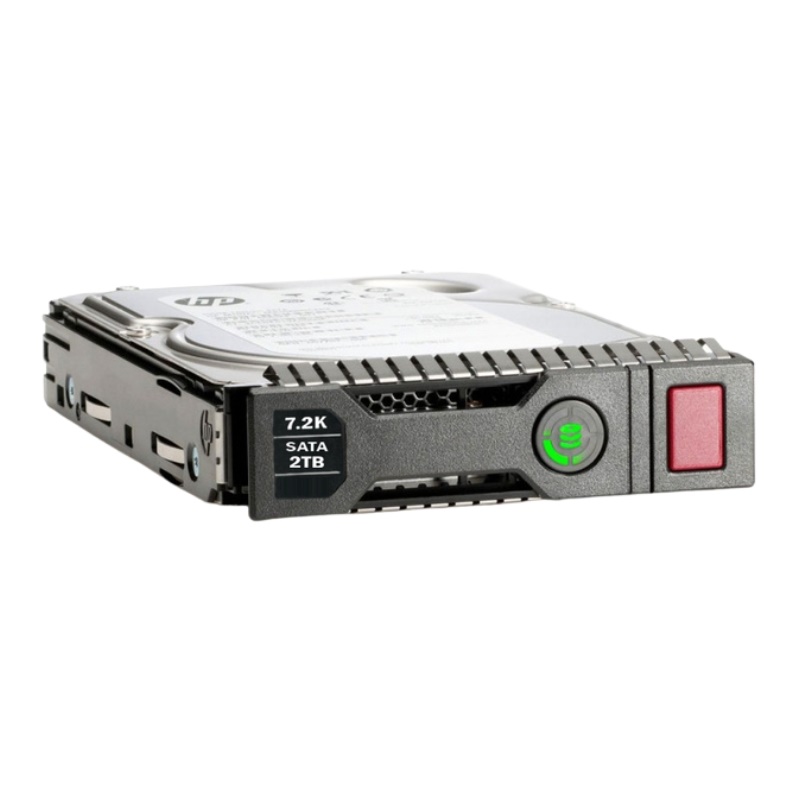
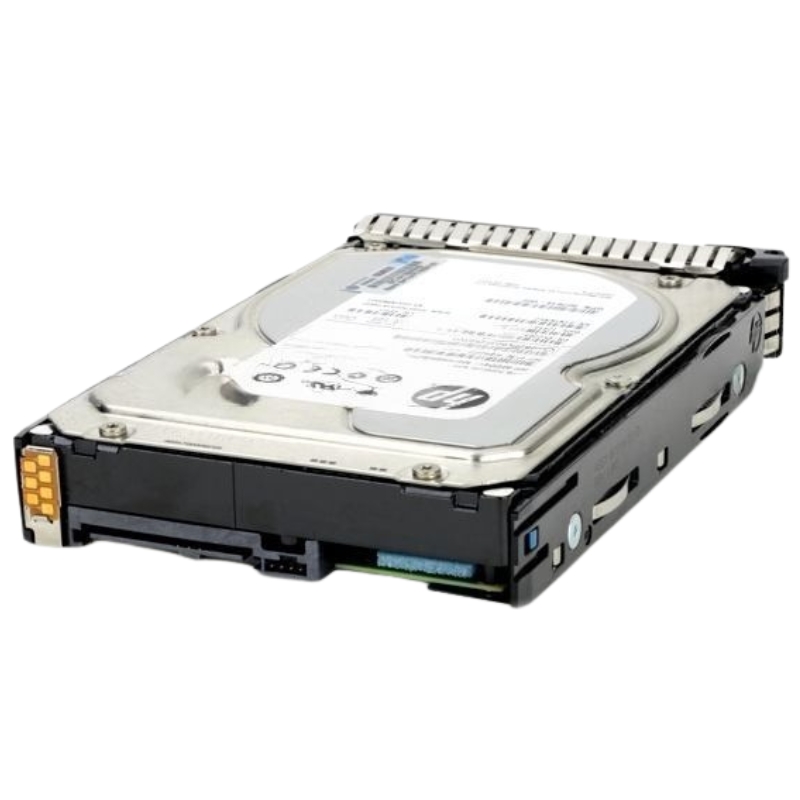
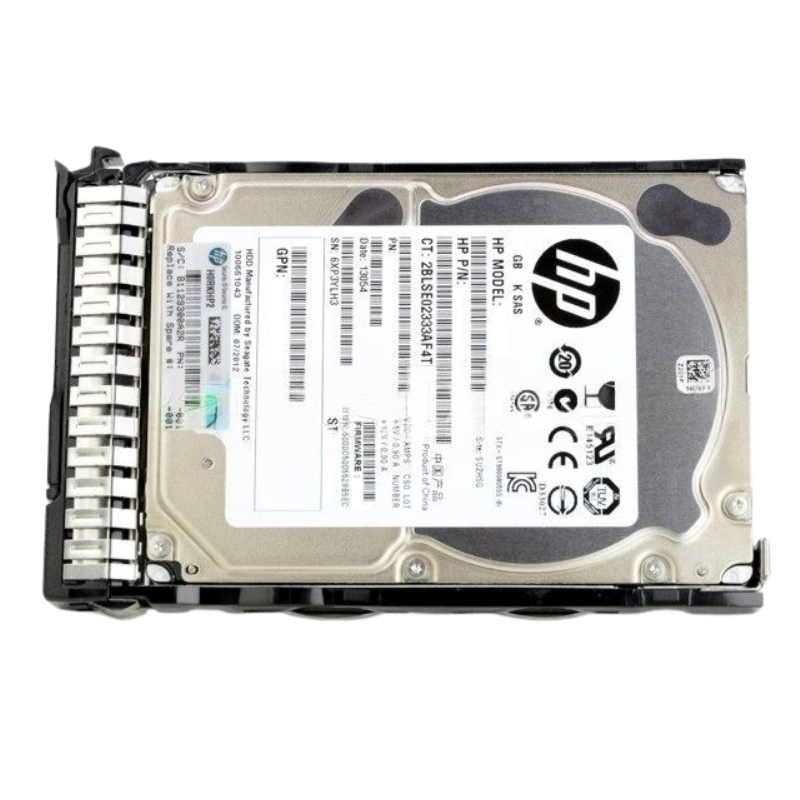
HPE 2TB 7.2K RPM SATA 6GBPS LFF 3.5inch SC Midline Hard Drive 872771-001. Excellent Refurbished with 1 year replacement warranty
| SKU/MPN | Warranty | Price | Condition | You save |
|---|---|---|---|---|
| 872771-001 | 1 Year Warranty | $147.00 | Excellent Refurbished | You save: $51.45 (26%) |
| 872771-001 | 1 Year Warranty | $390.00 | New Sealed in Box (NIB) | You save: $136.50 (26%) |
The HPE 872771-001 is a dependable midline hard disk drive designed for enterprise-level storage environments. Built for scalability and durability, it delivers stable performance for HPE ProLiant server systems. This drive is optimized for continuous enterprise operations requiring reliability and predictable performance. It is suitable for IT infrastructures that demand stable storage functionality over long operational cycles.
The HPE 872771-001 2TB 7.2K RPM SATA 6GBPS 3.5inch LFF SC Midline Hard Disk Drive is engineered for enterprise environments requiring dependable, scalable, and cost effective storage performance. This drive delivers 2TB of storage capacity designed for midline workloads such as backup systems, archival storage, and general enterprise data management. The 7.2K RPM rotational speed ensures balanced performance for sequential and random read/write operations across storage systems. The SATA 6Gbps interface provides stable and efficient data transfer between server systems and storage devices.
The SATA 6Gbps interface ensures efficient and reliable communication between storage drives and enterprise server systems. It supports high bandwidth data transfer suitable for midline workloads. It reduces latency during read and write operations in enterprise environments. It maintains consistent throughput under continuous workloads. It enables stable data flow between multiple storage components. It improves responsiveness of enterprise applications relying on storage systems. It supports large volume data transfer operations efficiently. It enhances overall system performance in storage infrastructures. This interface is widely used in enterprise midline storage systems.
The SATA protocol ensures stable and continuous data transmission across enterprise storage environments. It maintains consistent communication between storage hardware and system controllers. It reduces interruptions during data transfer operations. It ensures accurate synchronization of stored information. It supports uninterrupted enterprise workloads under varying conditions. It enhances reliability during long duration operations. It maintains data consistency across storage systems. It improves system dependability in enterprise environments. This protocol is essential for stable storage communication.
The 7.2K RPM rotational speed delivers balanced performance for enterprise midline storage workloads. It ensures stable access to stored data during read and write operations. It reduces latency during sequential data processing tasks. It supports efficient handling of large datasets in enterprise environments. It maintains consistent mechanical performance under continuous use. It enhances throughput for backup and archival workloads. It ensures stable system behavior during extended operations. It improves reliability for enterprise storage systems. This speed is optimized for midline efficiency.
The 2TB storage capacity provides sufficient space for enterprise data management requirements. It supports backup systems, archival storage, and business applications. It enhances accessibility of stored data in enterprise infrastructures. It improves storage efficiency across IT environments. It reduces the need for frequent storage expansion. It supports workload distribution across systems. It ensures stable data availability for enterprise operations. It enhances scalability in storage infrastructures. This capacity is ideal for midline enterprise storage systems.
The 3.5-inch Large Form Factor design enables high capacity storage deployment in enterprise systems. It supports integration into storage arrays and server enclosures. It allows efficient organization of storage hardware components. It enhances thermal stability in data center environments. It supports high density storage configurations. It improves airflow management within server racks. It ensures compatibility with enterprise hardware platforms. It supports scalable infrastructure deployment. This form factor is essential for enterprise storage systems.
The Smart Carrier system enhances monitoring and management capabilities in enterprise storage environments. It provides visual indicators for drive status and operational health. It simplifies troubleshooting and maintenance tasks. It enables quick identification of hardware issues. It supports hot swap functionality in compatible systems. It improves administrative efficiency in data centers. It enhances visibility of storage operations. It reduces downtime during maintenance procedures. This system improves storage management efficiency.
The drive is optimized for midline workloads requiring consistent and reliable performance. It supports backup systems, archival storage, and general enterprise applications. It ensures stable throughput during continuous operations. It reduces performance fluctuations under varying workloads. It enhances reliability in enterprise environments. It maintains consistent data processing performance. It supports uninterrupted business operations. It ensures efficient handling of stored data. This stability is essential for midline storage systems.
The drive is designed for continuous operation in enterprise environments requiring high availability. It maintains stable performance during long operational cycles. It ensures constant access to stored data. It reduces risks of system downtime. It supports mission critical and non critical workloads. It enhances reliability in data center infrastructures. It ensures consistent system availability. It supports uninterrupted enterprise operations. This reliability is essential for enterprise storage systems.
The drive incorporates thermal stability engineering to maintain optimal operating conditions. It supports efficient heat dissipation in enterprise environments. It reduces overheating risks during continuous workloads. It ensures stable performance across temperature variations. It enhances hardware durability over time. It supports high density storage deployments. It maintains consistent operation during extended usage. It minimizes performance degradation due to heat. This thermal design improves long term reliability.
The drive is designed for energy efficient operation to reduce power consumption in enterprise environments. It ensures balanced energy usage during continuous workloads. It lowers operational costs in data centers. It supports sustainable IT infrastructure practices. It maintains performance without excessive energy demand. It enhances system efficiency across workloads. It supports large scale storage deployments. It ensures optimized energy utilization. This efficiency supports enterprise sustainability goals.
The drive ensures high levels of data integrity during storage and retrieval operations. It maintains accuracy during read and write processes. It supports applications requiring dependable data handling. It reduces risks of data corruption in enterprise systems. It ensures long term reliability of stored information. It maintains consistency across operations. It supports secure enterprise workflows. It ensures availability of accurate data when required. This integrity is essential for enterprise environments.
The drive supports scalable infrastructure expansion in enterprise environments. It integrates seamlessly into existing storage systems. It enables flexible growth of storage capacity. It reduces complexity in system expansion. It supports modular architecture deployment. It enhances adaptability in dynamic IT environments. It ensures efficient resource utilization. It supports long term enterprise planning strategies. This scalability is important for modern storage systems.
The drive delivers consistent performance for enterprise applications requiring stable data access. It supports database systems, virtualization platforms, and business applications. It ensures smooth execution of workloads. It maintains steady throughput across operations. It enhances productivity in enterprise environments. It supports uninterrupted workflow execution. It ensures efficient data processing. It provides reliable storage performance for critical systems. This consistency ensures stable operations.
The drive is capable of handling large volumes of enterprise data efficiently. It supports high intensity workloads without performance degradation. It ensures balanced processing across operations. It reduces variability in data access performance. It supports enterprise scale computing environments. It ensures reliable execution of storage tasks. It maintains stable operation under heavy load conditions. It enhances system reliability in data centers. This capability supports enterprise workloads.


 Contact Us
 Information
 Catalog
 Solid State Drives (SSD)
 Network Switches
 Hard Disk Drives
 HBA & Controllers
 PC & Servers
 PC & Server Memory
 CPU & Processors
 Network Routers
 Power Supplies
 Tape Drives & Libraries
 Network Devices
 Computer & Network Cables