(7% discount is applied at checkout)
Cart is empty
Your go-to destination for cutting-edge server products
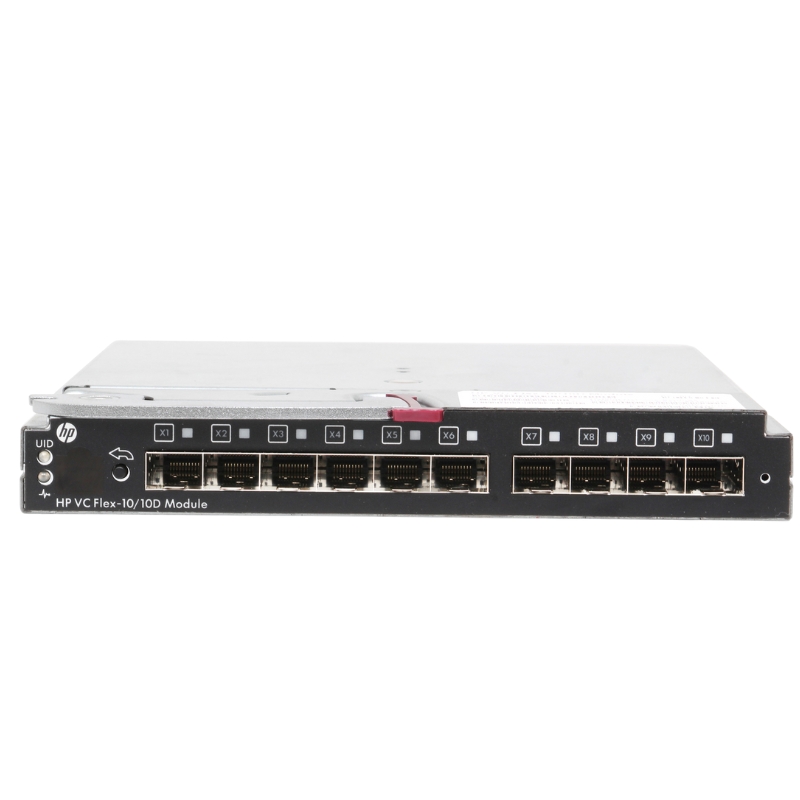


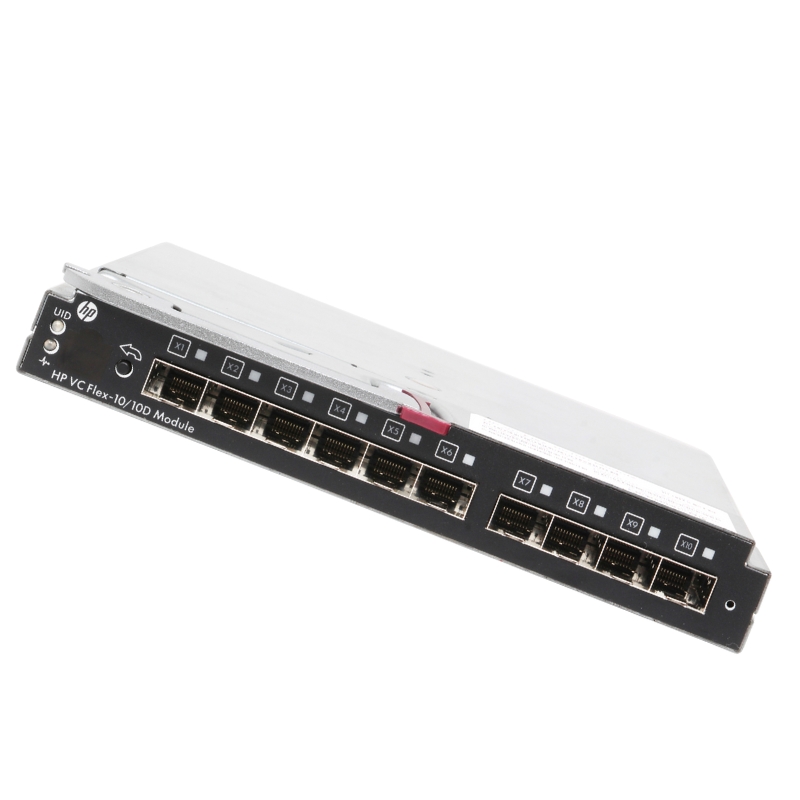
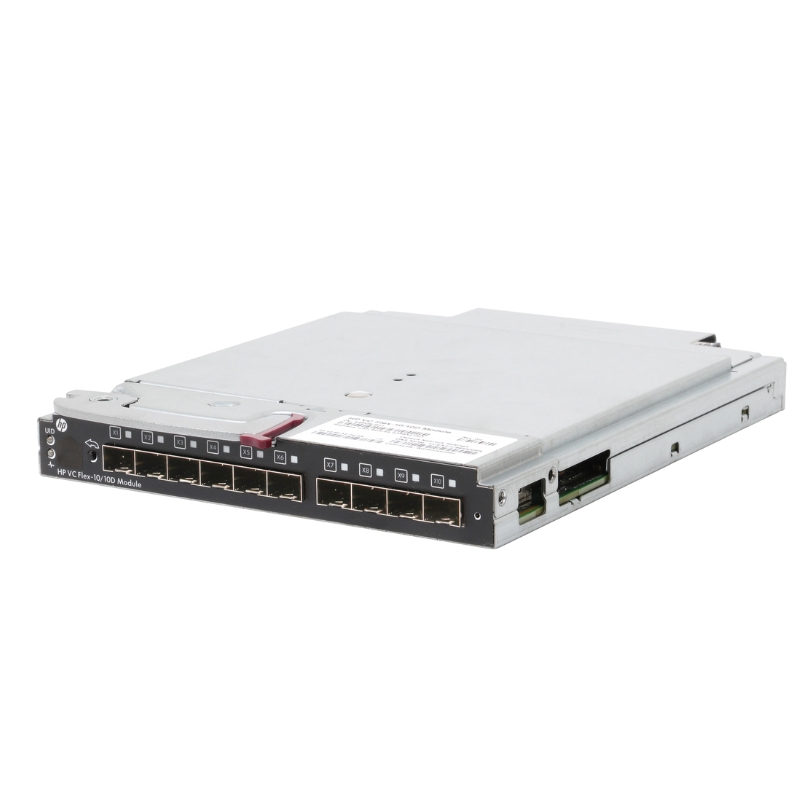
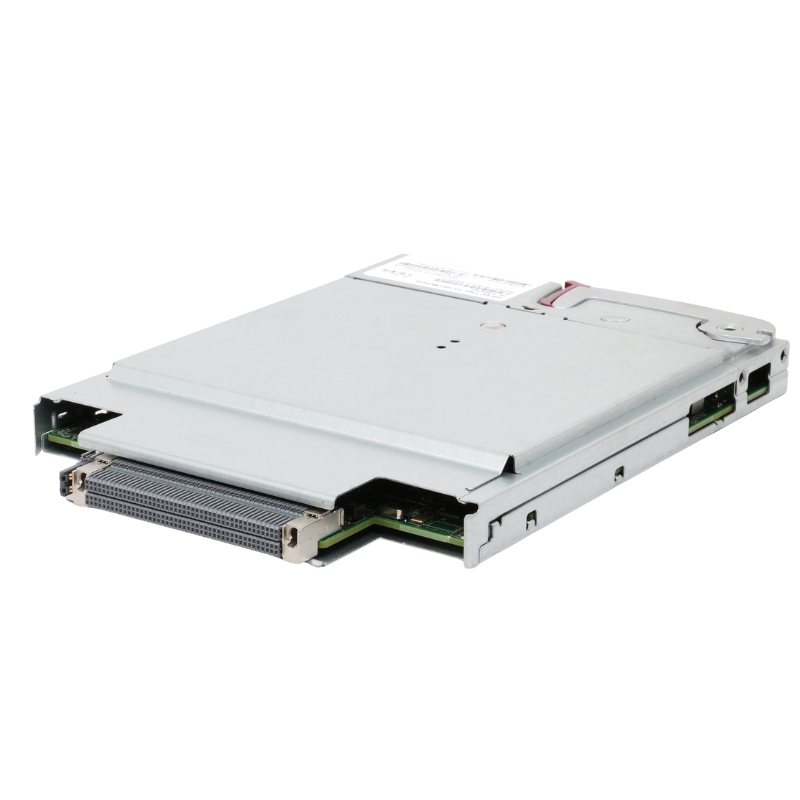
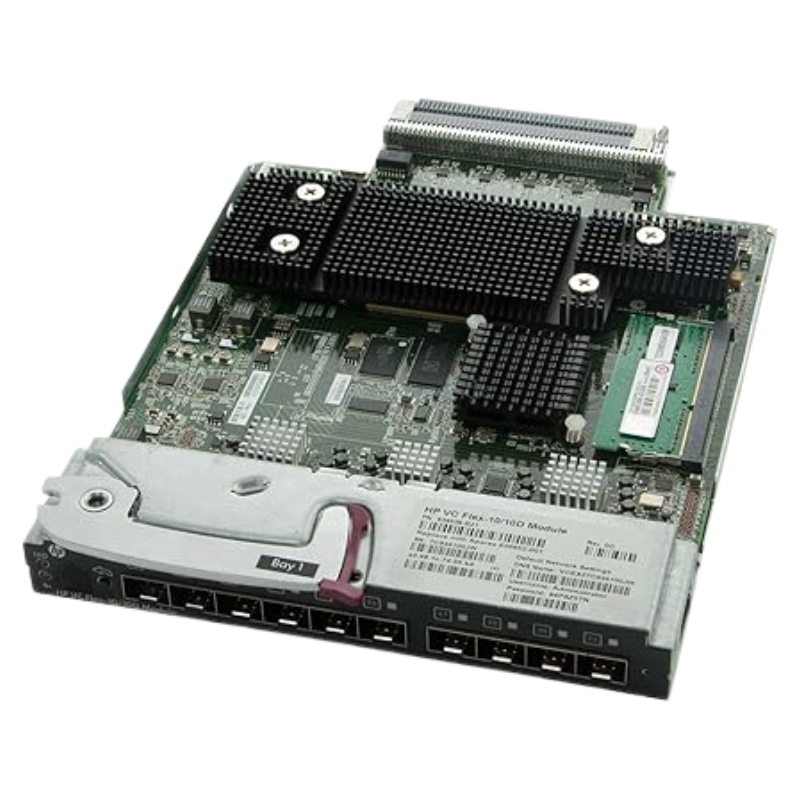
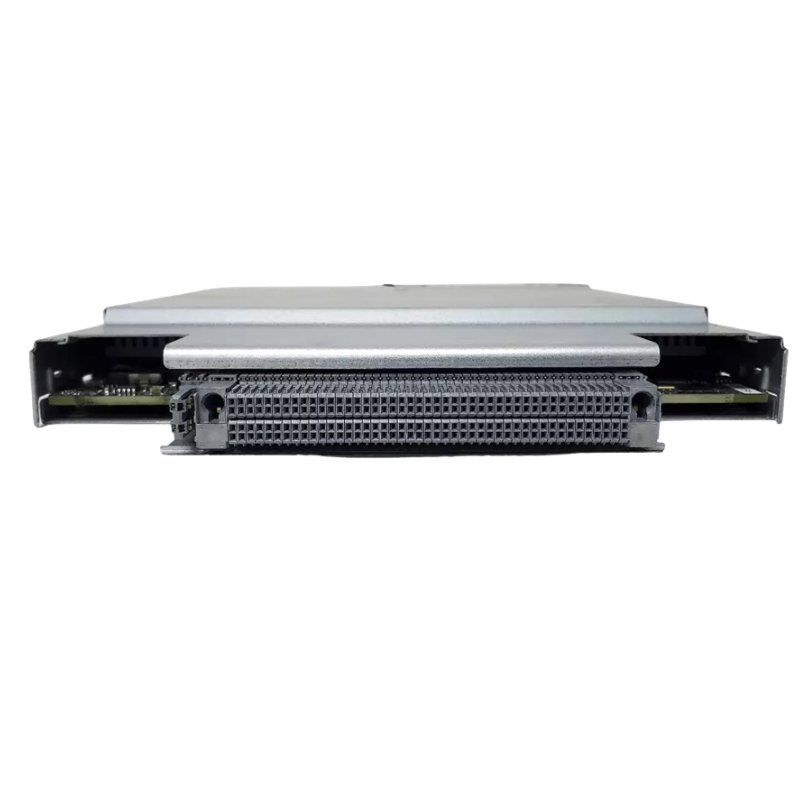
HPE 639852-001 Virtual Connect C-Class Blade System Flex-10/10D Module. Excellent Refurbished with 1 year replacement warranty
The HPE 639852-001 Virtual Connect C-Class Blade System Flex-10/10D Module is a powerful interconnect and switching solution designed to enhance blade server networking efficiency. Developed by :content Reference[oaicite:0]{index=0}, this expansion module delivers advanced virtualization, high bandwidth scalability, and simplified network management for enterprise-grade data centers.
Key Technical Features
The HPE 638528-001 Virtual Connect Flex-10 10D Module for c-Class Blade System is an advanced networking interconnect solution engineered to streamline server connectivity within enterprise-grade blade infrastructures. Designed by :content Reference[oaicite:0]{index=0}, this module plays a critical role in simplifying data center network architecture by reducing the complexity of multiple physical network connections while increasing flexibility, scalability, and operational efficiency. It is widely deployed in high-density computing environments where optimized bandwidth allocation and virtualized network management are essential for maintaining performance consistency and infrastructure agility.
The architectural foundation of the HPE 638528-001 Virtual Connect Flex-10 10D Module is built around the concept of network abstraction. Instead of relying on traditional NIC-to-switch mappings, the module introduces a virtualization layer that decouples server profiles from physical network infrastructure. This allows administrators to define, move, and manage server connections without requiring repeated manual configuration of upstream networking equipment.
The Flex-10 technology embedded within the module enables a single 10GbE connection to be partitioned into multiple flexible Ethernet channels. Each channel can be independently assigned bandwidth and policy controls, allowing workloads to be isolated and optimized within shared physical infrastructure. This design significantly reduces the number of physical NICs required per blade server, thereby improving space efficiency and lowering power consumption across the blade enclosure.
The Virtual Connect Flex-10 architecture is a key differentiator of the HPE 638528-001 module. It enables network administrators to manage Ethernet connections at a software-defined level without interacting directly with external switches for every configuration change. This abstraction layer simplifies deployment workflows and enhances agility in large-scale data centers.
Flex-10 technology allows each physical 10GbE port to be subdivided into multiple FlexNICs. These virtual NICs can be configured to handle different traffic types such as storage, management, and application workloads. This segmentation improves traffic prioritization and ensures predictable network performance under heavy load conditions. The ability to dynamically adjust bandwidth allocation without downtime further enhances operational flexibility.
The HPE 638528-001 module is specifically designed for seamless integration into HPE c-Class Blade System environments. It fits into the interconnect bays of compatible blade enclosures and operates in conjunction with ProLiant blade servers to deliver consolidated network connectivity. This tight integration ensures minimal latency between compute and networking components while maximizing throughput efficiency.
Within the c-Class architecture, the module works as an intermediary between blade servers and upstream data center switches. It reduces the need for multiple individual switch configurations by centralizing network management at the enclosure level. This approach not only simplifies infrastructure design but also improves scalability when expanding compute clusters.
One of the most significant advantages of the HPE 638528-001 Virtual Connect Flex-10 10D Module is its ability to support advanced network virtualization. Through logical partitioning of physical network interfaces, administrators can create multiple isolated traffic paths without requiring additional hardware components.
This virtualization capability allows data centers to segment workloads based on application requirements, security policies, or performance tiers. For example, mission-critical applications can be assigned dedicated bandwidth allocations, while background processes share remaining resources dynamically. This ensures consistent application performance and improved resource utilization across the infrastructure.
In high-density computing environments, network performance is often constrained by physical port limitations and inefficient traffic distribution. The HPE 638528-001 module addresses these challenges by consolidating multiple network connections into a smaller number of high-speed links. This reduces congestion points and improves data throughput across the blade chassis.
The Flex-10 architecture also introduces intelligent bandwidth allocation mechanisms that dynamically adjust resource distribution based on real-time demand. This ensures that critical workloads always receive sufficient network capacity while maintaining balanced utilization across all active connections. As a result, organizations can achieve higher performance levels without increasing physical infrastructure complexity.
The management capabilities of the HPE 638528-001 Virtual Connect Flex-10 10D Module are designed to simplify administrative overhead in large-scale deployments. Configuration tasks that traditionally required multiple switch-level changes can now be performed centrally through Virtual Connect management tools.
Server profiles can be created and assigned to blade servers, allowing network configurations to follow workloads rather than physical hardware. This means that if a server is replaced or relocated within the enclosure, its network identity and configuration remain intact. This stateless computing approach significantly reduces downtime and administrative complexity.
Scalability is a fundamental advantage of the HPE 638528-001 module. As enterprise environments grow, additional blade servers can be integrated into existing infrastructure without requiring extensive network reconfiguration. The module’s virtualization layer ensures that new compute resources automatically inherit predefined network policies.
This scalability extends to both horizontal and vertical expansion strategies. Horizontal scaling is achieved by adding more blade enclosures, while vertical scaling involves increasing the density of existing chassis. In both scenarios, the Flex-10 module maintains consistent network performance and configuration uniformity across the entire infrastructure.
Security is a critical consideration in modern data center environments, and the HPE 638528-001 module incorporates multiple layers of traffic isolation and access control. By segmenting network traffic at the FlexNIC level, administrators can enforce strict separation between different application environments.
This isolation reduces the risk of unauthorized access or data leakage between workloads sharing the same physical infrastructure. Additionally, centralized configuration management ensures that security policies are consistently applied across all connected blade servers, reducing configuration drift and enhancing compliance adherence.
The integration of the HPE 638528-001 module within blade systems enhances operational efficiency by consolidating networking components into a unified platform. This reduces cabling complexity and simplifies hardware maintenance procedures. Fewer physical connections also translate into reduced failure points, improving overall system reliability.
By integrating directly into the blade enclosure, the module enables closer coordination between compute and networking resources. This proximity reduces latency and improves responsiveness for applications that require high-speed data transfer between servers.
The Flex-10 architecture embedded in the HPE 638528-001 module enables granular control over bandwidth allocation. Each virtual network interface can be assigned specific bandwidth limits based on application requirements. This ensures that critical services maintain priority access to network resources even during peak usage periods.
Traffic prioritization mechanisms allow administrators to classify workloads and assign them appropriate Quality of Service parameters. This improves overall network efficiency and ensures consistent performance across mixed workload environments. The ability to adjust these parameters dynamically further enhances operational adaptability.
Energy efficiency is an important consideration in modern data centers, and the HPE 638528-001 Virtual Connect Flex-10 10D Module contributes to reduced power consumption through hardware consolidation. By reducing the number of required physical NICs and external switches, the module lowers overall energy usage.
Fewer physical components also translate into reduced cooling requirements, which further enhances energy efficiency. This consolidation approach not only reduces operational costs but also supports sustainability initiatives within enterprise IT environments.
The module is designed with redundancy and high availability principles to ensure continuous network operation. In the event of a component failure, traffic can be rerouted through alternate pathways within the blade enclosure, minimizing disruption to workloads.
This resilience is particularly important in mission-critical environments where downtime can result in significant operational and financial impact. The Virtual Connect architecture ensures that redundancy is built into the network design rather than added as an afterthought.
The HPE 638528-001 module plays a significant role in optimizing overall data center architecture by simplifying network design. Traditional networking environments often require complex cabling structures and multiple switch configurations, whereas Virtual Connect consolidates these functions into a centralized system.
This simplification reduces deployment time and makes ongoing infrastructure management more efficient. It also allows IT teams to focus more on strategic initiatives rather than routine network maintenance tasks, improving overall productivity within the organization.
Workload mobility is a key feature enabled by the HPE 638528-001 Virtual Connect Flex-10 10D Module. Server profiles are not tied to physical hardware, which means workloads can be moved across different blade servers without requiring network reconfiguration.
This flexibility supports dynamic workload distribution strategies, enabling organizations to optimize resource usage based on demand patterns. It also facilitates rapid recovery in disaster recovery scenarios where workloads must be migrated quickly to alternative hardware.


 Contact Us
 Information
 Catalog
 Solid State Drives (SSD)
 Network Switches
 Hard Disk Drives
 HBA & Controllers
 PC & Servers
 PC & Server Memory
 CPU & Processors
 Network Routers
 Power Supplies
 Tape Drives & Libraries
 Network Devices
 Computer & Network Cables