(7% discount is applied at checkout)
Cart is empty
Your go-to destination for cutting-edge server products
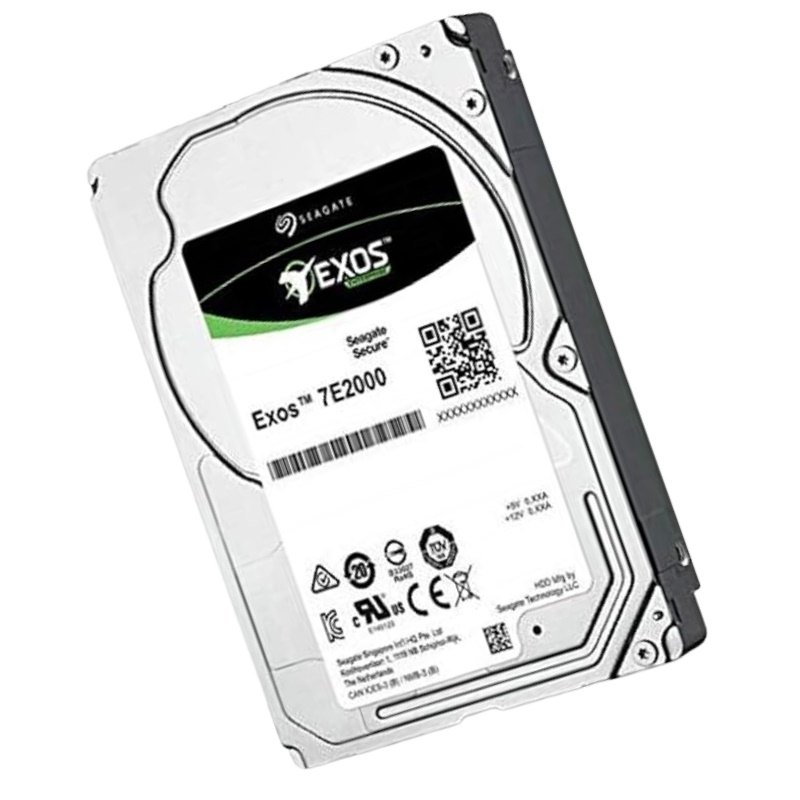


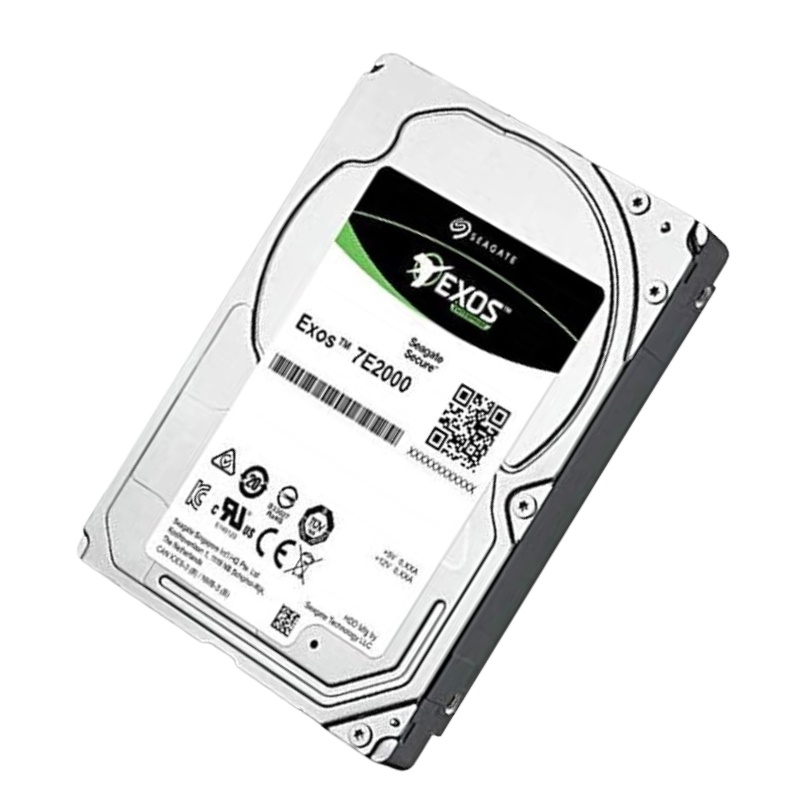
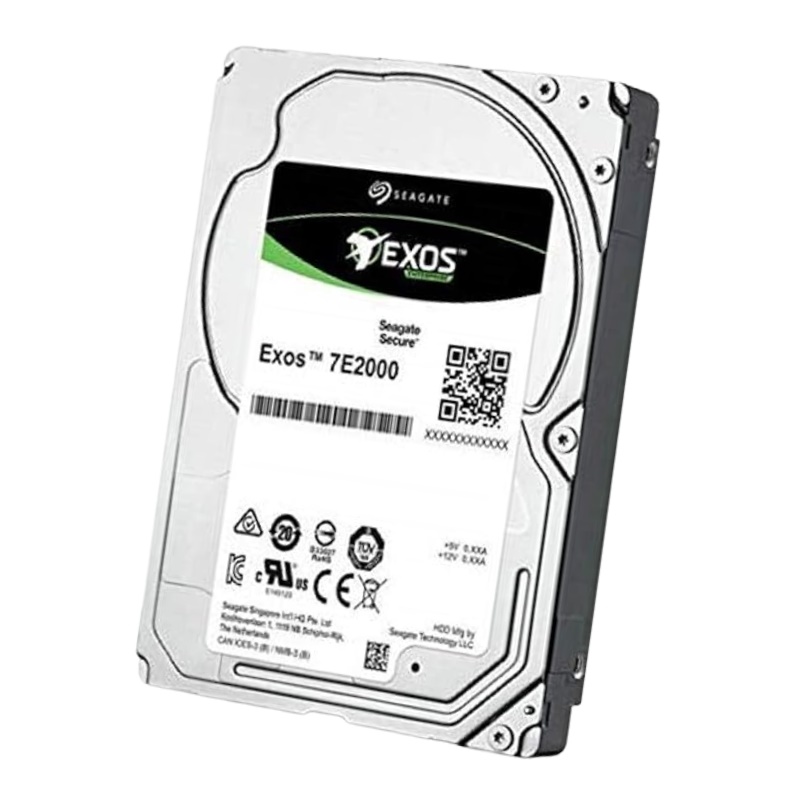
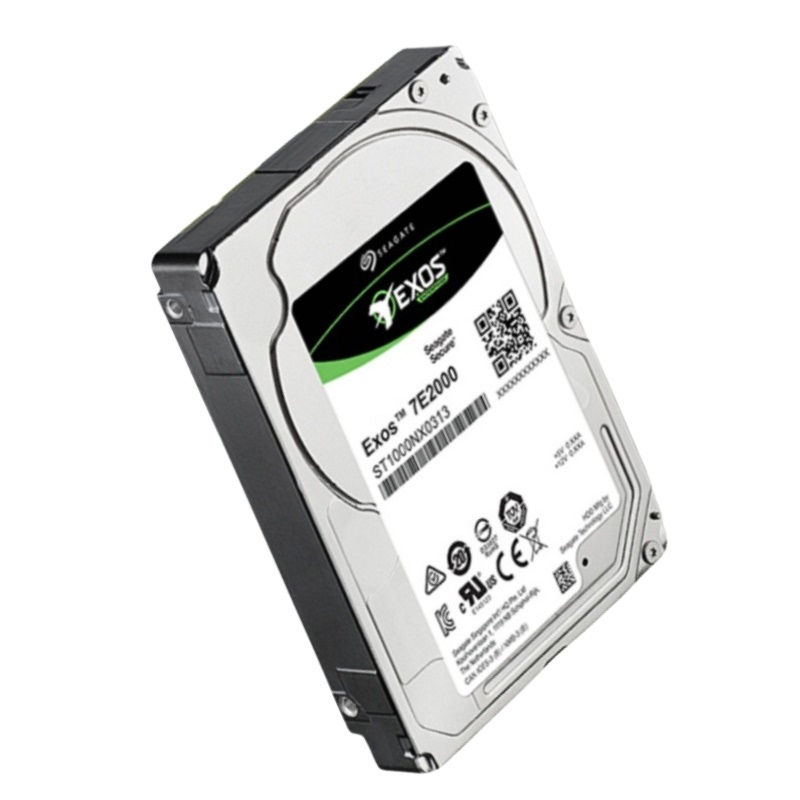
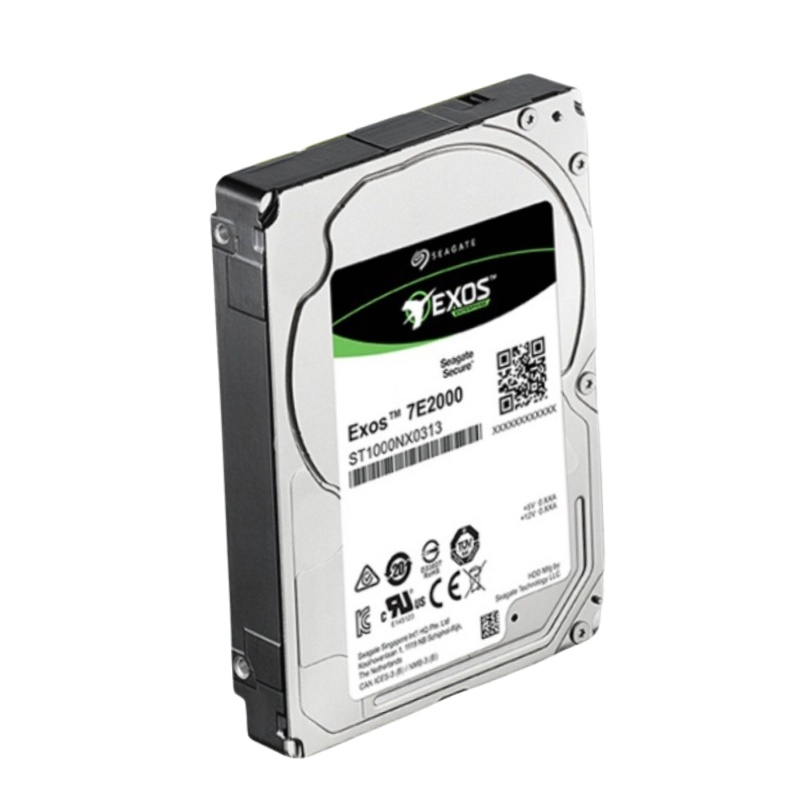
Seagate ST2000NX0433 2TB 7E2000 7.2K RPM SAS 12GBPS 128MB Hard Disk. New (System) Pull with 1 year Replacement Warranty
The Seagate ST2000NX0433 Exos 7E2000 is a 2TB 7.2K RPM SAS 12Gbps internal hard disk drive with a 128MB cache. Designed for enterprise workloads, this 2.5-inch HDD delivers dependable storage, advanced features, and optimized performance for mission-critical applications.
The Seagate ST2000NX0433 2TB 7E2000 SAS 12Gbps 7.2K RPM 128MB Hard Disk Drive is engineered as part of Seagate’s enterprise-focused storage family designed to deliver balanced performance, endurance, and capacity in mission-critical data center environments. Built on the proven 7E2000 platform architecture, this hard disk drive integrates mechanical precision components with advanced firmware optimization techniques that allow it to function efficiently under continuous workloads typical in server arrays, virtualization clusters, and cloud storage infrastructures.
The internal design focuses on maintaining stability during sustained read and write operations, which is essential in enterprise applications where uptime and data integrity are prioritized over consumer-level performance bursts. The spindle speed of 7200 RPM offers a balance between power efficiency and consistent throughput, making it suitable for bulk data storage, backup repositories, and distributed file systems.
The SAS 12Gbps interface enhances data transfer capabilities significantly compared to legacy SATA drives, enabling smoother communication between storage controllers and enterprise servers. This interface is particularly beneficial in environments requiring multiple simultaneous data streams, as it supports full-duplex communication and improved command queuing efficiency.
The Serial Attached SCSI (SAS) 12Gbps interface implemented in the Seagate ST2000NX0433 provides a robust foundation for high-performance enterprise storage operations. SAS technology is widely recognized for its reliability and scalability in enterprise storage networks, especially where multiple drives operate within RAID configurations or storage area networks (SANs).
This drive supports dual-port connectivity, allowing redundant data paths between storage systems and controllers. This redundancy ensures uninterrupted access to data even in the event of a path failure, significantly enhancing system resilience. The 12Gbps bandwidth capability ensures that large volumes of data can be transmitted efficiently, reducing bottlenecks in data-intensive operations such as database processing, virtualization workloads, and high-transaction systems.
The SAS protocol also provides superior command queuing and error recovery mechanisms compared to standard consumer-grade interfaces. This ensures that data integrity is maintained even under heavy load conditions where multiple read and write requests are processed simultaneously.
The 7200 RPM rotational speed of the Seagate ST2000NX0433 is strategically chosen to balance performance and power consumption. While higher RPM drives offer faster seek times, they often consume more energy and generate higher heat levels. Conversely, lower RPM drives may reduce performance but improve efficiency. The 7.2K RPM configuration offers an optimal midpoint suitable for enterprise storage environments where predictable performance and thermal efficiency are critical.
This rotational speed contributes to consistent average latency, ensuring that data retrieval times remain stable across various workloads. In RAID arrays and distributed storage systems, this consistency is essential for maintaining synchronization and preventing performance degradation under load.
The mechanical design also emphasizes vibration tolerance, allowing the drive to operate effectively in multi-drive chassis where mechanical interference from adjacent drives is common. This stability enhances overall system reliability and reduces the likelihood of performance fluctuations caused by environmental factors.
The integrated 128MB cache memory in the Seagate ST2000NX0433 plays a crucial role in optimizing data flow between the host system and the disk platters. This high-capacity cache acts as a temporary buffer, storing frequently accessed data and improving response times for repeated read requests.
In enterprise workloads, cache efficiency directly impacts system performance, particularly in environments where database queries, virtual machine operations, and file system transactions occur continuously. The intelligent caching algorithms embedded in the firmware prioritize data based on access frequency and workload patterns, ensuring that high-demand data is readily available.
Write caching mechanisms also enhance performance by temporarily storing write operations before committing them to disk, reducing latency and improving throughput. This is especially beneficial in environments with heavy logging operations, transactional databases, and real-time analytics systems.
Reliability is a defining characteristic of the Seagate ST2000NX0433 hard disk drive, as it is engineered for continuous operation in enterprise environments. The drive incorporates advanced error correction technologies that detect and correct data inconsistencies during read and write processes, ensuring data integrity even under demanding workloads.
Firmware-level protections are integrated to manage bad sector remapping, predictive failure analysis, and thermal monitoring. These systems work collectively to prevent data loss and minimize downtime by proactively identifying potential issues before they escalate into critical failures.
The drive is designed with a high workload rating suitable for 24/7 operation, making it appropriate for data centers, cloud storage providers, and enterprise backup systems. The Mean Time Between Failure (MTBF) rating reflects its durability under sustained operational stress, ensuring long-term stability in large-scale deployments.
The Seagate ST2000NX0433 is designed for seamless integration into a wide range of enterprise server configurations. Its SAS 12Gbps interface ensures compatibility with modern storage controllers and backplanes commonly found in rack-mounted servers and blade systems.
In RAID configurations, the drive contributes to enhanced data redundancy and performance optimization. Whether configured in RAID 1 for mirroring, RAID 5 for parity-based protection, or RAID 10 for combined performance and redundancy, the drive’s consistent performance profile ensures stable array behavior.
Virtualized environments benefit significantly from the drive’s predictable I/O performance. Hypervisors managing multiple virtual machines require storage devices that can handle concurrent workloads without significant latency spikes. The ST2000NX0433 fulfills this requirement effectively, making it suitable for private cloud infrastructures and enterprise virtualization platforms.
Energy efficiency is a critical factor in enterprise storage deployment, and the Seagate ST2000NX0433 is designed with optimized power consumption characteristics. The drive’s mechanical and electronic systems are tuned to minimize energy usage while maintaining consistent performance levels.
Thermal management is achieved through efficient component layout and rotational balancing, reducing heat generation during extended operation. This allows data centers to maintain optimal cooling efficiency and reduce overall operational costs associated with thermal regulation.
The drive’s power management features include intelligent idle states and dynamic power adjustment mechanisms that reduce energy consumption during periods of low activity without compromising readiness or responsiveness.
The Seagate ST2000NX0433 is widely applicable in enterprise storage scenarios requiring dependable capacity and consistent performance. In database systems, it supports structured query processing, transaction logging, and data warehousing applications where reliability and data integrity are essential.
In backup and archival systems, the drive provides stable long-term storage for large datasets, ensuring that critical business information remains accessible and protected. Its 2TB capacity is suitable for scalable storage architectures where multiple drives are deployed in parallel to achieve higher aggregate capacity.
File servers and content storage systems also benefit from the drive’s balanced performance characteristics, enabling efficient handling of shared files, media assets, and enterprise documents across networked environments.
The firmware embedded within the Seagate ST2000NX0433 includes advanced self-monitoring capabilities that continuously analyze drive performance, temperature, and error rates. This intelligent system allows the drive to adapt dynamically to changing workload conditions, optimizing performance without manual intervention.
Predictive analysis tools help identify potential failure indicators, enabling system administrators to take proactive measures before data loss occurs. This contributes significantly to system uptime and operational reliability in mission-critical environments.
Adaptive performance management ensures that the drive maintains stable throughput even when operating under fluctuating workloads, making it suitable for mixed-use enterprise environments where read and write demands vary continuously.
The mechanical components of the Seagate ST2000NX0433 are designed for long-term durability under continuous operation. The spindle motor is engineered to maintain consistent rotational accuracy, reducing mechanical wear and ensuring stable performance over extended periods.
Vibration resistance is a critical design consideration, especially in high-density storage enclosures where multiple drives operate in close proximity. The drive incorporates stabilization mechanisms that reduce the impact of external vibrations, ensuring consistent read/write head alignment and minimizing data access errors.
Structural integrity is further reinforced through precision-balanced components that reduce mechanical stress during operation, contributing to extended operational lifespan and reduced maintenance requirements.
The Seagate ST2000NX0433 supports scalable storage architectures where performance and capacity must grow in tandem. Its balanced throughput characteristics make it suitable for mixed workloads involving sequential and random data access patterns.
In scalable environments, multiple drives can be deployed to expand storage capacity while maintaining consistent performance levels across the system. This scalability is essential for enterprises experiencing rapid data growth and requiring flexible storage expansion strategies.
The drive’s consistent performance ensures that system bottlenecks are minimized, allowing storage infrastructure to scale efficiently without compromising data access speeds or reliability.


 Contact Us
 Information
 Catalog
 Solid State Drives (SSD)
 Network Switches
 Hard Disk Drives
 HBA & Controllers
 PC & Servers
 PC & Server Memory
 CPU & Processors
 Network Routers
 Power Supplies
 Tape Drives & Libraries
 Network Devices
 Computer & Network Cables