(7% discount is applied at checkout)
Cart is empty
Your go-to destination for cutting-edge server products
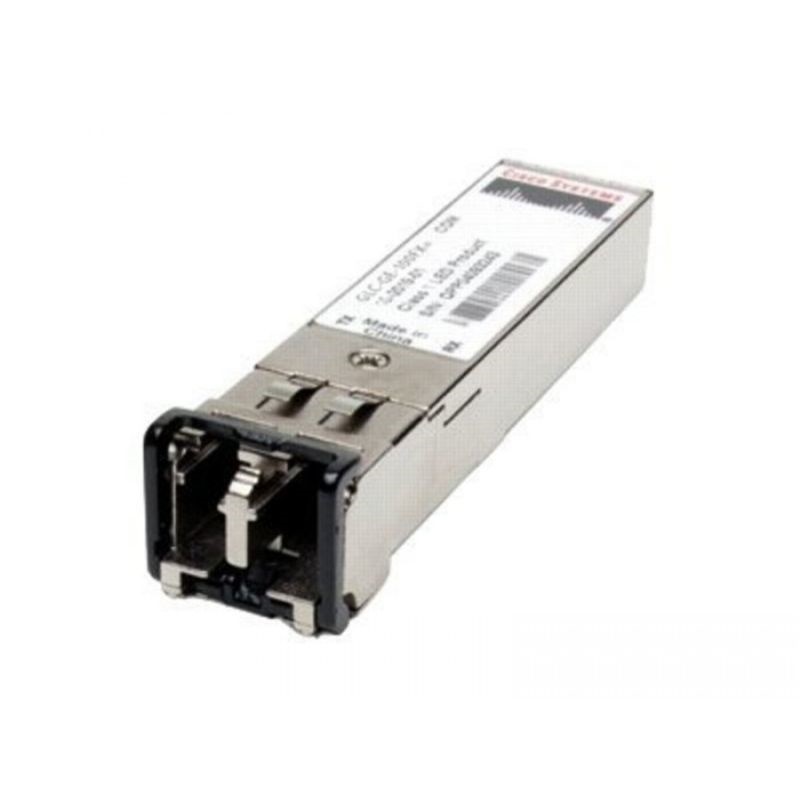


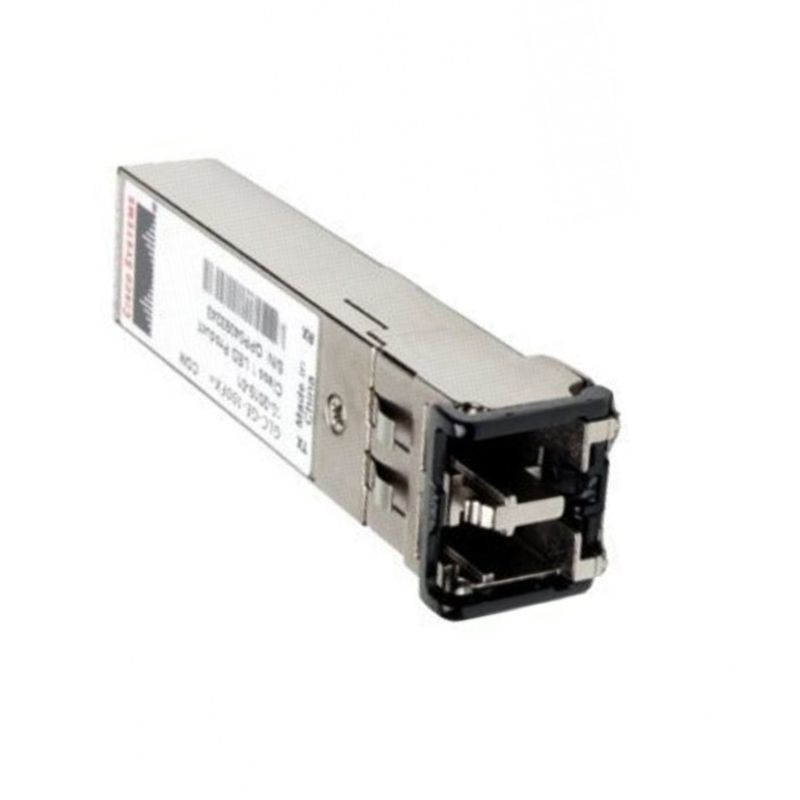
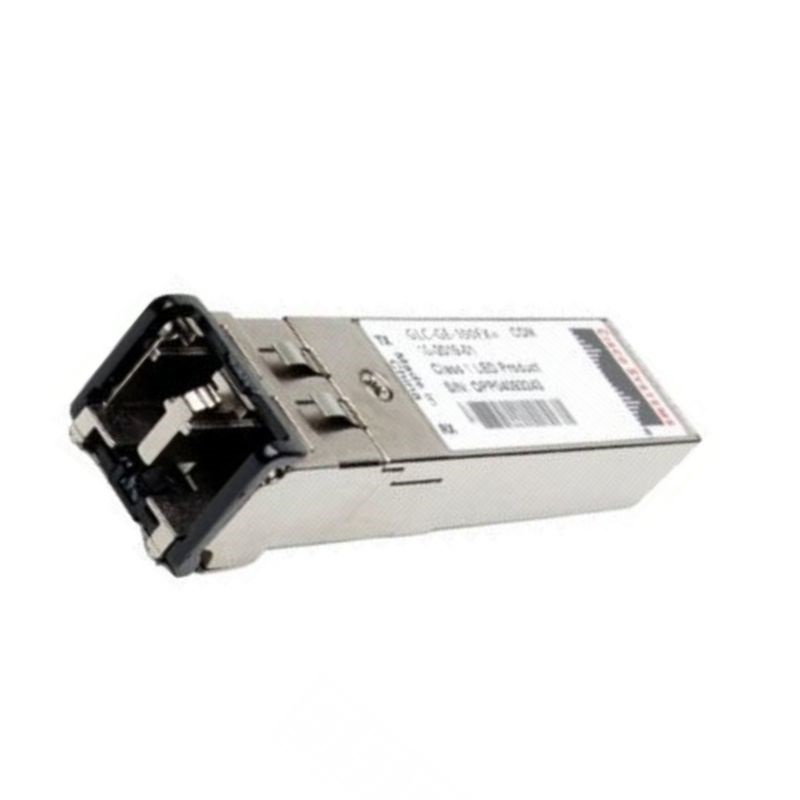
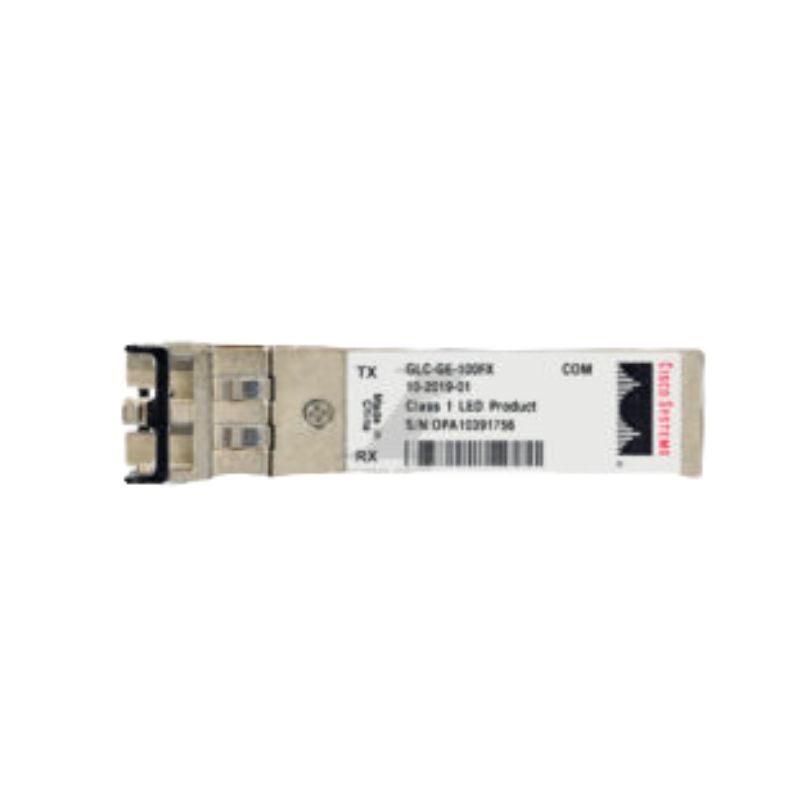
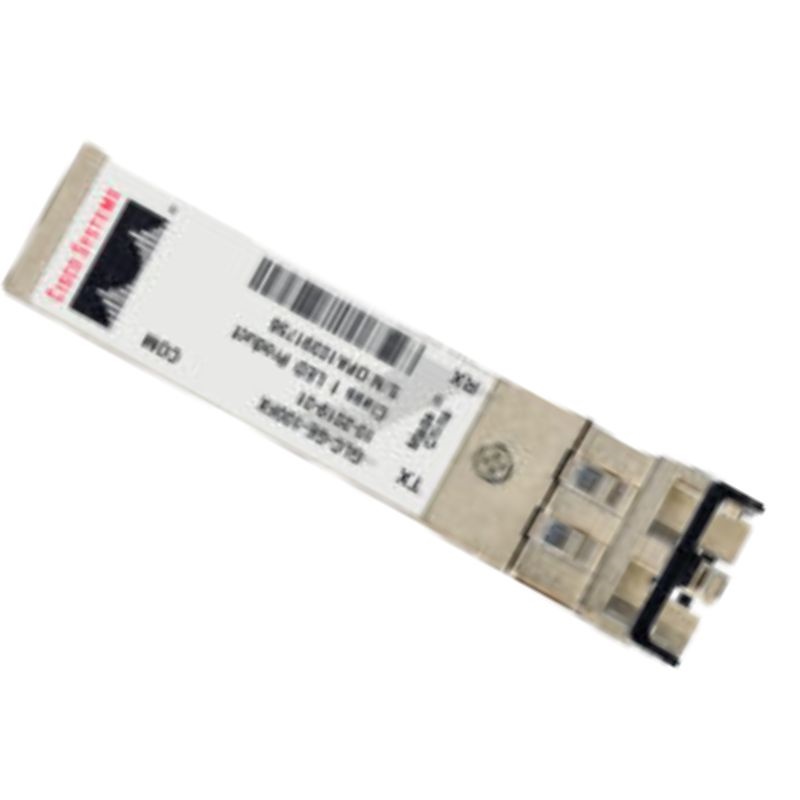
Cisco 10-2019-01 SFP (mini-GBIC) 1 Port Lc Multi-mode Transceiver Module. Factory-Sealed New in Original Box (FSB) with 1 year replacement warranty
| SKU/MPN | Warranty | Price | Condition | You save |
|---|---|---|---|---|
| 10-2019-01 | 1 Year Warranty | $95.00 | Excellent Refurbished | You save: $33.25 (26%) |
| 10-2019-01 | 1 Year Warranty | $119.00 | Factory-Sealed New in Original Box (FSB) with 3 Year Warranty | You save: $41.65 (26%) |
Enhance fiber uplinks on Cisco Catalyst switches with a dependable small form-factor pluggable transceiver engineered for Fast Ethernet over multimode fiber. The 10-2019-01 module slots in quickly, delivers consistent performance at 1310 nm, and supports long runs for campus and branch networks.
Choose the 10-2019-01 when you need reliable Fast Ethernet fiber uplinks for:
Designed for a broad set of Catalyst platforms. Popular matches include:
The Cisco 10-2019-01 SFP (mini-GBIC) 1-Port LC multimode transceiver module sits in the broader category of small form-factor pluggable optics designed for short to medium-distance fiber uplinks at Gigabit Ethernet speeds. This category description explores the role that LC-terminated multimode SFP modules play in enterprise and data center networks, the typical performance characteristics associated with 1G multimode optics, the deployment patterns most buyers consider, and the adjacent accessories, best practices, and lifecycle considerations that help ensure reliable service. Because SFP (mini-GBIC) is a hot-swappable, vendor-qualified form factor, the Cisco 10-2019-01 is commonly selected for its predictable interoperability within Cisco switching and routing platforms while still aligning to widely recognized optical standards used across structured cabling environments.
While each specific module should be verified against platform compatibility lists, LC multimode SFPs in this category are generally aligned to 1000BASE-SX optical characteristics, operating near 850 nm with link lengths that are contingent on fiber grade and link budget. In mixed vendor environments, the LC connector style, duplex multimode cabling, and common link parameters simplify interoperability, especially across structured cabling built to TIA/EIA specifications. Buyers often select the Cisco 10-2019-01 for tight alignment with Cisco IOS/NX-OS transceiver diagnostics (DOM/DDM) and for predictable behavior with auto-negotiation and link training typical of 1G fiber interfaces.
Although exact specifications should be confirmed in official documentation for the precise SKU, LC multimode SFP modules in this class typically share a number of defining attributes that make them attractive for short-reach optical links. Understanding these attributes helps network planners choose the right optic for each link, and it frames the broader category in which the Cisco 10-2019-01 resides.
The SFP (mini-GBIC) form factor is compact, hot-swappable, and designed to insert into standard SFP ports on switches, routers, network interface cards, and media converters. The cage and latch mechanism provide a tool-less experience for installation and removal, reducing mean time to repair when optics need to be replaced or re-provisioned.
Many Cisco-qualified SFPs expose digital optical monitoring parameters such as transmit power, receive power, temperature, voltage, and bias current. These values allow administrators to assess link health, proactively detect fiber degradation, and fine-tune patching or cleaning routines without dispatching field technicians for every anomaly.
The LC connector is the de facto standard for modern multimode deployments because it offers a small footprint and secure latch, enabling high-density patch panels and crowded equipment racks. LC-LC duplex jumpers are inexpensive, widely available, and familiar to technicians, minimizing training overhead and sparing complexity.
For 1000BASE-SX-class multimode links, typical reach values depend on fiber type and overall link loss budget. Many installations observe reliable operation on OM2 up to a few hundred meters and on OM3/OM4 at extended distances when connectors are clean and loss is within budget. These ranges make LC multimode SFPs ideal for intra-building runs and short campus hops using existing plant.
Keep in mind that connector cleanliness, splice quality, and total insertion loss are often more decisive than raw cable grade on paper. Even a high-bandwidth OM4 path will underperform if endfaces are contaminated or patching is excessive.
Every optical link is governed by a transmitter’s output, the receiver’s sensitivity, and the cumulative loss along the path. Patch panels, jumpers, adapters, splice trays, and fiber bends impose attenuation. A healthy multimode SFP link leaves margin beyond the theoretical minimum so that temperature drift, aging, and minor contamination do not cause intermittent drops. Technicians use DOM readings and power meter tests to verify margin after turn-up.
Because this LC multimode SFP category is tuned for Gigabit short-reach connections, it surfaces frequently in campus modernization projects, brownfield expansions, and access refreshes where single-mode optics would be unnecessary. The following patterns illustrate how organizations weave such modules into their daily operations.
Edge switches serving user desks, printers, and IoT devices often uplink via LC multimode SFPs to a distribution switch stack. This arrangement keeps copper runs short for endpoints while leveraging fiber for electrical isolation and EMI resistance. Redundant uplinks can be implemented using spanning tree, link aggregation (if supported on 1G fiber interfaces), or dynamic routing over Layer 3 boundaries. The category’s hot-swap nature allows changes during maintenance windows with minimal downtime.
When deploying dense wireless, not every closet requires 10G or 25G aggregation—especially in environments where uplink oversubscription is acceptable or where radio budgets limit aggregate throughput. Here, LC multimode 1G SFPs are a pragmatic choice that aligns to cost constraints without sacrificing link stability. They also preserve options for future parallel paths or staged upgrades to higher-rate optics when needed.
Building automation, HVAC, lighting control, and security networks benefit from fiber’s inherent galvanic isolation. LC multimode SFPs provide a noise-immune, lightning-resistant transport medium between panels or controller nodes, reducing the likelihood of ground loops and surge damage. The small size of the SFP makes it straightforward to embed in compact DIN-rail switches or utility-grade routers in mechanical rooms.
Within labs and non-production pods, the Cisco 10-2019-01 category supports management plane links, KVM fabrics, and storage administration networks. Engineers prefer standardized optics for spares management: one tray of identical LC multimode SFPs can address failures across a wide swath of gear. For production east-west application flows demanding higher rates, these 1G optics coexist with 10G/25G uplinks, carving out a reliable lane for out-of-band tasks without consuming premium transceiver slots.
When you research LC multimode SFP transceivers, the decision rarely boils down to price alone. Network operators weigh a matrix of factors that collectively determine long-term operating cost, serviceability, and risk. The following attributes surface repeatedly during evaluations.
Platform compatibility matters—especially in Cisco environments where transceiver validation enables enhanced telemetry and avoids warning banners. Modules in the Cisco 10-2019-01 category are sought for their predictable behavior within Cisco switches and routers known to support multimode 1G optics. Administrators also examine release notes to confirm software images include microcode or diagnostics that recognize the optic’s EEPROM profile.
Multimode 1G SFPs generally consume minimal power relative to higher-rate optics, simplifying thermal design in dense switch stacks and fan-constrained enclosures. Lower power draw translates into quieter operation and reduces the cumulative heat load that can shorten component lifespan.
Granular DOM parameters help automate monitoring and streamline root-cause analysis. Buyers compare whether a module exposes thresholds, warning levels, and accurate real-time readings. The more observability available, the easier it is to correlate link degradation with environmental or cabling issues before users notice impact.
In busy wiring closets, technicians insert and remove optics frequently. Robust metal shells, smooth latching, and tether-friendly pull tabs reduce accidental damage. An LC multimode SFP that inserts cleanly and seats firmly helps avoid micro-movement that can induce intermittent light loss when racks vibrate or doors slam.
Clear labeling (including wavelength, mode type, and safety markings) reduces the risk of cross-connecting single-mode and multimode gear. Mature documentation and lifecycle notices inform spares planning and budget cycles. Operators prefer optics that remain orderable for predictable windows so they can build standardized parts lists for years at a time.
LC duplex connectors carry transmit and receive on separate fibers. Crossed polarity is a common cause of “no light” conditions. Use color-coded or labeled jumpers and maintain consistent patch panel conventions to avoid mistakes during moves, adds, and changes. Employ bend-insensitive multimode jumpers in tight-radius spaces to reduce macro-bending loss.
Optical contamination is the silent enemy of reliable links. Use inspection scopes and wet/dry cleaning techniques to remove oils and particulates. Always clean both the LC ferrule and the adapter sleeve. Re-cap unused ports and jumpers immediately. Establish a repeatable cleaning regimen as part of every change request.
Gigabit multimode SFPs are engineered to deliver consistent throughput at 1 Gb/s line rate under nominal conditions. Subtle factors can influence performance and should be accounted for in network design.
Optical transceivers add negligible serialization delay compared to copper. Most perceived latency originates from switching silicon and queuing rather than the SFP module itself. Nonetheless, clean signal integrity and sufficient optical margin reduce the chance of frame errors that trigger retransmissions, which can have outsized effects on application experience.
Monitor interface counters such as input errors, CRC, and frame loss. Rising values can indicate marginal optical power, dirty endfaces, or stressed patching. DOM thresholds help correlate power dips with error bursts. A well-maintained LC multimode SFP link should exhibit stable power levels and near-zero error rates over time.
Temperature extremes can shift laser output and receiver sensitivity. Structured wiring closets generally provide adequate thermal control, but remote cabinets may not. When installing LC multimode SFPs in harsher environments, consider enclosures, airflow, and device placement to keep optics within rated ranges.
While the Cisco 10-2019-01 category addresses 1G needs, it coexists gracefully with higher-rate ecosystems. Many organizations deploy 1G multimode optics for access while moving distribution and core to 10G/25G/40G. Migrating is straightforward because LC plant and patching practices extend naturally to SR-class 10G/25G optics on OM3/OM4. Thoughtful labeling and pathway design keep future cutovers smooth.
Transceivers do not operate in isolation; they depend on quality fiber plant and accessories. Selecting the right supporting gear often determines overall link quality and operational endurance.
Match jumper fiber type to the permanent link as closely as possible. While mixing is often functional, consistent modal characteristics reduce differential mode delay and unexpected attenuation. Keep jumpers short, avoid tight bends near the transceiver, and ensure strain relief so that movement does not stress the LC latch.
Though fiber is inherently more tamper-resistant than copper, optical layers are still part of a defense-in-depth strategy. LC multimode SFP links in access closets carry user traffic, monitoring feeds, or building control signals that may require confidentiality and integrity measures.
Lockable cabinets, patch panel doors, and port blockers help deter casual tampering. Cable managers route and protect jumpers against accidental snagging. Regular visual inspections during site walks can catch loose connectors or unlabeled cross-patches before they cause outages.
On platforms that support link-layer encryption (e.g., MACsec) even over optical links, administrators can authenticate and encrypt traffic between switches. If MACsec is not available, segment sensitive flows via VLANs, ACLs, and routed boundaries. The reliability of an LC multimode SFP link enhances the effectiveness of these controls by minimizing error-driven renegotiations or flaps.
Transceivers represent a modest but recurring investment. Sound inventory and lifecycle practices ensure that spares are available when needed and that optics remain standardized across sites.
Maintain a small pool of identical LC multimode SFPs per site or region. Label spare trays with quantities and reorder points. Store optics in anti-static, dust-protected packaging. Track serial numbers for RMA workflows and to correlate with interface assignments for faster troubleshooting.
Choose a primary SKU—such as the Cisco 10-2019-01 category—for most Gigabit multimode links, avoiding SKU sprawl. Fewer variants simplify training, reduce configuration errors, and improve forecasting accuracy. Document where exceptions are allowed, such as specialty long-reach or BiDi optics.
When calculating total cost of ownership, include not just the optic’s purchase price but also the expected lifespan, failure rates, power consumption, and the operational savings derived from hot-swap convenience and robust telemetry. Lower energy use and predictable behavior translate into less time spent diagnosing issues.
Organizations deploying LC multimode 1G SFPs can significantly improve reliability by aligning to a handful of best practices that reduce human error and environmental stressors.
Deciding on the right optic involves understanding the tradeoffs among multimode, single-mode, and copper alternatives. The Cisco 10-2019-01 category is attractive for many scenarios, but awareness of adjacent options keeps designs resilient and cost-effective.
Multimode optics are typically less expensive per transceiver and often leverage existing installed fiber in buildings and campuses. Single-mode, operating at different wavelengths with tighter cores, enables much longer distances and is common in metro and backbone links. If your campus spans multiple buildings with long conduits or you anticipate future 40G/100G ER-class requirements, single-mode plant may be a strategic investment; however, for the majority of in-building runs, LC multimode SFPs remain economical and simple.
Copper (1000BASE-T) is convenient for short distances and PoE-powered endpoints but introduces EMI susceptibility and has distance constraints compared to fiber. LC multimode SFP links provide electrical isolation, better security against passive tapping, and immunity to lightning and ground potentials—benefits that often outweigh the cost delta where fiber is already present.
In constrained pathways, BiDi or SWDM approaches can reduce fiber counts or improve channel efficiency. While those variants serve specialized needs, standard duplex LC multimode remains the workhorse for straightforward, low-risk designs. Keeping the module type simple reduces stocking complexity and speeds field replacements.
Optical safety and responsible deployment practices protect both personnel and equipment. LC multimode SFP modules operate with low-power lasers, but safety procedures still apply.
Never look into energized fiber connectors. Use a power meter or visual fault locator designed for fiber to test continuity. Keep dust caps on when optics are not in use and educate staff on basic Class 1 laser precautions typical of Ethernet transceivers.
Handle modules by the sides, avoid touching the LC ferrules, and store transceivers in antistatic packaging. When installing in carpeted or dry environments, wear an ESD strap or ground yourself before touching equipment to minimize static discharge risk.
Ensure unobstructed airflow around switch or router intake/exhaust paths. In top-of-rack deployments, leave a small service loop for jumpers to avoid blocking ventilation with excess cable slack. Monitor device thermal sensors—healthy optics operate within nominal temperature envelopes and should not be warm to the touch beyond the device’s own exhaust air.
Good documentation transforms optical infrastructure from a fragile web into a manageable system. LC multimode SFP deployments benefit from consistency across sites and teams.
Adopt a schema that encodes building, floor, rack, panel, port, and device identifiers. Mirror the same label at both ends of each link. Use durable, legible labels that resist heat and dust. Maintain a digital map of link endpoints for quick triage.
Require change requests for fiber work, including cleaning and patch moves. Attach pre- and post-change DOM readings and photographs of cable dressing when possible. This promotes accountability and aids future troubleshooting by capturing the state of the environment at each step.
Provide technicians with quick-start guides that include the clean-inspect-connect mantra, polarity conventions, and sample DOM thresholds. Regular brown-bag sessions reinforce best practices and keep teams aligned as staff rotate across sites.
Responsible network operations incorporate sustainability without compromising performance. LC multimode SFPs—thanks to their modest power footprint—are naturally efficient, but there are additional steps teams can take.
By maintaining cleanliness and ensuring low-stress patching, optics can remain in service longer, reducing waste from premature replacements. Documenting environmental conditions and avoiding overheated closets also prolongs transceiver longevity.
When optics eventually retire, leverage e-waste programs that reclaim metals and properly process small electronics. Retain proof of proper disposal for compliance and corporate social responsibility reporting.
To ground the discussion, consider a few archetypal designs where LC multimode 1G SFPs are the default choice due to distance and budget considerations. These blueprints help planners visualize how the category integrates with existing plant.
Each floor features a small wiring closet with a 48-port access switch. Two LC multimode uplinks connect to a central distribution room on floor three. Each link spans under 150 m via OM3 riser fiber. The Cisco 10-2019-01 category optic provides stable 1G uplinks, while the distribution stack handles Layer 3 routing. The design leaves open pathways for future 10G over OM3 using SR optics without replacing the installed backbone.
Three academic buildings connect to a central network hub inside the library. Existing OM2 inter-building runs measure 220–300 m. LC multimode 1G SFPs deliver dependable bandwidth for administrative traffic, VoIP, and moderate video streaming loads. A separate single-mode run supports future research labs requiring long-haul or higher-rate links, illustrating how multimode and single-mode can coexist gracefully.
Dozens of storefronts rely on compact access switches uplinked via LC multimode to back-office routers. The category’s hot-swap nature allows staff to replace optics with minimal guidance. Centralized monitoring consumes DOM telemetry to flag stores with creeping loss, scheduling preventive cleaning during inventory nights.
Ensuring that each installed optic performs as expected involves structured QA at turn-up and during operations. The following suggestions align with common enterprise standards.
Integrate thresholds into your NMS/observability platform to alert on sudden RX power drops, abnormal temperature rises, or increased laser bias—early indicators that cleaning or re-termination may be needed. Trend analysis over months can reveal gradual degradation from connector wear or environmental dust accumulation.
From straightforward installation and tight physical tolerances to rich diagnostics and widespread familiarity among technicians, LC multimode 1G SFPs reduce cognitive load. That simplicity translates into fewer surprises during change windows and faster mean time to repair when incidents occur.
Designers can retain existing LC pathways, patch panels, and cable trays while selectively upgrading to faster optics where justified. This incremental approach respects budget cycles and avoids expensive rip-and-replace projects, all while maintaining the stable foundation that multimode SFPs provide today.
Catalog your existing fiber plant by type and distance, define standard optics for access and distribution layers, incorporate cleaning tools into every field kit, and document DOM baselines during commissioning. With those habits in place, the Cisco 10-2019-01 SFP (mini-GBIC) 1-Port LC multimode transceiver module category will deliver the predictable results it was designed to provide—steady, low-drama Gigabit fiber links that keep networks humming.


 Contact Us
 Information
 Catalog
 Solid State Drives (SSD)
 Network Switches
 Hard Disk Drives
 HBA & Controllers
 PC & Servers
 PC & Server Memory
 CPU & Processors
 Network Routers
 Power Supplies
 Tape Drives & Libraries
 Network Devices
 Computer & Network Cables