(7% discount is applied at checkout)
Cart is empty
Your go-to destination for cutting-edge server products
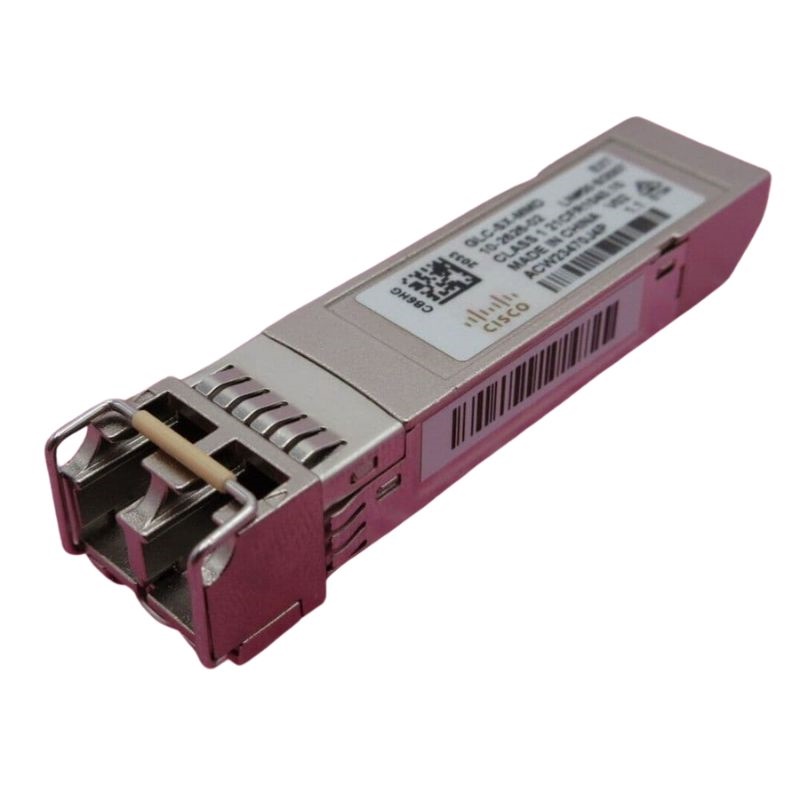


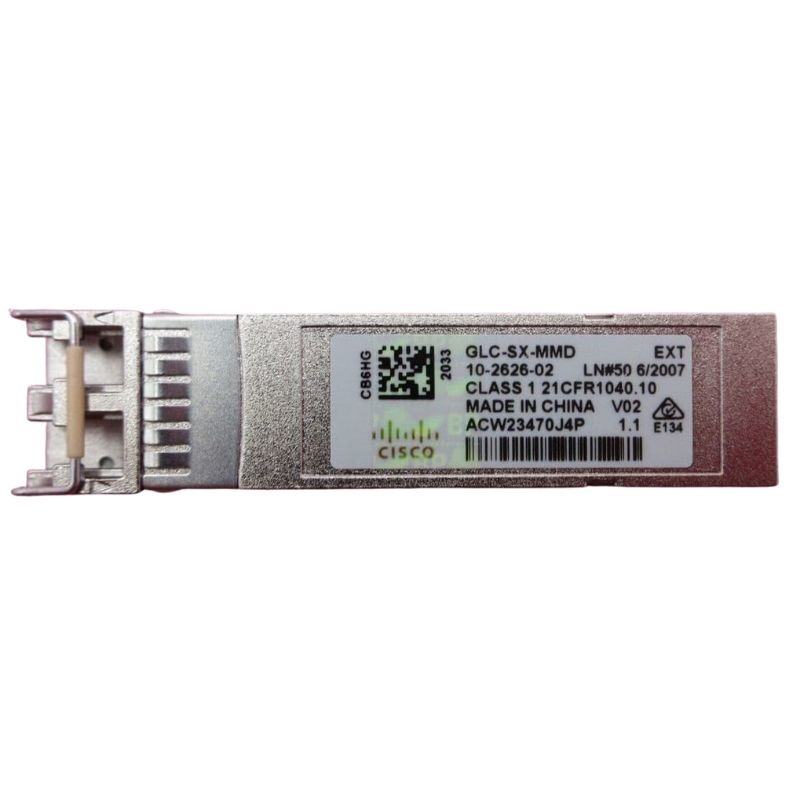
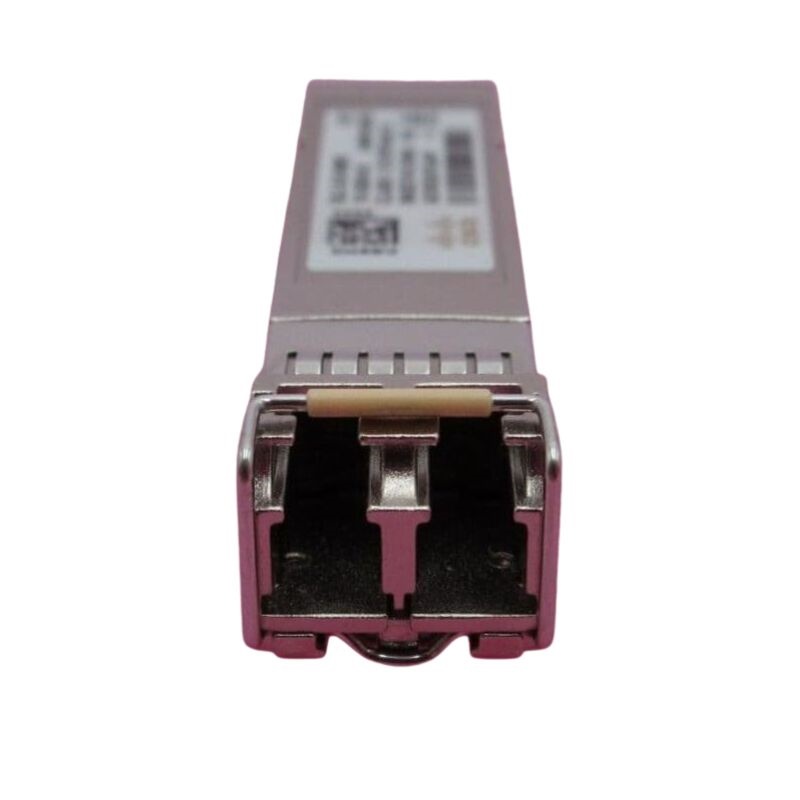
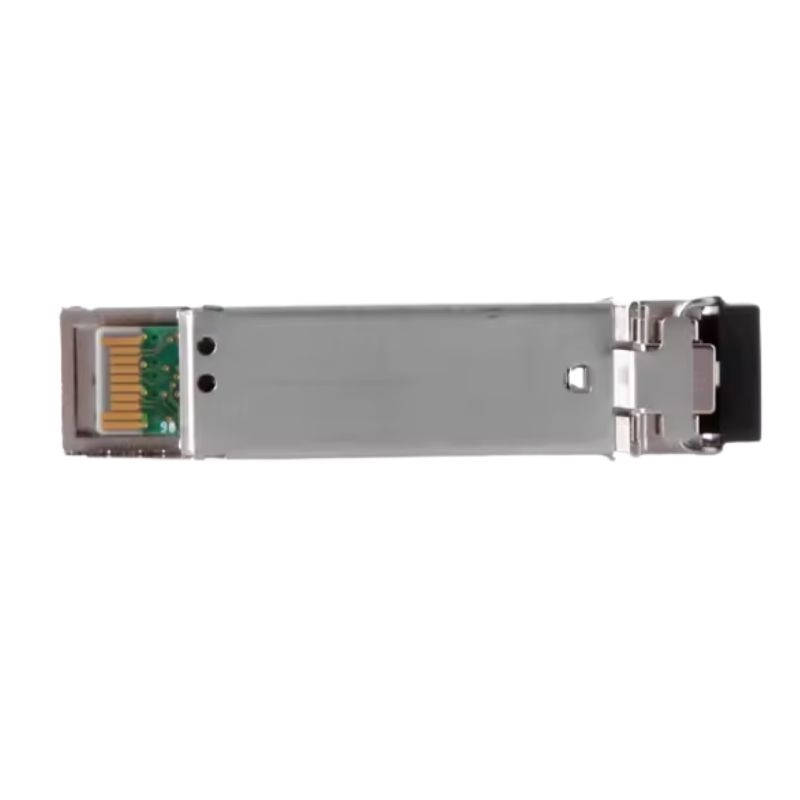
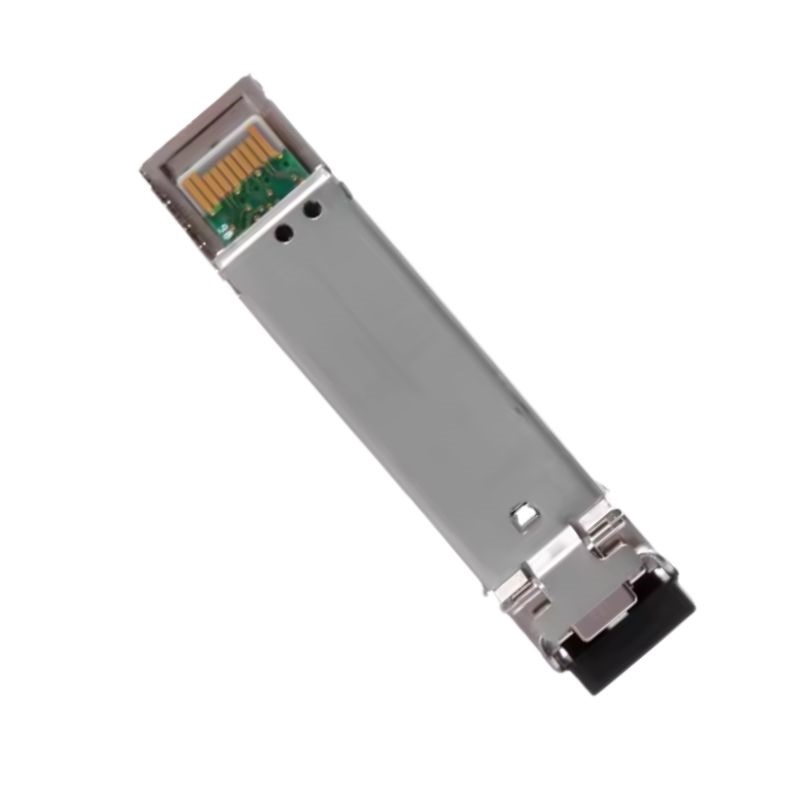
Cisco 10-2626-02 1GBPS SFP Transceiver Module. Excellent Refurbished with 1-Year Replacement Warranty
| SKU/MPN | Warranty | Price | Condition | You save |
|---|---|---|---|---|
| 10-2626-02 | 1 Year Warranty | $50.00 | Excellent Refurbished | You save: $17.50 (26%) |
| 10-2626-02 | 1 Year Warranty | $147.00 | Factory-Sealed New in Original Box (FSB) | You save: $51.45 (26%) |
The industry-standard Cisco Small Form-factor Pluggable (SFP) Gigabit interface module is a hot-swappable I/O transceiver that slides directly into a compatible Gigabit Ethernet slot, instantly bridging your switch or router to the optical network. Built for reliability and broad platform support, this compact plug-in keeps upgrades simple and downtime minimal.
Designed for a wide spread of Cisco routers, switches, and engines. Popular matches include:
The Cisco 10-2626-02 1Gbps Small Form-Factor Pluggable (SFP) transceiver module category covers compact optical and copper transceivers engineered for Gigabit Ethernet, Fibre Channel (1G), and related Layer 1 transports across enterprise, campus, data center, and service provider networks. This category is focused on hot-swappable, MSA-compliant SFP modules recognized in a wide range of Cisco switches, routers, and security appliances. Whether the deployment requires short-reach multimode fiber, long-reach single-mode fiber, or copper RJ-45 connectivity, modules associated with assembly code 10-2626-02 represent mainstream 1G SFP building blocks used to extend links reliably and cost-effectively.
Because “10-2626-02” can appear as a Cisco internal assembly or PCB code that spans multiple optics families, buyers typically map it to the correct operational profile by pairing it with the commercial product naming used in Cisco software (for example, 1000BASE-SX, 1000BASE-LX/LH, or 1000BASE-T). This category page therefore addresses the full spectrum of 1Gbps SFP transceivers commonly recognized across Cisco platforms, with emphasis on deployment guidance, compatibility nuances, performance considerations, and lifecycle best practices that help network planners select and maintain the right optic for the job.
The 1G SFP form factor remains the networking world’s “Swiss Army knife.” It is inexpensive, widely supported, and exceptionally flexible, making it ideal for access/edge uplinks, server NICs running at 1G, campus switch stacking uplinks (where supported), and metro handoffs. Even as 10G, 25G, and 100G optical ecosystems expand, gigantic installed bases still rely on 1G for stability, PoE-heavy edges, and legacy application interfaces. A category targeted at Cisco 10-2626-02 class SFPs helps decision-makers navigate reach, fiber type, connector style, DOM/diagnostics, power, and environmental constraints without wading through disparate documentation.
To simplify selection, think in three primary lanes: short-reach multimode fiber (MMF), long-reach single-mode fiber (SMF), and copper twisted pair. Specialty and extended-reach variants exist as well; however, most enterprise and campus builds concentrate in these three lanes.
Short-reach optics are the default for intra-building links, equipment rows, and MDF-IDF runs. They generally operate over OM2/OM3/OM4 multimode fiber with LC duplex connectors. Typical reach expectations include ~220 m on older OM2 and up to ~550 m on OM3/OM4 under standard conditions. These modules are valued for low cost and easy availability, making them the go-to choice for campus floors, closet uplinks, and short data hall interconnects.
Long-reach optics service cross-campus, cross-building, and metro handoffs requiring kilometers of distance on single-mode fiber with LC duplex connectors. Common planning envelopes run from ~5 km to ~10 km for standard LX/LH profiles under typical optical budgets. For planners, these modules are the “set and forget” option for stable, low-error links that must traverse rights-of-way, outdoor ducts, or municipal dark-fiber paths.
Where fiber is unnecessary or unavailable, copper 1G SFPs provide auto-negotiating 10/100/1000Mb interfaces over Cat5e/Cat6 twisted pair. Typical reach is up to 100 meters. These modules are popular for incremental upgrades—converting a fiber-only SFP cage into an RJ-45 switch port—without changing the hardware chassis.
Specialized SKUs offer extended reach, bidirectional (BiDi) transmission using a single strand of fiber, and ruggedized/industrial temperature support for harsh environments. While not always directly labeled with 10-2626-02 in the external name, these designs use similar SFP mechanics and management, so the operational guidance in this category generally applies.
Cisco platforms typically recognize 1G SFP modules that adhere to the SFP Multi-Source Agreement (MSA) and include Cisco-specific identifiers stored in EEPROM. Platform families that commonly accept these modules include (but are not limited to) Catalyst access/aggregation switches, Nexus data center switches (at 1G rates or on compatible SFP slots), ASR/ISR routers, and certain security appliances with SFP interfaces. Software release notes, transceiver compatibility matrices, and the chassis’s hardware installation guide remain the definitive sources for slot-level support, but, at a high level, 1G SFPs in this category are broadly interoperable across generations of Cisco access and aggregation gear.
Keep in mind that some SFP+ (10G) cages support “1G fallback” when the platform and optical module permit it; others require genuine SFP cages for 1G. Always verify whether a given slot supports 1G operation and whether autonegotiation or speed hard-setting is necessary.
Note: The 10-2626-02 assembly identifier can correspond to multiple optics families; use the commercial optics code (for example, 1000BASE-SX, 1000BASE-LX/LH, or 1000BASE-ZX/BX where applicable) for exact wavelengths and budgets.
Edge switches in classrooms, offices, labs, and retail floors often aggregate PoE endpoints but uplink to distribution at 1G. MMF optics provide economical, resilient links across IDFs to MDFs, frequently leaving upgrade room to 10G later by reusing fiber plant.
SMF optics are ideal for connecting buildings on a corporate or academic campus. They support optical budgets that tolerate several patch panels and outdoor splice enclosures while keeping bit error rates low.
Where providers deliver 1G Ethernet over SMF or MMF, these SFPs bridge customer premises equipment to the carrier demarc. Copper 1G SFPs also handle CPE to internal wiring when fiber is not present.
Legacy servers and lab equipment with 1G SFP NICs can interoperate with Cisco switches using compatible optics across short distances. In test environments, hot-swappability makes move-add-change operations fast and safe.
Leave margin for future patch panels and aging of splices. Designing to a tight budget works on day one but may erode into instability over time. Recording launch power and receive levels ensures you can spot gradual drift.
Silicon and laser diodes age with heat. Keep closets ventilated and free of dust. Where cabinets run hot, consider industrial-temp optics or add airflow management. DOM temperature readings provide an early warning.
Newer device firmware may expand transceiver support, enable additional DOM fields, or change default autonegotiation behavior. Periodically review release notes when standardizing a transceiver model across a large fleet.
Analyze port counts and common link types across your environment to build a realistic spares inventory. A practical starting point is 5–10% spares for each optic type deployed. For mixed MMF/SMF plants, carry both SX-class and LX/LH-class spares to avoid emergency shipping costs.
Label transceivers by type (MMF/SMF/Copper), intended reach class, and a local asset tag. Record DOM baseline readings after installation, the fiber route ID, and the patch panel positions. Asset systems that track transceiver serials simplify RMA workflows.
Review RMA terms, lead times, and whether advance replacement is included. Many operators align optics lifecycles with switch refresh cycles, but critical paths (uplinks, core links) may benefit from earlier replacement if DOM trends suggest degradation.
Use lockable racks and keep spare optics in controlled stockrooms. Unsecured optics are small and easy to misplace; tight inventory control saves time during incidents.
1G SFP modules in this category typically adhere to IEEE 802.3 specifications for Gigabit Ethernet and to the SFP MSA. Ensure your deployments respect optical safety standards for Class 1 lasers. For regulated environments, retain datasheets and MSDS information as part of your compliance archive.
Layer 1 is intentionally simple: a properly specified 1G optic on one end should interoperate with a matching class on the other end—MMF to MMF at the same wavelength, SMF to SMF at the same wavelength, and copper to copper with consistent autonegotiation. While optics from multiple vendors can interoperate, many administrators standardize on Cisco-recognized modules to leverage full DOM support and easier TAC engagement.
Bidirectional SFPs use complementary wavelength pairs (for example, “A” side transmits higher and receives lower; “B” side does the inverse). Ensure you deploy true A/B pairs—two identical sides will not link. CWDM variants spread wavelengths along the fiber to multiplex multiple 1G circuits; while more niche at 1G, they remain useful for maximizing existing fiber routes without deploying new strands.
One common strategy is to build fiber plants that support higher modal bandwidth or single-mode from day one. Today’s 1G SFPs ride on the same cabling that can later support 10G SFP+ or even 25G SFP28 on SMF, reducing forklift upgrades. When planning new buildings, consider placing single-mode trunks even if day-one optics are 1G MMF; the premium in material costs is often offset by long-term flexibility.
Many enterprises run 1G to the edge while deploying higher-speed uplinks in the distribution/aggregation tiers. The optics in this category are perfect for the edge side of that equation while keeping an eye on a future refresh path.
Store spares in their antistatic trays with dust caps on. Avoid mixing used and new optics in the same bin. Log each deployment with date, device, interface, and initial DOM values so that future issues can be correlated quickly.
Document every cross-connect. Use color-coded jumpers to indicate MMF vs SMF and reserve unique colors for BiDi. Replace damaged or overly tight jumpers immediately; poor handling is the top cause of “mystery” link issues.
Swap optics during maintenance windows even though hot-swap is supported. This ensures rollback and monitoring are available. For critical uplinks, stage a pre-tested spare and patch in a temporary bypass if feasible.
Older multimode installations (62.5 µm OM1) may limit reach well below modern expectations. If performance is marginal, replace with OM3/OM4 or use SMF if available. For long legacy runs, a media converter or active cabinet may help, but it introduces additional failure points.
LC density is rising; ensure strain relief and cable management are adequate. Use angled panels and slack managers to prevent microbends that increase attenuation.
If on-site staff are unfamiliar with optics, provide them a simple playbook: clean, inspect, seat, patch, verify LOS, capture DOM baseline, label. This reduces back-and-forth and speeds acceptance.
Most environments can standardize on one MMF optic and one SMF optic profile for the bulk of links, plus a copper SFP for special cases. Fewer SKUs means simpler spares management and faster break-fix response.
By monitoring optics health, you can defer replacements until trend data indicates degradation, rather than substituting on a time schedule. This turns optics into condition-based assets, cutting waste without risking outages.
Budget time and supplies for cleaning and inspection. The modest cost of cleaning tools typically saves many times that in avoided truck rolls and module RMAs.
Track flap counts and mean time between failures (MTBF) at the port level. A sudden decrease in MTBF often correlates with fiber cleanliness issues or cable stress from rearrangements in the rack.
Monitor RX power against vendor-recommended ranges. Trend analysis helps identify slow degradations from connector wear or environmental effects.
For organizations with many sites, measure how often spares are consumed and replaced. Use this data to balance carrying costs with the risk of running short during incidents.
Even where the core runs at 10/25/40/100G, distribution layer switches often include 1G SFP ports for legacy building connections or out-of-band management. A stock of 1G SMF SFPs keeps older buildings connected while renovations proceed.
Retailers frequently backhaul POS and video over 1G links. Copper SFPs facilitate direct uplink into Ethernet WAN gateways in single-rack branches, while MMF optics cover medium-length runs inside malls and multi-unit complexes.
Hospitals and schools deploy thousands of PoE drops at the edge but keep uplinks at 1G for cost and stability. The optics in this category are pervasive in IDFs feeding high-density edge switches serving APs, VoIP, and IoT devices.
When an SFP backs a critical link, implement link aggregation where possible or deploy redundant fiber paths. Use separate physical conduits to mitigate construction accidents or rodent damage on outdoor runs.
Define an approval process for optics changes on critical links. Simple swaps can have outsized impacts if polarity or patching errors occur. Include rollback plans and on-call coverage in the change record.
1G SFPs consume modest power, but in large fleets the total matters. Choose modules with efficient drivers and monitor power at the PDU or chassis level. Cooling efficiency improves optics longevity as well, reducing waste.
Retire failed or obsolete optics via certified e-waste programs. Remove labels containing serials or asset IDs per your data protection policy. Reuse working modules during lab testing or training to extend useful life.
Standardizing on a small, proven set of 1G SFPs streamlines operations: onboarding new sites becomes repeatable, support teams troubleshoot faster, and spares logistics shrink. Because the 10-2626-02 identifier can appear across the family of 1G transceivers deployed in millions of ports globally, this category aligns with operational reality—teams need consistent practices that work regardless of whether the link is a short MMF jump, a campus-length SMF run, or a copper patch to a neighboring appliance.
Before large rollouts, stage a testbed with your exact platform model, software release, and transceiver models. Run soak tests, monitor DOM drift across temperature cycles, and verify alarms. This up-front effort prevents expensive field surprises.


 Contact Us
 Information
 Catalog
 Solid State Drives (SSD)
 Network Switches
 Hard Disk Drives
 HBA & Controllers
 PC & Servers
 PC & Server Memory
 CPU & Processors
 Network Routers
 Power Supplies
 Tape Drives & Libraries
 Network Devices
 Computer & Network Cables