(7% discount is applied at checkout)
Cart is empty
Your go-to destination for cutting-edge server products
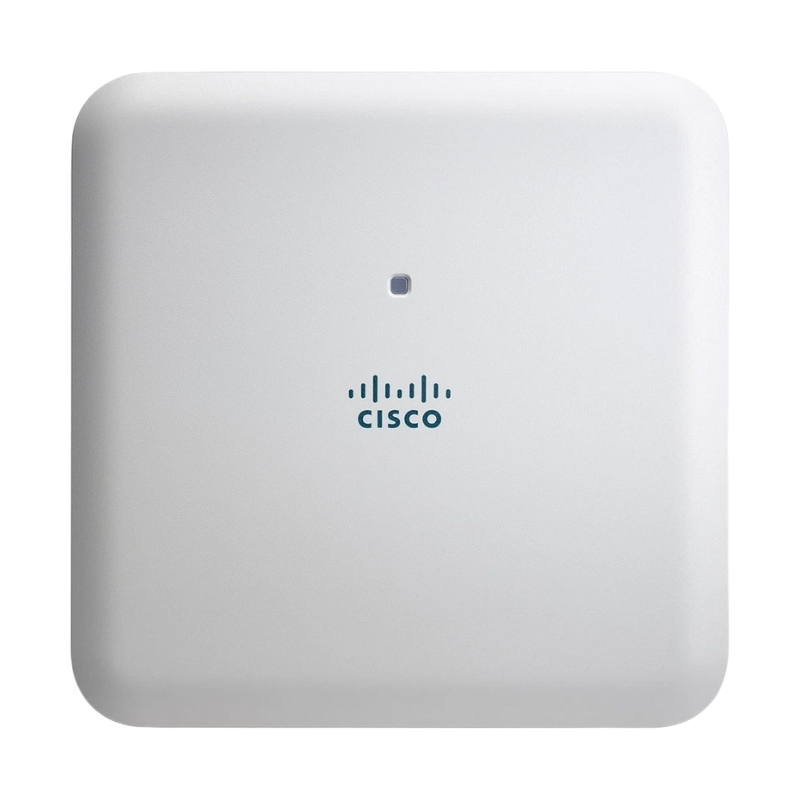


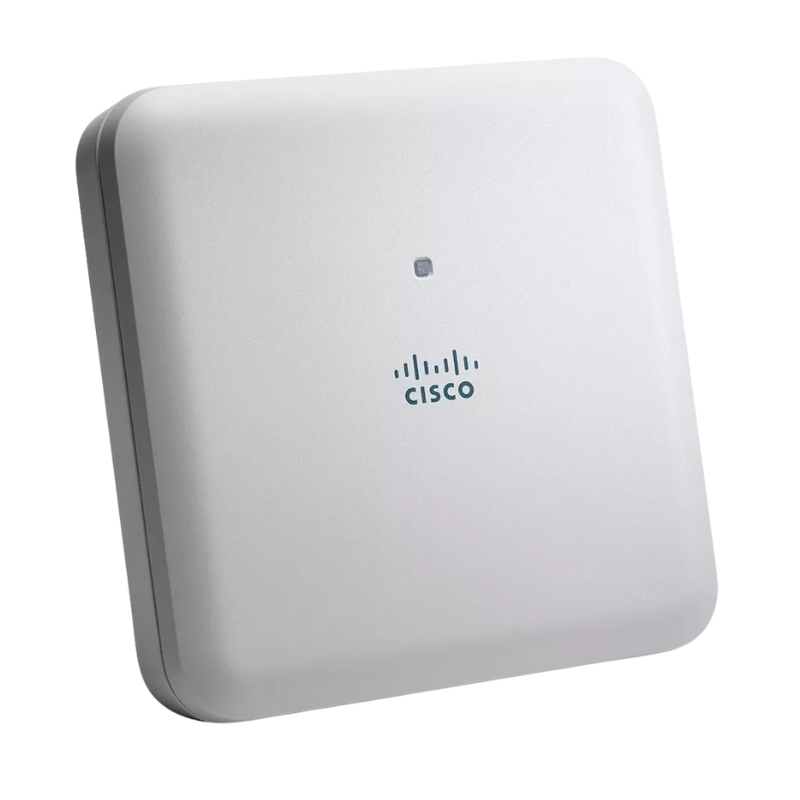
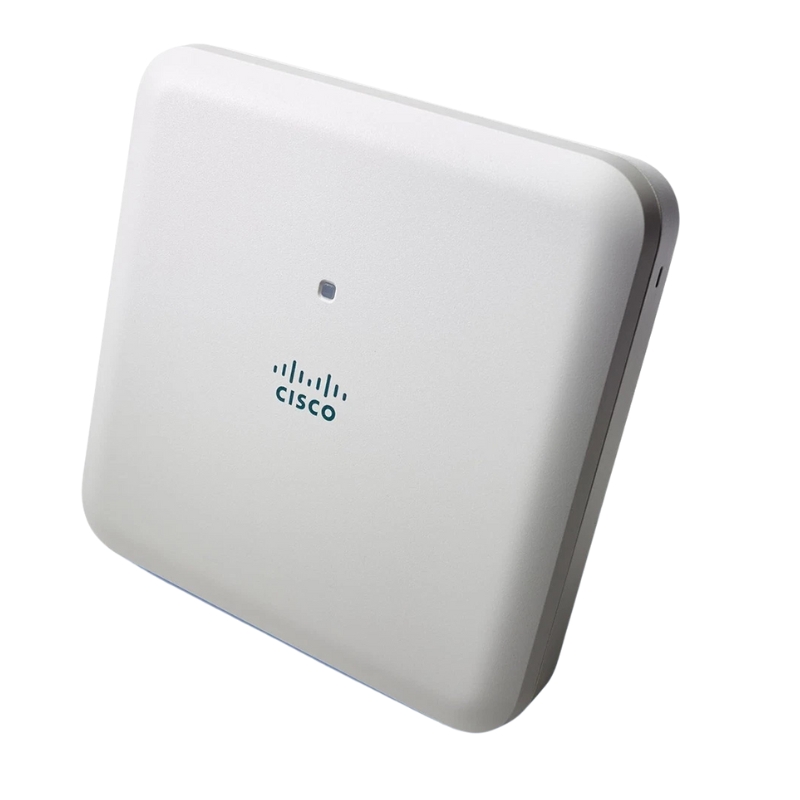
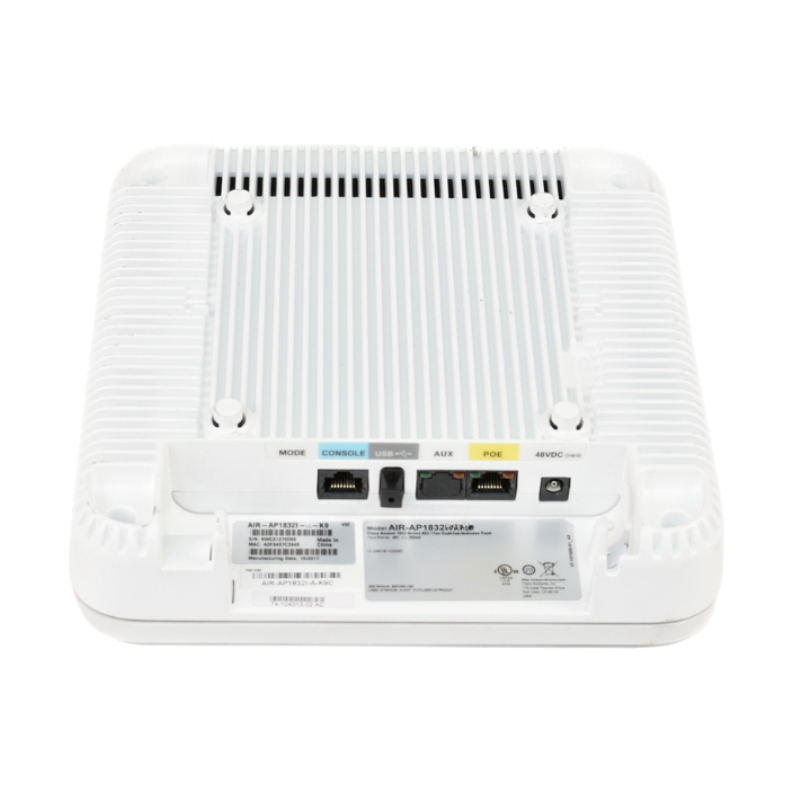
Cisco AIR-AP1832I-B-K9C 1 GBPS Wireless Access Point. Factory-Sealed New in Original Box (FSB) with 1 year replacement warranty
| SKU/MPN | Warranty | Price | Condition | You save |
|---|---|---|---|---|
| AIR-AP1832I-B-K9C | 1 Year Warranty | $990.00 | Factory-Sealed New in Original Box (FSB) | You save: $346.50 (26%) |
| AIR-AP1832I-B-K9C | 1 Year Warranty | $48.00 | Excellent Refurbished | You save: $16.80 (26%) |
The Cisco AIR-AP1832I-B-K9C Aironet wireless access point is a high‑performance, enterprise‑grade Wi‑Fi solution designed to deliver fast, stable, and intelligent connectivity for modern business environments. Built on the 802.11ac Wave 2 standard, this compact device supports speeds up to 1 Gbps, enhanced multi‑user performance, and optimized RF coverage across offices, classrooms, hospitality venues, and high‑density workspaces. Its integrated antenna system, streamlined form factor, and flexible power options make it an ideal choice for organizations seeking dependable wireless access with advanced security and scalability.
The networking landscape in modern enterprise environments continues to evolve with high-density connectivity requirements, seamless roaming capabilities, and scalable wireless infrastructure. Within this ecosystem, Cisco AIR-AP1832I-B-K9C 1 GBPS Wireless Access Point represents a robust access point category designed to support mid-to-large scale deployments where reliability, throughput, and intelligent radio frequency management are essential. This class of wireless access point is positioned for environments that demand consistent performance under simultaneous multi-user access, enabling organizations to maintain uninterrupted connectivity across diverse operational scenarios.
The category of enterprise-grade wireless access points such as this model is built around the principle of delivering stable gigabit-level wireless throughput, optimized coverage patterns, and integrated network intelligence. The device architecture emphasizes scalability, allowing organizations to expand wireless infrastructure without significant redesign of existing network topology. It is commonly deployed in structured environments where network congestion, interference management, and user density are critical concerns.
The underlying architecture of this class of wireless access point is based on distributed radio resource management and centralized or hybrid controller-based operation. This allows network administrators to dynamically allocate bandwidth, optimize channel selection, and reduce interference across multiple access points operating in proximity. The design is intended to support continuous communication between client devices and network services with minimal latency and packet loss.
In high-density deployments, the access point structure is optimized for multiple input multiple output communication patterns, enabling simultaneous data streams to multiple devices. This improves overall spectral efficiency and ensures that the available wireless medium is utilized effectively. The hardware design also integrates advanced signal processing capabilities that enhance coverage consistency in complex environments such as office buildings, educational campuses, and commercial facilities.
A defining characteristic of this category is its ability to support gigabit-class wireless throughput under optimal conditions. This performance level is achieved through dual-band operation, advanced modulation techniques, and optimized antenna design. The access point is engineered to handle concurrent traffic from numerous client devices without significant degradation in speed or reliability.
The system supports adaptive rate selection, allowing devices with varying capabilities to connect seamlessly while maintaining optimal network efficiency. This ensures backward compatibility with older wireless standards while maximizing performance for modern devices. The traffic handling capacity is designed for environments where continuous data exchange, such as video conferencing, cloud applications, and real-time collaboration tools, is a core requirement.
Effective radio frequency management is central to the performance of enterprise wireless infrastructure. This category of access point incorporates intelligent RF optimization features that continuously analyze spectrum usage and environmental interference. Through dynamic channel allocation and power adjustment mechanisms, the system reduces co-channel interference and improves overall network stability.
The device is designed to operate efficiently in dense RF environments where multiple wireless networks may overlap. It automatically adjusts transmission parameters to maintain optimal coverage while minimizing signal degradation. This adaptive behavior is essential in environments such as corporate campuses and shared office spaces where wireless congestion is common.
Deployment flexibility is a key advantage of this access point category. It is suitable for ceiling-mounted, wall-mounted, and structured installation environments depending on organizational requirements. The hardware form factor is designed for unobtrusive integration into modern architectural spaces while maintaining optimal signal distribution.
Installation processes typically involve integration with existing Ethernet infrastructure, often leveraging Power over Ethernet to simplify deployment. This reduces the need for additional power cabling and allows network engineers to deploy access points in optimal RF locations rather than being constrained by electrical outlet placement. The result is improved wireless coverage consistency across large physical spaces.
Security is a foundational aspect of enterprise wireless access point design. This category incorporates advanced encryption protocols to ensure that all wireless communication remains protected from unauthorized access. Authentication frameworks support secure user onboarding processes, allowing organizations to enforce access control policies at the network edge.
The system is compatible with modern enterprise security standards that protect data integrity and confidentiality across wireless transmissions. It also supports segmented network architectures, enabling separation of guest traffic from internal enterprise data streams. This reduces security risks and ensures compliance with organizational data governance policies.
Scalability is a defining requirement for modern wireless infrastructure, and this category is engineered to support seamless expansion. Multiple access points can be deployed across a network environment and coordinated through centralized management systems or distributed intelligence frameworks.
This coordination allows for seamless roaming, ensuring that client devices can move between coverage zones without connection drops. The system continuously evaluates signal strength and network load to determine optimal handoff timing. This is particularly important in environments such as hospitals, universities, and large office buildings where mobility is constant.
Network administrators can manage this category of access points through both cloud-based and on-premises management platforms. These systems provide visibility into network performance metrics, client connectivity patterns, and RF environment conditions. Centralized dashboards allow for efficient monitoring and configuration adjustments across multiple deployment sites.
Cloud-based management enables remote configuration and monitoring, reducing the need for on-site maintenance. On-premises systems provide organizations with greater control over network infrastructure, particularly in environments with strict data governance requirements. Both models support automated alerts and diagnostics to ensure continuous network reliability.
High-density environments present unique challenges for wireless networks due to the large number of simultaneous connections. This category of access point is designed to handle such scenarios by distributing network load efficiently and minimizing congestion. Advanced scheduling algorithms ensure fair bandwidth allocation among connected devices.
The system prioritizes latency-sensitive applications such as voice communication and video streaming, ensuring smooth performance even during peak usage periods. This makes it suitable for environments such as conference centers, lecture halls, and corporate meeting rooms where real-time communication is essential.
Compatibility is an important consideration in enterprise deployments, and this access point category is designed to integrate seamlessly with existing network infrastructure. It supports standard Ethernet connectivity and is compatible with a wide range of network switches, routers, and controllers commonly used in enterprise environments.
The system is also designed to work within hybrid network architectures where legacy and modern systems coexist. This ensures that organizations can upgrade wireless infrastructure incrementally without requiring complete network replacement. Compatibility with industry-standard protocols ensures smooth integration into diverse IT ecosystems.
Quality of Service mechanisms play a critical role in ensuring that network traffic is managed effectively. This category of access point supports traffic prioritization policies that allocate bandwidth based on application requirements. Time-sensitive applications receive higher priority to maintain performance consistency.
This ensures that essential services remain operational even during periods of heavy network usage. Administrative controls allow network managers to define traffic policies that align with organizational priorities and operational requirements.
Seamless mobility is essential in modern wireless networks. This category supports advanced roaming capabilities that allow devices to maintain uninterrupted connectivity while moving between coverage zones. The system continuously monitors signal quality and initiates handoff processes when necessary.
This ensures that applications such as voice over IP and video conferencing remain stable during movement. Mobility support is particularly important in large facilities where users frequently transition between different network areas.
Reliability is a core design objective in enterprise wireless infrastructure. This category of access point is built for continuous operation in demanding environments. Hardware stability and software optimization contribute to long-term operational consistency.
The system is engineered to minimize downtime and maintain consistent performance under varying load conditions. This makes it suitable for mission-critical environments where network availability is essential.


 Contact Us
 Information
 Catalog
 Solid State Drives (SSD)
 Network Switches
 Hard Disk Drives
 HBA & Controllers
 PC & Servers
 PC & Server Memory
 CPU & Processors
 Network Routers
 Power Supplies
 Tape Drives & Libraries
 Network Devices
 Computer & Network Cables