(7% discount is applied at checkout)
Cart is empty
Your go-to destination for cutting-edge server products
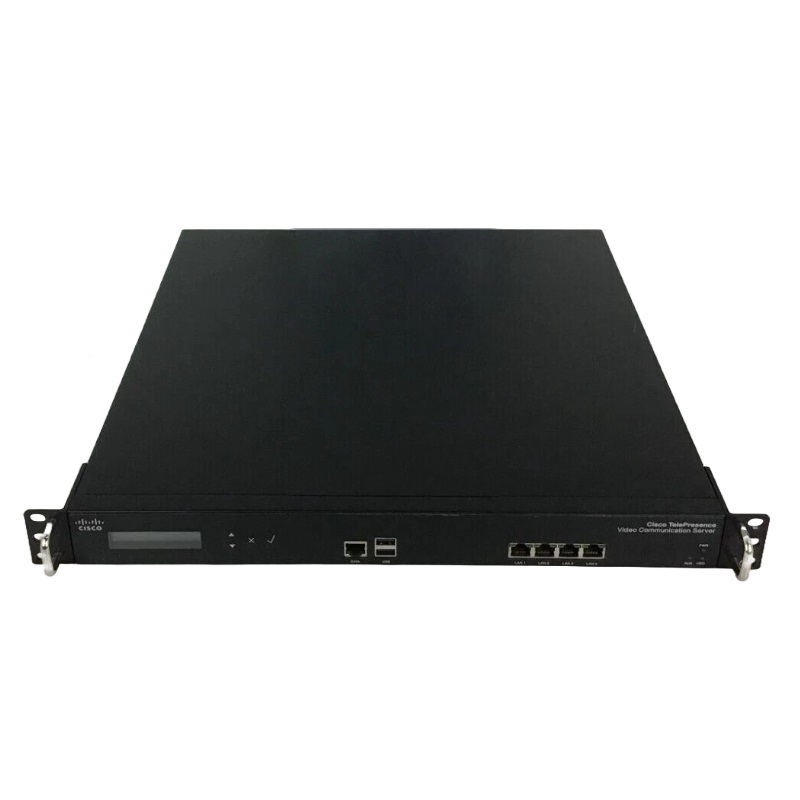


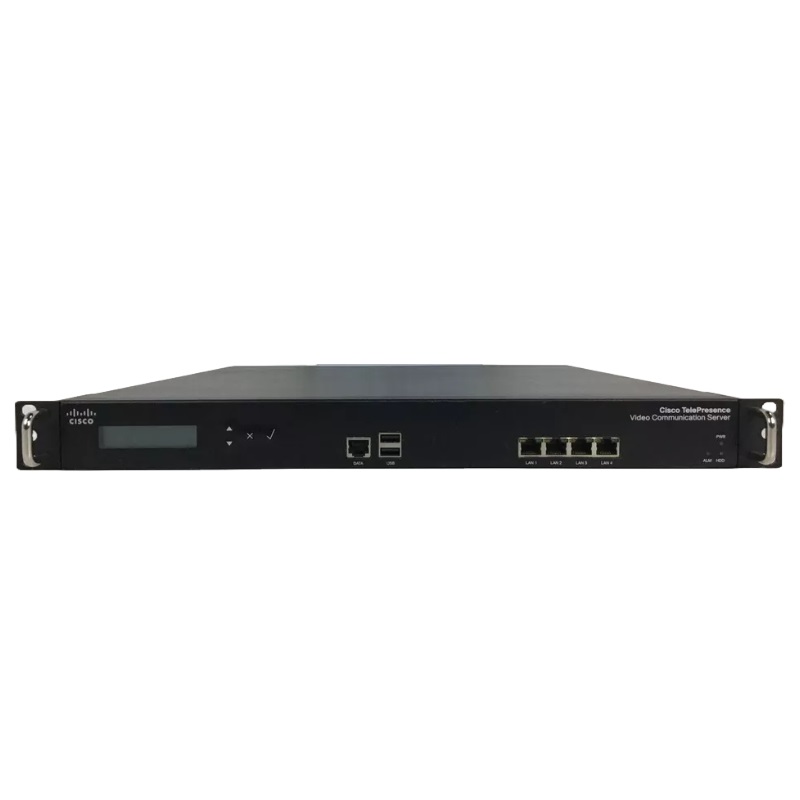
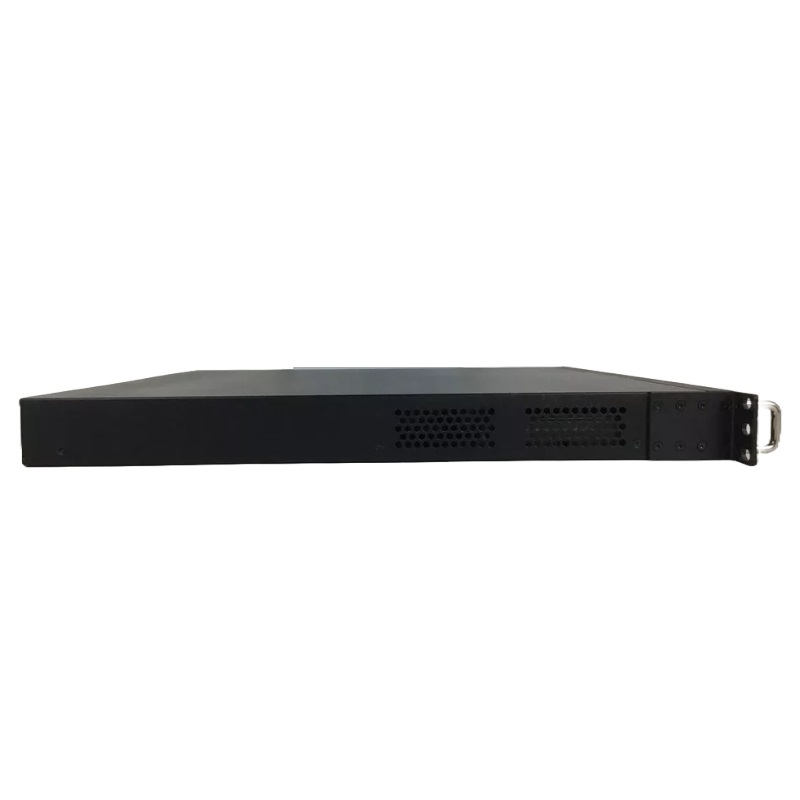
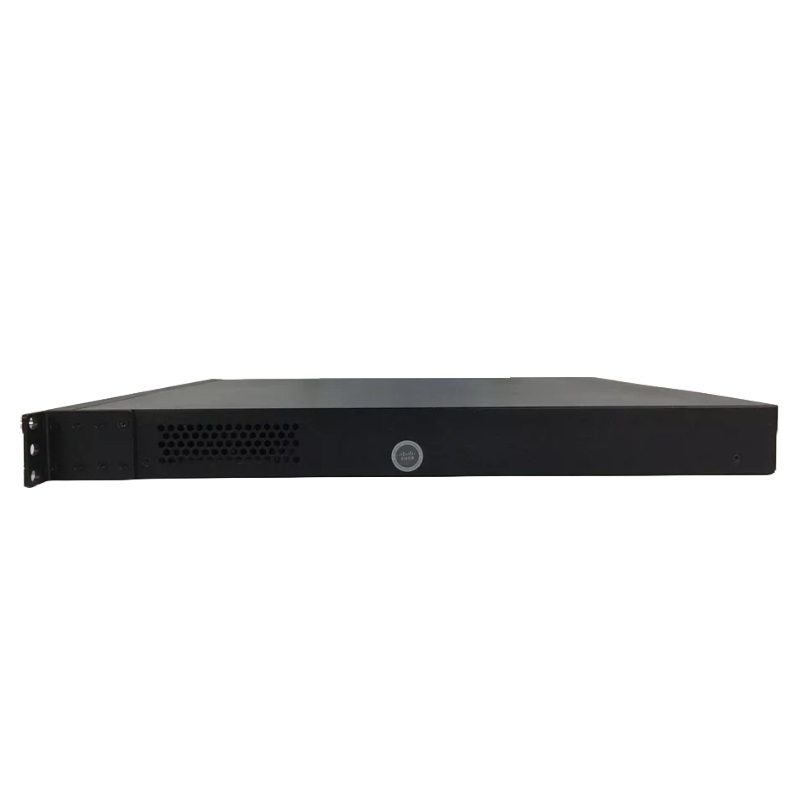
Cisco CTI-VCS-BASE-K9 Video Communication Server. Factory-Sealed New in Original Box (FSB) with 1 year replacement warranty
| SKU/MPN | Warranty | Price | Condition | You save |
|---|---|---|---|---|
| CTI-VCS-BASE-K9 | 1 Year Warranty | $580.00 | Excellent Refurbished | You save: $203.00 (26%) |
| CTI-VCS-BASE-K9 | 1 Year Warranty | Contact us for a price | Factory-Sealed New Retail in Original Box (FSB) |
The CTI-VCS-BASE-K9 Video Communication Server is a robust communication infrastructure solution designed to enable seamless voice, video, and data collaboration across enterprise environments. Built to support scalable unified communications, it delivers reliable performance for modern conferencing and telepresence systems while ensuring secure and efficient connectivity between distributed networks.
The Cisco CTI-VCS-BASE-K9 Video Communication Server represents a foundational component in enterprise-grade video communication environments, designed to enable seamless connectivity between endpoints, networks, and collaboration systems. It operates as a core signaling and traversal platform that supports scalable video conferencing architectures, ensuring reliable communication across internal enterprise networks, external partner domains, and remote user environments. The system is engineered to handle complex video traffic flows, supporting high-quality real-time communication while maintaining efficient routing of signaling and media streams.
This category of video communication infrastructure plays a central role in modern unified communications ecosystems where organizations require consistent video interoperability across multiple protocols, devices, and network boundaries. The Cisco CTI-VCS-BASE-K9 platform is widely deployed in environments where secure video connectivity, firewall traversal, and multi-domain communication are essential for operational continuity and digital collaboration.
The Cisco Video Communication Server functions as a signaling control system that manages session establishment, routing decisions, and traversal mechanisms for video communication flows. It enables endpoints to communicate regardless of network location or security boundaries, ensuring that video sessions can be established across complex infrastructures that include private networks, public internet segments, and segmented enterprise zones.
The architecture is designed to support both SIP and H.323 communication protocols, allowing interoperability between legacy systems and modern video conferencing endpoints. This dual-protocol support ensures that organizations can maintain compatibility with existing deployments while transitioning toward more modern communication frameworks.
The server acts as an intelligent intermediary that understands signaling logic, endpoint registration states, and routing policies, enabling efficient communication path selection for optimal performance and reliability.
Routing intelligence is a core function of the Cisco CTI-VCS-BASE-K9 platform. It enables dynamic decision-making for call establishment between endpoints based on network topology, domain rules, and traversal requirements. This intelligent routing capability ensures that video sessions are established through the most efficient and secure path available.
The system evaluates communication requests and determines how to handle signaling exchanges between endpoints that may exist in different network zones or organizational domains. This includes routing calls between internal corporate networks and external partners while maintaining secure communication policies.
Routing intelligence also supports distributed environments where multiple video communication servers operate together to provide global coverage and redundancy. This ensures that video sessions remain stable even in large-scale deployments involving multiple geographic regions.
One of the most significant strengths of the Cisco CTI-VCS-BASE-K9 system is its ability to support multiple communication protocols within a unified framework. SIP and H.323 remain widely used across enterprise video systems, and this platform ensures seamless interoperability between them.
By supporting both protocols, the system enables organizations to integrate legacy video conferencing equipment with modern collaboration tools. This flexibility is essential for enterprises undergoing digital transformation where older infrastructure must coexist with newer cloud-based or hybrid communication systems.
Protocol interoperability also ensures that external communication with partners, clients, and third-party systems can be established without requiring uniform platform adoption across all participants.
Modern enterprise networks are heavily secured with firewalls, NAT devices, and segmented network zones. These security mechanisms often create challenges for real-time video communication systems that require bidirectional media flow and consistent signaling paths. The Cisco CTI-VCS-BASE-K9 platform addresses these challenges through advanced traversal capabilities designed specifically for secure environments.
Firewall traversal functionality allows video sessions to pass through network security boundaries without compromising organizational security policies. The system intelligently manages signaling and media pathways so that communication can occur even when endpoints are located behind restrictive network configurations.
NAT traversal support ensures that endpoints located in private IP address spaces can still participate in video communication sessions with external participants. This capability is essential for remote workforce scenarios, partner collaboration, and cloud-based communication integration.
The Cisco CTI-VCS-BASE-K9 platform is a critical component in unified video communication architectures where multiple systems work together to deliver seamless collaboration experiences. It typically operates alongside call control systems, endpoint management platforms, and media processing servers.
In a unified architecture, the video communication server handles signaling and routing while other components manage call control logic and media processing functions. This separation of responsibilities allows each system to optimize performance for its specific role, resulting in improved scalability and reliability.
The platform also enables cross-domain communication, allowing different organizational units or partner networks to establish secure video connections without requiring direct network integration.
Scalability is a fundamental requirement in enterprise video communication environments. The Cisco CTI-VCS-BASE-K9 system is designed to support growing numbers of endpoints, increasing call volumes, and expanding organizational structures.
As organizations scale their communication infrastructure, the system can be deployed in clustered configurations that distribute load across multiple servers. This ensures consistent performance even during peak usage periods or large-scale video conferencing events.
Scalability also extends to geographic distribution, enabling organizations to deploy multiple video communication servers across different regions while maintaining centralized policy control and global communication reachability.
High availability is essential for mission-critical communication systems. The Cisco CTI-VCS-BASE-K9 platform supports clustered deployment models that enhance resilience and ensure continuous service availability even in the event of hardware or network failures.
In a clustered environment, multiple servers work together to distribute signaling workloads and maintain session continuity. If one node becomes unavailable, other nodes in the cluster take over communication responsibilities without disrupting active sessions.
This design ensures that organizations can maintain uninterrupted video communication services, which is particularly important for industries that rely heavily on real-time collaboration such as healthcare, education, government operations, and enterprise customer engagement.
The rise of hybrid work environments has significantly increased the demand for reliable remote video communication solutions. The Cisco CTI-VCS-BASE-K9 platform enables secure video connectivity for remote employees regardless of their physical location or network conditions.
Remote users can establish video sessions with internal enterprise systems or external participants without requiring direct exposure of internal network resources. This enhances security while maintaining accessibility for distributed workforces.
Hybrid workforce enablement also includes support for mobile devices, remote office setups, and home-based collaboration environments where network conditions may vary significantly.
The Cisco CTI-VCS-BASE-K9 system integrates closely with enterprise call control platforms to provide complete communication lifecycle management. Call control systems handle session initiation, policy enforcement, and endpoint registration, while the video communication server manages routing and traversal functions.
This integration ensures that video communication sessions are established according to organizational policies and security rules while maintaining optimal routing efficiency.
The combined architecture allows enterprises to manage both voice and video communication within a unified framework, improving operational consistency and administrative control.
Session management is a core function of the Cisco CTI-VCS-BASE-K9 platform. It is responsible for establishing, maintaining, and terminating video communication sessions based on signaling instructions and network conditions.
The system ensures that media streams are correctly negotiated between endpoints, supporting high-quality audio and video transmission across varying network environments. It also manages session continuity during network changes or endpoint transitions.
Media routing capabilities ensure that video traffic is directed through optimal network paths, reducing latency and improving overall communication quality.
Security is a critical requirement for any video communication infrastructure. The Cisco CTI-VCS-BASE-K9 platform incorporates multiple layers of protection to ensure secure communication between endpoints and systems.
Encryption support helps protect signaling and media traffic from unauthorized access. Authentication mechanisms ensure that only authorized endpoints can participate in communication sessions. Policy enforcement capabilities allow organizations to define communication rules based on user identity, network location, and device type.
These security mechanisms ensure that video communication remains protected across internal and external networks while maintaining compliance with organizational security standards.
Modern enterprises often operate across multiple domains, subsidiaries, and partner networks. The Cisco CTI-VCS-BASE-K9 system supports cross-domain communication, enabling video sessions between different organizational boundaries without requiring direct network integration.
This capability is essential for business collaboration, supply chain communication, and partner ecosystem integration where organizations must maintain secure yet flexible communication channels.
Cross-domain support ensures that enterprises can expand collaboration capabilities without compromising network segmentation or security policies.
Real-time video communication requires low latency, high reliability, and consistent bandwidth utilization. The Cisco CTI-VCS-BASE-K9 platform is optimized to handle real-time signaling efficiently, ensuring minimal delays during session establishment and communication flow.
Performance optimization includes intelligent routing decisions, efficient session handling, and adaptive handling of network conditions. These capabilities ensure that video communication remains stable even in environments with variable network performance.
The system is designed to maintain responsiveness during high call volumes, ensuring consistent user experience across enterprise deployments.
The Cisco CTI-VCS-BASE-K9 platform is widely used across multiple industries due to its flexibility and scalability. In enterprise environments, it supports internal collaboration and external partner communication. In education, it enables remote learning and virtual classrooms. In healthcare, it supports telemedicine and secure clinical communication. In government sectors, it facilitates secure interdepartmental communication and public service delivery.
Each deployment scenario benefits from the platform’s ability to manage secure, scalable, and interoperable video communication across complex network environments.
Operational visibility is essential for maintaining reliable video communication systems. The Cisco CTI-VCS-BASE-K9 platform provides monitoring capabilities that allow administrators to track system performance, session activity, and network behavior.
These monitoring functions help identify performance issues, optimize resource utilization, and ensure that communication services remain stable and efficient. Administrators can analyze signaling flows and detect anomalies that may affect communication quality.
As organizations continue to evolve toward hybrid and cloud-based communication environments, the Cisco CTI-VCS-BASE-K9 platform remains a foundational element for supporting scalable and secure video communication. Its architecture is designed to integrate with modern collaboration technologies while maintaining compatibility with existing infrastructure.
The system’s flexibility ensures that it can adapt to future communication requirements, including expanded remote work models, increased video collaboration demand, and integration with next-generation communication platforms.
This long-term adaptability makes it a critical component in enterprise communication strategies focused on scalability, security, and continuous innovation in video collaboration environments.


 Contact Us
 Information
 Catalog
 Solid State Drives (SSD)
 Network Switches
 Hard Disk Drives
 HBA & Controllers
 PC & Servers
 PC & Server Memory
 CPU & Processors
 Network Routers
 Power Supplies
 Tape Drives & Libraries
 Network Devices
 Computer & Network Cables