(7% discount is applied at checkout)
Cart is empty
Your go-to destination for cutting-edge server products
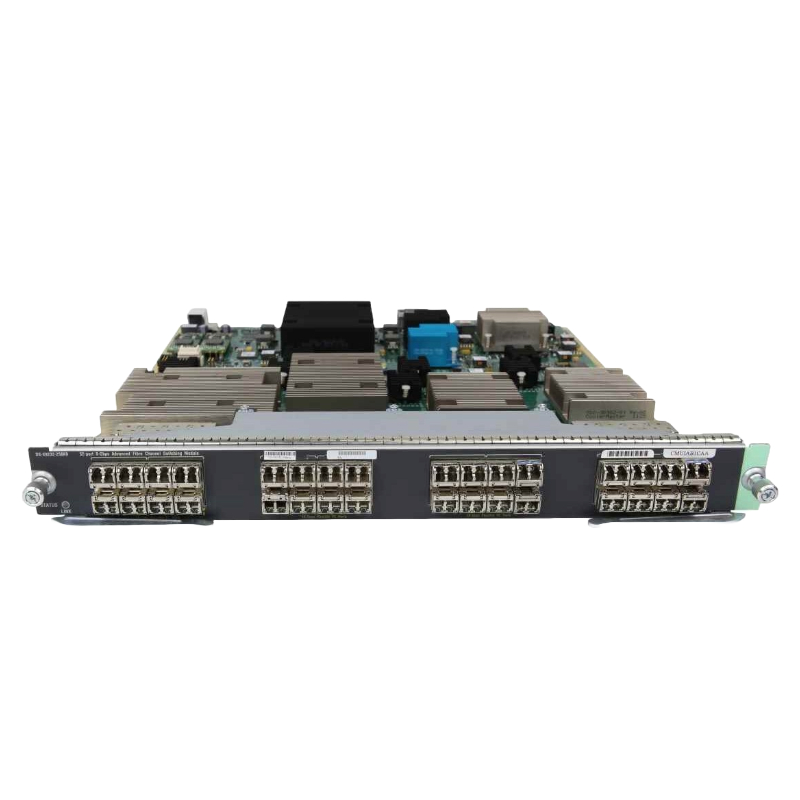


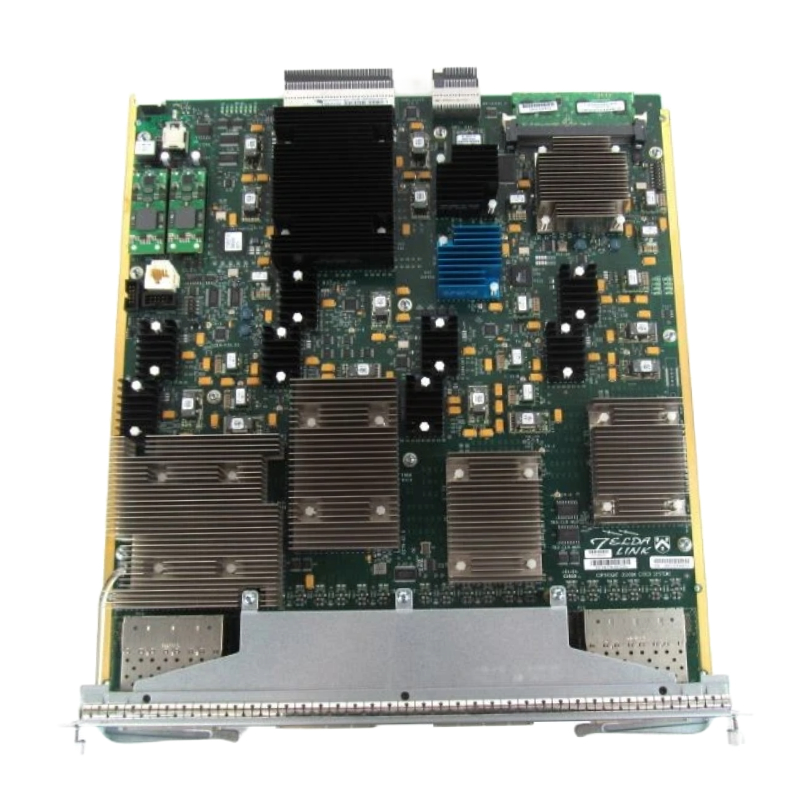
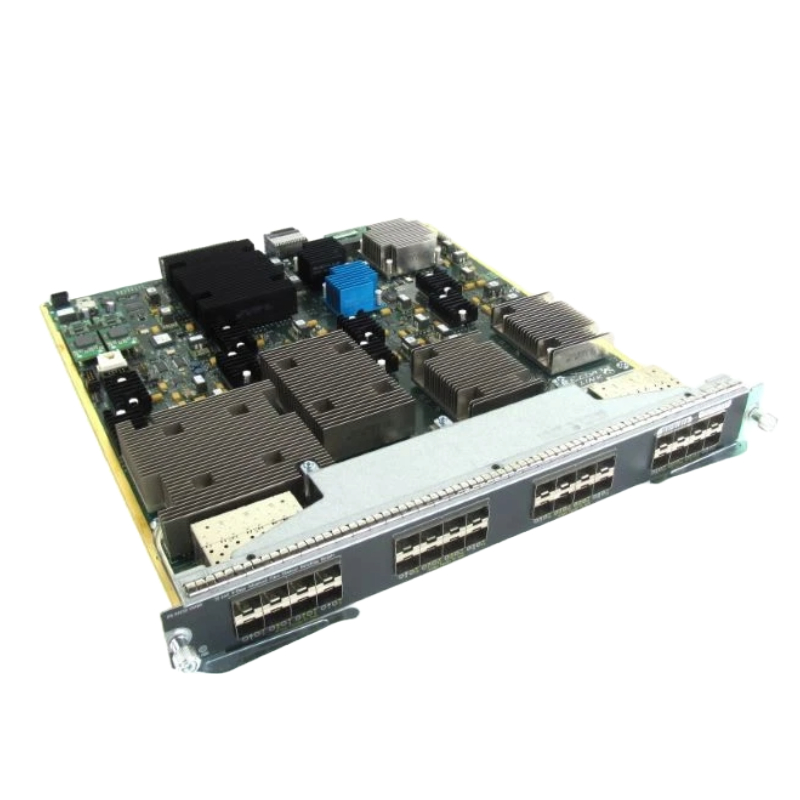
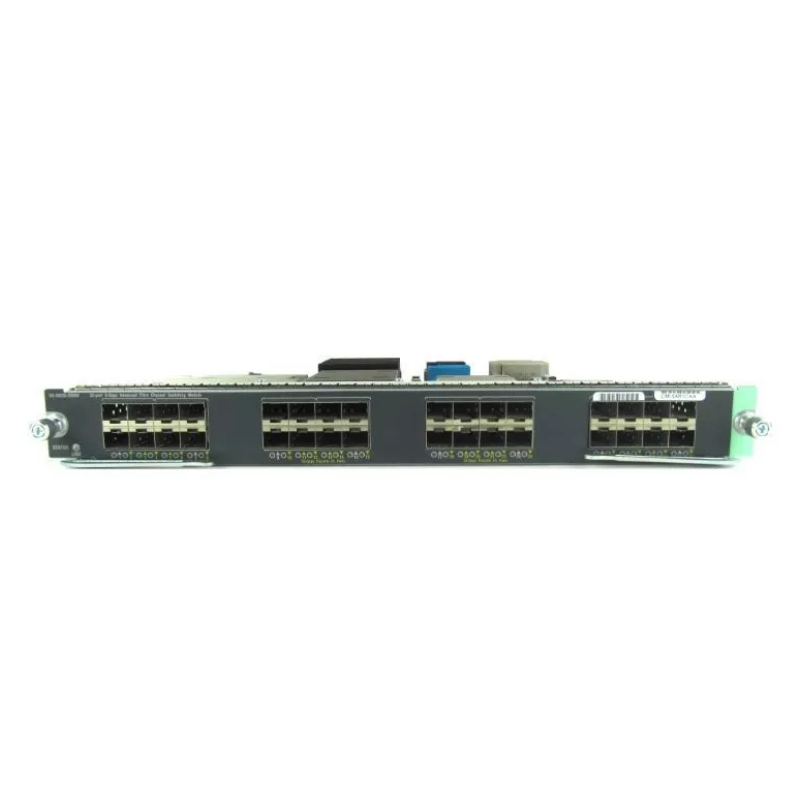
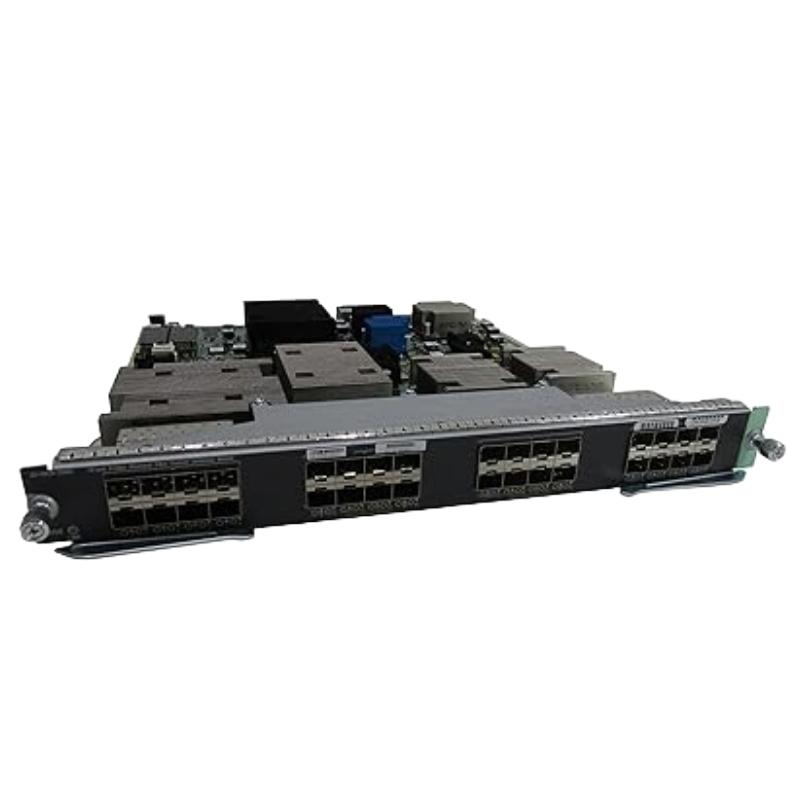
Cisco DS-X9232-256K9 32 Ports Switch Module 8GBPS Fibre Channel. Excellent Refurbished with 1 year replacement warranty
| SKU/MPN | Warranty | Price | Condition | You save |
|---|---|---|---|---|
| DS-X9232-256K9 | 1 Year Warranty | $940.00 | Factory-Sealed New in Original Box (FSB) | You save: $329.00 (26%) |
| DS-X9232-256K9 | 1 Year Warranty | $185.00 | Excellent Refurbished | You save: $64.75 (26%) |
The Cisco DS‑X9232‑256K9 32 Ports 8GBS MDS Advanced Fibre Channel Switching Module is a high‑performance, enterprise‑class SAN (Storage Area Network) switch module engineered to deliver exceptional connectivity, superior reliability, and advanced networking capabilities for data center environments. Designed as part of the Cisco MDS 9000 Family, this switching module supports 32 high‑speed Fibre Channel ports with 8‑Gbps capability, offering significant bandwidth and scalability for demanding storage traffic and mission‑critical applications. With full compatibility across Cisco MDS 9500 Series Multilayer Directors, this module provides robust line‑rate switching performance that enhances the efficiency of storage networking architectures while delivering investment protection and a lower total cost of ownership.
The DS‑X9232‑256K9 delivers 32 ports capable of 8‑Gbps Fibre Channel traffic, ensuring that large volumes of storage data can be switched quickly and reliably. These ports support line‑rate performance across all connected devices, making the module ideal for linking multiple storage subsystems or high‑performance host interfaces. The module’s ports are autosensing for 1/2/4/8‑Gbps traffic thus providing backward compatibility with existing infrastructure while also supporting future‑ready capacity.
This advanced switching module uses LC and SFP/SFP+ fiber optic interfaces that facilitate seamless integration with enterprise SAN environments and diverse optical network cabling standards including 10GBASE‑LW and 10GBASE‑SW. The hot‑swappable nature of the module allows it to be installed or replaced without interrupting chassis power or connected operations, reducing maintenance windows and improving data center uptime. The compact rack‑mountable form factor measures approximately 356 x 406 x 30 mm and weighs around 4.76 kilograms, positioning it as a space‑efficient solution that fits standard SAN chassis designs.
Engineered for reliability, the Cisco MDS 9000 8‑Gbps switching module operates effectively in a wide range of temperature and humidity conditions suitable for standard data center environments. With an operational temperature range from 0 to 40 °C and relative humidity tolerance from 10 % to 90 %, this module maintains peak performance even under fluctuating environmental conditions. Storage conditions extend beyond operational limits, with safe storage temperature ranges from ‑40 to 70 °C and relative humidity up to 95 %, ensuring that the equipment remains protected during transport or extended shelf periods.
The Cisco DS‑X9232‑256K9 supports consistent line‑rate switching on all 32 ports, delivering high throughput with minimal latency for SAN traffic. This full‑duplex performance enables simultaneous sending and receiving of data across the Fibre Channel network without bottlenecks. The module’s robust architecture allows for efficient traffic handling whether communications are localized within the same module fabric or traversing the switch backplane between modules, which is essential for large and complex storage topologies.
To support growing enterprise storage demands, the module enables high‑performance inter‑switch links that connect multiple Cisco MDS switches. ISLs benefit from advanced buffering technologies and support either 8‑Gbps or optional 10‑Gbps aggregated links, allowing SAN architects to construct flexible and scalable fabrics. This capability is crucial in distributed data environments where SAN expansion or high availability configurations require easy and efficient connectivity between multiple switching modules or directors.
Integrated hardware‑based VSAN and Inter‑VSAN Routing (IVR) support ensures secure segmentation and traffic isolation within the storage network, allowing administrators to partition the SAN logically to serve multiple applications or tenants. This function enhances performance isolation and resource allocation in multi‑tenant, virtualization‑driven infrastructures, enabling storage administrators to enforce policy, improve operational efficiency, and lower administrative overhead without additional physical switches.
Cisco’s Advanced Fibre Channel switching modules provide support for extensive buffer credits per port, optimizing SAN extension and traffic flow across long‑distance links. With up to 4095 buffer credits assignable under enhanced licensing models, storage environments benefit from extended reach without degradation in link performance. Additionally, PortChannel technology enhances link resilience by grouping multiple physical connections into a single logical channel, improving load balancing and redundancy across the SAN fabric.
The module supports advanced traffic management features, including Fibre Channel Congestion Control and Quality of Service (QoS) mechanisms that ensure mission‑critical data flows are prioritized and maintained at optimal performance thresholds. These intelligent fabric services help SAN administrators shape traffic dynamically, enabling predictable performance under diverse workloads and preventing congestive collapses in high‑throughput environments such as data backup streams, virtual machine migrations, and database replication tasks.
Integrated tools such as Fibre Channel Traceroute, Fibre Channel Ping, online diagnostics, and port‑level statistics provide deep visibility into network operations, which simplifies troubleshooting and accelerates fault isolation. Real‑time protocol debugging and Syslog reporting further augment administrators’ ability to manage large fabrics proactively by delivering actionable insights into performance anomalies or operational events.
The Cisco DS‑X9232‑256K9 is fully compatible with all Cisco MDS 9500 Series Multilayer Directors, offering investment protection for existing SAN deployments. Enterprises that leverage these directors benefit from uniform feature sets, consistent management experiences, and streamlined upgrades across their storage networking infrastructure. Compatibility with existing hardware reduces migration complexities and ensures that SAN expansions remain cost‑efficient and technically cohesive.
As modern data centers embrace virtualization, this switching module integrates seamlessly with virtual machine aware SAN deployments. IT teams can allocate resources efficiently and maintain SAN performance across clustered virtual machines, benefiting from Cisco VMpath technology that delivers visibility from the virtual machine layer down through the SAN fabric. In converged environments where LAN and SAN traffic coexist, the module’s adaptable connectivity helps unify data streams without sacrificing Fibre Channel performance or reliability.
Cisco’s Advanced Fibre Channel switching modules are designed to support heterogeneous enterprise environments, including mainframe FICON protocols and open systems Fibre Channel Protocol (FCP) traffic. The capacity to run mixed workloads across shared SAN infrastructures simplifies resource utilization in organizations that operate both modern distributed applications and legacy mission‑critical systems. VSAN‑based intermixing and integrated access control ensure that mainframe and FCP traffic flows are isolated and secure without compromising throughput or manageability.
For enterprises seeking to consolidate disparate storage networks into a unified SAN, the Cisco DS‑X9232‑256K9 delivers robust performance and flexible connectivity. Its ability to handle simultaneous multi‑gigabit Fibre Channel traffic across 32 ports makes it suitable for centralized data repositories, SAN‑based backups, and cross‑site replication topologies. By scaling SAN capacity with modular switching, organizations can reduce operational overhead while maximizing data accessibility and redundancy.
High‑performance computing clusters and virtualized data centers benefit from this module’s line‑rate capabilities and advanced traffic management. Large‑scale virtualization deployments often generate substantial SAN traffic, and the module’s autosensing ports adjust seamlessly to the optimal speed for connected devices, ensuring workloads such as large‑scale simulation computing or real‑time analytics are supported reliably.
In disaster recovery setups, the ability of SAN fabrics to maintain high‑speed synchronous and asynchronous replication is critical. The DS‑X9232‑256K9 supports extended reach connectivity with enhanced buffer credits and expansive link management tools, ensuring that mirrored data streams remain intact across geographically dispersed sites. Its integrated diagnostic and monitoring capabilities also provide the visibility needed to validate replication health and compliance with business continuity objectives.
For organizations deploying multi‑site SAN fabrics, the advanced switching module enables consolidated management and uniform policy enforcement across global network segments. With Cisco’s Virtual SAN (VSAN) partitioning and Inter‑VSAN Routing (IVR), each site can operate with independent logical SANs while maintaining centralized control for IO optimization and security governance. This flexibility helps enterprises reduce complexity while improving data availability across distributed data centers.


 Contact Us
 Information
 Catalog
 Solid State Drives (SSD)
 Network Switches
 Hard Disk Drives
 HBA & Controllers
 PC & Servers
 PC & Server Memory
 CPU & Processors
 Network Routers
 Power Supplies
 Tape Drives & Libraries
 Network Devices
 Computer & Network Cables