(7% discount is applied at checkout)
Cart is empty
Your go-to destination for cutting-edge server products
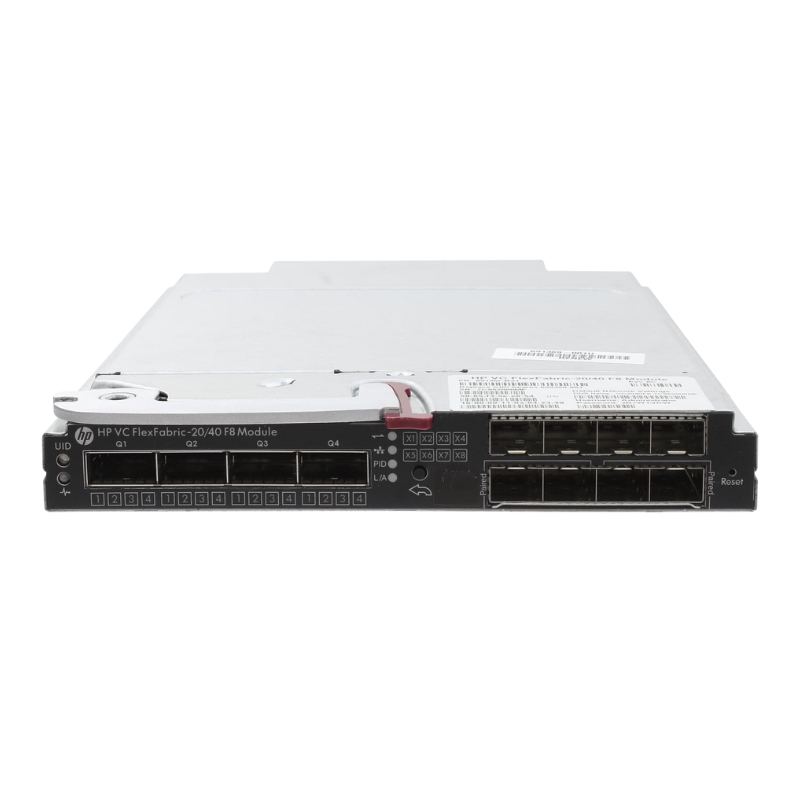


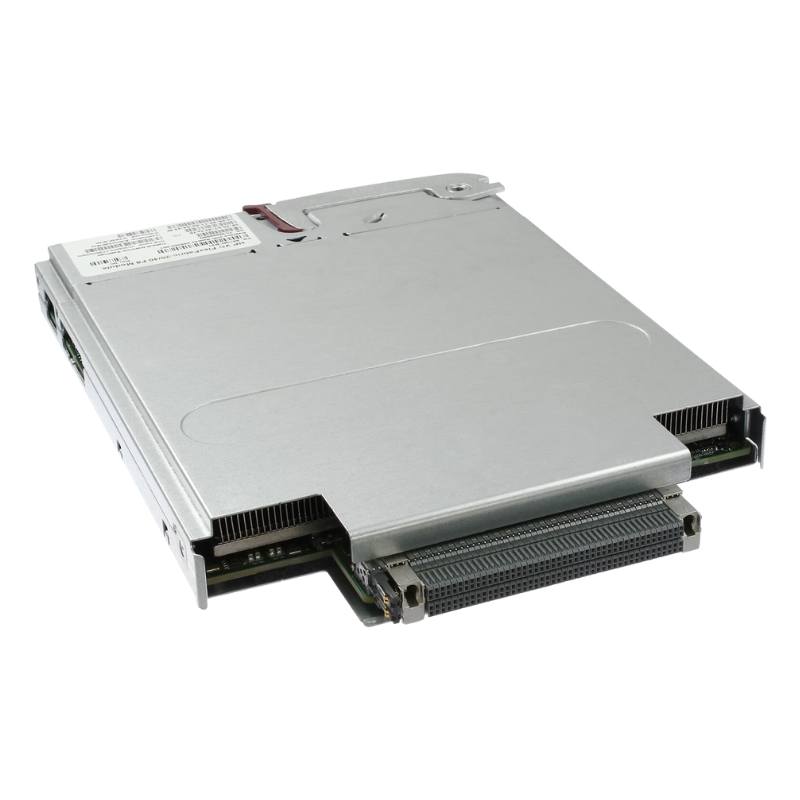
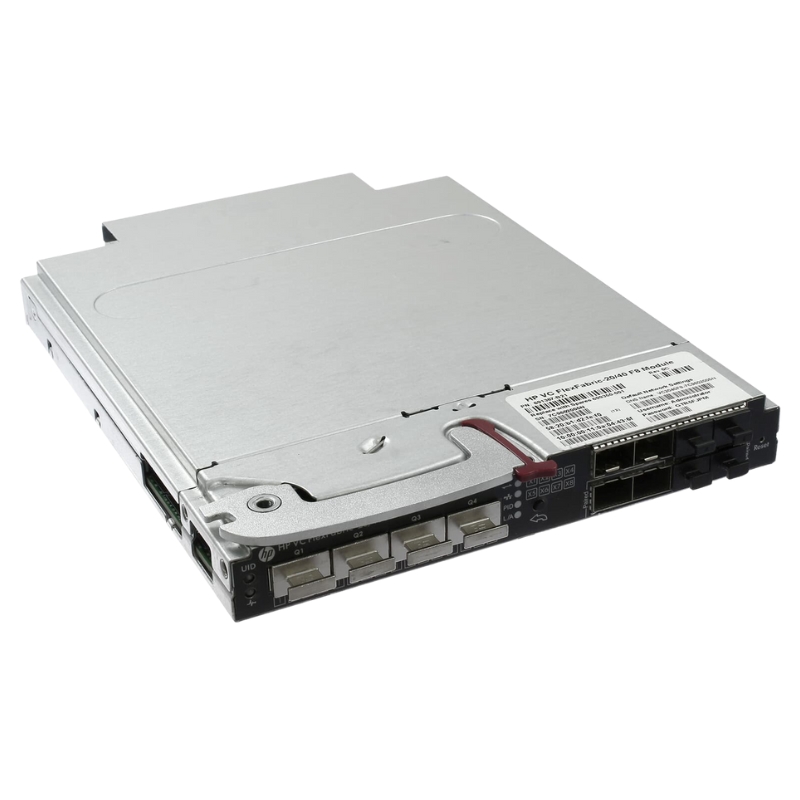
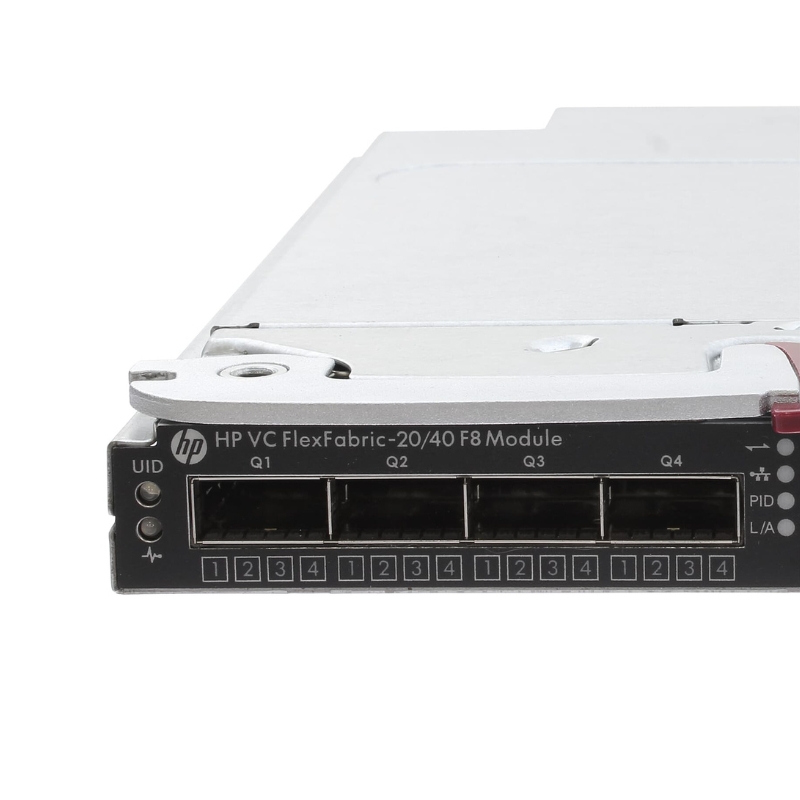
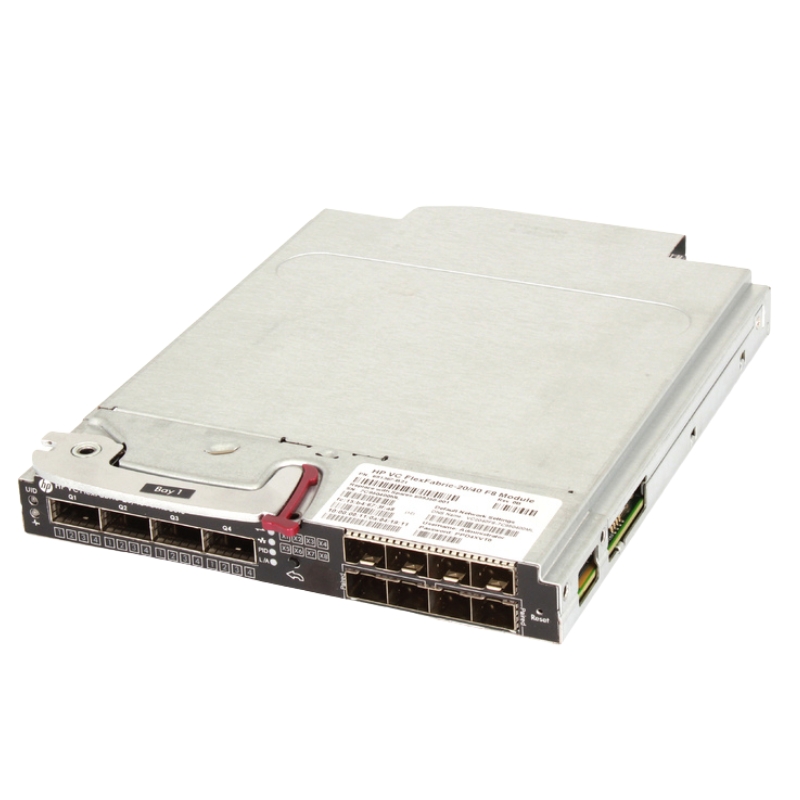
HPE 691369-001 Virtual Connect FlexFabric 20/40 F8 Module Switch. New Sealed with 1-Year Replacement Warranty
| SKU/MPN | Warranty | Price | Condition | You save |
|---|---|---|---|---|
| 691369-001 | 1 Year Warranty | $70.00 | Excellent Refurbished | You save: $24.50 (26%) |
| 691369-001 | 1 Year Warranty | $194.00 | New Sealed in Box (NIB) | You save: $67.90 (26%) |
The HPE 691369-001 Virtual Connect FlexFabric 20/40 F8 Module is a high-capacity expansion solution designed for enterprise blade systems. This advanced networking module delivers versatile connectivity, powerful throughput, and intelligent protocol support for modern data centers.
The HPE 691369-001 Virtual Connect FlexFabric 20/40 F8 Module Switch is an advanced interconnect solution designed for enterprise-grade blade server environments where high-performance networking, flexible fabric connectivity, and converged infrastructure management are essential. It is engineered to integrate seamlessly into HPE BladeSystem architectures, enabling administrators to simplify network configuration, reduce hardware sprawl, and optimize data center efficiency through virtualization-aware networking capabilities. This FlexFabric module provides a unified platform that supports Ethernet and Fibre Channel over Ethernet (FCoE), making it a critical component in modern converged data centers that demand both scalability and reliability.
The architecture of the HPE 691369-001 Virtual Connect FlexFabric 20/40 F8 Module Switch is built around the principle of network convergence. By combining multiple traffic types such as Ethernet, Fibre Channel, and iSCSI over a single physical infrastructure, the module eliminates the need for separate networking fabrics. This convergence reduces cabling complexity and improves airflow efficiency within blade enclosures, while also minimizing operational costs. The design ensures that both LAN and SAN traffic can coexist without performance degradation, which is essential for enterprise workloads such as virtualization clusters and database systems.
The switch module supports high-speed uplinks, typically configured for 20Gb or 40Gb Ethernet connectivity depending on enclosure configuration and licensing. This bandwidth scalability allows data centers to adapt to evolving workload requirements without requiring a complete infrastructure overhaul. The internal switching fabric is optimized for low-latency packet forwarding, ensuring that mission-critical applications experience consistent performance even under heavy load conditions. The architecture is also designed to minimize oversubscription ratios, which enhances predictable application behavior in dense virtualized environments.
At the core of this module is HPE Virtual Connect technology, which abstracts server hardware from the physical network. Instead of manually configuring individual server network identities at the switch level, administrators can define server profiles that include MAC addresses, WWNs, and boot parameters. This abstraction layer allows servers to be moved, replaced, or upgraded without requiring network reconfiguration. The result is improved operational agility and reduced downtime during hardware maintenance or scaling operations.
The inclusion of Fibre Channel over Ethernet support allows this module to integrate directly into enterprise storage area networks. This eliminates the need for separate Fibre Channel switches, reducing both cost and complexity. Storage traffic can be prioritized and segmented using quality-of-service policies, ensuring that latency-sensitive applications such as transactional databases and real-time analytics systems maintain optimal performance.
Mission-critical environments such as financial institutions, healthcare systems, and telecommunications providers require uninterrupted network availability. The HPE 691369-001 module supports redundancy through multiple uplink configurations and failover mechanisms. In the event of a link failure, traffic is automatically rerouted without manual intervention, ensuring continuous operation. This level of resilience is essential for organizations with strict uptime requirements and service-level agreements.
The internal switching fabric of the FlexFabric module is engineered to minimize packet processing delay. This low-latency design is crucial for workloads that depend on real-time data processing, such as high-frequency trading platforms and distributed computing systems. The architecture ensures that data packets are forwarded efficiently across uplinks without unnecessary buffering or congestion delays.
Advanced Quality of Service capabilities enable administrators to prioritize critical network traffic over less time-sensitive data streams. This ensures that applications such as voice over IP, video conferencing, and storage replication receive appropriate bandwidth allocation. QoS policies can be dynamically adjusted based on workload demands, allowing for flexible network optimization in changing operational conditions.
The HPE 691369-001 Virtual Connect FlexFabric 20/40 F8 Module Switch is specifically designed for integration into HPE BladeSystem enclosures. Its modular form factor allows it to be installed directly into the interconnect bays of supported chassis, enabling direct communication with server blades through the midplane architecture. This tight integration reduces external cabling requirements and enhances signal integrity.
The server profile system is a key component of the FlexFabric architecture. It enables administrators to define and assign network identities independently of physical hardware. These profiles can be stored centrally and applied to any compatible blade server, allowing for rapid provisioning and simplified hardware replacement. This approach significantly reduces configuration errors and accelerates deployment cycles.
Security is a fundamental aspect of the HPE FlexFabric design. The module includes access control mechanisms that restrict unauthorized devices from joining the network fabric. Administrators can define policies that govern which servers and workloads are permitted to communicate across specific network segments, reducing the attack surface within the data center.
Management traffic between the module and administrative interfaces is protected through encrypted communication protocols. This ensures that configuration data, authentication credentials, and monitoring information are safeguarded against interception or tampering. Secure management channels are essential for maintaining compliance with enterprise security standards.
Sensitive workloads such as financial records, healthcare data, and intellectual property can be isolated using virtual network segmentation. This isolation ensures that unauthorized access is prevented even within shared infrastructure environments. Combined with role-based access controls, this provides a robust security framework for enterprise deployments.
As networking standards continue to evolve, the FlexFabric architecture is designed to accommodate new protocols and speed enhancements. This forward-compatible design ensures that organizations can adopt emerging technologies without requiring complete infrastructure replacement. This adaptability is critical in environments where technological evolution is rapid and continuous.
The module supports cloud-ready architectures by enabling automated provisioning and dynamic workload balancing. This makes it suitable for hybrid cloud environments where workloads are distributed between on-premises infrastructure and cloud platforms. The ability to maintain consistent network policies across environments enhances operational efficiency and governance.


 Contact Us
 Information
 Catalog
 Solid State Drives (SSD)
 Network Switches
 Hard Disk Drives
 HBA & Controllers
 PC & Servers
 PC & Server Memory
 CPU & Processors
 Network Routers
 Power Supplies
 Tape Drives & Libraries
 Network Devices
 Computer & Network Cables