(7% discount is applied at checkout)
Cart is empty
Your go-to destination for cutting-edge server products
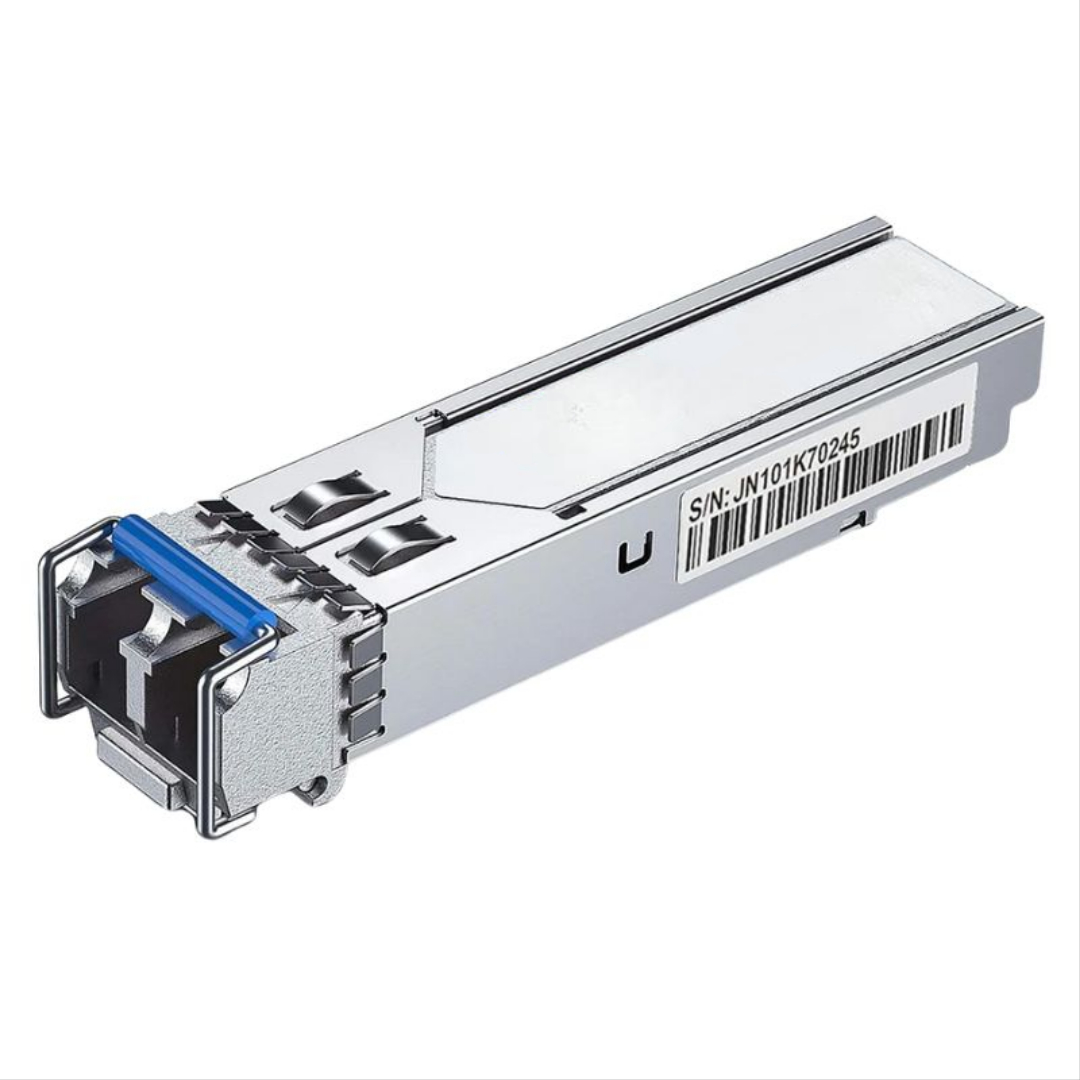


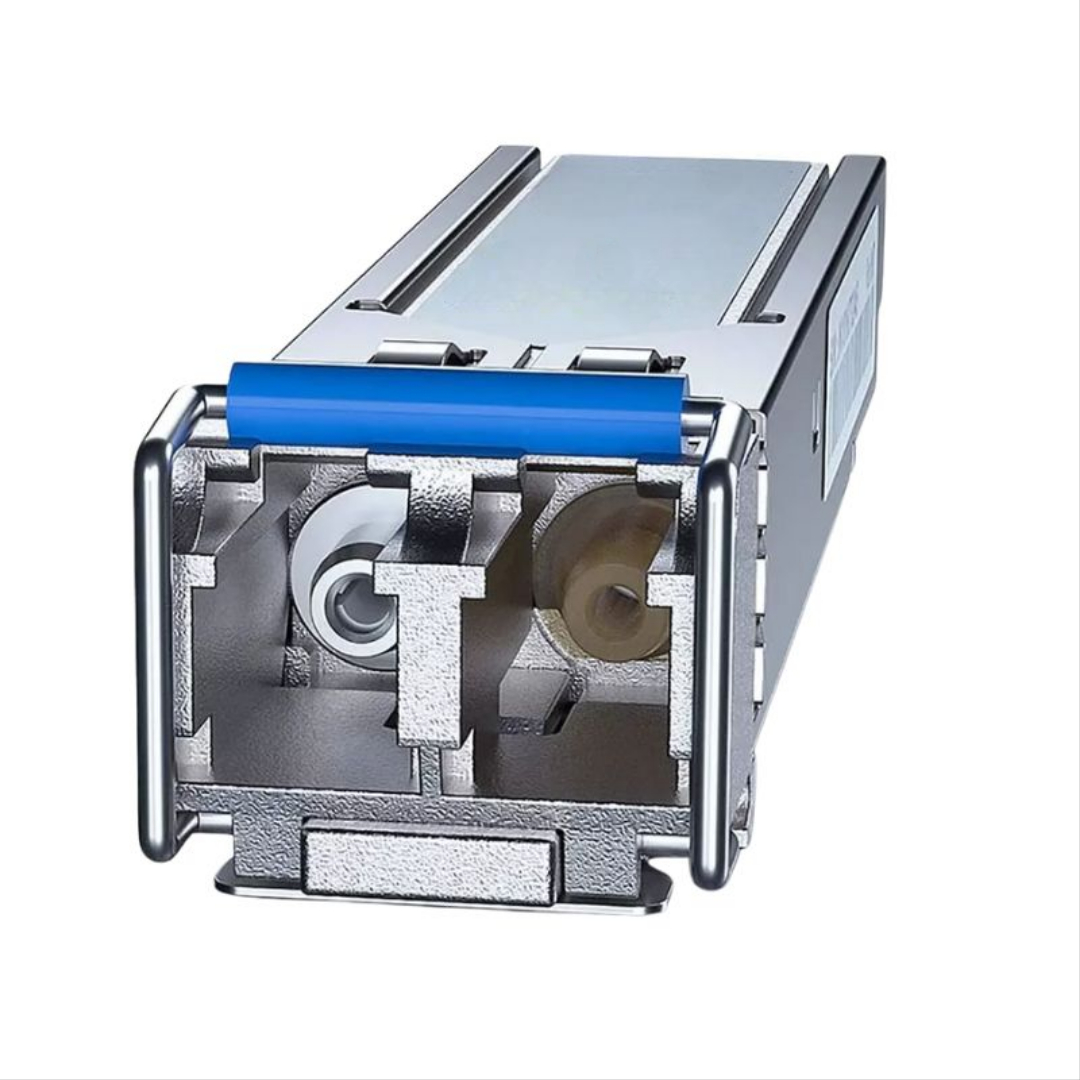
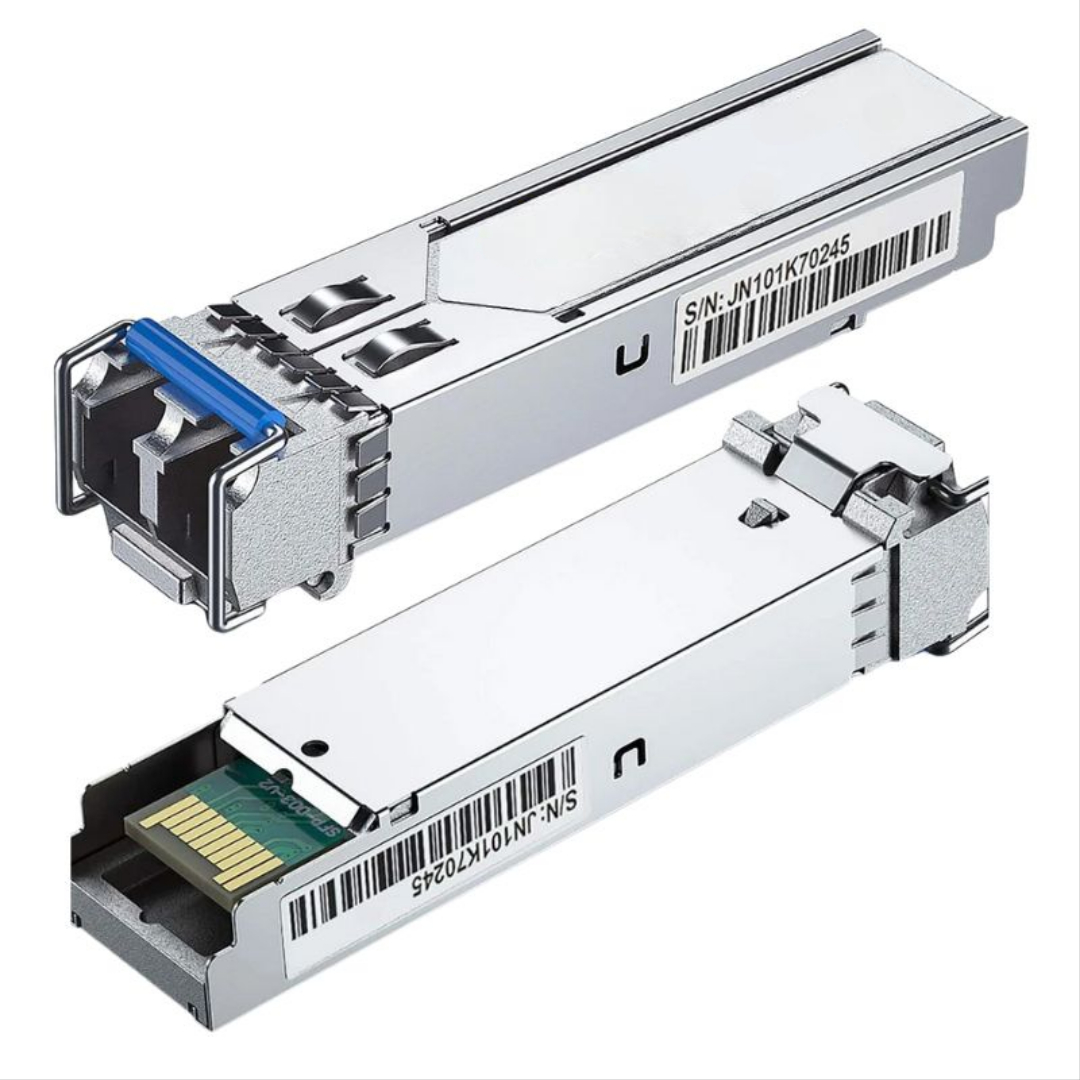
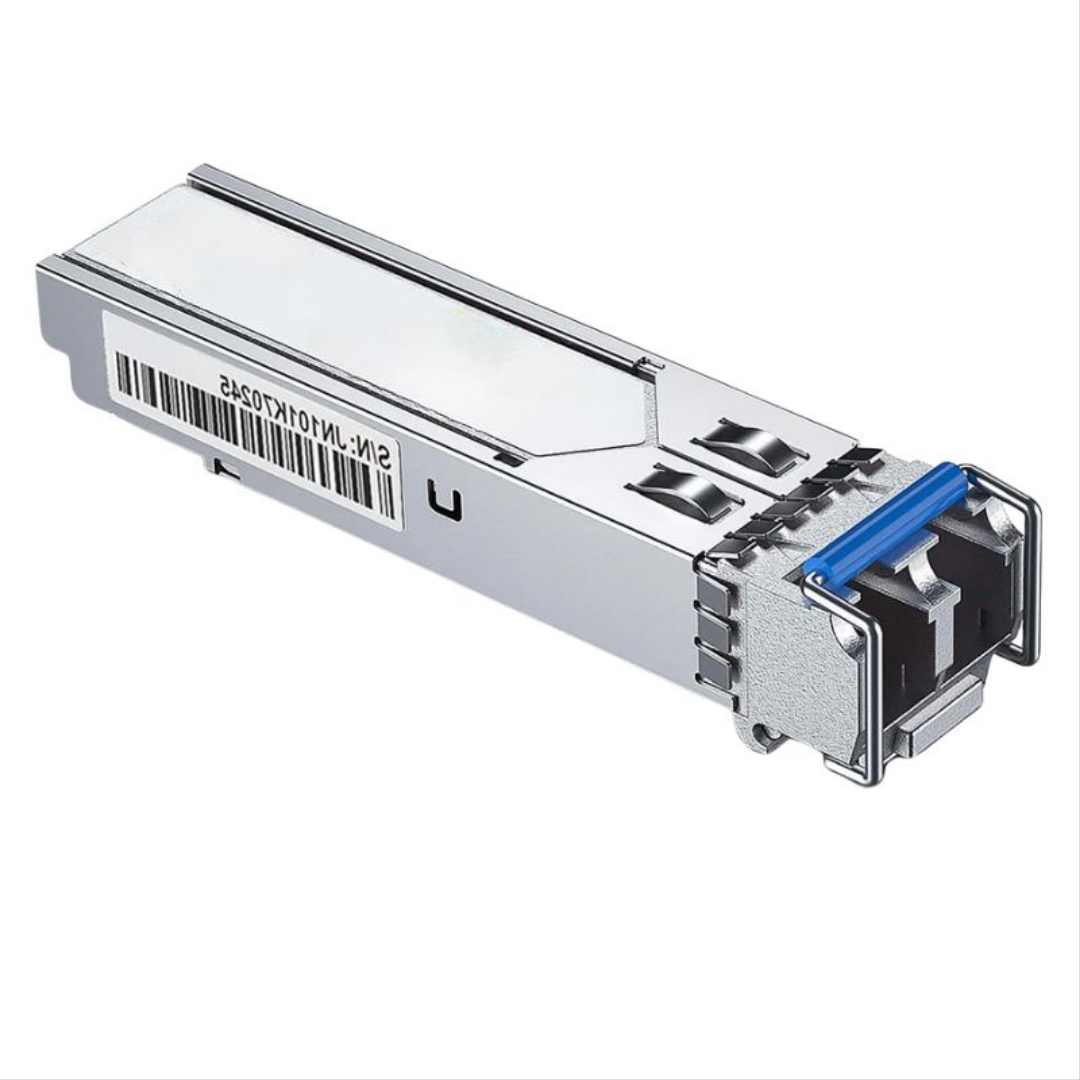
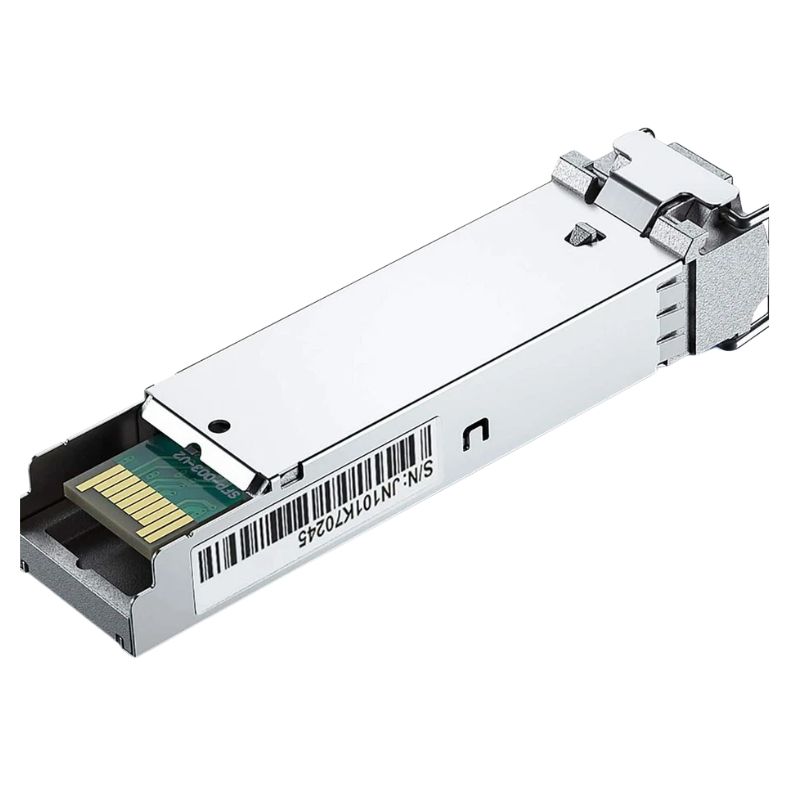
Cisco GLC-FE-100ZX 100Mbps 100Base-ZX Single-Mode Fiber 80km 1550nm Duplex LC Connector SFP Transceiver Module. Excellent Refurbished with 1 year replacement warranty
The Cisco GLC-FE-100ZX is a 100Mbps Small Form-Factor Pluggable transceiver engineered for long-distance Fast Ethernet fiber deployments. Built for 100BASE-ZX connectivity, this optical module uses a 1550nm wavelength over single-mode fiber and supports transmission distances of up to 80 kilometers. With its duplex LC interface and compact SFP form factor, it is a practical choice for organizations that need dependable long-reach optical networking in campus, enterprise, telecom, and industrial environments.
The Cisco GLC-FE-100ZX 100Mbps 100Base-ZX Single-Mode Fiber 80km 1550nm Duplex LC Connector SFP Transceiver Module belongs to a specialized class of Cisco optical interface modules engineered for Fast Ethernet fiber deployments that require dependable long-distance communication over single-mode fiber infrastructure. This transceiver category is especially relevant in enterprise, carrier, industrial, campus, and public sector environments where copper cabling cannot satisfy reach requirements and where network planners need a compact pluggable module capable of transporting 100Mbps Ethernet traffic across very long optical spans. Operating as a 100BASE-ZX SFP, the module is designed for use in compatible Cisco switches, routers, and network platforms equipped with Fast Ethernet SFP ports or dual-rate interfaces that support the corresponding optical standard.
In long-reach optical networking, distance, signal stability, and platform compatibility are just as important as raw throughput. The Cisco GLC-FE-100ZX category addresses these priorities by combining a 1550nm optical wavelength, single-mode fiber operation, duplex LC connectivity, and an extended transmission reach of up to 80 kilometers. This makes the module particularly attractive for organizations that need to connect remote offices, regional branches, municipal sites, utility locations, warehouse facilities, production campuses, border locations, transportation hubs, or distributed service nodes without redesigning their Ethernet architecture around short-range media. It serves as a practical optical building block for organizations that still maintain or expand Fast Ethernet networks in access, aggregation, industrial, or infrastructure environments.
The category is not simply about a plug-in optical part. It represents a long-distance Fast Ethernet connectivity solution within the broader Cisco SFP ecosystem. A module such as the Cisco GLC-FE-100ZX provides the physical interface that allows data frames to move from electrical switching or routing hardware into optical signals that can travel over single-mode fiber at long distances with low attenuation. Because of that role, the transceiver is a crucial link between network electronics and the physical cabling plant. It influences link reliability, signal integrity, deployment flexibility, maintenance strategy, and future network planning.
Cisco offers a wide range of Small Form-Factor Pluggable transceiver modules for different Ethernet speeds, wavelengths, connector styles, and fiber types. Within that broad ecosystem, the GLC-FE-100ZX sits in the Fast Ethernet optical segment rather than the Gigabit Ethernet or 10 Gigabit Ethernet classes. Its purpose is focused on 100Mbps transport using 100BASE-ZX optical signaling over single-mode fiber. That positioning is important because many organizations still operate 100Mbps fiber links in legacy enterprise networks, utility infrastructure, industrial control environments, field communication systems, and edge networks where the installed equipment, bandwidth demand, and budget model do not require immediate migration to higher rates.
The Cisco GLC-FE-100ZX is distinct from shorter-reach Fast Ethernet modules such as 100BASE-FX and 100BASE-LX options, and it is also different from 100BASE-EX variants that target intermediate distances. In the Cisco Fast Ethernet SFP lineup, the ZX classification is the long-distance option, intended for applications where a 10km or 40km optical budget is not enough. This makes it highly relevant for operators who must cross metropolitan areas, connect rural sites, bridge regional campuses, or deliver network service to locations separated by substantial physical distance.
As part of the Cisco modular optics category, the module follows the practical advantages associated with SFP technology: compact dimensions, hot-swappable installation in supported equipment, simplified sparing, and the ability to tailor port media to the actual cabling environment. Instead of purchasing a separate fixed-port optical device for each link type, organizations can deploy Cisco platforms with SFP-capable interfaces and then populate each port with the transceiver type that matches the site design. In this framework, the GLC-FE-100ZX becomes the preferred module when the design calls for 100Mbps optical connectivity across long-haul single-mode fiber links.
The first defining trait is speed. This module supports 100Mbps Fast Ethernet operation rather than Gigabit Ethernet. While some network buyers focus only on the highest possible data rate, a large installed base of operational environments still uses Fast Ethernet for reasons that include application fit, hardware compatibility, power considerations, industrial system requirements, and budget-conscious infrastructure planning. Surveillance backhaul, building management systems, telemetry aggregation, utility control traffic, remote terminal communications, serial-over-IP infrastructure, and low-to-moderate bandwidth access links can still be effectively served by a 100Mbps optical uplink.
For these environments, the Cisco GLC-FE-100ZX offers an appropriate balance of performance and reach. It allows network teams to maintain Fast Ethernet architecture while extending service far beyond the limits of copper cabling or short-range multimode fiber. In situations where the remote endpoint only needs stable transport for moderate traffic loads, the module can deliver practical value without forcing an immediate redesign around higher-speed optics and new switching platforms.
The ZX designation indicates an extended-distance optical implementation intended for long single-mode fiber spans. In the Cisco Fast Ethernet module family, 100BASE-ZX occupies the long-reach segment, allowing network designers to bridge much greater distances than would be practical with standard short-range or mid-range transceivers. This long-haul capability makes the category suitable for remote access infrastructure, regional enterprise links, campus-to-campus communication, and carrier edge environments where a simple Ethernet handoff must travel a substantial distance over fiber.
Extended-distance optics require careful balancing of transmitter power, receiver sensitivity, and link budget. The Cisco GLC-FE-100ZX category is designed to support those needs in a standardized pluggable form factor. Its value lies not only in transmitting an Ethernet signal, but in doing so with the optical characteristics necessary to preserve integrity over long spans of single-mode cable where attenuation, splice losses, connector losses, and environmental conditions can all affect signal quality.
The module is built for single-mode fiber rather than multimode fiber. Single-mode fiber is the medium of choice for long-distance optical communication because it offers significantly lower attenuation and supports far greater transmission distances than multimode cable. In practical networking terms, this means the Cisco GLC-FE-100ZX is intended for infrastructures where the cabling plant has been designed for long-haul or campus-spanning optical transport rather than short building-to-building multimode runs.
Single-mode fiber is common in metropolitan access networks, carrier handoff environments, utility backbones, campus backbones, transportation systems, public safety communication paths, and inter-building links across large industrial properties. When organizations already have single-mode cabling in place, a transceiver like the GLC-FE-100ZX can provide a highly efficient way to activate or expand long-range Ethernet services using existing optical pathways.
The Cisco GLC-FE-100ZX uses a 1550nm wavelength, a characteristic closely associated with long-distance single-mode optical transmission. In optical networking, wavelength selection matters because it affects attenuation characteristics, compatibility with the intended optics design, and performance over extended spans. A 1550nm long-wave optical signal is well suited to the reach profile expected from a ZX-class transceiver, making it a natural choice for very long single-mode links.
For network planners, the wavelength specification is not a minor footnote. It influences patching discipline, compatibility checks, inventory control, and the pairing of modules at opposite ends of a link. It also helps distinguish the GLC-FE-100ZX from other Cisco Fast Ethernet SFP options such as LX, BX, or EX models that use different wavelengths or transmission methods. The 1550nm identity of this module is central to its long-range optical role.
The duplex LC connector format supports separate transmit and receive fiber paths and aligns with common enterprise and service-provider optical patching practices. LC connectors are compact, widely adopted, and well suited to dense switching and routing platforms where panel space and cable management are important. A duplex LC arrangement also fits cleanly into structured fiber environments that use LC patch panels, LC patch cords, and standardized cable labeling systems.
For organizations managing large optical estates, connector consistency is a major operational advantage. A Cisco transceiver with a duplex LC interface integrates neatly into existing patching workflows, making it easier to document, install, replace, and troubleshoot links. The compact connector footprint also supports higher port density in equipment rooms and data communication closets where space efficiency matters.
Large educational institutions, hospitals, business parks, manufacturing campuses, logistics centers, and government compounds often span multiple buildings spread across extensive grounds. Some of these facilities continue to operate a mix of modern and legacy access systems, with Fast Ethernet still present in certain buildings, labs, utility spaces, or security facilities. The Cisco GLC-FE-100ZX can be used to connect such buildings back to a central switch or router over existing single-mode campus fiber where distances exceed the reach of LX-class modules.
In a campus environment, the module may support traffic from local access switches, security systems, telephony infrastructure, badge control systems, environmental monitoring, or specialized operational networks. Because the optical span can reach much farther than a standard building-to-building link, the module is also useful for connecting remote storage buildings, sports complexes, parking facilities, and perimeter structures that sit well outside the main cluster of campus buildings.
Organizations with geographically distributed offices often require a simple, dependable way to connect small branches or remote work sites to a regional hub. In scenarios where dark fiber, leased fiber, municipal fiber, or carrier-provided optical infrastructure is available, a Cisco GLC-FE-100ZX module can support long-distance Fast Ethernet handoffs between branch devices and upstream aggregation equipment. This is especially relevant for retail chains, financial institutions, municipal agencies, healthcare groups, and education networks that maintain a wide geographic footprint but do not need high-capacity transport at every remote site.
Because the module is designed for long single-mode spans, it can support regional topologies where the distance between a central office and a satellite location would exceed the capabilities of shorter-range optics. This can simplify WAN edge design for smaller sites that still rely on Cisco Fast Ethernet interfaces.
Industrial operations and utility networks frequently involve dispersed assets such as substations, pump stations, generation facilities, treatment plants, yard equipment, control rooms, and maintenance depots. These environments often rely on ruggedized or long-life network architectures where Fast Ethernet remains common, particularly at the operational edge. The Cisco GLC-FE-100ZX category fits these environments when the network must traverse long outdoor or regional single-mode fiber paths between control points.
Utility operators may use long-reach Fast Ethernet optics to carry SCADA-related traffic, telemetry, voice, monitoring data, or operational application sessions. Manufacturers and logistics operators may use them to connect production halls, storage areas, gatehouses, or remote support buildings to a central control network. In each case, the transceiver’s combination of long-distance optical reach and compact Cisco SFP design provides a practical way to maintain service over substantial physical separation.
Transportation authorities, airports, ports, rail operators, and municipal governments often manage infrastructure spread across broad service areas. Camera systems, access control, information signage, tolling equipment, communications cabinets, emergency call points, and administrative facilities may all need Ethernet connectivity over long fiber runs. A Cisco GLC-FE-100ZX transceiver can serve as the optical endpoint for these kinds of remote connections when the installed network remains based on Fast Ethernet or when the connected devices do not require greater throughput.
Public safety and municipal communication systems frequently prioritize reach, resilience, and maintainability over headline speed figures. In such cases, a long-haul 100BASE-ZX transceiver can be a strong fit, particularly where the organization wants to continue using compatible Cisco switches and routers already deployed in the field.
The stated reach of up to 80 kilometers provides an important planning benchmark, but it should be interpreted in the context of real optical engineering. Maximum distance ratings assume that the total link loss remains within the module’s optical budget and that the fiber plant is suitable for the application. Poor-quality connectors, excessive splices, damaged fiber, contaminated end faces, and unnecessary patching can all reduce effective reach. Conversely, a clean and well-documented single-mode fiber path can help the module perform consistently over long distances.
For network engineers, this means the GLC-FE-100ZX category should be evaluated as part of a complete optical path, not as an isolated component. Distance, attenuation, patching, and environmental conditions should all be reviewed before deployment, especially when the link approaches the upper end of the supported reach.
Because the module is intended for long-haul single-mode operation, the condition of the fiber plant matters significantly. Every splice, connector, patch panel, and jumper introduces some degree of insertion loss. Over very long distances, these small losses accumulate. The practical result is that network teams should maintain accurate optical records and validate fiber quality before turning up a long-distance Fast Ethernet link with the Cisco GLC-FE-100ZX.
Good fiber management practices include documenting the route, minimizing unnecessary patch transitions, keeping connector end faces clean, testing continuity, measuring optical loss where appropriate, and ensuring that patch cords match the connector and polish requirements of the transceiver and panel system. The value of a premium Cisco transceiver is best realized when it is paired with disciplined optical infrastructure practices.
LC connectors are compact and efficient, but like all fiber interfaces they require careful handling. Dust contamination, scratched ferrules, poor insertion, and inconsistent patching procedures can all degrade link quality. In long-distance applications, small optical issues that might be tolerated on short links can become much more significant. As a result, organizations deploying Cisco GLC-FE-100ZX modules should pay close attention to inspection, cleaning, and connector protection procedures.
Well-managed patching not only improves link reliability but also reduces troubleshooting time. In distributed environments with many remote sites, a consistent approach to LC patch cord selection, labeling, polarity control, and cabinet organization can make a substantial difference in long-term maintainability.
The Cisco GLC-FE-100ZX category is most valuable when it is integrated into a coherent Cisco platform strategy. Organizations that standardize on Cisco switching and routing equipment often prefer Cisco optics because they align with supported interface designs, inventory practices, and operational expectations. A Cisco-branded Fast Ethernet SFP designed for long-range single-mode use can simplify the process of matching transceivers to ports, planning spares, and maintaining a consistent support model across the network.
This module category is intended for Cisco devices that provide compatible Fast Ethernet SFP interfaces or supported dual-rate optical ports. In practical terms, that means network teams should verify platform compatibility, software support, and interface type before deployment. Within the correct Cisco hardware context, the GLC-FE-100ZX provides a clean way to extend Fast Ethernet services over fiber without adding external media conversion appliances or custom cabling adapters.
For organizations operating mixed Cisco infrastructures, the module can also help unify optical connectivity practices across access, distribution, and remote-site layers. Even when different sites use different switch families, the use of a common Cisco optical module category can simplify procurement and operational procedures.


 Contact Us
 Information
 Catalog
 Solid State Drives (SSD)
 Network Switches
 Hard Disk Drives
 HBA & Controllers
 PC & Servers
 PC & Server Memory
 CPU & Processors
 Network Routers
 Power Supplies
 Tape Drives & Libraries
 Network Devices
 Computer & Network Cables