(7% discount is applied at checkout)
Cart is empty
Your go-to destination for cutting-edge server products
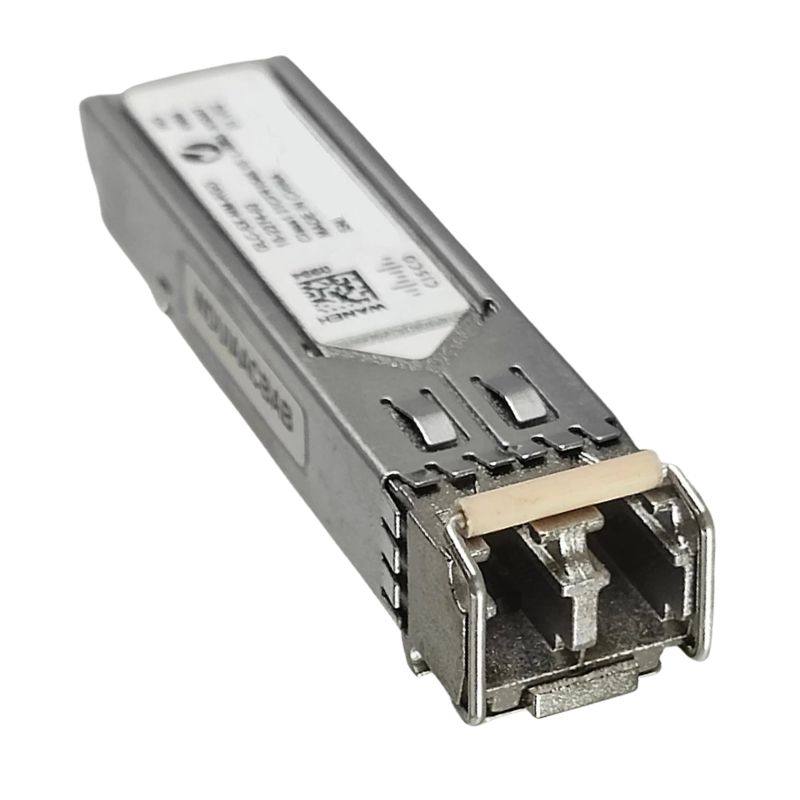


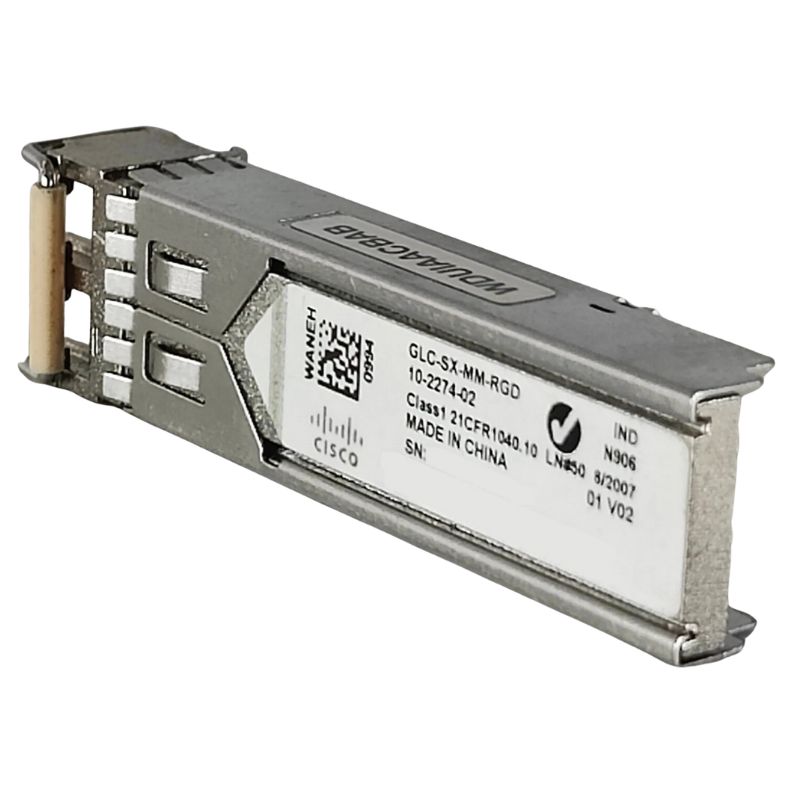
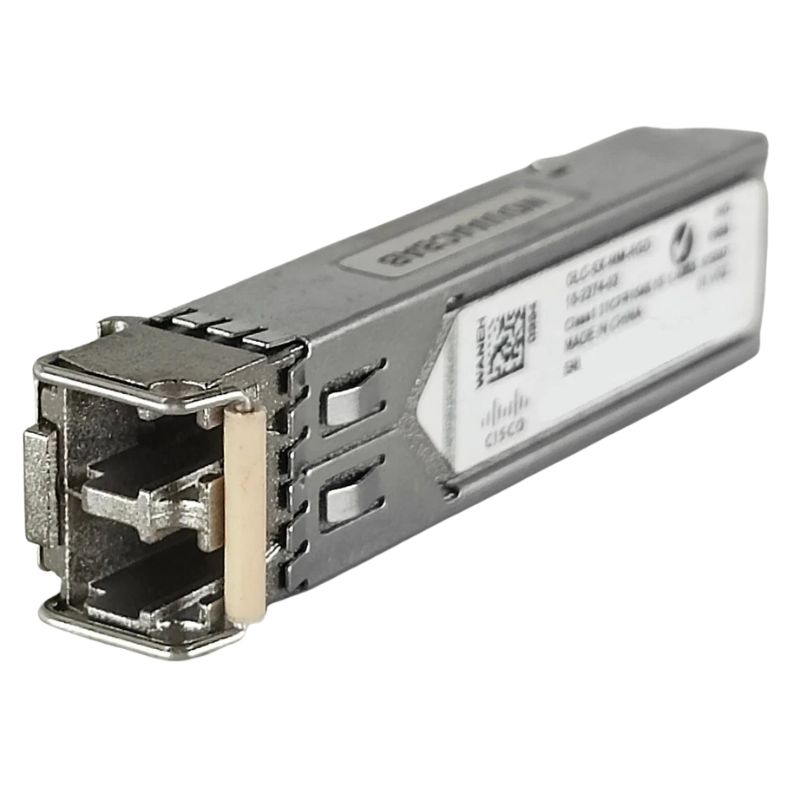
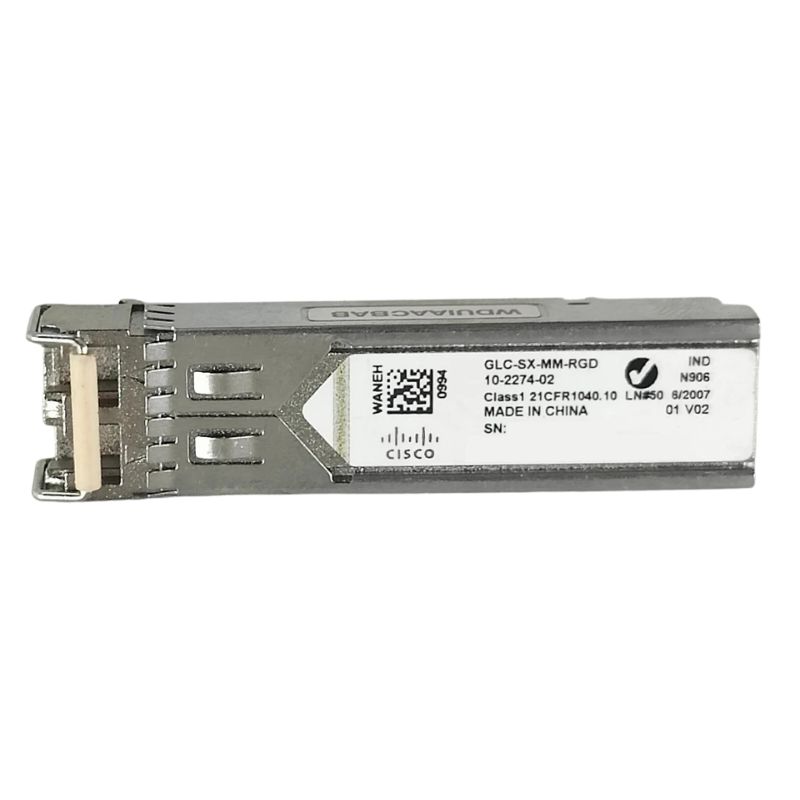
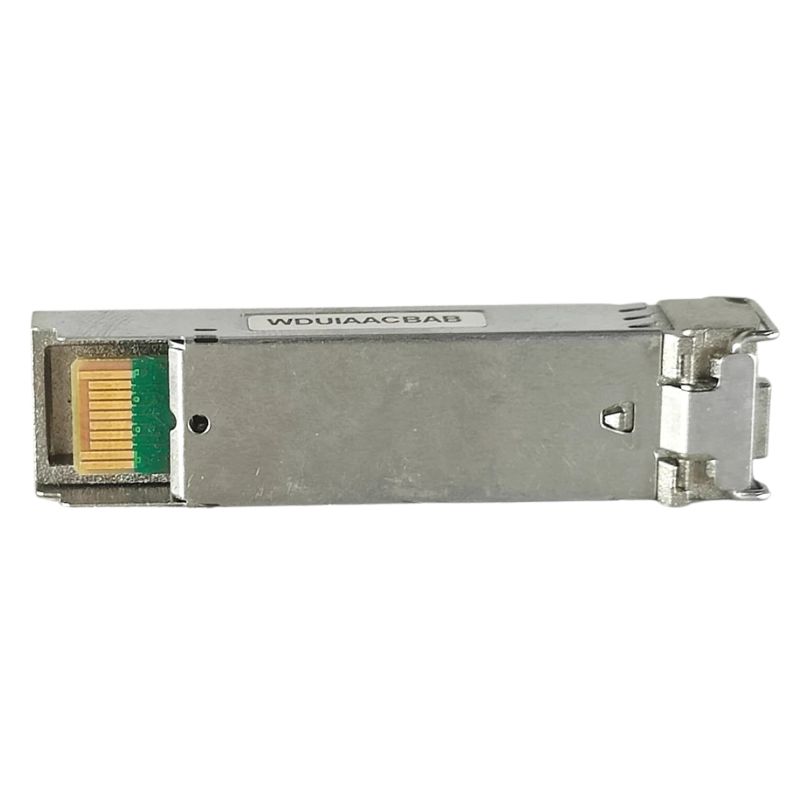
Cisco GLC-SX-MM-RGD= Rugged SFP - LC To PC Multi-mode Sfp Transceiver - 1 GBPS. Factory-Sealed New in Original Box (FSB) with 1 year replacement warranty
The Cisco GLC-SX-MM-RGD= is a durable and high-performance optical transceiver module designed for industrial-grade environments. It ensures reliable connectivity for Gigabit Ethernet networks using multi-mode fiber technology.
The Cisco GLC-SX-MM-RGD= 1 GBPS Rugged SFP - LC To PC Multi-mode SFP Transceiver category represents a specialized range of optical networking components designed for dependable Gigabit Ethernet connectivity in demanding operating environments. This rugged small form-factor pluggable transceiver is engineered to deliver reliable data communication over multi-mode fiber networks while maintaining compatibility with industrial, outdoor, and mission-critical networking applications. As part of the Cisco SFP transceiver family, this product category focuses on high-performance optical connectivity, extended durability, and seamless integration with compatible Cisco networking equipment.
A 1 Gbps rugged SFP transceiver such as the Cisco GLC-SX-MM-RGD= provides an efficient solution for organizations that require stable fiber connections in locations where standard networking hardware may not withstand environmental challenges. The ruggedized construction supports improved resistance against temperature fluctuations, vibration, and other operational stresses, making it suitable for transportation networks, industrial automation systems, security infrastructure, energy applications, and outdoor communication deployments.
Small Form-Factor Pluggable, commonly known as SFP technology, has transformed modern networking by allowing administrators to easily expand and customize network connections. The Cisco GLC-SX-MM-RGD= belongs to this category of modular optical interfaces, enabling network professionals to add fiber connectivity without replacing entire switching systems. The compact design allows the transceiver to be inserted directly into supported switches, routers, and network devices, providing a practical method for expanding communication capabilities.
The 1 Gigabit Ethernet capability of this rugged SFP module allows it to support high-speed data transmission suitable for enterprise and industrial networking environments. Gigabit optical communication offers advantages over traditional copper connections, including longer transmission distances, reduced electromagnetic interference, and improved reliability in electrically noisy areas. These benefits make multi-mode fiber SFP solutions an important choice for organizations requiring consistent network performance.
The Cisco GLC-SX-MM-RGD= uses multi-mode fiber technology, which is widely adopted for short to medium-range optical networking applications. Multi-mode fiber allows multiple light paths to travel through the fiber core simultaneously, supporting efficient data transfer within structured cabling environments. The LC connector interface provides a compact and secure connection method, making it suitable for modern high-density networking installations.
The LC to PC optical interface design helps maintain reliable physical connections between networking equipment and fiber cabling infrastructure. Precision-polished connectors support efficient signal transmission by reducing connection loss and improving optical performance. This makes the transceiver an effective choice for data centers, industrial networks, campus environments, and communication systems where dependable fiber connectivity is essential.
The rugged SFP category is particularly valuable in environments where network equipment must operate beyond the controlled conditions of traditional office spaces. Industrial facilities often require communication equipment that can function reliably despite temperature variations, mechanical stress, and exposure to challenging conditions. The Cisco GLC-SX-MM-RGD= is designed to support these specialized networking requirements.
Industrial automation systems depend on continuous communication between sensors, controllers, machines, and monitoring platforms. Fiber optic connections help ensure that these systems maintain stable communication without interference from heavy electrical equipment. A ruggedized Gigabit SFP transceiver provides a dependable link between industrial switches and fiber infrastructure, helping organizations maintain operational efficiency.
Manufacturing plants, processing facilities, and utility networks often contain areas where standard networking components may face performance limitations. Rugged SFP modules help overcome these challenges by providing a more durable connectivity option. Their ability to support fiber-based communication enables industrial networks to achieve greater reliability and improved long-term performance.
Outdoor communication networks require equipment that can handle changing environmental conditions. Network installations used in transportation, surveillance, smart infrastructure, and remote monitoring systems frequently depend on rugged components to maintain connectivity. The Cisco GLC-SX-MM-RGD= category provides a fiber networking option designed for these applications where uptime and durability are critical.
Fiber optic technology also offers protection against electromagnetic interference, which can be beneficial in outdoor locations near power systems, transportation equipment, or industrial machinery. By using optical signals instead of electrical transmission, these transceivers contribute to stable communication across challenging deployment environments.
Reliability is one of the most important considerations in professional networking environments. The Cisco GLC-SX-MM-RGD= is designed for applications where consistent communication is necessary. Fiber connectivity reduces many common issues associated with copper cabling, including signal degradation over distance and interference from surrounding electrical equipment.
Ruggedized hardware construction further supports dependable operation in locations where environmental factors may affect standard components. This combination of optical performance and durable design helps organizations maintain stable network communication for essential systems.
The compact form factor of an SFP transceiver provides flexibility for various network configurations. Administrators can select the appropriate optical module based on distance requirements, fiber type, and environmental conditions. This modular approach simplifies network planning and allows infrastructure to adapt as communication requirements change.
Multi-mode fiber remains a popular choice for enterprise and industrial applications because it offers practical performance for shorter-distance communication links. The Cisco GLC-SX-MM-RGD= category uses this fiber technology to support Gigabit Ethernet connections where efficient and reliable data transmission is required.
Optical fiber communication works by transmitting information through pulses of light, allowing large amounts of data to travel quickly and efficiently. Multi-mode fiber systems are optimized for applications where equipment rooms, buildings, or industrial sections need to be connected. The result is a stable network connection capable of supporting modern data demands.
The LC connector is widely recognized for its compact size and practical design. Its smaller footprint allows more fiber connections to fit into limited rack space, which is especially valuable in high-density network environments. The connector mechanism helps maintain a secure connection while allowing technicians to install and replace modules efficiently.
The Cisco GLC-SX-MM-RGD= 1 GBPS Rugged SFP transceiver is intended for use with compatible Cisco networking devices that support this type of optical module. Proper compatibility ensures that the transceiver can communicate effectively with the host equipment and provide expected performance. Network administrators typically evaluate device support, firmware requirements, fiber specifications, and operating conditions before deployment.
Integration with existing network infrastructure is one of the major benefits of SFP-based solutions. Instead of redesigning entire networks, organizations can use modular optical components to enhance connectivity where needed. This makes rugged SFP technology a practical option for network upgrades, expansions, and specialized communication projects.
As digital systems continue to expand, reliable communication infrastructure has become increasingly important. Smart cities, industrial IoT systems, automation platforms, and remote monitoring solutions all require dependable data connections. Rugged optical transceivers support these evolving environments by providing stable links between network devices and remote systems.
The Cisco GLC-SX-MM-RGD= category demonstrates how networking technology continues to adapt to specialized requirements. While traditional enterprise networking often focuses on controlled environments, modern infrastructure frequently extends into factories, transportation systems, outdoor locations, and remote facilities. Rugged SFP modules bridge the gap between advanced networking performance and challenging physical conditions.
Investing in reliable optical networking components can help organizations create infrastructure that remains useful over many years. Fiber-based systems are known for their durability, scalability, and ability to support increasing bandwidth requirements. Rugged SFP solutions contribute to this long-term approach by providing dependable connectivity in demanding installations.
Selecting the appropriate SFP transceiver requires understanding the specific requirements of the network environment. Factors such as transmission distance, fiber type, connector style, environmental conditions, and equipment compatibility all influence the selection process. The Cisco GLC-SX-MM-RGD= is positioned within the rugged multi-mode Gigabit Ethernet category, making it suitable for applications requiring a balance of performance and resilience.
Organizations deploying fiber networks should consider how their infrastructure may evolve in the future. A well-planned optical network can support additional devices, increased traffic, and expanded operational needs. Rugged SFP modules offer a flexible foundation for building communication systems that require dependable connectivity.


 Contact Us
 Information
 Catalog
 Solid State Drives (SSD)
 Network Switches
 Hard Disk Drives
 HBA & Controllers
 PC & Servers
 PC & Server Memory
 CPU & Processors
 Network Routers
 Power Supplies
 Tape Drives & Libraries
 Network Devices
 Computer & Network Cables