(7% discount is applied at checkout)
Cart is empty
Your go-to destination for cutting-edge server products
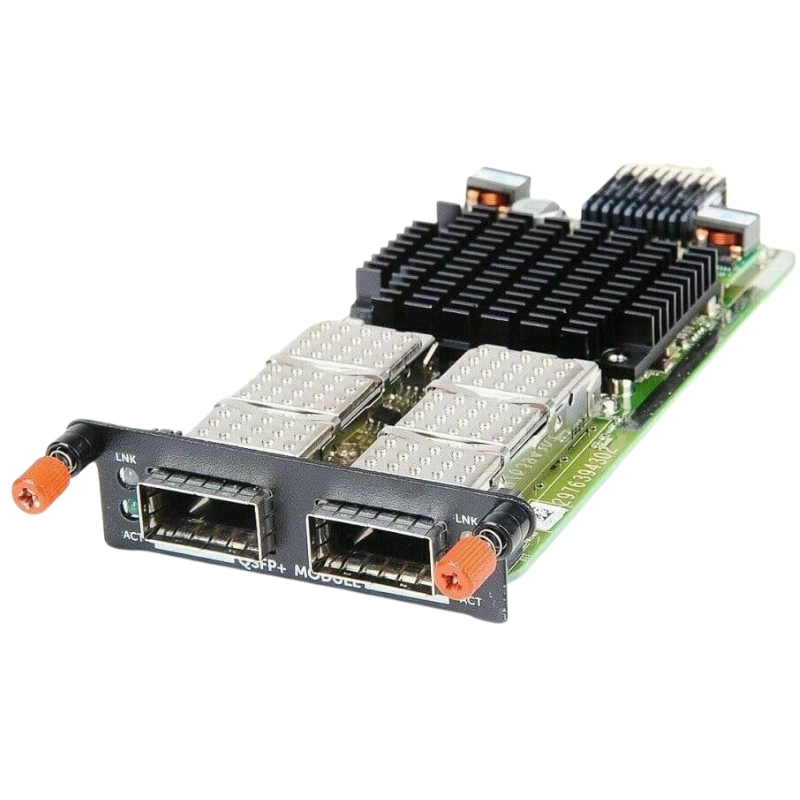


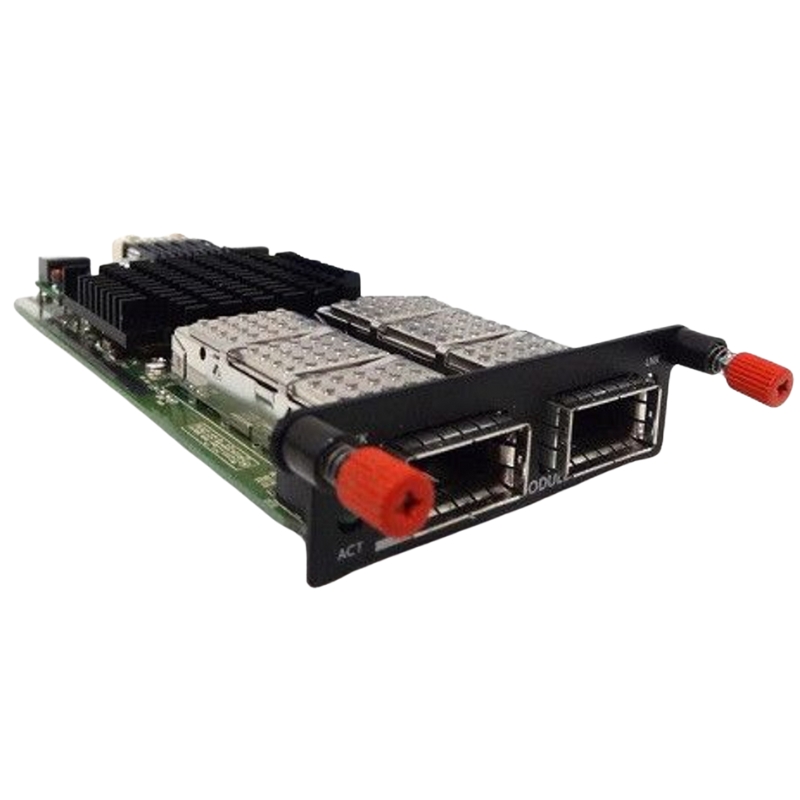
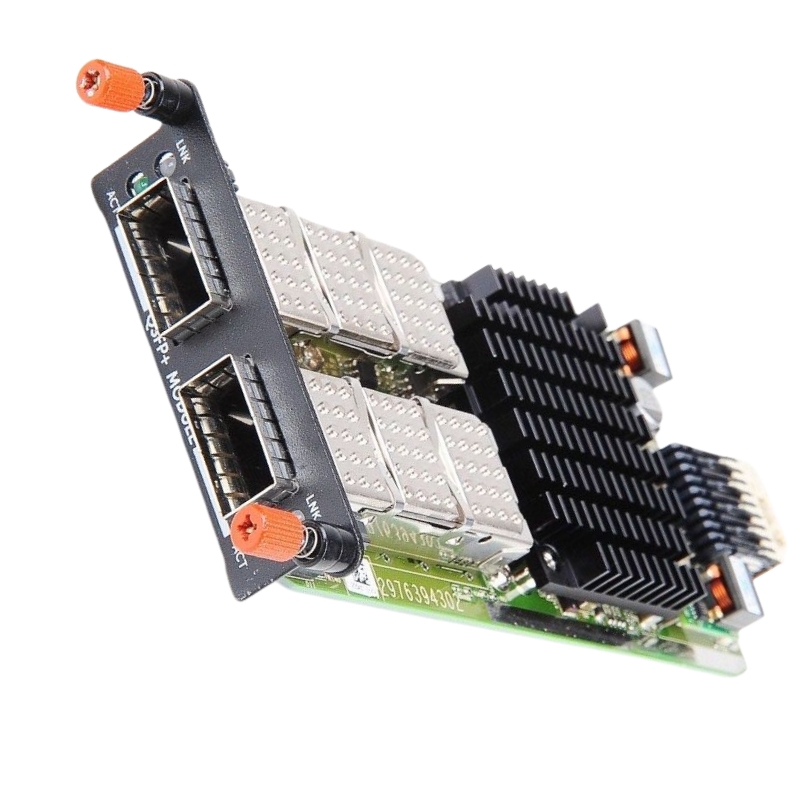
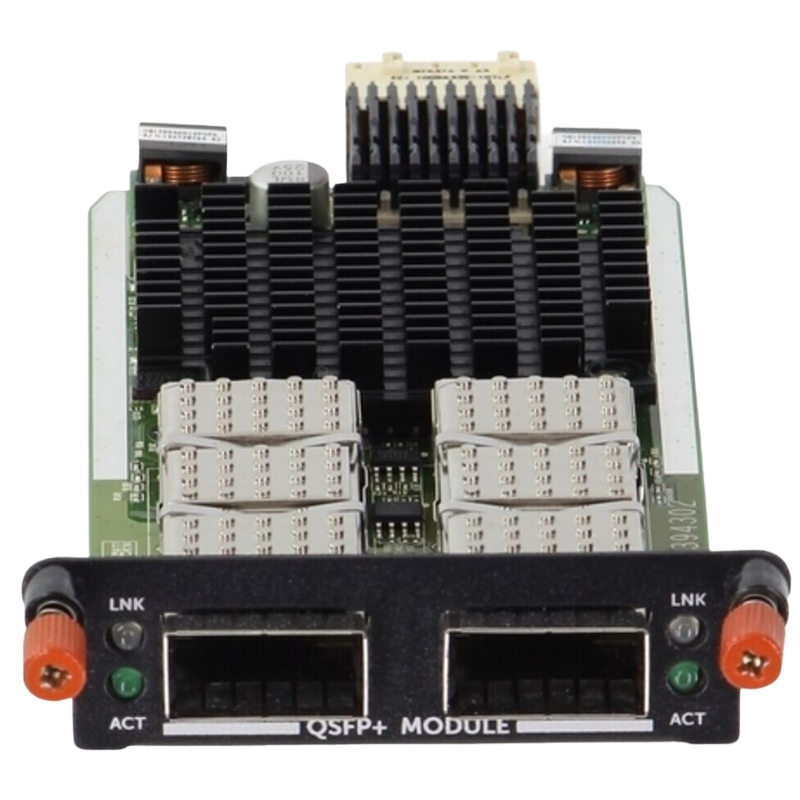
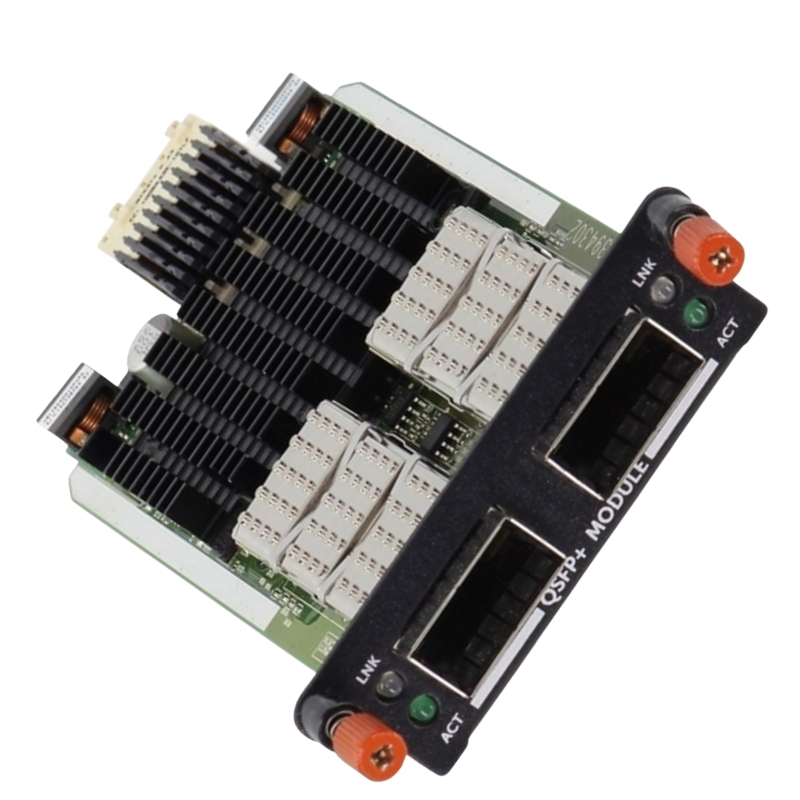
Dell 331-8186 Powerconnect N40XX 81XX Qsfp Stacking Module with 2 Ports. New Sealed in Box (NIB) with 1 Year Warranty
Overview of Dell 331-8186 PowerConnect Stacking Module
The Dell 331-8186 QSFP stacking module is engineered to enhance high-performance networking environments by enabling seamless interconnection between compatible switch systems. Designed for the PowerConnect N40XX and N81XX series, this dual-port stacking solution delivers improved scalability, simplified management, and high-speed data exchange across stacked network devices.
The Dell 331-8186 PowerConnect N40XX 81XX QSFP Stacking Module with 2 Ports is a specialized high-performance networking component designed to enhance switch scalability, improve backbone bandwidth, and enable efficient multi-switch management within enterprise-grade environments. This stacking module is engineered to integrate seamlessly with Dell PowerConnect N40XX and N81XX series switches, allowing administrators to create a unified logical switching system from multiple physical devices. By leveraging QSFP-based high-speed stacking technology, it delivers robust interconnect performance, reduced latency, and simplified network architecture management.
This category of stacking module plays a crucial role in modern data center and enterprise network design, where high availability, redundancy, and scalability are essential. The Dell 331-8186 module provides two dedicated QSFP ports that facilitate high-throughput stacking connections, ensuring that multiple switches operate as a single managed system with synchronized control plane operations and centralized configuration capabilities.
QSFP (Quad Small Form-factor Pluggable) technology is widely recognized for its ability to support high-bandwidth interconnects in modern networking environments. In the context of the Dell 331-8186 stacking module, QSFP interfaces enable extremely fast data transfer rates between stacked switches. This architecture reduces bottlenecks that typically arise in traditional uplink-based switch aggregation.
By implementing QSFP stacking modules, network architects can eliminate complex inter-switch routing configurations and instead operate a unified switching fabric. This significantly improves data flow efficiency across enterprise networks, especially in environments with high traffic loads such as virtualization clusters, cloud computing infrastructures, and large-scale enterprise LANs.
The Dell 331-8186 module enhances overall network performance by enabling backplane-like communication between physically separate switches. This means that traffic between stacked units does not rely on external uplinks or aggregation switches, reducing latency and improving throughput consistency. As a result, applications requiring real-time data processing, such as VoIP, video conferencing, and distributed computing workloads, benefit significantly from this architecture.
In addition, the stacking mechanism ensures that bandwidth is dynamically shared across all interconnected switches. This load distribution minimizes congestion and improves resilience under heavy traffic conditions.
The Dell 331-8186 PowerConnect QSFP stacking module is built with a compact yet highly efficient architecture that integrates seamlessly into compatible Dell switch chassis. It utilizes dual QSFP ports designed for high-speed bidirectional communication. These ports serve as the backbone for stacking links, enabling both primary and secondary interconnect paths for redundancy and load balancing.
Internally, the module is optimized for minimal signal loss and maximum transmission stability. Advanced circuitry ensures that data packets are transmitted with minimal jitter, which is essential for maintaining synchronization across stacked devices. This architecture allows for stable operation even under high network utilization scenarios.
The inclusion of two QSFP stacking ports in the Dell 331-8186 module allows for flexible network design configurations. Administrators can implement ring topology, daisy-chain topology, or hybrid stacking architectures depending on organizational requirements. The dual-port design also enhances fault tolerance by providing alternate communication pathways in the event of a link failure.
This redundancy mechanism ensures continuous network availability, which is a critical requirement in enterprise IT environments where downtime can lead to significant operational disruptions and financial losses.
High availability is one of the primary benefits of using stacking modules like the Dell 331-8186. When switches are stacked, they operate as a single logical system with a unified control plane. If one switch fails, the remaining units continue to function without interruption, maintaining network integrity and service continuity.
The redundancy built into the QSFP stacking design ensures that data paths are automatically rerouted in case of hardware or link failure. This self-healing capability is essential for mission-critical applications and enterprise networks requiring 24/7 uptime.
The Dell 331-8186 stacking module is specifically engineered for compatibility with Dell PowerConnect N40XX and N81XX switch series. These switch families are widely used in enterprise networks due to their scalability, performance, and feature-rich switching capabilities. The stacking module extends these capabilities by allowing multiple switches to operate as a single system.
This compatibility ensures that organizations can scale their infrastructure without replacing existing hardware. Instead, additional switches can be added to the stack, and the stacking module facilitates seamless integration into the existing network fabric.
As organizations expand, their networking requirements evolve rapidly. The Dell 331-8186 module provides a scalable solution that enables network administrators to increase capacity without redesigning the entire infrastructure. By adding additional switches to a stack, businesses can expand port density and processing capability while maintaining centralized management.
This scalability is particularly valuable in environments such as data centers, educational institutions, and large corporate campuses where network demand grows continuously over time.
One of the key advantages of stacking technology is unified management. When multiple switches are connected using the Dell 331-8186 module, they behave as a single logical device. This simplifies configuration, monitoring, and troubleshooting processes. Network administrators can apply configurations once across the entire stack rather than configuring each switch individually.
This centralized management approach reduces operational complexity and minimizes the risk of configuration errors, which is essential for maintaining network stability and security compliance.
The Dell 331-8186 QSFP stacking module is designed to optimize performance in high-demand enterprise environments. By eliminating the need for external aggregation layers, it reduces hop count and improves data transmission efficiency. This leads to lower latency and improved application responsiveness across the network.
In virtualization-heavy environments, such as those running VMware or Hyper-V infrastructures, stacking modules play a critical role in ensuring seamless communication between virtual machines distributed across multiple physical hosts.
When multiple switches are stacked using the Dell 331-8186 module, their combined bandwidth resources are pooled together. This creates a high-capacity switching system capable of handling large volumes of simultaneous data traffic. Bandwidth aggregation ensures that network resources are utilized efficiently, preventing bottlenecks and improving overall throughput.
The Dell 331-8186 PowerConnect stacking module is widely deployed in various enterprise networking scenarios. Its flexibility and high-performance capabilities make it suitable for a range of use cases, from small business expansions to large-scale data center infrastructures.
In campus networks, the module enables multiple access layer switches to be managed as a single unit, simplifying network architecture. In data centers, it supports high-density server connectivity and efficient east-west traffic handling between virtualization hosts.
In data center environments, the stacking module plays a critical role in ensuring that server racks are interconnected efficiently. By stacking switches, administrators can create a scalable and resilient network fabric that supports large-scale computing workloads.
This architecture reduces the complexity of managing multiple switches independently and ensures consistent policy enforcement across the entire data center network.
In enterprise campus networks, the Dell 331-8186 module enables seamless connectivity between different buildings, departments, and network segments. It simplifies inter-switch communication and ensures that network policies are consistently applied across all connected devices.
This results in improved network performance, easier troubleshooting, and reduced administrative overhead.
Reliability is a core design principle of the Dell 331-8186 QSFP stacking module. Built with enterprise-grade components, it is designed to operate continuously in demanding environments. The module undergoes rigorous testing to ensure long-term durability and consistent performance under varying network loads.
Its stable performance makes it suitable for mission-critical applications where network downtime is not acceptable. Combined with Dell’s robust switch ecosystem, it contributes to a highly reliable networking infrastructure.
The module is engineered to withstand typical enterprise operating conditions, including variations in temperature, humidity, and electrical load. This resilience ensures stable operation even in less controlled environments such as branch offices or distributed enterprise locations.
Hardware-level optimization minimizes the risk of failure, ensuring that the stacking system remains operational over extended periods of continuous use.


 Contact Us
 Information
 Catalog
 Solid State Drives (SSD)
 Network Switches
 Hard Disk Drives
 HBA & Controllers
 PC & Servers
 PC & Server Memory
 CPU & Processors
 Network Routers
 Power Supplies
 Tape Drives & Libraries
 Network Devices
 Computer & Network Cables