(7% discount is applied at checkout)
Cart is empty
Your go-to destination for cutting-edge server products
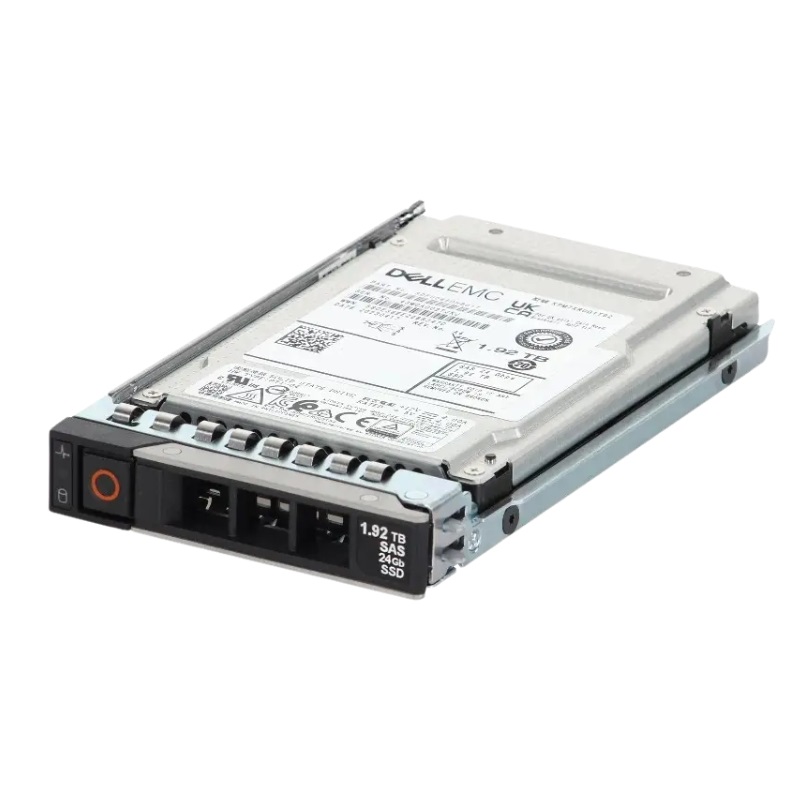


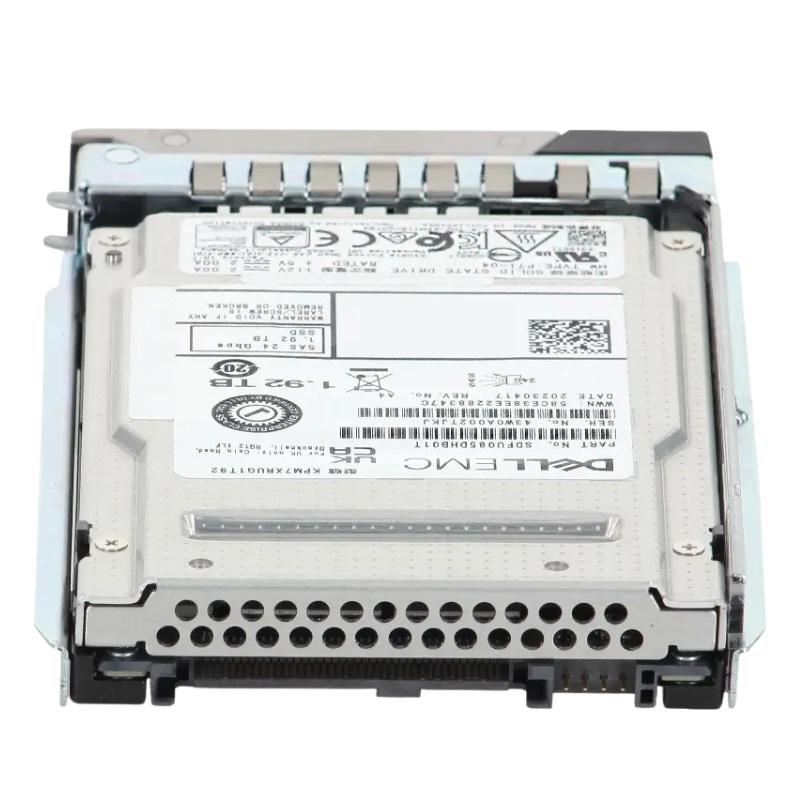
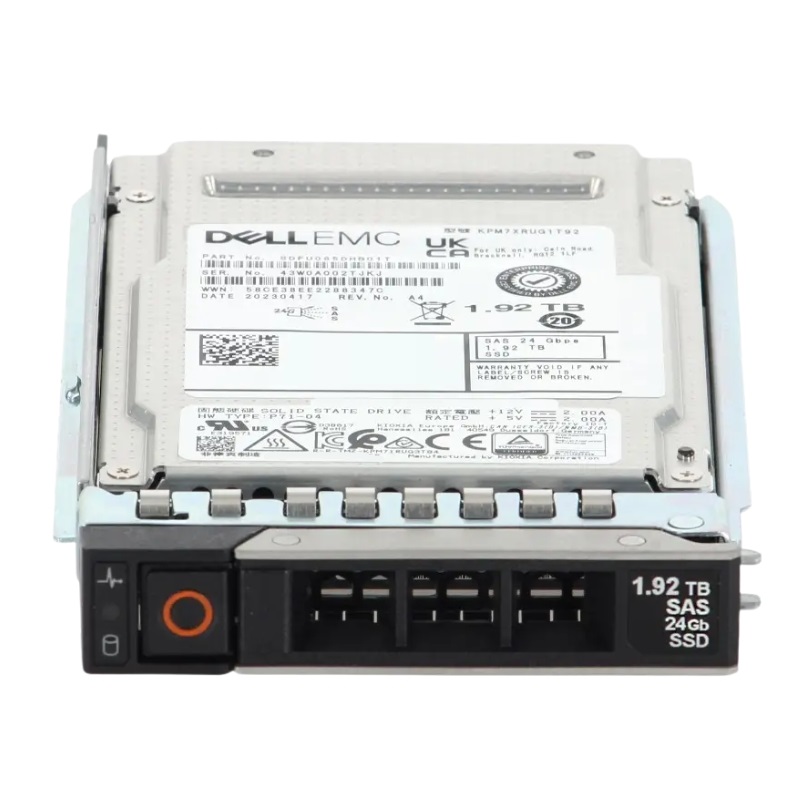
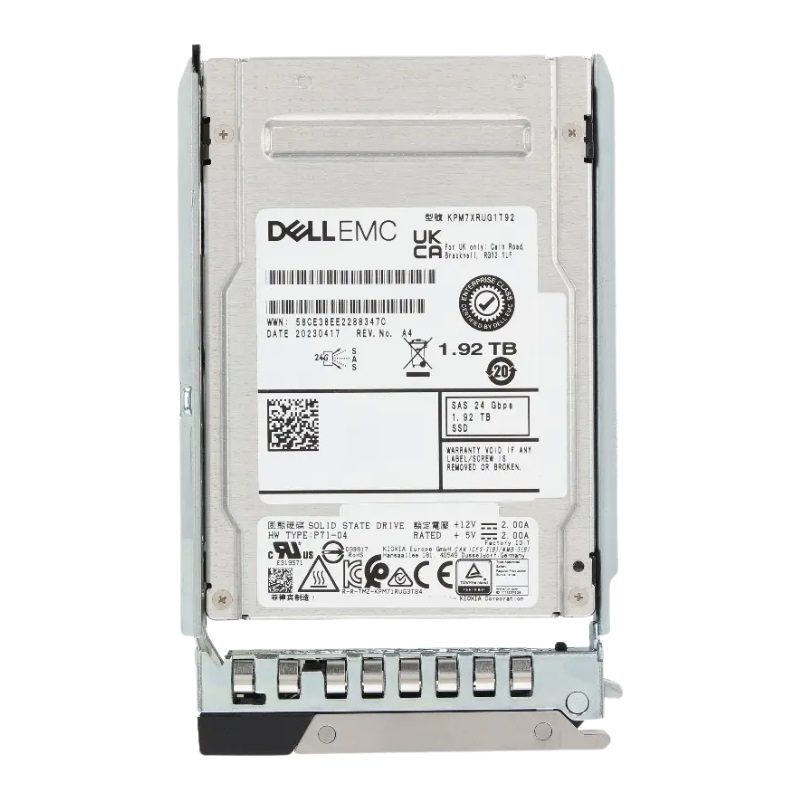
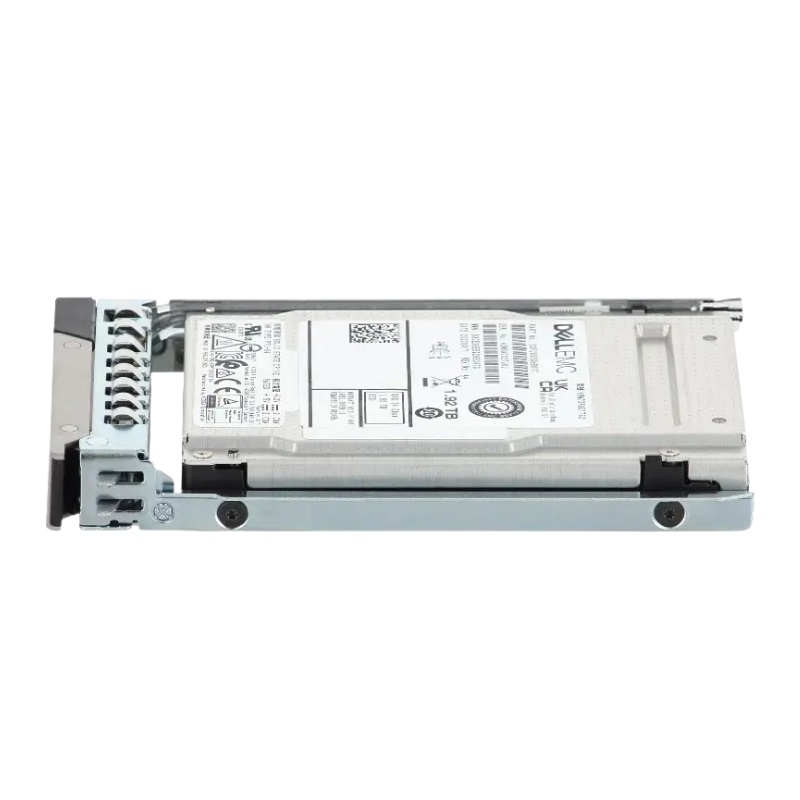
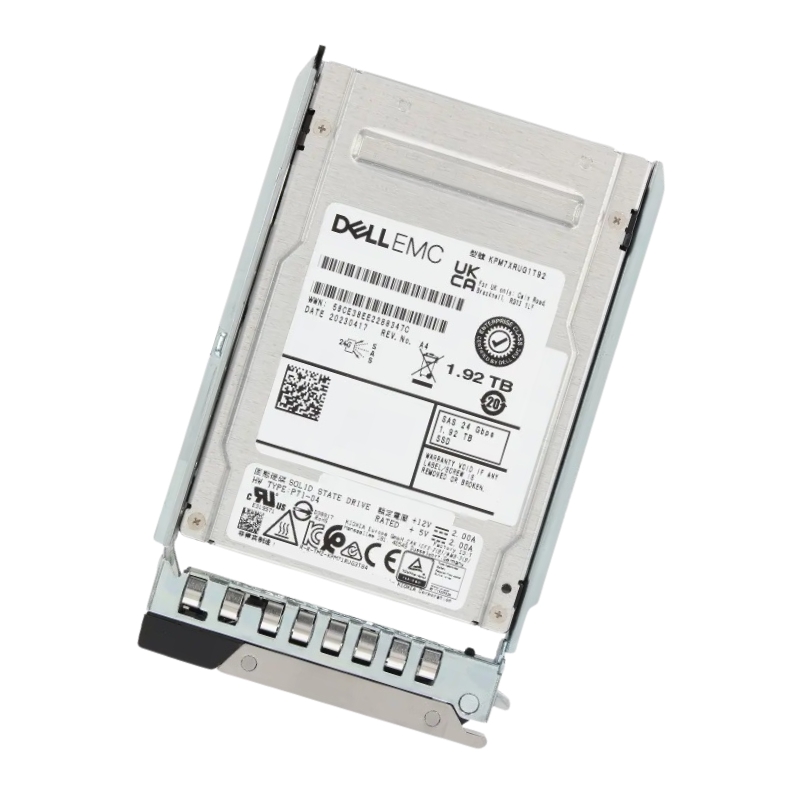
Dell 345-BKFK 1.92TB SAS 24GBPS 2.5 inch Read Intensive TLC 1DWPD Enterprise Solid State Drive For Server. New Sealed in Box (NIB) with 1 year Replacement Warranty
The Dell 345-BKFK 1.92TB Enterprise Solid State Drive is engineered for high-performance data center and enterprise server environments. Featuring a blazing-fast SAS 24Gb/s interface, TLC NAND flash technology, and read-intensive endurance, this 2.5-inch SSD delivers reliable storage performance for demanding business applications, virtualization, cloud computing, and database workloads.
The Dell 345-BKFK 1.92TB SAS 24GBPS 2.5 inch Read Intensive TLC 1DWPD Enterprise Solid State Drive for Server is engineered for modern enterprise environments that demand exceptional storage consistency, ultra-fast response times, advanced endurance management, and reliable server-grade data handling. Designed specifically for data center applications, virtualization infrastructures, enterprise cloud environments, analytics platforms, and mission-critical workloads, this Dell enterprise SSD delivers optimized performance for organizations seeking scalable and dependable server storage technology.
As enterprise infrastructures continue evolving toward higher density virtualization, AI-assisted analytics, database acceleration, and real-time transaction processing, storage hardware must keep pace with increasing operational complexity. The Dell 345-BKFK enterprise SSD addresses these requirements through a combination of 24Gbps SAS interface technology, enterprise-grade TLC NAND flash memory, read intensive workload optimization, and advanced endurance architecture. Businesses implementing scalable server environments require predictable storage latency and dependable throughput under continuous workloads, making enterprise SSDs like the Dell 345-BKFK an essential component in modern IT architecture.
The Dell 345-BKFK solid state drive is designed around a high-performance SAS 24Gbps interface that significantly improves communication efficiency between storage controllers and enterprise servers. SAS technology has long been recognized as a preferred storage interface within enterprise and mission-critical systems due to its superior reliability, dual-port capabilities, high availability support, and advanced error handling compared to consumer-grade interfaces.
Unlike desktop-oriented SSDs, enterprise SAS drives are engineered for consistent operation in rack-mounted servers operating continuously in demanding environments. The Dell 345-BKFK integrates enterprise-grade firmware optimization, allowing system administrators to maintain stable throughput and low latency even during intensive read operations. This is particularly important in high-concurrency environments where multiple virtual machines, databases, and applications simultaneously access storage resources.
The 24Gbps SAS interface doubles the bandwidth capabilities of previous-generation SAS implementations, enabling significantly faster communication between the drive and enterprise server infrastructure. This increased throughput becomes critical in environments involving high-frequency transaction processing, large-scale virtualization clusters, cloud orchestration systems, and analytics engines processing extensive datasets.
The transition to 24Gbps SAS connectivity introduces substantial performance enhancements for enterprise organizations requiring high-speed storage scalability. The increased bandwidth allows the Dell 345-BKFK SSD to support accelerated read operations while reducing bottlenecks across demanding applications. Data centers deploying modern server platforms can leverage these enhanced transfer rates to improve overall workload responsiveness.
Another significant advantage of SAS architecture is reliability. Enterprise SAS drives include extensive error detection, advanced command queuing, dual-port communication capabilities, and superior fault tolerance compared to many alternative storage interfaces. These features are especially important in enterprise infrastructures where downtime directly impacts productivity, customer experiences, and operational continuity.
Additionally, SAS interfaces support enterprise storage expandability. Organizations scaling storage infrastructure across multiple server nodes can integrate SAS SSDs into existing storage arrays and enterprise RAID environments while maintaining consistent compatibility with modern server hardware.
The Dell 345-BKFK utilizes a compact 2.5 inch enterprise drive form factor optimized for dense server deployments and modern rack infrastructure. This design enables efficient integration into blade servers, rack-mounted systems, enterprise storage enclosures, and hyperconverged infrastructures without sacrificing valuable rack space.
Data centers increasingly prioritize hardware density and energy efficiency. Smaller form factor SSDs contribute to improved airflow management, reduced thermal congestion, and optimized rack utilization. By deploying compact enterprise SSDs such as the Dell 345-BKFK, organizations can increase storage performance per rack unit while maintaining manageable cooling requirements.
The standardized 2.5 inch configuration also simplifies server upgrades and storage replacements. IT administrators benefit from straightforward deployment compatibility across a wide range of Dell PowerEdge servers and enterprise storage platforms.
The 1.92TB storage capacity offered by the Dell 345-BKFK SSD provides an ideal balance between high-density enterprise storage and workload optimization. Enterprise environments require scalable capacity planning capable of supporting expanding datasets, virtualization environments, enterprise applications, and growing transaction volumes.
With nearly two terabytes of enterprise flash storage available in a single drive, organizations can consolidate workloads more effectively while reducing reliance on slower spinning disk technologies. The drive capacity supports a wide variety of business applications, including virtualization hosting, content delivery, customer relationship management systems, enterprise resource planning platforms, and large-scale read-heavy database environments.
Enterprise SSDs with optimized capacities such as 1.92TB also allow IT departments to improve storage tiering strategies. By placing latency-sensitive applications and frequently accessed datasets on high-speed SAS SSD storage, businesses can dramatically improve application responsiveness and overall infrastructure efficiency.
Modern data centers continually seek methods for reducing hardware complexity while maximizing performance and operational efficiency. The Dell 345-BKFK contributes to storage consolidation initiatives by delivering substantial enterprise flash capacity within a compact physical footprint.
Consolidated storage environments simplify server administration, reduce cabling complexity, improve power efficiency, and decrease maintenance requirements. Enterprise SSDs also contribute to lower cooling demands compared to larger mechanical storage arrays, supporting greener and more cost-effective data center operations.
By consolidating workloads onto high-capacity enterprise SSDs, organizations can streamline virtualization environments, reduce application latency, and simplify backup and disaster recovery planning. Faster storage access times directly improve productivity for users interacting with enterprise systems throughout the business day.
The Dell 345-BKFK is classified as a read intensive enterprise SSD, meaning it is specifically engineered for environments where read operations significantly outnumber write operations. Many enterprise applications rely heavily on rapid data retrieval rather than continuous data modification, making read intensive SSDs highly efficient for these use cases.
Read intensive storage solutions are commonly deployed in analytics platforms, media streaming environments, virtual desktop infrastructures, web hosting systems, search indexing applications, and business intelligence platforms. In these environments, the ability to rapidly access stored information directly influences user experience and operational performance.
The drive architecture is optimized to deliver consistently low latency during read operations while maintaining enterprise-level reliability standards. This optimization enables businesses to accelerate application responsiveness, reduce system delays, and support high-volume concurrent user activity.
The Dell 345-BKFK SSD is highly suitable for enterprise workloads involving extensive data access requirements. Virtual desktop infrastructure deployments benefit significantly from fast read performance because multiple users simultaneously access operating system images and application files. Faster SSD performance improves desktop responsiveness and user productivity across virtualized environments.
Cloud computing infrastructures also gain measurable advantages from read intensive enterprise SSDs. Cloud platforms often process large volumes of user requests requiring rapid retrieval of stored information. Enterprise SAS SSDs help maintain low response times and stable service delivery across distributed computing environments.
Database acceleration is another important use case. Many reporting and analytics databases rely heavily on read operations when generating reports, dashboards, and customer insights. The Dell 345-BKFK helps reduce query latency while improving overall database responsiveness.
Rapid data retrieval capabilities are essential for maintaining smooth enterprise operations. The Dell 345-BKFK enterprise SSD minimizes delays associated with storage access, enabling faster application launches, reduced query response times, and improved transaction handling efficiency.
Organizations utilizing enterprise analytics platforms frequently process massive quantities of structured and unstructured information. High-performance SSD storage ensures analytics engines can quickly access datasets without excessive storage bottlenecks. This capability becomes increasingly important in sectors such as healthcare, finance, retail, telecommunications, and scientific research.
By reducing storage latency and improving throughput, enterprise SSDs support more responsive digital services while enabling organizations to process information faster and more efficiently.
The Dell 345-BKFK utilizes Triple-Level Cell NAND flash technology optimized for enterprise environments. TLC NAND offers a strategic balance between capacity, performance, endurance, and cost efficiency, making it an attractive solution for organizations deploying large-scale enterprise storage infrastructure.
Enterprise TLC SSDs are designed with advanced firmware optimization and wear management technologies that improve reliability and extend operational lifespan. While consumer TLC SSDs may focus primarily on affordability, enterprise TLC solutions incorporate sophisticated data management algorithms and endurance enhancements tailored for continuous server operation.
The implementation of enterprise-grade TLC NAND within the Dell 345-BKFK enables organizations to benefit from high-density flash storage while maintaining dependable performance under demanding enterprise workloads.
Reliability is a foundational requirement within enterprise storage infrastructure. Enterprise SSDs undergo extensive validation procedures to ensure consistent performance under continuous operation. The Dell 345-BKFK integrates enterprise firmware features designed to reduce data corruption risks, manage wear leveling efficiently, and maintain operational integrity across intensive workloads.
Advanced NAND management technologies continuously monitor storage conditions, optimize data placement, and minimize unnecessary write amplification. These mechanisms contribute to longer drive lifespan and improved overall stability in enterprise deployments.
For organizations operating mission-critical applications, dependable storage reliability directly affects uptime, customer satisfaction, and business continuity. Enterprise SSDs help minimize the likelihood of unexpected storage failures while supporting predictable infrastructure planning.
The Dell 345-BKFK enterprise SSD features a 1 Drive Write Per Day endurance rating, commonly abbreviated as 1DWPD. This specification indicates the drive can sustain writing its full capacity once per day throughout the warranty period while maintaining reliable operation.
Endurance ratings are especially important in enterprise storage environments because they provide insight into long-term drive durability under sustained workloads. A 1DWPD rating makes the Dell 345-BKFK highly suitable for read intensive and mixed enterprise applications where moderate daily write activity accompanies extensive read operations.
Organizations selecting enterprise SSDs must carefully evaluate endurance characteristics to ensure alignment with workload demands. The 1DWPD architecture delivers an effective balance between endurance and performance efficiency, supporting a broad range of enterprise use cases.
The Dell 345-BKFK can be integrated into enterprise RAID environments designed to provide redundancy, performance optimization, and fault tolerance. RAID-enabled storage architectures remain essential within mission-critical infrastructures where data protection and continuous availability are mandatory.
Enterprise SAS SSDs are commonly deployed within RAID arrays supporting virtualization clusters, cloud infrastructure nodes, enterprise databases, and high-availability application platforms. These deployments benefit from reduced storage latency, faster rebuild operations, and improved workload scalability.
By combining enterprise SSD performance with advanced RAID technologies, organizations can achieve robust storage resilience while maintaining exceptional application responsiveness.
Virtualization environments place substantial demands on enterprise storage systems due to concurrent access patterns generated by multiple virtual machines. The Dell 345-BKFK SSD is optimized to support these workloads through high-speed data access, low latency performance, and dependable operational consistency.
Virtualized infrastructures rely heavily on responsive storage subsystems to maintain smooth user experiences and efficient resource allocation. Enterprise SSDs help reduce storage bottlenecks that can negatively affect virtual machine responsiveness and infrastructure scalability.
Cloud service providers also benefit from enterprise SAS SSD technologies because storage responsiveness directly impacts service quality, customer experiences, and application availability. The Dell 345-BKFK supports modern cloud architectures requiring scalable, high-performance storage infrastructure.
Data integrity and storage security remain top priorities within enterprise environments handling sensitive customer information, financial records, healthcare data, and proprietary business assets. The Dell 345-BKFK enterprise SSD incorporates enterprise-grade reliability features designed to maintain storage consistency and reduce risks associated with data corruption.
Enterprise SSD firmware continuously monitors drive health, manages NAND wear distribution, and implements sophisticated error correction technologies. These capabilities help maintain long-term data accuracy and operational stability across demanding workloads.
Reliable enterprise storage is essential for maintaining regulatory compliance, business continuity, and customer trust. High-quality enterprise SSDs help organizations strengthen infrastructure resilience while supporting secure digital operations.
Enterprise SSDs include advanced error correction mechanisms capable of identifying and resolving data inconsistencies before they affect application functionality. These technologies improve storage reliability while helping maintain consistent enterprise performance standards.
The Dell 345-BKFK also benefits from enterprise firmware optimization specifically tailored for server environments. Firmware tuning improves workload management efficiency, enhances queue handling capabilities, and ensures stable operation during intensive concurrent access patterns.
Firmware optimization is especially important within enterprise infrastructures where storage consistency directly affects virtualization clusters, cloud platforms, and mission-critical business applications.
The transition from traditional hard disk drives to enterprise SSD technology provides transformative performance improvements across enterprise IT environments. The Dell 345-BKFK delivers significantly faster access times, lower latency, and improved throughput compared to mechanical storage solutions.
Hard drives rely on spinning platters and mechanical read/write heads, which introduce latency and performance limitations during data retrieval operations. Enterprise SSDs eliminate these mechanical constraints through flash-based architecture capable of near-instantaneous data access.
Organizations migrating workloads from HDD arrays to enterprise SAS SSDs often experience substantial gains in application responsiveness, virtualization efficiency, and transaction processing speed.
The Dell 345-BKFK is designed to align with modern enterprise storage trends emphasizing high-speed connectivity, increased workload density, and improved energy efficiency. The SAS 24Gbps interface provides enhanced bandwidth capabilities suitable for next-generation server architectures and evolving enterprise applications.
Organizations investing in future-ready storage technologies can improve infrastructure longevity while reducing the frequency of disruptive hardware refresh cycles. Enterprise SSDs designed for scalability help organizations maintain competitive operational performance as workload demands continue evolving.
Future-ready storage architecture also supports smoother adoption of emerging technologies such as artificial intelligence, edge computing, machine learning analytics, and high-density virtualization environments.
Business continuity planning depends heavily on reliable enterprise storage systems capable of maintaining operational stability during demanding workloads and unexpected infrastructure events. The Dell 345-BKFK enterprise SSD contributes to high availability strategies through dependable performance characteristics, enterprise firmware optimization, and SAS reliability features.
High availability environments require storage infrastructure capable of supporting continuous operation with minimal downtime risk. Enterprise SAS SSDs provide enhanced reliability mechanisms suitable for mission-critical deployments where service interruptions are unacceptable.
By integrating enterprise SSDs into redundant storage architectures, organizations can improve application availability, accelerate failover operations, and maintain smoother operational continuity during maintenance or hardware disruptions.
Disaster recovery planning relies on efficient data replication and rapid recovery capabilities. Enterprise SSD performance helps accelerate backup operations, replication processes, and recovery workflows, reducing downtime during disaster recovery events.
The Dell 345-BKFK supports storage infrastructures designed for resilient enterprise operations. Faster storage access improves recovery point objectives and recovery time objectives, helping organizations maintain compliance with operational continuity requirements.
Reliable enterprise SSDs also simplify data protection strategies by enabling faster synchronization between primary and secondary storage environments.


 Contact Us
 Information
 Catalog
 Solid State Drives (SSD)
 Network Switches
 Hard Disk Drives
 HBA & Controllers
 PC & Servers
 PC & Server Memory
 CPU & Processors
 Network Routers
 Power Supplies
 Tape Drives & Libraries
 Network Devices
 Computer & Network Cables